Environment
Translation of the Humane Dog Population Management Guide
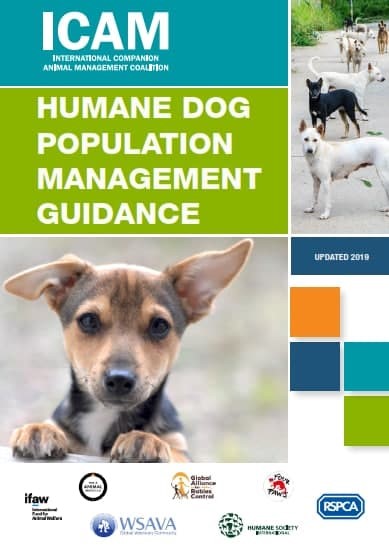
The Persian translation of the ICAM coalition's guide 'Humane Dog Population Management' has been published by Kerman University of Medical Sciences; an authoritative document for international organizations that provides a scientific and ethical roadmap for managing stray animals.
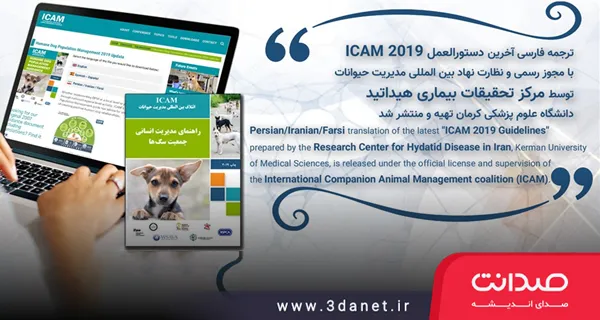
Translation of the Humane Dog Population Management Guide
Publication of the Persian translation of the latest update to the "Humane Dog Population Management Guide" by the ICAM Coalition through the efforts of the Hydatid Disease Research Center, Kerman University of Medical Sciences
Mojtaba Tabatabaei
In 2011, the Food and Agriculture Organization of the United Nations (FAO), in collaboration with the World Animal Protection (WAP) and the Istituto Zooprofilattico Sperimentale delle Venezie (IZSAM), held several meetings with global experts, with the participation of the World Health Organization (WHO), the World Organisation for Animal Health (OIE), the International Companion Animal Management Coalition (ICAM), and other reputable international organizations that are members of this coalition. The outcome of these meetings is presented in "FAO Dog Population Management Report – Expert Meeting". In the text of this report, the guidelines of the International Companion Animal Management Coalition (ICAM) are introduced and recommended several times as suitable and citable resources.
Recently, the World Organisation for Animal Health (OIE) also held meetings on Animal Welfare and the United Nations Sustainable Development Goals. In the guideline "Dog Population Management – Links with the UN Sustainable Development Goals", the ICAM population management guidelines were introduced as a credible source, and the ICAM guideline was adopted as a basis for achieving the UN Sustainable Development Goals in relation to dog population management.
International Companion Animal Management Coalition (ICAM)
But why are the ICAM guidelines so highly regarded and cited?
Initially, in 2001, the International Coalition for Animal Welfare (ICFAW) was formed within the World Organisation for Animal Health (OIE) with the aim of striving to achieve the highest possible standards for animal welfare globally through active participation in the OIE consultation process on the development of internationally recognized standards for animal health and welfare.
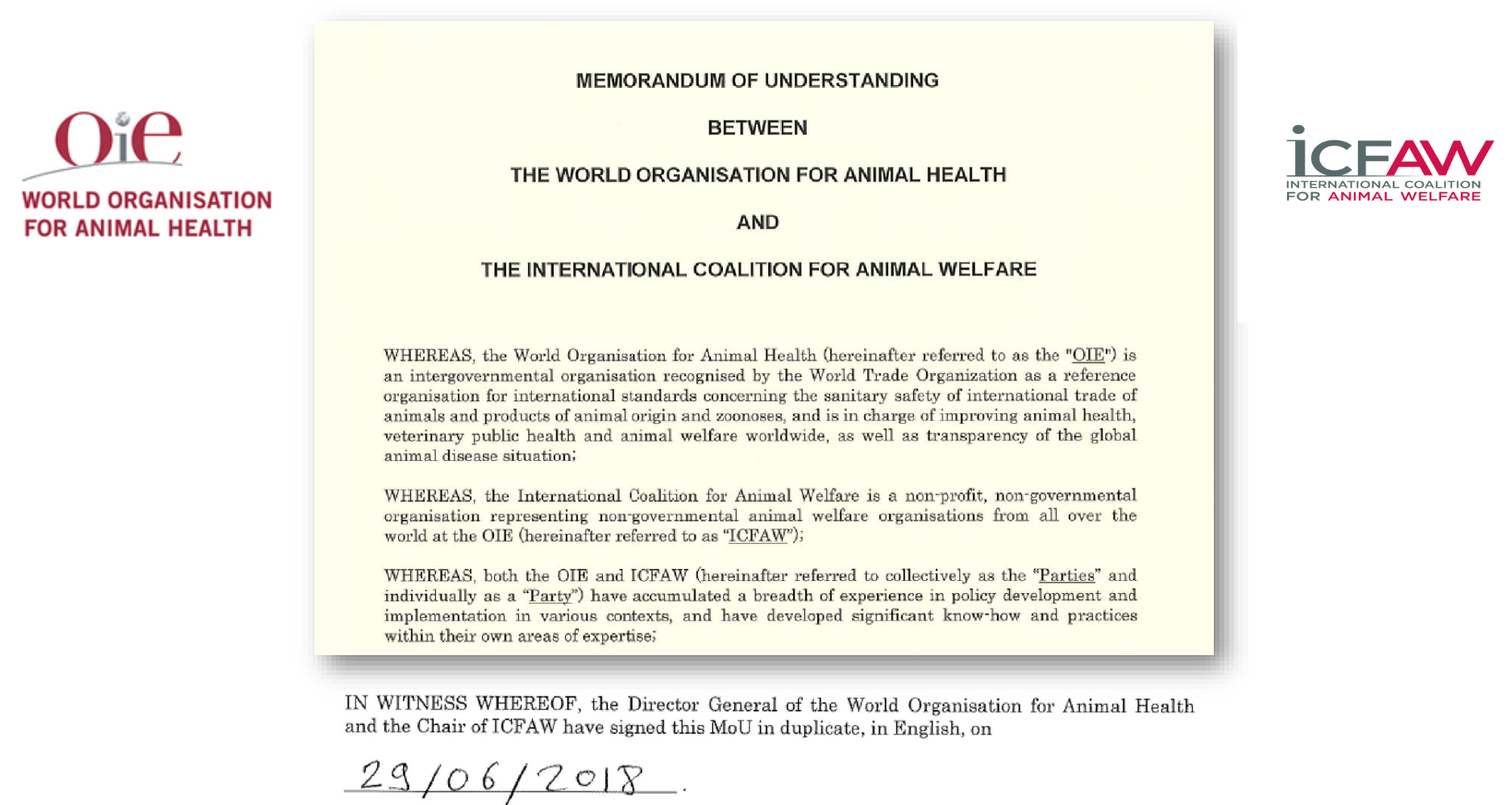
However, due to the specialized nature of companion animal (dog and cat) management, in 2006 the International Companion Animal Management Coalition (ICAM) was formed by organizations and specialists who had been working for decades in the field of dog and cat population management. For example, the Royal Society for the Prevention of Cruelty to Animals (RSPCA) in England, one of the oldest animal protection societies in the world, which has also succeeded in controlling dog and cat populations in England ((WSPA-RSPCA, 2006-2007. The Global Alliance for Rabies Control (GARC), whose shared goal with its partners and collaborators, namely the World Health Organization (WHO), the World Organisation for Animal Health (OIE), and the Food and Agriculture Organization of the United Nations (FAO), is to achieve zero human deaths from dog-mediated rabies by 2030 (see the Global Framework for Rabies Elimination). The World Animal Protection (WAP), which in 1990 collaborated with the World Health Organization (WHO) to write the "Guidelines for Dog Population Management," is another organization in this coalition, along with the World Small Animal Veterinary Association (WSAVA), the international organization FOUR PAWS, and other reputable organizations.
This coalition has published numerous guidelines on urban animal population management, including: the Humane Dog Population Management Guidance (now translated into Persian), the Humane Cat Population Management Guidance (under translation), Are We Making a Difference? A Guide to Monitoring and Evaluating Dog Population Management Interventions, Shelter Design and Management Guidelines, Identification Methods for Dogs and Cats, Veterinary Standards for Spay/Neuter of Dogs and Cats Field Manual, Ethical Decision-Making (regarding urban animals), and other guidelines.
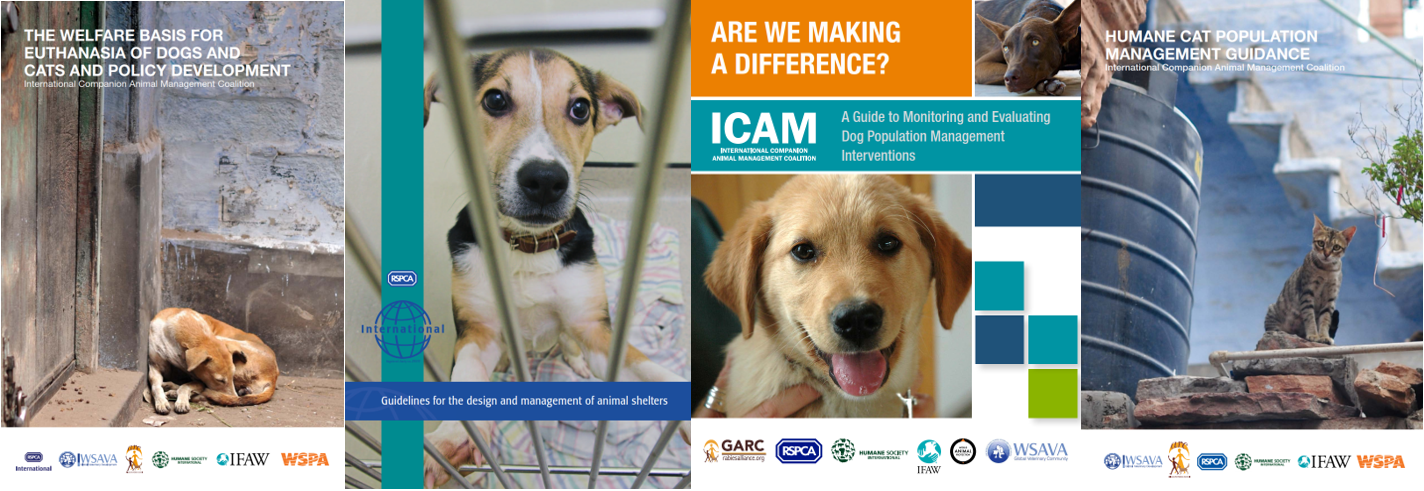
It should be noted that this coalition published the ICAM Position Statement: Population Management of Dogs and Cats and Changes in Access to Food Resources in 2021, and elaborated on this statement in Rethinking Dog and Cat Population Control Through Limiting Food Resources. In this statement, controlling dog and cat populations by reducing access to food resources is described as an inhumane and ineffective method, and "responsible feeding" is described in its place. The text of the rethinking was previously translated into Persian and published on the Sedanet website (read the Persian translation here).
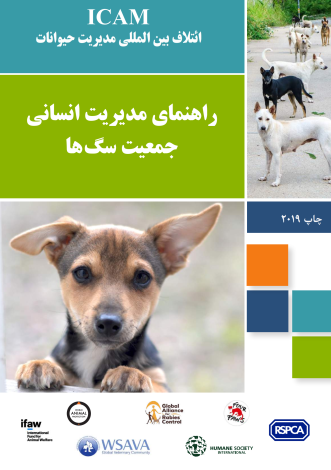
Fortunately, some time ago, the latest update of the Humane Dog Population Management Guidance from 2019 was translated into Persian through the efforts of the Hydatid Disease Research Center at Kerman University of Medical Sciences under the supervision of Dr. Majid Fasihi Harandi and has been officially placed on the ICAM website. [1]
Paying attention to this guidance, which is the result of the latest findings of the world's most experienced researchers and specialists, can put an end to confusion, fruitless actions, and the dissemination of false information, subjective opinions, and unprincipled views, and provide a roadmap to serve as the basis for fundamental, scientific, and most importantly, ethical and humane actions to solve the problem of urban stray animals.
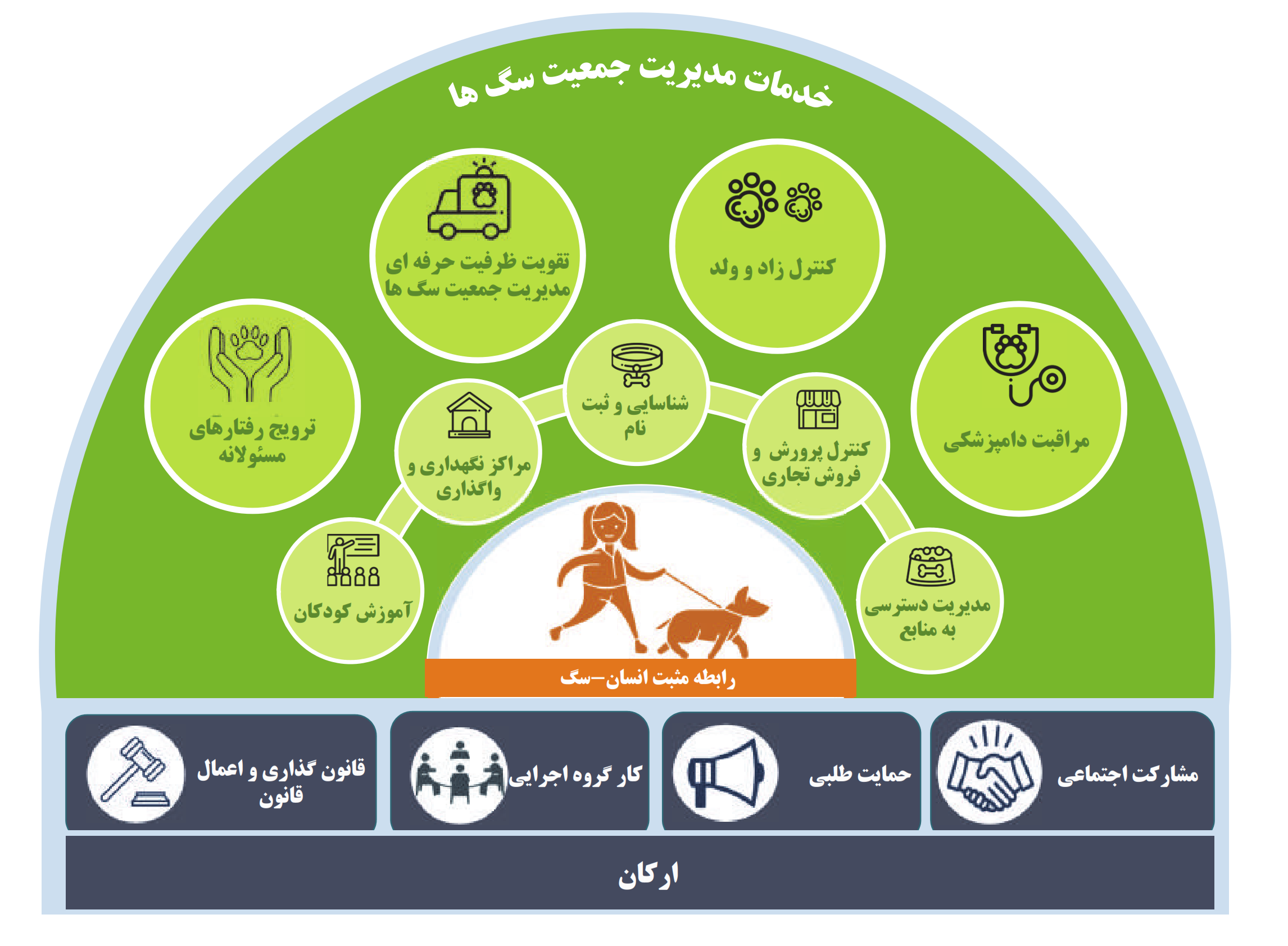
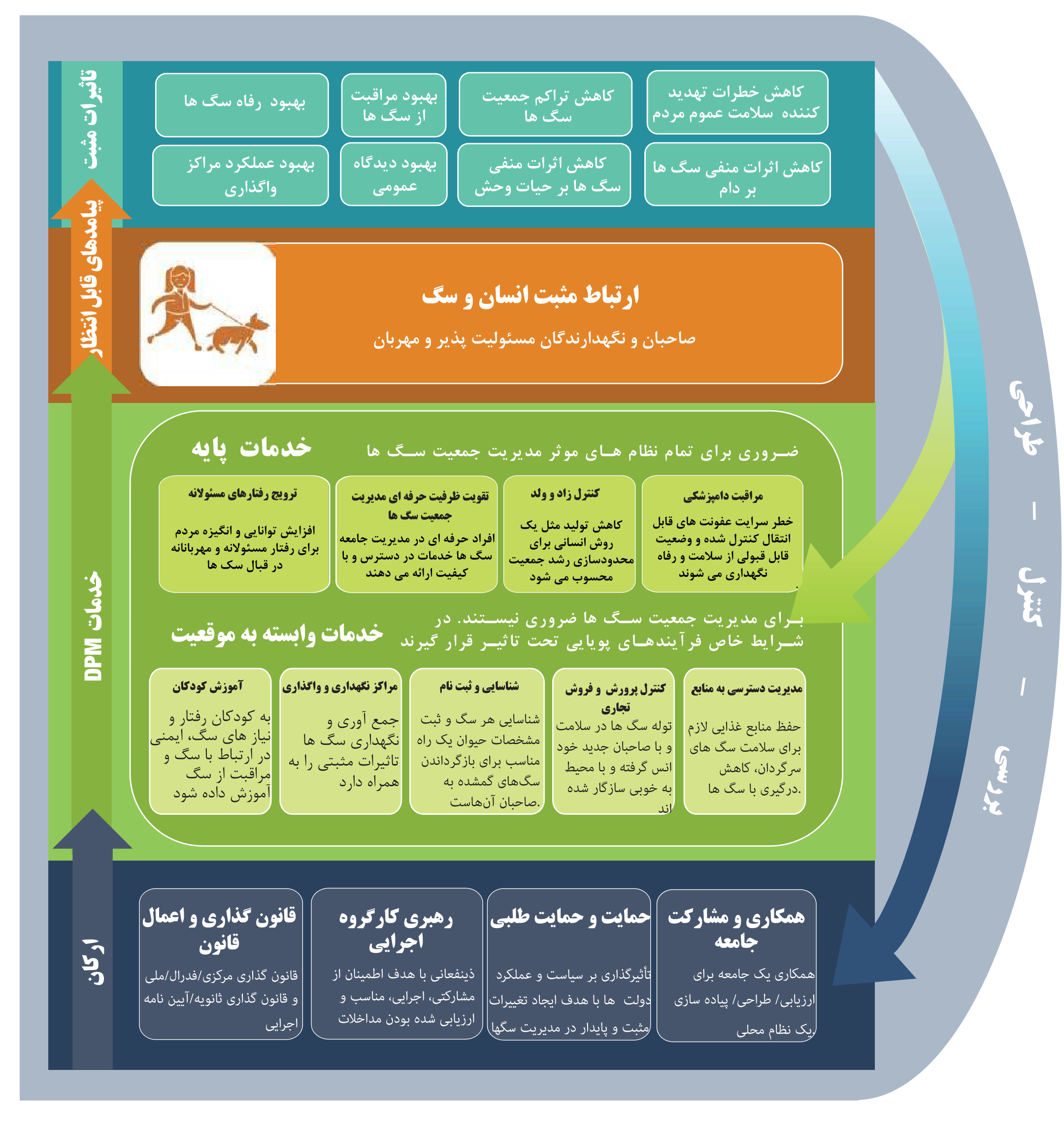
In closing, we are deeply grateful to the Hydatid Disease Research Center at Kerman University of Medical Sciences and also to Dr. Majid Fasihi Harandi for this valuable translation. In the hope that this guidance will be considered by all stakeholders, compassionate individuals, and officials responsible for the issue of stray animal population control, that it will be read carefully, and that correct actions will be taken using scientific and humane methods, and the problem of stray animal populations in the country will be solved.
.
.
[1] Links:
Humane Dog Population Management 2019 Update
.
.



Discussion0 comments
No comments yet; let yours be the first voice.