Environment
Principles of Dog Population Management: Mojtaba Tabatabaei Interviews Dr. Katherine Polak
The mass culling of dogs is an unscientific method that contravenes World Health Organization guidelines. Dr. Katherine Polak presents alternatives such as sterilization and vaccination as ethical and sustainable strategies for managing free-roaming dog populations.

Unfortunately, due to a lack of sufficient knowledge and disregard for existing scientific references in the world, we have witnessed unprincipled and inhumane methods in dog population management in the country. Futile methods that have been carried out for years and have yielded no result other than the waste of financial resources and cruelty to innocent animals.
What has long been done in Iran and continues to this day has merely been the mass killing of dogs by municipal contractors. While the World Health Organization (WHO) has, since 1990, recommended in guidelines that countries use alternative methods such as public education, vaccination, registration and identification, and sterilization instead of killing.[1] The World Organisation for Animal Health (OIE), while prohibiting inhumane killing, has also emphasized that even euthanasia should not be used as the primary method of population control, and if necessary under certain circumstances, it must be carried out in a humane manner approved by this organization. It has also listed a long list of prohibited methods, many of which are unfortunately prevalent in Iran.[2]
Furthermore, some other uninformed individuals, pointing to the current situation in European countries like England, propose the solution of collection and transfer to shelters. This is while international guidelines emphasize that one should not blindly imitate other countries; it is particularly stressed that in a country that has not yet succeeded in controlling the stray dog population and suffers from the problem of dog overpopulation, transfer to shelters should not be carried out. Ignorance of the scientific principles of animal population management leads to misconceptions and blind imitation, the result of which will be nothing but the waste of financial resources.[3] It is not without reason that the World Organisation for Animal Health (OIE), in the "Terrestrial Animal Health Code," in Section 7: Animal Welfare, in Chapter 7.7, has outlined the principles of stray dog population management in eleven articles and emphasized the maintenance of animal welfare principles. According to the definition of this organization in Chapter 7.1, one of the principles of animal welfare is the "Five Freedoms" for animals:
"The Five Freedoms recognized worldwide (freedom from hunger, thirst and malnutrition; freedom from fear and distress; freedom from physical or thermal discomfort; freedom from pain, injury and disease; and freedom to express normal patterns of behavior)."[4]
It should be noted that the World Organisation for Animal Health has made Chapter 7.7 mandatory for its 180 member countries, of which our country is also a member. But unfortunately, Iran has so far refused to implement this guideline.
در سالهای اخیر درکشور ما ادعاهای گوناگونی در مورد نظر کارشناسان و متخصصین دنیا در مورد مدیریت جمعیت سگها و گربهها در شبکههای اجتماعی مطرح شد. دکتر کاترین پولاک سرپرست مدیریت جمعیت حیوانات شهری سازمان بینالملی فورپاز در جنوب شرقی آسیا، دامپزشک و دارای دو بورد تخصصی از دانشگاهای معتبر آمریکا، تجارب علمی و عملی بسیاری در این حوزه دارد. بنابراین شرط عقل و خرد است نظر کارشناسان بینللملی را از زبان خودشان بشنویم و به شایعات و نظرات سلیقهای افراد ناآگاه توجه نکنیم.
1- دکتر پولاک، لطفا خودتان را برای مخاطبان ما معرفی کنید.
من کاترین پولاک، دامپزشک و متخصص طبابت در پناهگاه، هستم. در حال حاضر به عنوان مدیر مراقبت از حیوانات پرسهزن- جنوب شرقی آسیا برای سازمان بین المللی رفاه حیوانات، فور پاوز، خدمت میکنم.
[مترجم: فور پاوز یک سازمان بین المللی رفاه حیوانات مستقل است که تمام هزینههای آن از خیریه تامین میشود، مقر این سازمان در شهر وین در اتریش است. فورپاز هم در زمینه حیات وحش و هم حیوانات اهلی در کشورهای مختلف فعالیت میکند.]
2- در حال حاضر در جنوب آسیای شرقی مشغول به چه کاری هستید؟
در جنوب شرقی آسیا، برنامههای گوناگونی را در سطح منطقه مدیریت میکنم که با هدف بهبود رفاه سگها و گربهها، و با حمایت از دولتها و خیریههای محلی رفاه حیوانات صورت میگیرند. برنامههای ما شامل فعالیتهای گوناگونی است که عقیمسازی، واکسیناسیون هاری، آموزش دامپزشکی، ارائهی مراقبتهای دارویی رایگان برای حیوانات پرسهزن (بیصاحب)، و ارتقای منابع و سطح آگاهی جامعه را در بر میگیرند. من به خصوص در زمینهی ریشهکنسازی کشتار و مصرف سگها و گربهها در کامبوج، اندونزی، و ویتنام نیز فعالیت میکنم.
3- برنامه مدیریت جمعیت سگها چه اهمیتی دارد؟
مدیریت جمعیت سگها، چه از نظر سلامت عمومی چه رفاه حیوان، اهمیتی خارق العاده دارد. سگهای پرسهزن میتوانند سبب بروز مسائل گوناگونی از جمله انتقال هاری و تصادف با ماشین شده و عامل مزاحمت عموم قلمداد شوند. گرچه، خود آنها نیز از تغذیهی ناچیز، بیماری، مسمومیت، و مورد آزار قرار گرفتن بی نهایت رنج میبرند. به یک راه حل مدیریتیِ اخلاقی نیاز است که کاآمد و نیز پایدار بوده، و به جوامع و سگها به یک اندازه کمک کند. همه میتوانند اتفاق نظر داشته باشند که سگها در بیشتر موارد واقعا نباید در خیابانها زندگی کنند، و همگی ما سگهای کمتر میخواهیم، پس ناچاریم رویکردی بیابیم که به طور اخلاقی به رسیدن به آن هدف کمک کند. ابزارهای متنوعی وجود دارند که میتوان از آنها به این منظور استفاده کرد از جمله جراحی عقیمسازی، واکسیناسیون انبوه هاری، آموزش، مدیریت پسماند، و مشارکت دست اندرکاران. هر چند، هر موقعیت منحصربفرد بوده و به رویکرد خاص خود نیاز دارد.
4- نظر شما در مورد روشهای غیرانسانی کنترل جمعیت سگها، مثل کشتار گستره آنها چیست؟
متاسفانه تلاش برای کشتار حیوانات پرسهزن به عنوان واکنشی فکر نشده و بیاختیار متداول است، چراکه به نظر میرسد سادهترین و ارزانترین راه باشد. گرچه در واقع این روش نه تنها بیثمر بلکه بی نهایت بی رحمانه است. این کار، تا حد زیاد به دلیل کشتار سگهای بالقوه واکسینه شده از جوامع و کاستن از ایمنی گلهای، در عمل میتواند ریسک گازگرفتگی و انتقال هاری را افزایش دهد.
I always advise against this practice. Governments have in countless instances adopted this approach (mass culling), which has in fact had almost no impact on the number of roaming dogs and community issues. The city of Yangon in Myanmar is a good example of a large city that has persistently carried out dog culling for many years, and if you travel to Myanmar you will notice that they still have a large population of stray animals and rabies is highly endemic. Surveys conducted 1-2 years after culling in many areas where dog culling took place indicated an increase in the number of dogs. Culling dogs only creates a vacuum in the environment that is filled by the migration of new dogs into the area.
5- The ICAM humane dog population management guidelines emphasize that "where there is a large population of ownerless dogs, collection and transfer to shelters should not be implemented." This is only permissible in countries that have already succeeded in controlling the dog population, and only then can a dog that has been abandoned on the street for any reason be taken to a shelter to find a guardian. Could you explain a bit more why collection is incorrect where we have a large roaming dog population?
Collection into shelters also has almost no impact on the actual number of roaming dogs. Running ethical shelters is infinitely expensive and they have limited capacity. You can never build enough shelters to house all the dogs. We need solutions and approaches that reduce the number of roaming dogs in communities over time (primarily through sterilization), not through the method of capture and sheltering. Dogs on the streets will continue to breed, and governments will ultimately be faced with running overcrowded and costly shelters for dogs.
6- Can completely eliminating dogs' access to food sources, such as edible waste, or banning feeding be a correct method for controlling the dog population?
Ethical dog population management includes a degree of waste management, because accessible food sources fuel the growth of the dog population. However, waste management must be accompanied by another method, such as surgical sterilization, to effectively limit the breeding of roaming dogs. It is not ethical to completely remove food sources from dogs' access, as this leads to malnutrition, aggression, increased roaming, and the likelihood of dog bites will increase. Instead, the dogs that are present should have access to food, and be sterilized. Feeding stations should be sufficiently spread out so as not to cause large groups of dogs to congregate in one area.
7- Could you explain a bit more about these feeding stations and the correct nutritional composition for dogs?
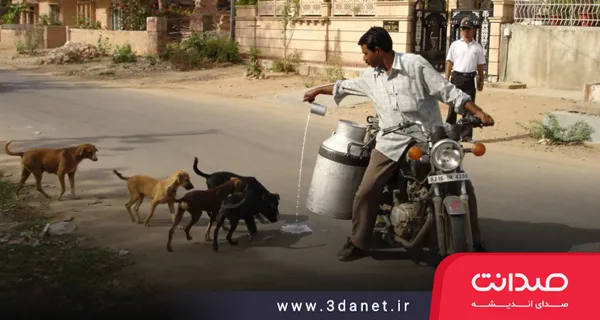
In many places, specific locations are set up (i.e., feeding stations) so that roaming dogs can access food for their continued survival, but ideally these stations should be located in safe places, away from traffic/busy streets, public places, and other locations that are intolerant of dogs (religious sites, schools, etc.). The type of food given to dogs varies based on culture, access to local foods, etc. Whatever the food is, it should be as rich a source of protein as possible. For example, in Thailand, a mixture of rice, chicken, and other food scraps (often from temple monks) is provided. Anti-flea and tick medication can also be added to the food, although this requires a degree of expertise to ensure the correct dosage is given to the dogs. Feeding stations should be protected from airflow (covered). Feeding stations can help identify dogs that are sick or injured, and those in need of sterilization. In Latin America, more specific feeding stations for dogs have been established: they require a degree of community acceptance, which can be achieved through education. Dogs that are fed will roam less, fight less, and be healthier.

An example of a feeding station
8- Some in Iran say that the principled and ethical methods of a population management program (including education, vaccination, and sterilization) are costly, cumbersome, and slow to yield results, and that we can achieve results faster and cheaper through shortcut methods like direct physical elimination. Do such measures work?
Trapping and removal is common because people mistakenly believe it will solve the problem. While this approach may seem quick, easy, and inexpensive, it will never address the root cause of why the dogs are there in the first place. Typically, this approach only removes dogs that are easy to catch, socialized, and handleable (often vaccinated), leaving behind the less socialized dogs and those that are harder to catch, which are usually the unvaccinated ones. This effectively undermines any effort to control rabies. Furthermore, selectively removing dogs simply creates a vacuum for other dogs to migrate into. Time and again, this approach has been proven ineffective and, in fact, entirely counterproductive, potentially actually increasing the number of dogs over time.
9- Are principled and humane methods of dog population management feasible in developing countries like Iran?
Many low-income countries have successfully curbed roaming animal overpopulation using ethical dog population management approaches. I cannot speak specifically about Iran as I am not familiar with the approaches taken, but if Iran uses culling and inhumane methods, it is not the only country that does so. The successful implementation of dog population management/sterilization programs often requires an effective animal welfare NGO-government partnership, and the presence of veterinarians trained in high-volume sterilization techniques. If such training is not available, it would not be surprising if the surgical sterilization approach is not considered.
10- Given that Iran has never had a dog population management program, what advice or suggestions do you have for Iranians?
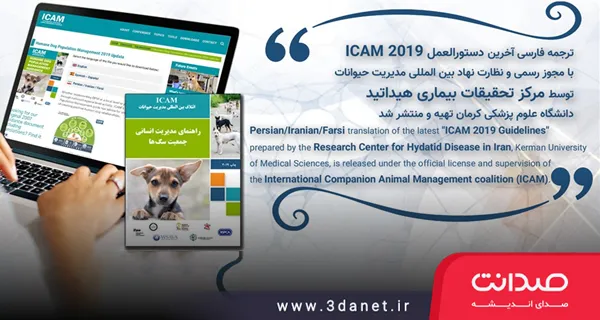
A good place to start is using the International Companion Animal Management (ICAM) guidelines, which provide a reference framework for managing roaming animals. I encourage interested individuals in Iran to contact NGOs that have decades of experience providing guidance, expertise, training, and often funding to initiate and implement dog population management projects. World Animal Protection, FOUR PAWS, Dogs Trust, Mayhew (which operates in your neighboring country, Afghanistan) are good places to start.
Good luck!!
Katherine Polak
Head of Stray Animal Care – Southeast Asia
FOUR PAWS International
Bangkok, Thailand
.
.
[1] Bögel, K., Frucht, K., Drysdale, G., & Remfry, J. (1990). Guidelines for dog population management. In Guidelines for dog population management (pp. 116-116).
[2] Code, OIE Terrestrial Animal Heath. "Chapter 7.7. Stray dog population control." Terrestrial Animal Health Code (2016).
[3] icam coalition (2019), humane dog population management guidance
[4] Code, OIE Terrestrial Animal Heath. "Chapter 7.1. Introduction to the recommendations for animal welfare." Terrestrial Animal Health Code (2016).
.
.


Discussion1 comments
از آقای طباطبایی بابت انجام این مصاحبه و ارائه اطلاعات موثق و به روز سپاسگزاریم.