Lecture
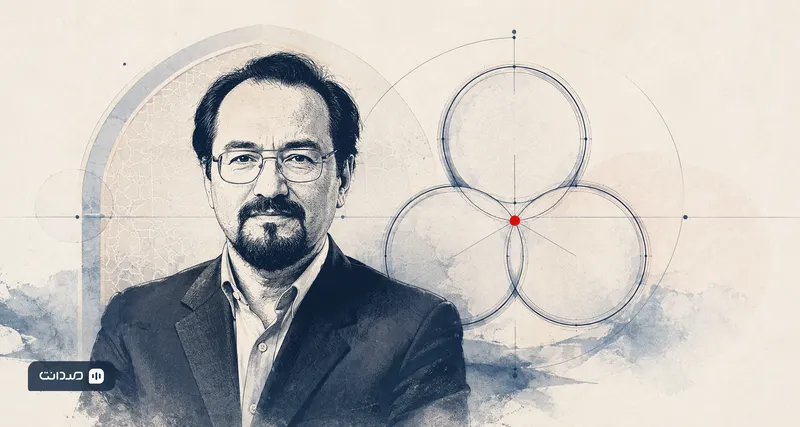
Old Logic and New Logic; A Lecture by Zia Movahed
In this lecture, Zia Movahed addresses the relationship between old logic and new logic. His discussion serves as an introduction to understanding the difference between Aristotelian logic and modern logic, and the significance of the transformation of logic in philosophy, language, and contemporary thought.
About this video
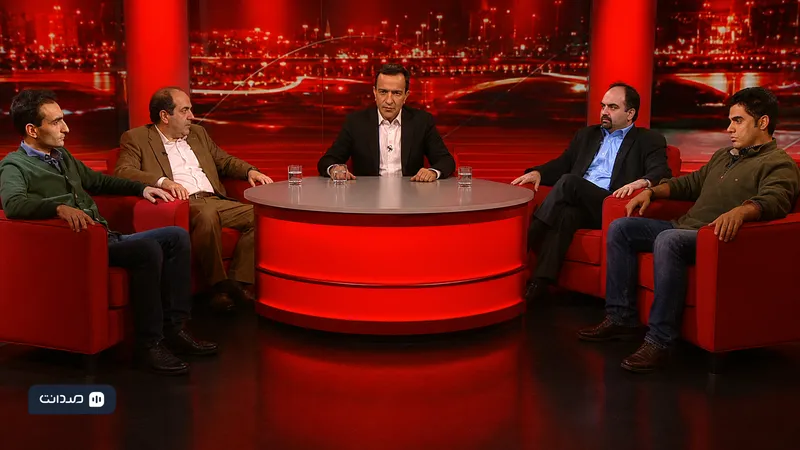
This video is a lecture by Dr. Zia Movahed on the subject of "Old Logic and New Logic," delivered on May 6, 2001, at the University of Tehran. Movahed, a well-known figure in analytic philosophy, logic, and Persian poetry, addresses in this lecture one of the most fundamental transformations in the history of thought: the transition from traditional logic to modern logic.
The central focus of the discussion is the difference between old logic, particularly the Aristotelian and syllogism-centered tradition, and modern logic; a logic that, with its more precise formulation of propositions, relations, quantifiers, and the structure of argument, opened a new horizon for philosophy, mathematics, linguistics, and conceptual analysis. From this perspective, logic is not merely a tool for correct reasoning, but a language for clarifying the structure of thought and the relationship between language and meaning.
The importance of this lecture lies in its linking of a specialized subject to a more general question: how do our intellectual tools change throughout history, and what effect does this change have on our understanding of science, philosophy, and language? Comparing old logic and new logic is a way to see the boundaries of past intellectual tradition and the possibilities of analytic thinking in the contemporary world.
This video is suitable for those interested in philosophy, logic, analytic philosophy, the history of thought, language, and the relationship between tradition and modernity.