Philosophy
Lectures on “Analytic Philosophy: A Survey of Topics” by Mahmoud Khatami
In his lecture series 'Analytic Philosophy', Mahmoud Khatami examines this school through the three axes of meaning, truth, and justification; a course covering its background, major theories, and a comparative study with other schools.
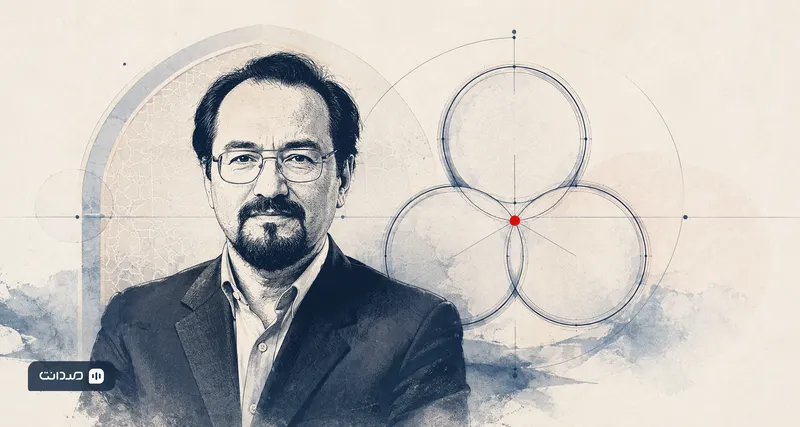
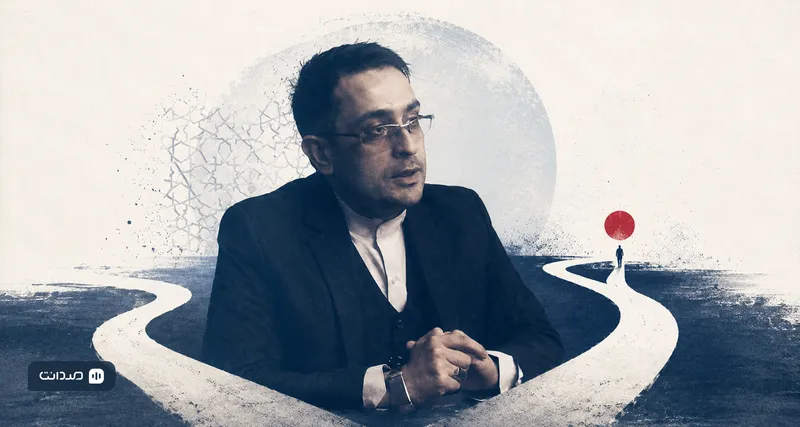
Mahmoud Khatami
InstructorAnalytic philosophy is one of the important and dynamic currents in Western philosophy. From its inception to the present day, this philosophical school has passed through various stages and developments. There are several ways to review a philosophical school, one of which is to examine its key issues and topics. In the upcoming lecture series, a review of the analytic philosophical school is conducted based on three central themes: meaning, truth, and justification, and under each theme, important theories within this philosophical school are mentioned. Throughout the discussions, many comparative examinations between analytic philosophy and other philosophies are also presented.
.
.
Session One
Audio | Text
Topics covered:
1- Three central problems of analytic philosophy 2- The background of analytic philosophy and factors influencing its emergence 1. Medieval Nominalism: 2. The rise of modern empirical science: 3. The ideas of Hobbes: 4. Seventeenth-century empiricism: 5. Kant's epistemological foundation: 3- Characteristics of analytic philosophy: 1. Being critical and critique-oriented: 2. Being methodological: 3. The fragmentation of philosophy:
In analytic philosophy, philosophy becomes divided into parts and pieces; there is no longer any trace of the grand visions of Heidegger or Mulla Sadra, and you can be a specialist in one area while having little or no knowledge of other areas. As Lyotard says in The Postmodern Condition, science in our time has become so specialized that ignorance emerges from within it. The same can be said of analytic philosophy, and it seems that the human and ethical issues that were always central to philosophy have been lost. It is in line with this ideal that Kant's certainty is scientific certainty. He seeks to make metaphysics scientific. Or Hume wants to formulate ethics like Newtonian physics. The certainty of modernity is fundamentally scientific. If the rival of philosophy in the Middle Ages was religion, in modernity it is science.
.
.
Session Two
Audio | Text
Topics covered:
Theories of Meaning Referential theory: 1- The issue of propositions 1. The theory of Frege and Russell 2. The theory of the early Wittgenstein 3. Three concluding points on the early Wittgenstein 1. Kant and Wittgenstein: 2. The relationship between the power of judgment and logical empiricism: 3. The difference between belief and knowledge: 4. The centrality of language in the two periods of Wittgenstein's theory:
The early Wittgenstein is the Kant of the twentieth century, in two respects: 1- The way his discussion is critical and has delineated the limits of theoretical reason, practical reason, understanding, and cognitive faculties. 2- Like Kant, by determining the limits of knowledge, he considers what lies beyond it as the realm of mystery. This is similar to Kant's noumenal world and includes ethical, artistic, religious, etc. propositions.
.
.
Session Three
Audio | Text
Topics covered:
1- Theory of Reference 1. Wittgenstein and Logical Positivism 2. The Theory of Reference concerning Proper Names 2- Theory of Use The Application of the Theory of Use in the Humanities 3- Theory of the Indeterminacy of Meaning 1. Principles of Quine's Theory 2. Quine's Theory of Meaning
Excerpt from the session In his later period, Wittgenstein becomes a pluralist and does not accept a single structure of rationality and language. And anyone can play in different language games. It is the same in cultural scenes, and some have also proposed this theory in the history of cultures. And based on it, they have genealogized cultural interaction and plurality. Religious rituals can also be explained according to this theory. Postmodernists are very interested in Wittgenstein's language games; for example, Deleuze and Lyotard, who are non-Heideggerians, adore the later Wittgenstein. Or, for instance, Winch, influenced by this theory, raises discussions about culture, language, and the social sciences. Wittgenstein himself, in his later period, intensely hated the classical view of culture and language.
.
.
Session Four
Audio | Text
Topics covered:
1- Theory of the Indeterminacy of Meaning 1. The Position of the Radical Translator 2. Semantic Holism 2- Semantic Theory 1. The Distinction between Formal and Natural Language 2. The Denial of Meaning Excerpt from the session According to proponents of the semantic theory, there is no such thing as meaning, and what is called meaning is truth conditions. The fulfillment of conditions in a proposition constitutes its meaningfulness. In other words, meaning is truth; if a proposition is meaningful, at the moment of its utterance, you have acknowledged its truth. That is, because it is true, it is meaningful, not that because it is meaningful, it is true. This statement also pertains to the distinction made regarding language. Proponents of the semantic theory hold that because formal language is implicit in natural language, it causes confusion, and some characteristics of formal language, such as meaning, truth, and falsehood, are mistakenly attributed to natural language. Meaningfulness, as previously stated, relates to truth conditions.
.
.
Session Five
Audio | Text
Theories of Truth 1- Correspondence Theory 1. The Difference between Traditional and Modern Correspondence 2. Types of Correspondence 3. A Major Objection to Complete Correspondence and Responses to It 2- Coherentism 1. Components of Coherentism 2. Types of Coherentism
A major objection to the complete correspondence theory is this: when you say a proposition corresponds completely to reality, how have you ascertained that what was in your mind is exactly what is in the external world? There are two possibilities: either you must adopt the stance of an omniscient God and declare that correspondence holds, or you must provide a reason and evidence for the correspondence, which itself takes the form of a proposition, thereby reintroducing the question of correspondence and leading to an infinite regress. Naturally, appealing to intellectual intuition is not acceptable to this theory, and there is no escape: one must either believe in intellectual intuition, knowledge by presence, and so on, or resort to God and the prophet, as Descartes articulated.
.
.
Session Six
Audio | Text
Continuation of the discussion on theories of truth 1- Pragmatism 2- Conventionalism Theories of Justification 1- Epistemological Issues 1. The Gettier Problem 2. Responses to the Gettier Problem 2- Classifications of Theories of Justification 1. Internalism and Externalism: 2. According to the Criterion of Justification: 1- The Causal Theory: 2- Comprehensive Reasons: Defeasibility: Evidentialism:
The theory of pragmatism, aside from being a criterion for truth, is, on a larger scale, an American philosophical school and the main current of American culture and education. In pragmatism, the criterion for truth is that the practical result of that knowledge is beneficial and effective. This is a common idea among all pragmatists, who consider utility and benefit as the regulators of propositions. In this theory, since there is no reality-in-itself, every true proposition is, depending on circumstances, open and subject to change.
.
.
Session Seven
Audio | Text
Topics discussed: Coherentism and Foundationalism 1- Foundationalism and its Problems 1. Criteria for a Belief Being Basic 2. The Nature of Basic Belief 3. The Relation between Basic and Non-Basic Beliefs 1. Generative and Non-Generative 2. Inferential and Non-Inferential 3. The Meaning of the Causal Condition 4. Two Accounts: Epistemic and Moderate 5. Objections to the Epistemic Approach 6. The Difference between the Epistemic and Moderate Approaches
Regarding the nature of basic belief, two major theories have been proposed: 1- Logical nature, 2- Psychological nature. If we hold that being basic is established by a criterion, we have adopted the logical aspect, and if we hold that being basic has no specific objective criterion but rather a psychological and internal aspect, like Descartes, we have adopted the second theory. In this context, moderate foundationalism, however, does not consider basic beliefs to be indubitable and adopts more liberal criteria for being basic.
.
.
Session Eight
Audio | Text
1- The problem of other minds in epistemology 2- Descartes' answer to the problem of other minds and its critique 3- Wittgenstein's critique of the reasoning of those who believe in the existence of other minds 4- Two major problems with the non-provability of other minds 5- Wittgenstein's approach to answering the aforementioned problems
Overcoming skepticism requires accepting other minds, meaning there are knowledges that are justifiable for everyone, and this requires that the mechanisms of minds be identical to one another. Contemporary epistemology is fundamentally based on the purpose that the human mind has a single logical structure that can logically reach a single conclusion from shared beliefs. In other words, foundationalism accepts the possibility of knowledge and seeks to make knowledge a belief accessible to everyone. The danger of solipsism is also that, in this case, the human being becomes like a Leibnizian monad. Enclosed within itself, only reasoning by analogy occurs, and one remains a Cartesian personal self and a Leibnizian monad. I see everything from my own perspective.
.
.
Session Nine
Audio | Text
Topics covered:
1- Coherentism in justification 2- Components of coherentism in justification 3- The basis of justification in coherentism 4- Two versions of coherentism 5- Some merits of coherentism 6- Problems with coherentism and responses to them
From the coherentist perspective, the human mind has a coherentist structure, and they say all philosophers throughout history are coherentists. But the historical reality is that philosophers throughout history have been foundationalists. Coherentists also view foundationalism in a coherentist manner and consider the noumenon within a set of foundationalist propositions. In other words, in coherentism, by considering the noumenon as a coherentist component, the element of disclosure in epistemic theories will no longer exist, and the concept of error also becomes different. And error is the consideration of one set of coherent theories based on another set of coherent theories. We are merely faced with equivalent sets among which we must make a choice.
.
.
Session Ten
Audio | Text
1- Two points 1. The criterion of consistency in coherentism: 2. The distinction between the ontological and epistemological aspects: 2- Continuation of problems with coherentism 1. Subject-centeredness and opposition to realism 2. The coherentists' response to the problem of subject-centeredness and opposition to realism 3. The problem of infinite regress and the coherentists' response
The criterion of consistency in coherentism is based on general agreement. Since coherentists are philosophers of modernity, in the domain of epistemology they hold that there is a single structure for the human mind, a point Descartes explicitly affirms. In other words, coherentism does not mean that everyone has their own epistemic system, and knowledge is not at all individual; rather, knowledge has meaning within the interrelation of human persons. Otherwise, it does not leave the realm of belief. When you say you have scientific knowledge, it means your belief is within a consistent set that others also accept as consistent within this set. In fact, intersubjectivity is taken into account in coherentism, and justification essentially becomes necessary in response to the demands of others.
.
.
Session Eleven
Audio | Text
Topics covered:
1- Components of coherentism 2- The relation between justification and truth 3- Examination and critique of the theory of deconstructionism 4- Critique and examination of the method of analytic philosophy
Epistemology is fundamentally a critical stance and has a Kantian basis. After Kant, some, such as Nietzsche, Heidegger, and Gadamer, essentially moved beyond epistemology, and especially an epistemology detached from ontology, while others committed themselves to a non-critical epistemology, of whom Polanyi is one. In Polanyi's non-critical approach, knowledge pertains to practical aspects, and with the existential character of this theory, this process of reconstruction, insofar as it is part of our cognitive faculties, is considered involuntary. In his philosophy, Polanyi adopted a specific theory in epistemology, which is the idea of epistemic reconstruction. This theory, with borrowings from Heideggerian phenomenology, considers cognitive structures to be subordinate to existential transformations. And it holds that our cognitive apparatus is constantly, in an existential manner, reconstructing our knowledge.
.
.
Lectures on “Analytic Philosophy: A Survey of Topics”
Dr. Mahmoud Khatami | University of Tehran | 2004
Mahmoud Khatami's Telegram Channel
.
.

Discussion24 comments
سلام. اصلا در این موقعیت کوچکترین اهمیتی نداره چه کسی با چه سابقه ای که بر اساس گفته برخی سابق غیر اخلاقی این درسگفتار رو تدریس میکنه. شما زندگینامه فیلسوفها رو بخونید. با این حساب برخی از اونها رو باید از دایره مطالعاتی تون خارج کنید. برای من در حال حاضر فقط یک چیز اهمیت داره و اون هم اینه که بعد از کلاس دست پر میام بیرون. متوجه میشم درس رو. سپاسگذار ایشون هم هستم که وظیفه معلمی رو انقدر شایسته و بایسته ایفا میکنند.
درسگفتارهای دکتر محمود خاتمی حقیقا قابل استفاده هستن
باسمه تعالی سلام خدمت شما ، لطف بفرمایید درسگفتار فلسفه دکارت استاد محمود خاتمی را در سایت قرار دهید .
مشاجرات ، دعواها، و بعضا توهین های بیرحمانه (کلمه مناسب را نمی شود بکار برد) فلاسفه بر سر جایگاه ، شهرت، و رقابت غیر اخلاقی بریا پیشرو بودن در مشاعره فلسفه تحلیلی و تولید speculation های بی حد و حصر و خیال پردازانه cntinental philosophy واقعیت ماهیت کاری فلاسفه ایرانی است. فیلسوفی که دین را که مهر عطوفت عفو و گذشت اصل اول اش هست را قبول ندارند به آبروی آکادمیک یکدیگر رحم نمیکنند.اگر پیچیدگی فلسفه اشان را نمی فهمی به واقعیت درونشان از طریق نگاه به شدت حمله ها به آبروی دکتر خاتمی پی ببر.
بعنوان یک متخصص عاوم پایه پزشکی که اشنایی چندانی به فلسفه ندارد درسگفتارعای صوتی ایشان را گوش میدهم وسعت اطلاعات توام با متانت و شیوایی کلام ایشان براستی برایم حیرت انگیز است
کتاب تقریرات ایشان که مدخلی بر فلسفه غرب است از بهترین کتابهاست ک از سخنرانی های ایشان استفاده کرد.این کتاب به بیشتر موضوعات فلسفه غرب اشاره داشته و برای دوره کارشناسی مرجع خوبی است
تسلط به مطالب تواضع و دانش استاد خاتمی قابل تقدیر است و چیزی از ارزشهای علمی استاد کم نمیشود بنده افتخار شاگردی ایشان را داشتم تماما سعی ایشان بر ارائه مطالب و ورودی به فلسفه غرب و مکاتب آن به نحو بسیار زیبا و با بیانی فوق العاده قابل فهم برای همگان بود و ازطرح هیچ سوالی هراسی نداشت
سلام کیفیت صدا خیلی پایینه ممنون می شوم یک درسگفتار با کیفیت خوب در زمینه فلسفه تحلیلی قرار بدهید. ممنون
کیفیت صدا خیلی پایین است و متن ها باز نمی شود. ممنون میشم اگر امکان اصلاح هست ، اصلاح کنید
تعظیم به استادبزرگ و بزرگوار دکتر خاتمی. ممنونیم از بابت کتابهای شاهکاری که با عنوان مدخل فلسفه در این یکی دوسال منتشر کرده اید. هر کدام نابتر از دیگری. فلسفه ممتیک و فلسف تکامل و فلسفه تطبیقی را خواندم حظ کردم. سلامت باشید استاد و پاینده بوجودتون افتخار می کنم. کاش فرصت انتشار این درسگفتارها را هم پیدا کنید. http://mahmoudkhatami.blogfa.com/
حقیر حتی معنای کلمه انتحال را هم نمی دانم هرچند مطول خوانده ام فقط بگویید ادامه این درس گفتار را کجا می توان پیدا کرد رحم الله مرء شغلتها عیوب نفسه من عیوب غیره
ایشون بارها متهم به دزدی وتقلب از کارهای دیگران شده اند . نباید نمی دانم چرا از نشر آثار ایشان جلوگیری نمی شود http://www.magiran.com/npview.asp?ID=3065275
من با هدست هم نمی تونم اینو گوش کنم . کیفیت صوت افتضاحه افتضاح
دستتون درد نکنه. مدتها بود دنبال یک همچین درس شسته رفته می گشتم. خدا وجود استاد خاتمی را برای فلسفه ایران حفظ کنه. چشم حسوداشم کور
سلام این همه میلاد و منوچهر صغرا و کبرا چیدند و سعی کردند مستدل و محترمانه نظرات و آراء خود را اندر باب موضوعی بگویند؛ هر کس دوستار دیدگاهی است. بعد شما در انتها ـ به خیال خود ـ تیر آخر را زده و اظهار می کنید "چشم حسوداشم کور" قربانت گردم شما مخاطب یک سایت فلسفی / فرهنگی هستی نه کامنت گذار کانال شاهرخ خان و مهران مدیری. بنیاد داری سخن کن و حرف ـ به راه ـ بزن. ندار ی / یم، خاموشی پیشه کردن و گوش دادن، به افزایش وزن ذهنی / زبانی مان کمک می کند.
جناب منوچهر، 1) ربط سخنان شما درباره مطلق گرایی را با بحث فعلی متوجه نمی شوم. بله، دروغ در هر شرایطی بد نیست. شاید با دروغ بتوان جان انسانی را نجات داد. در این صورت دروغ بایسته است. در شرایطی هم ممکن است انتحال لازم باشد، وقتی که فی المثل ترک انتحال در تزاحم با امر اخلاقی مهمتری قرار گیرد. حالا شما بفرمایید آن چه امر اخلاقی مهمتری بوده است که انتحال آقای خاتمی را مجاز کرده است؟ اکر او مرتکب تقلب نمی شد چه ثلمه ای در عالم اخلاق بروز می کرد؟ بله، اگر او تقلب نمی کرد بخشی از شهرت و امتیازات دانشگاهی را به دست نمی آورد. اما کدام تئوری اخلاقی مجاز می داند که کسی برای کسب شهرت و مانند آن به تقلبی با این گستردگی دست یازد؟ چرا سرمان را در برف فرو ببریم و توجیهات عجیب و غریب بتراشیم؟ متاسفانه شاخکهای اخلاقی در جامعه ما از صدر گرفته تا ذیل کرخت و بدون حساسیت شده اند. دست کم از صدانت و خوانندگان آن انتظار چنین کرختی ای نمی رود. اگر اندکی از حساسیتی که محافل آکادمیک معتبر دنیا به امر انتحال دارند در جامعه ما (اعم از اولیای دانشگاه و اساتید و دانشجویان و مجلات و سایتها و خوانندگان) نیز وجود می داشت این وضعیت پلشت امتداد نمی یافت. 2) اگر کمی تامل کنید تناقضی در سخن من نیست. ما در اینجا در ظاهر با یک مورد تزاحم اخلاقی مواجهیم. از سویی، خوب است از هر مطلب مفیدی استفاده شود، و از سوی دیگر باید شرافت علمی را پاس داشت. اما این تزاحم را به راحتی می توان حل کرد. ما که با قحطی متون در فلسفه تحلیلی دچار نیستیم که بخواهیم چنین فردی را ترویج کنیم، و حتی آدرس کانال او را تبلیغ کنیم. بگذریم از اینکه واقعا معلوم نیست این درسها چقدر اتقان دارد. 3) بنده نیز از عزیزان صدانت سپاسگزارم. ولی در جای خود از ایشان ناصحانه انتقاد دارم. واقعا اعتبار سایت با گذاشتن این درسها مخدوش می شود.
ببینید جناب میلاد ! 1- من در بحث فلسفه اخلاق " مطلق گرا " هستم ولی نه از نوع کانتی . یعنی چی ؟ یعنی به تعبیر دکتر سروش تنها امر مطلق اخلاقی اینست که " باید اخلاقی بود " ، ولی به هیچ وجه نمیتوان تعیین مصداق کرد . هیچکس نمیتواند بگوید "قتل " همیشه بد است ، دروغ همیشه بد است ، انتحال همیشه بد است ، و قس علیهذا . این که چه عملی " خوب " است وابسته است به کانتکست عینی ( شرایط ) ، نیت فاعل و غیره . این تعیین تکلیف بنده است با ورود فلسفی به ماجرا . 2- به نظر من باید بین خطای حقوقی و خطای اخلاقی ( روانشناختی ) فرق قائل شد . مثلا اگر بالفرض امکان بررسی روانشناختی افعال میسر بود، اساسا بسیاری از قضاوتها تغییر میکرد . 3- شما متناقض صحبت میکنید. از یکطرف میگویید " مسلم است که مطلب خوب از هر کسی قابل استفاده است. و مسلم است که به دلیل معایب یک شخص نباید محاسن او را نادیده گرفت" . و از طرف دیگر میگویید : " ز سایت صدانت انتظار می رود که حتی الامکان در ترویج اخلاق و شرافت علمی بکوشد " . ایراد شما - غیر از تناقض - اینست که گمان میکنید ترویج شرافت علمی یعنی دنیا را سیاه و سفید دیدن ، یعنی انسانها را یک چیز یکپارچه دیدن . حال انکه خطای شما اظهر من الشمس است . انسانها واجد ساحات و صفات گوناگونند . 4 - ما بلحاظ غنای تولیدات فلسفی ( علی الخصوص درسگفتارهای صوتی ) وضع خوبی نداریم . یعنی اینجوری نیست که شکم سیرانه بر طبل نفی و نهی بکوبیم . 5- سایت صدانت عزیر کارش درست تر از این حرفهاست .این عزیزان بی هیچ مزد و منتی ، خود را وقف جامعه کرده اند . چه بسیار شده که به واسطه مقاله یا صوتی که صدانت منتشر کرده دفع ملال کرده و اوقاتم فرحناک شده . بنابراین ننویسید : "امیدوارم مسئولان سایت جبران کنند " . ما تا همین جا هم شرمنده هستیم . از دست و زبان که برآید / کز عهده شکرش به در آید .
جناب منوچهر، نمی دانم منظور شما از اینکه «به راحتی درباره دیگران قضاوت می کنیم» چیست. تقلب آقای خاتمی کاملا محرز و مسلم است، تا جایی که مجله ارگانون اف مقاله ایشان را از سایت خود حذف کرد و توضیحاتی درباره آن ارائه کرد. موارد مفصل و محرز دیگری هم وجود دارد که اگر حوصله داشته باشید با یک جستجوی ساده می توانید از آن گاه شوید (اگر هم حوصله نداشتید لینک آنها را همین جا برایتان می گذارم). در این چند سال هم هیچ توجیه یا توضیحی از جانب اقای خاتمی در این باره ارائه نشد. انتحال آن قدر واضح و گسترده است که جای هیچ توجیهی را باقی نمی گذارد. اصلا همه اینها به کنار. تقلب ایشان از جانب کمیته دانشگاه تهران هم محرز تشخیص داده شد، و جریمه ای هم بابت این امر برای ایشان در نظر گرفتند (از جمله یک سال ممنوعیت از تدریس). اگر از این هم اطلاع ندارید از دانشجویان فلسفه دانشگاه تهران بپرسید. البته مجازاتی که برای آقای خاتمی در نظر گرفتند هیچ تناسبی با میزان تقلب وی ندارد. ولی به هر حال دانشگاه تهران هم اصل قضیه را پذیرفت. برویم سراغ شقایق و گودرز. قیاس فساد مالیِ فیلسوفی در قرن شانزدهم با تقلب علمی بسیار گسترده فیلسوف حی و حاضری که حتی حاضر به عذرخواهی نیست، قیاسی کاملا مع الفارق است. نخستین مطلبی که فیلسوف با رفتار خود باید آموزش دهد شرافت علمی است، که آقای خاتمی به شدیدترین وجهی آن را مخدوش کرد. مسلم است که مطلب خوب از هر کسی قابل استفاده است. و مسلم است که به دلیل معایب یک شخص نباید محاسن او را نادیده گرفت. ولی حرف من چیز دیگری است: از سایت صدانت انتظار می رود که حتی الامکان در ترویج اخلاق و شرافت علمی بکوشد. با وجود این تقلب های عجیب و گسترده، و امتناع از یک عذرخواهی خشک و خالی، گذاشتن لینک کانال تلگرامی «استاد دکتر محمود خاتمی» (!!!) عملا به سخره گرفتن شرافت علمی است. امیدوارم مسئولان سایت جبران کنند.
اوم ممنون بابت حرفات رفتم سرچ کردم و بررسی کمی کردم واقعا ایشون مهم اند و باید کتاب و اثارشون را مطالعه کنم و حرفتون را خلاف واقع یافتم هیچ چیز مثل یک مخالف سرسخت نمیتونه ادم را وادار به تحقیق کنه جالبه اخرش نوشتید امیدوارم مسئولین سایت جبران کنند
خیلی عجیبه که اولا به راحتی در مورد دیگران قضاوت میکنیم . و عجیبت تر اینه که بدون هیچ ارتباط منطقی ای ، شقایق و گودرز را به هم ربط میدهیم . به ما چه مربوط که فرانسیس بیکن متهم ( و یا مرتکب ) به فساد مالی بود ؟ ما ارغنون نوی او را میخوانیم و بهره خویش میگیریم . بقول معروف لاتنظر من قال ، انظر الی ما قال . نکته اخر اینکه اگر اقای خاتمی حتا یک کتاب خوب نوشته یا ترجمه کرده بود ، ما تا قیام قیامت به او مدیونیم . دنیا را سیاه و سفید نبینیم . هر کسی محاسنی دارد و معایبی . افراد معصوم و اینها قصه های کلثوم ننه است . شخصا از جناب محمود خاتمی تشکر و سپاس دارم . و ارزوی طول عمر ، سلامتی برای ایشان دارم.
شما که در مورد دیگران اینقدر سخت گیر و بیرحمانه قضاوت می کردید یکدفعه اینقدر با گذشت شدید؟انتحال در مورد دیگری حکم قصاص نفس می گیرد و در موردی دیگر اشکال ندارد! با احترام بسیار برای دکتر خاتمی
ممنون از "اين" پاسخ به "آن" ايراد. جناب خاتمي حقيقتاً استادند. شخصا و قلباً خود مديون آموزشهاي ايشان مي دانم و براي ايشان آرزوي موفقيت دارم. سايه ي چنين اساتيدي بر سر مردم ايران خصوصا جوانان گسترده و مستدام باد. اميدوارم كسي ببهانه ها و معاذيري از مباحثي كه در دروس دكتر خاتمي مطرح مي شود و داراي اهميت زيادي است محروم نشود.
خیلی عجیبه که درسهای آقای خاتمی را با اون سوابق انتحال و تقلب گسترده اینجا گذاشته اید. آقای خاتمی حتی یک عذرخواهی مختصر هم نکرد. با این کار اعتبار سایت مخدوش می شود.
جناب میلاد این درسگفتارها هنوز یکی از بهترین منابع برای ورود به فلسفه ی هایدگر است. این که استادی در مقاله اش رفرنس نداده باشد (یا حتی کپی کرده باشد) در تناقض با کامل و جامع بودن درسگفتارهایش نیست.