Philosophy
“What Is Enlightenment?” Lectures by Reza Yaghoubi
Kant defined enlightenment as 'emergence from self-incurred immaturity' and the courage to use one's own understanding. Reza Yaghoubi's six-session lecture series explicates this essay, addressing the transition from traditional to democratic societies, the prerequisites of freedom, and the political and intellectual concerns of Iranians.
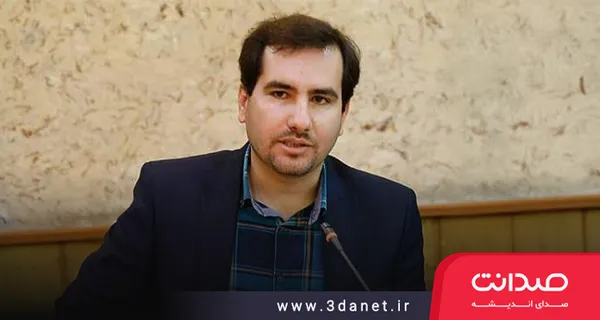
In 1783, when the name of enlightenment was on everyone's lips, a proposal was put forward to abolish religious marriage. A pastor named Friedrich Zöllner, agitated by this proposal, wrote a piece titled “What Is Enlightenment?” in which he complained about excesses committed in the name of enlightenment and called for an answer to this question. The atmosphere of that time can be compared to the atmosphere of traditional societies when the name of freedom becomes current within them without a precise and specific definition, arousing the concern of religious and traditional strata. In a short essay titled “What Is Enlightenment? Answering a Question,” Immanuel Kant tried to answer this question and expressed famous sentences in it that are quoted from him everywhere today: “Enlightenment is man's emergence from his self-incurred immaturity” and “The motto of enlightenment is: Have courage to use your own understanding!” The “What Is Enlightenment?” lectures, held at the Philosophy Association of the University of Isfahan, contain an exposition and “elaboration” of Kant's words in this essay, along with tangential questions about democracy, freedom, civil rights, and democratic society. These six sessions, held in February and March 2024, contain points about Kant's life and times, the atmosphere of the Enlightenment, the structure of European societies of that era, the growth of democracy, the current political and intellectual problems and dilemmas of Iranians, the requirements of political and civil freedom and freedom of thought and expression, and an explication of the text of the essay. The Enlightenment movement is a clear example and model of the transition of traditional societies to free democratic societies, which can always be useful and instructive for societies in transition.
.
.
Session One
.
Session Two
.
Session Three
.
Session Four
.
Session Five
.
Session Six
.
.

Discussion0 comments
No comments yet; let yours be the first voice.