Philosophy
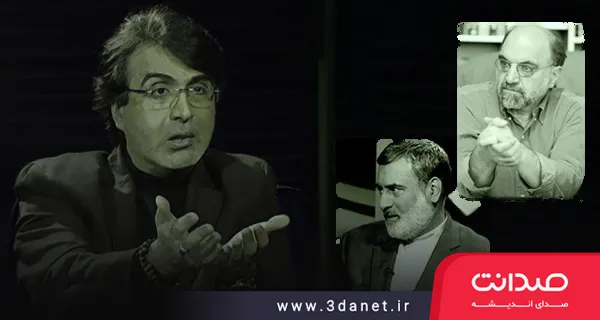
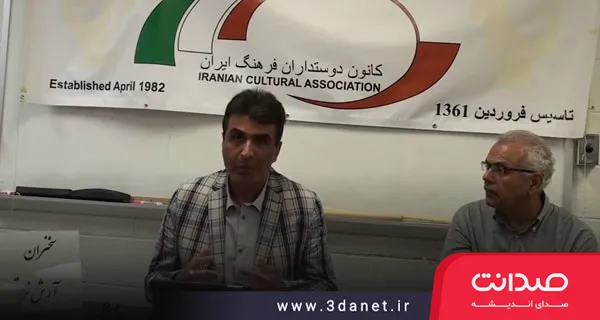
A Conversation between Asghar Zare’ Kahnemoui and Arash Naraghi
Arash Naraghi argues that moving from the generalities of human rights to concrete cases such as ethnic rights is essential, and describes religious intellectualism as successful in clarifying ethics but incapable of moralising society. He attributes its declining influence to the emigration of key figures and a rupture with the fabric of society.
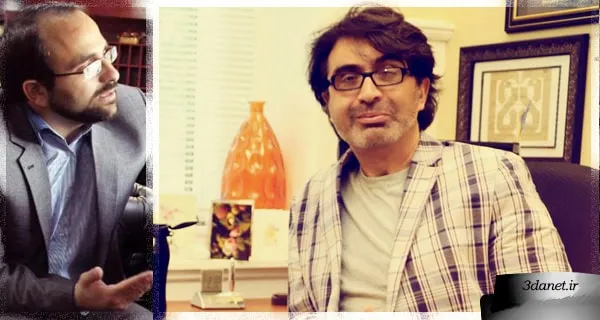
Asghar Zare’ Kahnemoui: Dr. Arash Naraghi can be considered the most audacious thinker of all the years in which the modern and humane thought of “human rights” has become the meta-discourse of political and intellectual circles; a discourse that even the most modernist intellectuals, in some respects, have either not reached a deep belief in it and deny it, or hold a caricatured view of its content. In the most optimistic scenario, a kind of grand cultural relativism governs the tendencies and narratives of our intellectuals regarding human rights. In this regard, Arash Naraghi is a thinker who strives, in a stark manner, outside the frameworks governing intellectual convention, to move beyond discussing the general concept of human rights and delve into its instances one by one. To evaluate the record of religious intellectualism, a conversation with Arash Naraghi, as the most active representative of this school of thought in the field of human rights, can be very beneficial. In this conversation, this philosopher of religion, while analytically defending the record of religious intellectualism in explaining religious theory and making fundamental human rights acceptable, addresses its challenges and weaknesses in defining instances. In the final part of the conversation, he provides answers to questions concerning one of the most fundamental instances of human rights, namely the rights of ethnic groups. In this regard, he speaks of the theories of new philosophers of human rights and, in addition to individual rights, considers collective rights as also falling under human rights, and regards the rights of ethnic groups under these rights as requisites of a just democracy. He says; if some do not accept the rights of ethnicities, they fundamentally do not believe in human rights. His solution for resolving ethnic conflicts is critical dialogue, acceptance of mutual rights, and avoidance of an emotional and irrational atmosphere. Naraghi also strongly complains about the indifference of the power structure and the intellectual community towards the rights of ethnicities.
Five years ago, you spoke of the lethargy of religious intellectualism and, while criticizing the political aspects of religious intellectualism, emphasized the necessity of redefining this type of intellectualism. You said; now the time has come for our religious intellectuals to expend their intellectual efforts more on ethics than on politics. Has this happened? How do you evaluate the ethical-thinking record of religious intellectualism? Has religious intellectualism been able to go beyond the political aspect that some currents also fueled, to explicate and formulate its own ethical school?
- In my view, the political aspect of religious intellectualism is, to a large extent, inevitable; because in our society, particularly after the Islamic Revolution, religion has become intertwined with the matter of power and plays a more prominent role in the arena of the state and government. Under these conditions, any reformist stance towards religion can find political import and translation, and provoke some to opposition or agreement. Therefore, it is natural that the project of religious intellectualism, sooner or later, comes into contact with politics. But my concern has been that the project of religious intellectualism might be entirely reduced to its political aspects; therefore, my intention was not to deny the political aspects of this project, which are undeniable and should not be denied. But at the same time, we must not forget that the ultimate goal of this project goes far beyond the realm of politics, and confining it to the sphere of politics distorts the nature of the project. For example, among the duties of religious intellectuals is to re-understand the relationship between religion and ethics, and to show the impact and consequences of this new understanding in the position of understanding religious sources and teachings. In my view, religious intellectualism has had relative success in this latter case. In the sense that religious intellectuals, alongside other thinkers in society, have succeeded in arousing at least a kind of sensitivity and attention to theoretical ethical issues in society. When I was in Iran, discussions related to the philosophy of ethics were, to a large extent, neglected and unknown, but fortunately today the philosophy of ethics is taught in universities, books are authored and translated in these fields, and research and teaching in this area has become the occupation of some scholars.
Is this sufficient? And a sign of the success of intellectualism in the field of ethics?
- In my view, insofar as our attention has been drawn to theoretical discussions of ethics and our minds have become familiar, at least to some extent, with certain ethical problems and subtleties, positive progress has occurred. But I am not sure that the relative reception of these theoretical discussions of ethics has necessarily led to society becoming more ethical. The moralization of society depends on numerous factors, and intellectual and theoretical work constitutes a small, albeit important, part of those factors. If we look at it from the angle of society's moralization, a large portion of the factors influencing the moralization of society lies outside the control of intellectuals (whether religious or non-religious). Of course, we should not overlook the fact that the religious intellectualism movement, although still an influential current in contemporary Iranian society, seems, for various reasons, to have diminished in its influence, even if temporarily. For example, one reason for this decrease in influence is that many influential figures of religious intellectualism have been forced to leave the country and have lost the possibility of direct, face-to-face communication with the younger generation and the developments and problems afflicting this generation. Of course, new communication technologies have greatly increased the possibilities for influencing and being influenced; but direct contact with the younger generation, learning from their experiences and familiarity with their existential situation, as well as writing, teaching, and learning within the fabric of society, and receiving direct criticism and opinions from the heart of society are important points whose significance and constructive, creativity-generating role cannot be ignored in any way. On the other hand, many religious intellectuals who have gone abroad have become engaged in other tasks that inevitably consume part of their time and intellectual and spiritual energy, and sometimes deprive them, to some extent, of the necessary psychological and mental focus for serious and concentrated scholarly work. Of course, living outside the country has also brought new possibilities for thinkers, which can be very useful in their own right. For example, expatriate thinkers become better acquainted with the type of scholarly work in educational and research environments with high global standards, and their horizons of vision and personal and scholarly experience have become much broader and more globalized, and freedom of thought and expression, as well as very easy access to numerous sources of knowledge and art, has made them more realistic and aware of their abilities and weaknesses, and in a sense, has increased their scholarly and cultural humility, and also, has provided them with a more suitable platform for interaction with thinkers from other parts of the world, and it is hoped that this experience will, in the long term, cultivate a generation of thinkers who think and live in a much more open and global manner than their predecessors.
Apart from this issue, it seems the contradiction inherent in the text of religious intellectualism is also involved here. Religious intellectualism, it appears, must, insofar as it is intellectualism, approach a secular ethical disposition, and insofar as it is religious, approach a religion-oriented ethical disposition. With which ethical school does religious intellectualism fundamentally have a greater affinity?
- I am not sure I fully grasp what you mean by “secular ethics” as opposed to “religious ethics.” According to my understanding of ethics, ethics is, in its essence, independent of religion and, in your terms, “secular.” In my view, a theory that holds the validity of moral judgments to be contingent upon the authority of religious sources and references is incorrect. In this sense, there is no such thing as religious ethics. However, within the framework of permissible ethics, religion can prescribe a specific ethical system to its followers in accordance with its particular purpose and end. This is analogous to how, within the framework of a healthy diet, you might adopt a specific diet suited to a particular goal you have in mind. For example, you might abstain from certain healthy and permissible foods and make other healthy and permissible foods obligatory for yourself. For instance, if you want to become a gymnastics champion, you must have a healthy diet that is not necessarily identical to the healthy diet of a wrestler. Both diets are healthy, but their content changes according to your goal. By the same analogy, ethics in the general sense is secular, and its validity is independent of religious sources. But within the framework of valid and permissible ethics, religion can organize its own specific system that is more commensurate with religious ends. In this sense, this ethics can be considered “religious ethics,” meaning an ethics that has a greater and deeper affinity with religious ends. In other words, if something is morally impermissible, it must necessarily also be considered impermissible from a religious perspective. But if it is morally permissible, it does not necessarily have to be considered permissible from a religious perspective. The condition for religion to be ethical is that religion does not declare any moral obligation as permitted or forbidden, nor declare any moral prohibition as permitted or obligatory. However, religion can, in accordance with its ends, declare some morally permissible matters as forbidden or obligatory. In my opinion, religious intellectuals must first clarify the permissible types of relations between religion and ethics and provide a framework for the creative exchange between these two realms, while preserving the reasonable identity and independence of both. But whether a certain matter is morally permissible or not, or whether performing a certain act is permissible from a religious perspective or not, and what the content of the “religious ethics” system (in the sense I explained) is, is more a task within the domain of ethics and theology, and it is the modernist theologians, and not necessarily the religious intellectuals, who should engage in the meticulous examination of these cases. In my view, there is an important distinction between the project of “religious intellectualism” and “modernist theology” that has unfortunately not received much attention. The work of the religious intellectual is fundamentally an intellectual endeavor, and their primary goal is the expansion and development of the project of modernity within the context of a religious society. But the work of the modernist theologian is fundamentally a theological endeavor, and its primary goal is the re-understanding, refinement, systematization, and continuous defense of religion; and in our time, the theologian must, of course, organize their religious work by taking into account the specific context of our era, which is modernity. In practice, these two projects have had many overlaps, but conceptually they are two independent and distinct projects. In the context of our discussion, I think the work of the religious intellectual is, at most, to clarify the relationship between religion and ethics in a precise and rationally defensible manner; but it is the task of the modernist theologian to organize an ethical system that is more commensurate with the ends of religion, is sensitive to the requirements of the religious life of modern humans, and more effectively helps the wayfarer on the path to attain an awareness of the presence of God.
We should discuss the modernist theologian separately; but, regarding the task you outlined for religious intellectualism in the field of ethics, in a general assessment, how defensible is the record of religious intellectualism in this area? Of course, individuals like Malekian and Fanai have conducted research activities in this regard.
- I think we need to clarify what we mean by "success." I once said somewhere that religious intellectualism has reached its perfection in one respect, and some people assumed I meant that religious intellectuals have done all the work and fulfilled all the duties they should have, and that there is no unfinished work left for them to do. This interpretation, I believe, is of course incorrect. What I meant was that religious intellectualism has been able to successfully offer a model within whose framework a reconciliation between modern life and religious life is possible. Religious intellectuals have shown us that it is possible for an individual to be a modern person committed to the foundations of modernity while also adhering to the core of their religious beliefs. If by "success" you mean this, then I believe this success has been achieved by religious intellectuals. That is, we now have a model at our disposal within whose framework the combination of the secular (for instance, secular and civil ethics) and the religious is possible. But if your meaning of "success" goes beyond this, and your question is whether, based on this proposed model, we have practically been able to reread religious thought and life in dialogue with the religious tradition in the realms of history, jurisprudence, exegesis, theology, and so on, and on this basis redefine and organize the structure and content of religious life on a new foundation, then in that case, I think we must acknowledge that there is a great deal of unfinished work. However, I believe the horizons of this project are open, and bringing this enormous burden to its destination is not the work of one or a few individuals, nor of one or a few generations. This process is moving forward, and although its movement seems slow, it appears steady. I have no reason beforehand to assess the future of this project as unsuccessful; on the contrary, I think its future horizons are open and promising.
What about in the realm of human rights? How can the record of religious intellectualism be evaluated in this regard? What share do human rights have in the various readings of religious intellectualism? You have said somewhere that in almost all the important branches of the religious intellectualism movement in post-revolutionary Iran, the issue of human rights has become an important and central issue. However, it seems that religious intellectualism has not provided fundamental answers to certain dimensions of human rights, such as women's rights, and in other areas, like the rights of ethnic groups, it has essentially remained silent. Apart from yourself, none of the representatives of religious intellectualism have addressed this category. If they have succeeded in the field of ethics, they have not had such success in the dimension of human rights.
- Muslims have had difficulties with human rights at various levels. A fundamental question has been whether the concept of human rights is, in principle, compatible with the understanding Muslims have of divine rights and the duties God has imposed upon human beings. That is, the concept of human rights appeared to be an alien notion, incompatible with religious thought and life, and therefore, the primary and initial question was the possibility of compatibility between these two domains. In my view, the main efforts of the principal body of religious intellectuals have so far been devoted to answering this question. Their endeavor has been to show, based on which understanding and interpretation of religion, Muslims can not only reconcile their religious thought and life with the requirements of human rights, but, moreover, why and for what reasons the observance of and respect for instances of human rights should be considered a necessary condition for a humane religiosity compatible with reason and morality. One of the most important efforts, such as the theory of Contraction and Expansion of Mr. Dr. Soroush, or the writings of Mr. Dr. Shabestari, or the positions found in the writings of Mr. Dr. Kadivar or the late Mr. Ghabel, falls under this very formulation of the problem, and even some of the more or less reformist efforts of the late Ayatollah Montazeri or Ayatollah Sanei can, to some extent, be considered in this direction. These efforts demonstrate, to a degree, that in the intellectual atmosphere of our society, firstly, the principle of the concept of human rights has gained relative respect and acceptance, at least among a significant portion of the society's intellectuals; and secondly, religious thought in our society is inclined to organize and redefine itself in a way that opens up space for the concept of human rights. Here too, I believe religious intellectuals played an important role by presenting a model that made this compatibility possible. But the discussion of human rights is not, and should not be, limited to this theoretical and abstract level. Another level of discussion, which in my view is in some respects even more important, is that we must enter into the discussion of specific instances and examine, one by one, the actual and pressing issues of human and citizenship rights in society from the perspective of human rights, and clarify the status of those matters within the realm of religion. In my view, the main body of the religious intellectual movement has, to a large extent, had an apprehension or, in any case, an avoidance of entering into the discussion of specific instances in the domain of human rights, for various reasons. And this is, of course, a shortcoming that must be remedied.
Why? Why has it only dealt with generalities?
- I think one reason is that when the discussion takes a concrete, case-based turn, it provokes far greater social sensitivities, whether from traditional segments of society or from centers of political power. In my view, the most important area where religious intellectuals have attempted to discuss human rights issues concretely is the discussion of freedoms, including freedom of expression and freedom of thought. This discussion is, of course, among the most fundamental, and if freedom of expression and thought can be guaranteed in society, the ground is also opened for guaranteeing other human rights. Perhaps the strategic conception of religious intellectuals was that if we can establish the importance and necessity of these basic rights in the mentality of society, then discussing and demanding other instances of human rights will become easier. At the same time, the possibility of social consensus on these instances of human rights will be easier, because various social strata benefit from its advantages. But if you, for example, begin the discussion by raising the right of ethnic groups to self-determination, you suddenly become entangled in a very tense and emotionally charged debate, upon which reaching agreement, especially in the absence of guaranteed freedoms in the realm of thought and expression, will be very difficult. Therefore, the strategy for discussing human rights should be to first defend the rights that, in fact, determine the rules of the democratic game and upon which the possibility of public consensus is greater. Once the rules of the game are established, the arena will, of course, be opened for the free and critical discussion of other instances of human rights. Therefore, my assumption is that the generation of great religious intellectuals conceived that before entering any game, it is best to first try to reach a consensus on the rules of a democratic and fair game in society, and to establish those rules in the minds of citizens and the structures of society, and then open the file on other instances of human rights that are possibly more controversial and require more public and critical discussion and dialogue to reach consensus. In conditions where the general rules of the game are more or less established, the possibility of reaching consensus on other instances of human rights and their effective realization increases. My assumption is that religious intellectuals believed that if we can establish the main principles and framework of a free and reason-based dialogue in society, and convince the mentality of society (especially influential and determining groups in society) of the fundamental principles of human rights, people themselves will deduce the practical results of those theoretical principles and gradually figure out the specific instances based on those principles themselves. But in my opinion, under current conditions, where a kind of consensus on the principles of human rights and the importance of these rights has been achieved, and we have a model at our disposal that shows us the possibility of compatibility between the content of human rights and religious beliefs, the time has come to enter into the discussion of instances in a more specific and extensive way.
In addition to the reasons you enumerated, couldn't another reason for this avoidance of engaging with conflicts and instances be that there is a kind of deep conflict between religious believers who are intellectuals and the fundamental principles of human rights? Of course, there have been attempts to resolve these conflicts, which have not been very successful. This evasion of addressing instances may lie in these conflicts; for example, in the realm of women's rights, we explicitly have problems with some fundamental religious foundations. They were unable, within the framework of human rights, to create a synthesis between religious ruling or human rights ruling, or religious text and human text.
- I think the core of your observation is astute and correct. In the sense that religious intellectuals, who themselves have often emerged from the traditional milieu of society, have gradually and over time re-understood and redefined their relationship with the category of human rights. And in some cases, the minds of religious intellectuals themselves were not clear about certain instances of human rights, and inevitably these ambiguities or doubts spilled over into their scholarly and cultural works. But I think there is an important difference between the doubts and ambiguities of the religious intellectuals of our time and, for example, the religious figures of the Constitutional era. For instance, someone like Sheikh Fazlollah Nouri fundamentally believed that new concepts such as freedom (as an instance of human rights) are, without any doubt or ambiguity, incompatible with divine law. Therefore, he not only considered those instances to be manifestations of corruption, but also believed that there is fundamentally no way to reconcile religion and these rights. But the issue for a modernist religious scholar like Dr. Kadivar is absolutely not like this. A religious scholar like Dr. Kadivar has a model in the realm of theology within whose framework he has opened a fitting place for human rights in a consistent manner, even though he may not consider a particular matter to be an instance of human rights. But if it becomes clear to him that a certain matter is an instance of human rights, within the framework of his theological model, he has precise and methodical mechanisms that tell him how to reconcile that phenomenon within the text of the Sharia. The fundamental difference between a scholar like Kadivar and Sheikh Fazlollah is that Sheikh Fazlollah fundamentally disregards human rights and does not believe in the possibility of compatibility between those rights and divine law, whereas Kadivar considers this compatibility necessary and, in principle, achievable. Of course, as I mentioned, it is entirely possible that Kadivar may have doubts in some cases about whether a certain matter should be considered an instance of human rights or not. But if he considers it an instance of human rights, the possibility of reconciling that right with the Sharia is open to him. Let me give an example. The issue of women's rights is a good and thought-provoking example. I remember that years ago, in the Kiyan meetings, some of our friends who were open-minded and modernist religious individuals opposed the category of feminism and the articulation of much of what was considered "women's rights," viewing it as a Western phenomenon irrelevant to Iranian-Islamic culture. But today, those same friends are sincere and staunch defenders of women's rights, and in a sense, they have accepted the most fundamental claims of feminist movements regarding women's rights. If you read Mr. Kadivar's recent writings, you will find them very eloquent and clear in this regard. When he, as a religious scholar, reached the conclusion that the issue of women's rights is an important issue and a significant instance of human rights, he incorporated this point into his religious edicts and inferences. This was possible for him because he already possessed a theological model within whose framework the possibility of compatibility between human rights and religious thought was well explained.
You spoke of the methods by which religious scholars engage with modern concepts. Among these methods, Shabestari says: "Human rights were formulated to regulate relations between human beings and are not in conflict with the rights of God." But secular philosophers such as Mohammad Reza Nikfar fundamentally consider the reconciliation of these two impossible, because they see their arenas and ends as very different. How do you reconcile these two? Is your method, like Kadivar's, one of rejecting the reconciliation of these two, intra-religious, and reliant on modern styles of ijtihad, or, like the mujtahid Shabestari, extra-religious and reliant on new interpretive discussions? Or do you fundamentally take a different path?
- In my view, there is no conflict in this regard between the principles of the method and approach of figures like Messrs. Soroush and Shabestari on the one hand, and Mr. Kadivar and the late Mr. Qabel on the other. Consider this point: for example, Shabestari and Qabel belonged to two different generations. Dr. Shabestari was among the pioneers who, in a sense, initiated these kinds of discussions, and endeavored to provide a principled framework for them, and therefore, the perspective of their discussion was inevitably often extra-religious. That is, the urgent task of the first generation was to present a theory of religion so that they could subsequently advance the project of reforming and reconstructing religious thought based upon it. After this generation of Muslim thinkers presented their new theory of religion, commensurate with modern rationality, a framework was provided through which new-thinking religious scholars and researchers could revisit the history of religion and religious sources, and in this creative dialogue, embark upon jurisprudential, exegetical, or theological innovations. In my opinion, one of the important differences between the first generation of new-thinking Muslims (like Soroush and Shabestari) and the second generation of new-thinking Muslims (like Kadivar, Qabel, and Ayazi) is that the first generation's concern was directed at the more fundamental principles of Muslim religious studies, and they tried, by articulating a more refined theory of religion (which necessitates a more or less extra-religious view of religion), to change a Muslim's perspective and outlook towards religion and its sources. However, the second generation's concern has been more to try, within the framework of the first generation's theory of religion (which, of course, they did not necessarily fully accept), to arrive at a new understanding of religious history and sources, and this type of research inevitably required a kind of intra-religious perspective. And this signifies the scholarly and research-based expansion of a project from one generation to the next. In my view, religious reform is ultimately the outcome of both these currents or two levels of looking at religion. That is, we must both refine our theory of religion, and also, through the window of that theory, enter into an empathetic, critical, and creative dialogue with religious tradition and history, and demonstrate the translation of that theory of religion within the text of religious history and tradition.
In a very important discussion, you have addressed the rejection of "cultural relativism" in the practical commitment to the Universal Declaration of Human Rights. It seems that a large part of Iran's intellectual current, which also includes religious intellectualism, is precisely caught in this cultural relativism in interpreting human rights. Why? As a philosopher, why does intellectualism in Iran fundamentally try to interpret human rights in favor of the cultural current dominating intellectual and linguistic relations? Does this interpretation stem from a misunderstanding or miscomprehension of the philosophy of human rights, or from the accumulated fear in the mind and soul of this traditional person lest they create a danger, or, in the worst speculation, is it rooted in their illusion of superiority? These individuals have tried to present a reading of human rights that leans more towards their own group interests. Why is this so? Why do we like to narrate even human rights in our own favor?
- The idea of cultural relativism is unfortunately prevalent in many social science and humanities circles today, and its acceptance, I think, has several reasons. As I have elaborated in my writings, I consider cultural relativism to be a philosophically incorrect position. However, rejecting cultural relativism does not mean that scholars and scientists, in the process of understanding and analyzing the subjects of their reflection and research, are entirely independent of their own value systems and free from their influence, or can be. No matter how hard individuals try, they cannot completely set aside their mental presuppositions and prejudices. In philosophical phenomenology, the suspension of these presuppositions and prejudices is called "epoché" (epoché). The absolute setting aside of presuppositions is, of course, an impossible and most likely undesirable task. The most that a conscious and responsible researcher can and should do is to make their mental presuppositions and prejudices as explicit as possible, evaluate them critically, and discard those presuppositions that are baseless and unjustified. But even in the best case, we enter our research with our entire human identity, and it is natural that our presuppositions, prejudices, and interests will accompany us and play a role in shaping the final outcome. Therefore, the best approach is for the individual to be aware of these presuppositions and their influences and interactions, and to present the result of their thought and research to the scholarly community for critique. An institutionalized culture of critique in society is the best guarantee for correcting the distorting effects of individuals' interests and presuppositions in their scientific and scholarly judgments. I can well imagine that our thinkers and intellectuals, including religious intellectuals, in their discussions and judgments, consciously or unconsciously, steer the results of their reflections and discussions in a direction more compatible with their interests and inclinations. But the remedy for this, in addition to personal vigilance, is the expansion of a culture of critique in the public sphere.
One of the most important aspects of these misunderstandings or misreadings is in the area of ethnic rights. The dominant intellectual current narrates human rights in a way that serves the interests of the ruling group and weakens the sources of ethnic rights. An important discussion here is that they place another word, 'expediency,' in opposition to 'right,' and they present this word 'expediency' with such weight as if everything that exists is expediency and nothing else. In your reading of human rights as a religious intellectual who has described human rights not as a moral recommendation but as a binding right, what is the relationship between right and expediency? Does expediency (of any kind) outweigh right (of the human rights type)? Or under any circumstances, does human rights take priority over any kind of expediency?
- Even if, in the best interpretation, we consider "expediency" to mean "national expediency or interests," the preference of expediency over human rights is still indefensible. As far as I understand, the most important role of governments and the most important basis of their legitimacy is to protect the interests of citizens, and the most important interest of citizens is the protection of their rights. In other words, the philosophy of forming a government and the basis of its legitimacy is nothing but the protection of the human and civil rights of citizens. Guaranteeing the rights of citizens is the most important and highest expediency that governments are obligated to observe. Therefore, preserving national interests necessitates the observance of human rights. Thus, where the fundamental rights of citizens or a group of them are violated extensively and systematically, national interests have been assaulted. Of course, this does not mean that all fundamental rights of citizens are necessarily realized or realizable under any circumstances. For example, in some cases, a conflict may arise between the fundamental rights of citizens in the process of realization, meaning that due to specific conditions, it may not be possible to realize all those rights, or the realization of some rights may require postponing the realization of certain other fundamental rights. In these circumstances, it is entirely possible that the government has no choice but to temporarily prioritize among the fundamental rights of citizens and realize some of their fundamental rights at the cost of (temporarily) postponing the realization of some of their other fundamental rights. But this is a completely exceptional situation, and the instances of these exceptional cases cannot be determined except through collective reason and within a free and democratic rational dialogue.
What are these specific conditions? Because some might take advantage of this permission.
- For example, suppose that in wartime conditions, the government is compelled in some instances to temporarily restrict certain freedoms, including citizens' freedom of expression, in order to protect the more important interests of the citizens (for example, ensuring their life and survival). Under these conditions, the citizens themselves also consider this restriction legitimate and in the service of securing their interests and rights. Human rights are strongly protected rights, and only under very specific and defined conditions can some of those rights be limited for a certain period. But regarding the rights of ethnic groups, the truth is that at present I know of no expediency that would justify the suspension of their rights. Unfortunately, the neglect and non-recognition of the rights of ethnic groups in our society is rooted in a patriarchal nationalist mentality that was instilled in the thought of Iranian society particularly during the Pahlavi era and has unfortunately persisted to our day. Of course, the Constitution of the Islamic Republic showed a relatively positive sensitivity to the rights of ethnic groups. For example, Article 19 of the Constitution stipulates that "the people of Iran, from whatever ethnic group or tribe they may be, shall enjoy equal rights, and color, race, language, and the like shall not constitute a privilege." And Article 15 of the Constitution adds: "The use of local and ethnic languages in the press and mass media, and the teaching of their literature in schools, alongside the Persian language, is permitted." And Article 48 states: "There must be no discrimination in the exploitation of natural resources and the use of national revenues at the provincial level, and in the distribution of economic activities among the provinces and different regions of the country, so that each region has access to the necessary capital and facilities commensurate with its needs and capacity for growth." And Article 100 stipulates: "In order to expedite social, economic, developmental, health, cultural, educational, and other welfare programs through public participation, taking into account local exigencies, the administration of affairs of each village, district, city, township, or province shall be supervised by a council to be named the Village, District, City, Township, or Provincial Council, whose members shall be elected by the people of the same locality." And particularly in the final months of Mr. Khatami's presidency, the Plan and Budget Organization proposed a plan for reforming the government's centralist structure, which was in its own right the most progressive plan that could be proposed within the framework of the government, and in my opinion, its implementation under the conditions of central government authority could have been a very beneficial step in reforming the centralist political structure, realizing the rights of ethnic groups, and ensuring the country's national security, but unfortunately, these attentions and sensitivities could not, in practice, overcome centralist tendencies. As it happens, in my view, disregard for the rights of ethnic groups is one of the most important factors that could seriously endanger Iran's national security in the future. I recall that years ago, Mr. Ali Younesi, in his capacity as Minister of Intelligence, explicitly stated that the security challenges of the coming decade for Iran would be social and ethnic rather than political. In my opinion, this is a very considered and expert statement, and as far as I understand, the best way to ensure national security and to unify the diverse demands of the various ethnicities and nations living under the country of Iran is not to ignore their legitimate demands and their individual and collective rights; rather, the best way is to allow them to participate effectively in determining their own destiny. When the various Iranian ethnicities truly see that they play an effective role in the creation of national culture and that their identity is reflected in the national identity, they will consider the national identity as their own. It is this sense of belonging that leads to the coherence and durability of national identity, not an artificial identity constructed from above and imposed on others, where anyone who questions this unjust domination loses the opportunity to speak and express an opinion. If ethnicities cannot effectively participate in determining their own destiny and national identity does not well up from the bottom up, then individuals will find "national identity" to be an artificial matter and a tool for covering up the violation of their rights, and they will not be able to feel a sense of belonging to that identity. In that case, the coherence and integrity of the country can only be maintained by resorting to force and coercive power, and as soon as the power of the central government diminishes, centrifugal forces will intensify, and the security and territorial integrity of the country will be endangered. I truly doubt that the policy of patriarchal suppression and forced cohesion is, from a moral perspective, a defensible method, or from the viewpoint of expediency, an effective way to preserve the security and territorial integrity of the country.
The more effective and ethical path is to recognize the collective rights of ethnic groups (alongside their individual rights as citizens of a civil society) and, among other things, to move from the centralization of the political structure toward a measured form of power-sharing and federalism. Such a move, under conditions where the central government retains the power to control the situation, secures the interests of all ethnicities and, consequently, the national interest more effectively.
Those who oppose this view of yours and do not believe in recognizing the rights of ethnicities say that the realization of these rights will damage national resources, endanger national security, and lead to disintegration. Does the realization of these rights, for example, education in the mother tongue, really endanger the country's security?
- It is clear that I completely disagree with this analysis. Those who believe that recognizing the rights of ethnicities endangers national security have a completely incorrect picture of national security and interests. As I mentioned earlier, in my opinion, the matter is quite the opposite. The best way to guarantee national interests and security is to guarantee the individual and group rights of the people. That is, people must see themselves as part of the larger society in order to feel a sense of belonging and rise to defend the whole. Sustainable national security must be ensured in this way. Security achieved through the violation of ethnic rights, if achieved at all, will be very fragile and unstable, and will be shaken as soon as the power of the central government diminishes. Reforming the power structure and recognizing the group rights of Iranian ethnicities must begin under conditions where the central government has sufficient power to implement this process in a controlled and step-by-step manner, and can gradually create conditions in which ethnicities can take charge of their own destiny and fate within a clear and defined framework. In this case, the overall outcome of this process will be a political unit formed by the conscious and voluntary participation of its individuals, where everyone can find a reflection of themselves in that whole, and consider themselves as belonging to that whole and that whole as belonging to them. By way of analogy, it is like wanting to strengthen the bonds of your family and prevent its collapse. One way is for family members to respect each other's rights and stay together in a relationship based on love and mutual respect, observing each other's rights and boundaries, and striving for the family's elevation. Here, the children and parents consider themselves as belonging to the family and the family as belonging to them. But in another model, the father of the family, fearing that his wife or children might rebel and challenge his authority, tries to force family members into submission through various pressures (such as physical or economic pressure). A family institution built on force and fear will not last long, and as soon as the father grows old or the power of his leverage diminishes, everyone will seek their own way out of the family unit.
This opposition to the rights of ethnicities has two dimensions. One dimension, which you explicitly mentioned, relates to the institution of power, but there is also a hidden yet powerful dimension, and that is civil society. That is, there are intellectuals, journalists, etc., who have a terrible fear of raising these discussions. For example, on International Mother Language Day, ethnicities use this day to raise their rights; but in response, the civil society that controls newspapers and publishing houses takes a strong defensive stance. These people, incidentally, acknowledge that they believe in human rights and are pro-democracy; but regarding the rights of ethnicities, they take a strong defensive stance. You speak of two major rights in the domain of ethnic groups; one is the "right to self-determination" and the other is the "right to political divorce." These two, especially the latter, have been greatly welcomed by minorities (whether prescriptive or numerical) on the one hand, and have faced many criticisms and warnings from nationalist elites on the other. On which legal text do you base the right to political divorce, and fundamentally, in which page of the philosophy of law does this discourse have its roots? Some have said that Naraghi has theorized the disintegration of the country with this statement!
- When you write a law on (for example) marriage in a society and determine its conditions, you must inevitably also determine fair conditions for divorce alongside it. But when you write the conditions for divorce into the text of the law, it does not mean you are encouraging divorce. A woman who demands the right to divorce from the legislator does not necessarily intend to divorce her husband. Rather, she wants to ensure that the institution of her family is built on a just foundation based on respect for the rights of both parties, and if, under certain circumstances, her life partner strays from the path of justice and fairness, she is not forced to submit to humiliation out of abjection and lose her human dignity. By defining the rights of both parties in marriage and divorce fairly, you strive to organize family relations within the framework of just and respectful relations in which the rights and dignity of both parties are preserved. Therefore, recognizing the right to divorce does not mean we want to dismantle the family; it means we want to define this institution within a framework where the rights and dignity of all members of this contract are preserved and respected. Those who oppose the right to divorce are mainly men who, in the absence of the right to divorce, want to inflict whatever harm they wish upon their wives and children. By analogy, those who are concerned about recognizing the right to political divorce are often worried that their unilateral power might be undermined. Recognizing the right to political divorce does not mean that everyone will fall into the desire for separation; rather, it means that the relations between ethnicities and nations must be defined within a framework where the rights and dignity of the parties to the contract are fairly guaranteed. The patriarchal vision we see in the institution of the family reconstructs itself in another form within an authoritarian and hegemonic political structure. The right to political divorce is an indisputable right that becomes relevant under specific and defined conditions, and its holders find a duty-bound obligation towards its realization. In international human rights documents, this right is recognized in at least three instances. For example, in conditions where the fundamental rights of an ethnic group are systematically and extensively violated, this right becomes indisputable for the oppressed group. But the best way to render the right to political divorce moot is to recognize the right to self-determination. The right to self-determination is an instance of the fundamental rights of human beings, on par with the right to security and the right to livelihood, and its violation is a clear violation of human rights. Therefore, the most justified way to counter secessionist tendencies is to recognize the right to self-determination for Iranian ethnicities and nations. And in my opinion, under the current circumstances, the plan proposed in this regard by the Management and Planning Organization of the Khatami government is the best practical starting point for this process.
Some say that if you recognize the individual rights of people in society, collective rights will consequently be obtained as well, and there is no longer a need to pursue issues such as the rights of ethnicities, which imply a collective.
- In my view, this argument is incorrect. Of course, the classical account of human rights was often conceived in a way that included only individual rights. The liberal legal tradition long viewed the category of group rights with skepticism, or at best assumed that securing individual rights would automatically lead to the securing of individuals' group rights. But the reality is that today even many liberal jurists acknowledge, in a sense, the independent and irreducible identity of group rights and believe that the doctrine of reduction (i.e., the doctrine that group rights are reducible to individual rights and that securing the latter is identical to securing the former) is indefensible. It is for this reason that we are faced with a newer account of human rights that also encompasses group rights. Unfortunately, this newer account of human rights is less known among us. In this newer account, the most obvious expression of collective rights is the recognition of the rights of ethnic groups, including their right to self-determination. Therefore, respecting certain collective rights, such as the right to self-determination and also the right to political divorce, are instances of respecting human rights (and the former, i.e., the "right to self-determination," is an instance of the "fundamental rights" of human beings). On this basis, I believe advocates of just democracy must, while defending the individual rights of citizens, also recognize their collective rights. The distinguishing feature of just democracy is respect for the fundamental rights of citizens (especially minorities). A democracy that is not committed to this pillar of justice negates individual dictatorship but replaces it with collective dictatorship. Let me add here that in a just democracy, the measure of success is the guarantee of minority rights, and on this basis, the most important symbol of democracy and its guaranteeing institution is an independent judiciary. The duty of the judiciary is to not allow the government to violate the rights of minorities under the pretext of public interest, and this is the essence of just democracy. But in democracies founded solely on majority rule (and not respect for minority rights), the symbol of democracy and its guaranteeing institution are free elections and especially the executive branch.
The point that exists is that perhaps some believe in these concepts in theory, but in practice, they do not adhere to such egalitarian values. How can the issue be pursued in practice?
- In practical terms, there are serious difficulties. The discussion about the homeland is a heated and intense one. When people speak about this, they become highly emotional, and in an atmosphere of inflamed emotions, the possibility of measured, rational discussion diminishes. I think the first task is to try to move the discussion concerning the rights of ethnic groups out of these excited and emotional spaces so that we do not quickly fall into the trap of extremist positions, namely patriarchal nationalism on the one hand and radical ethnic separatism on the other. Patriarchal nationalism and radical ethnic separatism are two sides of the same coin, and sliding into these extremes of excess and deficiency limits the possibility of logical and constructive dialogue. On one side, patriarchal nationalists understand national coexistence to mean that all groups are under the undisputed domination of the central government, and they consider any demand for the right to self-determination as an instance of secessionism and an attempt to dismantle the country's territorial integrity. On the other side, radical ethnic separatists fundamentally rule out the idea of coexistence and do not consider it open to discussion. Both discourses are suspicious of the possibility of peaceful coexistence based on mutual respect for each other's rights and dignity. But in my opinion, those who are simultaneously sensitive to national security and the collective rights of ethnicities should support a middle discourse that avoids excitement and the adoption of unjust or radical positions and strives, based on rational and free dialogue in the public sphere, to gradually find a model for just coexistence based on mutual respect and to make it a basis for agreement, empathy, and cooperation at the national level. In any case, in my view, whatever this model of public participation and national coexistence may be, it must necessarily respect the individual and group rights of different peoples and provide a real opportunity for all ethnicities to participate effectively in determining their own destiny, and for the national identity to be, among other things, a reflection of their ethnic identity as well. Peaceful coexistence is not achieved except through serious, frank dialogue, but one committed to reason and fairness, and those who, by adopting patriarchal methods or radical antagonisms, shut down the space for dialogue in the public arena, ultimately create conditions where the destinies of people are determined in extraterritorial equations, which will, of course, be a regrettable outcome.
Professor Malekian divides human propositions into two types: objective and subjective, and considers the natural rights of ethnicities as belonging to the category of actual objective matters, saying: propositions concerning natural human rights are actual objective ones and therefore should not be put to a public vote. You say: the majority rule must be bound by an important constraint: the observance of minority rights. In other words, the majority cannot/should not enact binding laws in the public sphere that violate the fundamental rights of the minority (including their right to be able to become the majority). The doubt is this: in the realm of
- In my opinion, we must distinguish between different levels of political and social decision-making. Some decisions are primarily concerned with regional issues. For example, the appointment of a governor or other national and judicial officials in a region should, to a very large extent, be entrusted to the residents of that same province or region. For instance, the governor of a Kurdish and Sunni region should be chosen from among the Sunni Kurds of that same area. However, some decisions concern matters that deal with the destiny of the entire nation's people. In these cases, all the people of the country must participate in decision-making. For example, in America, each state has its own governor, parliament, and courts, and manages its internal affairs largely independently. But at the same time, in national matters, all citizens participate. Participation in national matters can be either direct (such as electing the president) or indirect, meaning through sending representatives to Congress and the Senate. We have numerous practical examples that show it is possible to have a successful model for a decision-making system at the regional and national level that is both efficient and just. As I mentioned earlier, the Management and Planning Organization plan of the Khatami government is a good indigenous example for the practical implementation of a model for the peaceful and just coexistence of Iranian ethnicities, and as far as I can see, there is no a priori reason to think that this method of managing the country would not be successful.
I want to raise a more concrete problem. We conducted this conversation; I have to consult extensively, and my friends at the magazine have to show great courage for us to be able to publish the full text of this conversation. The extremist nationalists present in all official media have poisoned the atmosphere to such an extent that raising any concepts of ethnic rights and discussions of this kind, including this conversation, seems impossible. Many intellectuals and political, cultural, and academic elites do not tolerate these discussions. We are speaking in this atmosphere. In this delusional atmosphere, what is to be done? There is severe pushback against a thousand-word note about the mother tongue. Now you are talking about a federal system. What should people like me, who want to shape a balanced discourse, do?
- I sympathize with your concern. But we must not forget that attention to the issue of minority rights, including the collective rights of ethnic groups, has gradually become more serious both globally and nationally. And in my opinion, this topic will very quickly open up a much more important place in the political and social discourse of our society. For example, you observe that in election campaigns, especially presidential elections, ethnic demands are gradually receiving more and more attention, and presidential candidates are trying to increasingly incorporate ethnic demands into their electoral platforms. On the other hand, the very fact that a group of Islamic Republic statesmen during Mr. Khatami's era proposed a progressive and intelligent plan to reform the centralist political structure shows that among statesmen and politicians, too, traces of this awareness and insight can be found. In any case, considering the capacity of civil and political society, we must foster the discussion of these issues in a scientific and rational atmosphere. Free and rational dialogue is the first step towards agreement on any efficient and fair solution. In my view, despite all the problems you have rightly pointed out, it is still too early for despair!
Please explain a bit more about this document; many may not be aware of this plan.
- During Mr. Khatami's second administration, the Plan and Budget Organization drafted a plan that was very close to a federal system, and its main goal was to reduce the concentration of government power at the center and to delegate a significant portion of the central government's authority and power to the provinces and the people of those regions. According to this plan, the country's provinces would be divided into nine geographical regions, and national affairs would be categorized into three groups: national, provincial, and regional. The aim was to relieve the central government, to a large extent, of the burden of managing provincial and regional affairs and to entrust them to the sphere of management by the people of those areas. In fact, this model sought to propose a middle way between a fully centralized system and a fully federal system. In any case, in my opinion, this plan was proposed based on an intelligent concern for national security and, unfortunately, never got the chance to be implemented. More regrettably, it seems that subsequent governments not only ignored the intelligent recommendations of that program but also adopted a completely opposite course of action, and instead of paying attention and being sensitive to ethnic and regional demands, they moved towards restricting the freedoms and rights of ethnic groups. And of course, we can now gradually see the consequences of these ill-considered policies in the growth of radical and violent currents and groups in the country's peripheral regions. In addition, it seems that one of the policies of foreign powers to exert pressure on the central government is to fuel ethnic demands and to incite and support radical and separatist groups, and this, in turn, damages the central government's sense of self-confidence and also intensifies the feeling of suspicion among central government officials. This very issue causes the central government to increase its pressure, particularly on peripheral ethnicities. And of course, in this atmosphere, it is the legitimate demands of the ethnicities that are sacrificed, without any lasting security being achieved through these methods.
Dr. Zare', what is your view on the role of intellectuals, especially religious intellectuals, in ignoring the rights of ethnicities? As a journalist, when I connect with various spectrums of cultural elites, I see that they resist the rights of ethnic groups intensely, perhaps even more intensely than the power structure, and even take practical action against the rights of ethnicities. The political climate can be analyzed more easily, but this issue is far more difficult than discussing the behavior of the ruling establishment.
- My suggestion is that we raise the issue of ethnic rights under the umbrella of human rights, and rather than worrying about the intellectuals of the previous generation, we should invest in the new generation of intellectuals in society. Especially you, who deal with the media, can gradually create a space for scholarly, calm, and measured dialogue on these important topics among specialists, concerned experts, and practitioners. Let us not forget that new communication technologies have created new spaces for public dialogue that are largely beyond restrictive controls and oversight, and perhaps these spaces will provide a better opportunity for discussion and exchange of views on these sensitive subjects. At the same time, I believe it is incumbent upon thinkers and experts who themselves belong to ethnic groups to enter public dialogue in their ethnic capacity and give voice to the ethnic demands of their people. We have no shortage of Kurdish, Turkish, Lur, Baloch, Turkmen, Arab, and other thinkers. These thinkers are the best people to give voice to the legitimate concerns and demands of their people and draw national attention to these matters. Unfortunately, it is not only the center-dwelling intellectuals who have been negligent and inattentive in the area of issues related to the rights of ethnic groups. Ethnic elites are also very negligent in these areas. Sometimes it seems that the most prominent voice heard from ethnicities is the voice of separatism. I, of course, consider separatism to be the right of ethnicities under certain conditions; but separatism is the last resort and pertains to very specific and exceptional circumstances. Before and beyond that, it is better to talk about the conditions for peaceful and just coexistence. It seems to me that centrist extremists might also be pleased with the intensification of separatist discourses, because they think that in this way, suppressing ethnic demands under the banner of defending the country's territorial integrity will be a much easier task. I am, of course, more or less aware of the difficulties and constraints faced by ethnic elites when it comes to raising legitimate ethnic demands. But unfortunately, we see negligence in formulating a reasonable, realistic, and just model for the peaceful coexistence of Iranian ethnicities, even among experts and specialists living abroad. We have no shortage of prominent Kurdish, Turkish, Baloch, Arab, and other experts abroad who have studied or teach at the world's best academic centers. These individuals, who do not face the constraints of ethnic elites inside the country, why do they not strive to propose a thoughtful and just model for the realization of the rights of ethnic groups and pave the way for a national dialogue on this matter? In any case, both center-dwelling intellectuals and ethnic elites are obligated to take these issues seriously and devise solutions for them.
Dr. Saeed Moidfar sees the roots of moral crises in the artificial emergence of the modern state during World War II and says: The modern state, by destroying the independent cultural, linguistic, economic, and political identity of ethnic, religious, and tribal groups, caused the collapse of society's moral system. His solution is a return to the era of independent group identities within the nation-state. Referring to the topics raised in our conversation, how do you evaluate Dr. Moidfar's analysis? Can moral crises have roots in ignoring the human rights of ethnic and religious groups? And can resolving these challenges help solve this crisis? To what extent can addressing the rights of ethnicities, which have become extremely widespread in Iranian society, help reduce moral crises? I recently read an article by Dr. Asgharzadeh in which he said: Without addressing the rights of ethnic groups, we cannot speak of the welfare and freedom of Iranian society.
- I completely agree with the statement you quoted from Mr. Asgharzadeh. Undoubtedly, one of the reasons for the moral crisis in our society has been the overt and widespread violation of ethnic groups' rights by the modern state in Iran. The founders of the modern state, particularly Reza Shah Pahlavi, imagined that the consolidation of central government power depended on weakening ethnic groups and ignoring their collective rights, and in my view, to overcome this predicament we must move into an era beyond nationalist and patriarchal ideologies. That is, instead of considering the diversity of ethnic and cultural identities a "problem," we should regard it as an "opportunity," and instead of negating it, strive to embrace it as a creative and generative element within the national identity, thereby adding to the diversity and cultural richness of our society. Recognizing ethnic diversity will certainly help strengthen our national identity. Violating the collective rights of ethnic groups is morally unjustifiable, and recognizing these rights is a necessary and effective step toward a just democracy. A just democracy must recognize the rights of citizens both in their individual capacity and as members of a particular ethnic group. In my opinion, one of the most significant factors that will endanger our national security in the future is ethnic conflicts, and unfortunately, not only our politicians but also, to a large extent, our intellectuals turn a blind eye to the importance and sensitivity of this issue. Yet despite these problems and risks, I personally prefer to remain optimistic, and my hope rests more with the young Iranian generation, who think more globally than their predecessors, possess greater awareness and sensitivity toward the individual and collective rights of human beings, and consider the logic of dialogue the most important alternative to violence.
.
.
A Conversation between Asghar Zare' Kahnemoui and Arash Naraghi
Human Rights Above All Expediencies
Source: Conversation with Nasim-e Bidari - Nowruz 1392
.
.

Discussion0 comments
No comments yet; let yours be the first voice.