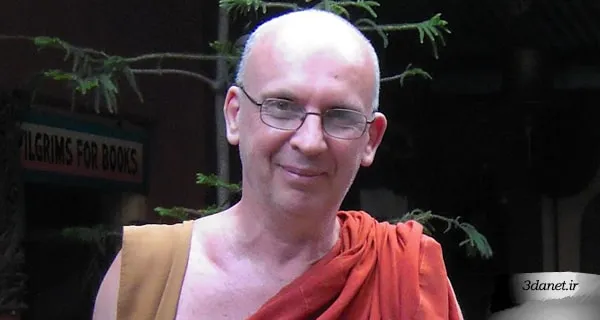
Shravasti Dhammika was born in Australia in 1951 into a Christian family. He became a Buddhist at the age of 18 and traveled to Thailand, Burma, India, and Singapore to become a monk. He is the author of more than 25 books on Buddhism. He currently lectures on Buddhism and Asian religions at universities and on radio and television in Australia.
Question: Do you Buddhists believe in God?
Answer: No, we do not. There are many reasons for this. The Buddha, like modern sociologists and psychologists, saw the origin of religious beliefs, particularly belief in God, in fear and anxiety. He says:
It is fear that drives people to the sacred mountain, the sacred grove, the sacred trees, and the shrines (Dhammapada 188).
Early humans found themselves in a dangerous and hostile world. Fear of wild animals, inability to find enough food, injuries and pests. Natural phenomena like thunder, lightning, and volcanoes were constantly with them.
They found no security and constructed the idea of gods for comfort, satisfaction, and solace.
You can see that to this day, people have been more religious in times of crisis, and belief in God or their gods gave them great strength to face life.
They often said they believed in a personal God because they prayed in times of need and their prayers were answered.
This seems to reinforce the Buddha's statement that the idea of God is a response to human fear and deprivation.
The Buddha taught us to try to understand our fears and, by reducing desires and wants, to accept with calmness and courage the things we cannot change. What he substituted for fear was wise understanding, not irrational beliefs.
The second reason the Buddha did not believe in God was that there was not much evidence to support the idea.
There were many religions that claimed that only they had preserved the word of God in their holy book, that only they knew God, that their God existed, and that the gods of other religions did not.
Some of them claimed that God is male, and others conceived of Him as female.
Some said God is one, and others imagined Him as three, and all of them were content that there was abundant evidence to prove the existence of their God, while at the same time ridiculing the evidence against them.
It is astonishing that despite the great genius of the followers of these religions, for centuries they have been unable to produce a single solid, irrefutable argument for such a God. They cannot agree among themselves on what this God they worship is like. Buddhists have suspended judgment on this matter until sufficient evidence is available.
The third reason the Buddha did not believe in God was that he felt the belief was not so necessary. People claim that belief in God is necessary to explain the origin of the universe, but science can convince us how the world came into being without the idea of God.
People claim that belief in God is necessary for a happy and meaningful life, but again we see this is not the case. There are millions of atheists and free-thinkers who live useful, happy, and meaningful lives without belief in God.
Some people believe that belief in the power of God is necessary because humans are weak and incapable of helping one another. Once again, the evidence shows the opposite. Most people, through their own efforts and without belief in God, overcome their disabilities and great problems through their own inner strength.
Some believe God is necessary for salvation and redemption, but this argument is only good if you accept a theological concept of salvation, which Buddhists do not.
Based on his own experience, the Buddha saw that every human being has the capacity to purify the mind and develop infinite love, sympathy, and compassion. He turned his attention from the heavens to the heart and encouraged us to solve problems through self-awareness.
Question: But if there is no God, then how did the universe come into being?
Answer: All religions have myths and stories that try to answer this question. In ancient times, some of these myths were sufficient, but in the 21st century, in the age of physics, astronomy, and geology, these myths have been replaced by scientific facts. Science explains the origin of the universe without belief in a divine source.
Question: What did the Buddha say about the origin of the universe?
Answer: It is very interesting to know that the Buddha's explanation of the universe is very close to the scientific view. In the Agganna Sutta, the Buddha explained the universe in such a way that it evolved into its present form over a long period of millions of years.
Life first formed on the surface of water, and then, after millions of years, beings evolved from simple to complex. All these processes he described are without beginning or end and are driven by natural causes.
Question: You said there is insufficient evidence for the existence of God, but what about miracles?
Answer: There are many people who believe miracles are proof of God's existence. We hear charlatans claim that healing is real, but we never see an independent witness, such as a doctor, confirm such a claim.
We hear second-hand reports that someone was miraculously saved from a calamity, but we never witness such a thing happening with our own eyes. We hear rumors that prayer heals a patient's withered body or limb, but X-rays and the opinions of doctors and nurses never confirm these rumors.
The claims of charlatans, second-hand reports, and hearsay cannot substitute for solid and definitive evidence, and conclusive evidence for the occurrence of miracles is very rare.
Although unusual and inexplicable things sometimes occur, our inability to explain these things does not prove the existence of God. It only proves that our knowledge is not yet complete. Before the advancement of modern medicine, when people did not know what caused diseases, they believed that God or the gods sent diseases as punishment. But we know what causes these things, and when we get sick, we take medicine. Now is a time when our knowledge of the world is becoming more complete, and we can find the cause of inexplicable phenomena, just as we can now understand the cause of diseases.
Question: But most people believe in some kind of God; this must be true.
Answer: Not necessarily. There was a time when everyone believed the earth was flat, but everyone was wrong. The number of people who believe in an idea does not entail the truth or falsehood of that idea. The only way we can prove the truth or falsehood of an idea is by looking at the facts and examining the evidence.
Question: Some people say the evidence is everywhere. They say that the beauty of nature and the complexity of the human body all testify to an intelligent agent and a kind, wise creator.
Answer: Unfortunately, the foundations of this theory collapse as soon as one observes the other side of nature. Why would an intelligent agent design leprosy bacteria, cancer cells, parasitic worms, stinging insects, and plague-ridden rats—things that cause immense suffering and misery? Consider how many people die or are injured in earthquakes, droughts, floods, and tsunamis. If God is truly a kind creator, why did He create these things or allow them to happen?
Question: If I become a Buddhist, I will be alone in the universe. People who believe in God can always call upon Him for help and protection in critical situations. I think this belief is more comforting.
Answer: People who believe in God think they are being helped and protected... but in reality, this is not the case. Because there is no God. The peace and assurance they feel comes from their belief and from their own minds, not from God.
There is no reason that people who believe in God experience fewer accidents, get cancer less often, or live longer... that they succeed more in exams, are wealthier, or are different from people who do not believe in God. A jumbo jet can carry 600 passengers. If it crashes at some point, all 600 people die—both theists and atheists. When the tsunami occurred in 2004, 230,000 people were killed, and among the dead were Christians, Muslims, Hindus, and other theists, as well as atheistic Buddhists.
All of us have the initiative and intelligence to cope with life's problems. Instead of relying on comforting but baseless beliefs, we should strive to develop our abilities.
Question: So if you are a Buddhist and do not believe in God, what do you believe in?
Answer: We do not believe in God because we believe in humanity. We believe that every human being is important and precious. Everyone has the potential to become a Buddha—a perfected human being. We believe that humankind can prevent the growth of ignorance and delusion and see things as they really are. We believe that hatred, anger, spite, and jealousy can be replaced by love, patience and forbearance, generosity, and kindness. We believe that all of this depends on the understanding of each person. If they make an effort, they are guided and supported by their Buddhist friends and inspired by taking the Buddha as an example. The Buddha says:
No one can save us but ourselves,
No one can and no one is able.
We ourselves must walk the path,
But the Buddha clearly shows the way (Dhammapada 165)
.
.
Buddhism and the God-Idea
QUESTION: Do you Buddhists believe in a god?
ANSWER: No, we do not. There are several reasons for this. Like modern sociologists and psychologists, the Buddha saw that many religious ideas, and especially the god-idea, have their origin in anxiety and fear. He says:
Gripped by fear people go to the sacred mountains, sacred groves, sacred trees and shrines.’ Dhp.188
Primitive humans found themselves in a dangerous and hostile world. The fear of wild animals, of not being able to find enough food, of injury or disease, and of natural phenomena like thunder, lightning and volcanoes was constantly with them. Finding no security, they created the idea of gods in order to give them comfort in good times, courage in times of danger, and consolation when things went wrong. To this day you will notice that people often become more religious at times of crises and you will hear them say that the belief in their god or gods gives them the strength they need to deal with life. Often they explain that they believe in a particular god because they prayed in time of need and their prayer was answered. All this seems to support the Buddha’s teaching that the god-idea is a response to fear and frustration. The Buddha taught us to try to understand our fears, to lessen our desires and to calmly and courageously accept the things we cannot change. He replaced fear with rational understanding not with irrational belief.
The second reason the Buddha did not believe in a god is because there does not seem to be very much evidence to support this idea. There are numerous religions, all claiming that they alone have God’s words preserved in their holy books, that they alone understand God’s nature, that their god exists and that the gods of other religions do not. Some claim that God is masculine, some that she is feminine and others that it is neuter. Some claim that God is unitary, others that he is a trinity, and yet others that his nature is unknowable. They are all satisfied that there is ample evidence to prove the existence of the god they worship, but they scoff at the evidence opposing religions use to prove the existence of their gods. It is surprising that despite so many religions using so much ingenuity over so many centuries to prove the existence of a god, that there is still no real, concrete, substantial or irrefutable evidence for such a being. They cannot even agree amongst themselves what this god that they worship is like. Buddhists suspend judgment until such evidence is forthcoming.
The third reason the Buddha did not believe in a supreme deity is because he felt that the belief was not necessary. Some claim that the belief in a god is necessary in order to explain the origin on the universe. But science has very convincingly explained how the universe came into being without having to introduce the god-idea. Some claim that belief in god is necessary to have a happy, meaningful life. But again we can see that this is not so. There are millions of atheists and free-thinkers, not to mention many Buddhists, who live useful, happy and meaningful lives without belief in a god. Some claim that belief in God’s power is necessary because humans, being weak, do not have the strength to help themselves. Once again, the evidence indicates the opposite. One often hears of people who have overcome great disabilities and handicaps, enormous odds and difficulties, through their own inner resources, their own efforts and without belief in a god. Some claim that a god is necessary in order to give salvation. But this argument only holds good if you accept the theological concept of salvation, and Buddhists do not accept such a concept.
Based on his own experience, the Buddha saw that each human being has the capacity to purify the mind, develop infinite love and compassion and perfect understanding. He shifted attention from the heavens to the heart and encouraged us to find solutions to our problems through self-understanding.
QUESTION: But if there are no gods how did the universe get here?
ANSWER: All religions have myths and stories which attempt to answer this question. In ancient times such myths were adequate but in the 21
st century, in the age of physics, astronomy and geology, such myths have been superseded by scientific fact. Science has explained the origin of the universe without recourse to the god-idea.
QUESTION: What does the Buddha say about the origin of the universe?
ANSWER: It is interesting that the Buddha’s explanation of the origin of the universe corresponds very closely to the scientific view. In the Aganna Sutta, the Buddha described the universe being destroyed and then re-evolving into its present form over a period of countless millions of years. The first life formed on the surface of the water and again, over countless millions of years, evolved from simple into complex organisms. All these processes were, he said, without beginning or end, and are set in motion by natural causes.
QUESTION: You say there is no evidence for the existence of a god but what about miracles?
ANSWER: There are many people who believe that miracles are proof of existence of some sort of god. We hear wild claims that a healing has taken place, but we never seem to get independent testimony of this from a medical office or a doctor. We hear second-hand reports that someone was miraculously saved from disaster, but we never seem to get eye-witness accounts of what is supposed to have happened. We hear rumors that prayer straightened a diseased body or strengthened a withered limb, but we never see X-rays or get comments from doctors or nurses to prove these rumors. Wild claims, second-hand reports and hearsay are no substitute for solid evidence, and solid evidence of miracles is very rare.
However, unusual and unexplained things sometimes do happen. But our inability to explain such things does not prove the existence of gods. It only proves that our knowledge is as yet incomplete. Before the development of modern medicine, when people didn’t know what caused sickness, they believed that God or the gods sent diseases as a punishment. Now we know what causes such things and when we get sick we take medicine. In time, when our knowledge of the world is more complete, we may find out what causes unexplained phenomena, just as we can now understand what causes disease.
QUESTION: But so many people believe in some form of god, it must be true.
ANSWER: Not so. There was a time when everyone believed that the Earth was flat, but they were all wrong. The number of people who believe in an idea is no measure of the truth or falsehood of that idea. The only way we can tell whether an idea is true or not is by looking at the facts and examining the evidence.
QUESTION: Some people say that the evidence is everywhere. They say that the beauty of nature and the complexity of the human body are all evidence of a higher intelligence and a loving creator.
ANSWER: Unfortunately this idea breaks down as soon as you look at the other side of nature – leprosy bacteria, cancer cells, parasitic worms, blood-sucking insects and plague rats. Why would a higher intelligence design things that cause so much misery and suffering? Then stop to consider how many people die or are injured in earthquakes, droughts, floods and tsunamis. If there really is a loving creator, why does he create such things or allow them to happen?
QUESTION: If I became a Buddhist I would be all alone in the universe. People who believe in some god can always call upon him to help and protect them when they have a crisis. I think this is a much more comforting belief.
ANSWER: People who believe in a supreme being think that that they are being helped or protected. But actually they are not. The comfort and confidence they might feel has come from their belief, their mind, not from anything a deity has done for them.
There is no evidence that people who believe in a supreme being have less accidents, live longer, have lower rates of cancer, do better in the exams, are richer or are different in any other way from people who do not believe. A jumbo jet can carry 600 passengers. If one crashes, as occasionally happens, all 600 people die, those who believe in divine help and those who do not.
All of us have the psychological resources and the intelligence to deal with the difficulties of life. We should try to develop and strengthen these resources rather than rely on pleasing but unfounded beliefs.
QUESTION: So if you Buddhists don’t believe in gods, what do you believe in?
ANSWER: We do not believe in a god because we believe in humanity. We believe that each human being is precious and important, that all have the potential to develop into a Buddha – a perfected human being. We believe that human beings can outgrow ignorance and irrationality and see things as they really are. We believe that hatred, anger, spite and jealousy can be replaced by love, patience, generosity and kindness. We believe that all this is within the grasp of each person if they make the effort, guided and supported by their fellow Buddhists and inspired by the example of the Buddha. As the Buddha says:
‘
By oneself is evil done, is one defiled.
By oneself is good done, is one purified.
Good and evil depends on oneself.
No one can purify another.’ Dhp.165
.
.
A Conversation with Shravasti Dhammika (a Buddhist Monk) on God
Translator: Farzad Sharifzadeh
.
.








Discussion21 comments
درود بر تمامی دوستان عزیز که نظر خودشون رو اینجا گذاشتند بنظر من ما نمیتوانیم از بعضی از قوانین و حقایقی که در هستی هست چشم پوشی کنیم و چون نتوانستیم برای آنها معنا و مفهومی پبدا کنیم بگویم خب پس باید دنیایی دیگری وجود داشته باشد یا عدالتی که دراین دنیا محق نشده در جائی دیگر اجرا شود اولآ که درخود این زندگی مادی هیچ عدالتی وجود ندارد با نگاهی به اطراف خود متوجه میشوید که ظالمان معمولأ زندگی بهتری از افراد خوب جامعه دارند میبینیم که بسیاری از مردمی که مارا به بهشت اون دنیا حواله میکنند خودشون سخت به زندگی این جهانی چسبیده اند اصلا چرا باید جهانی دیگری باشد؟ چون ما بصورت کامل و پر دراین دنیا زندگی نمیکنیم و دائم زمان کم میآوریم برای همین بخیال خود فرصت بیشتر میخواهیم تازه بفرض من نوعی دراین دنیا با همه دانش خود بمیرم دراون دنیا چگونه محشور میشوم باهمین آگاهی؟ یا ارتقاء پیدا میکنم؟ اگر من همینجا نادان باشم آیا دراون دنیا دانا میشوم؟ چرا دراون دنیا فقط وعده لذات زودگذر همین دنیا داده شده که تازه ثابت شده بعد مدتی افراد لذت طلب درهمین دنیا به پوچی و افسردگی میرسند چرا ازیک کتاب خانه سخنی به میان نیامده اما از شیر و عسل و حوری و غلام و... بارها اشاره شده چون عرب لذت طلب بدنبال همین امیال بود از عشق و موارد معنوی هیچ اشاره ای نشده. اینکه فکر کنیم حتمآ باید اعمالمان نتیجه داشته باشد مربوط به بخشی از مغز که در پی پاداش هست میباشد وچون انسان ضعیف دراین جهان نتوانسته نتیجه کامل آنرا دریافت کند چشم امید به آن جهان دارد درحالیکه پاداش هرکاری در لذت انجام آن درهمان وقت عمل هست.
خود بودای ها جن دیو و چیزهای غیبی و تجربه غیبی دارند پس چه تور عالم غیب وخدا رو کتمان میکنن
سلام افراد زیادی تجربه های نزدیک به مرگ یا nde داشته اند و همه وجودی ماورایی و روحانی را دیده اند و اتفاقا از لحاظ علمی نیز این تجربیات تایید شدند
من علم زیادی در رابطه با فلسفه و اینا ندارم اما یه چیزی که بهش اعتقاد دارم اینه که هر موقع به خدا نیاز دارم سمتش میرم و هر موقع که نیازی احساس نمیکنم رهاش میکنم مثل غذا، یعنی من نمیتونم از غذا تشکر کنم چون داره به من انرژی و نیرو میده. منظورم اینه که تهش که چی؟ حالا اعتقاد داشته باشی یا نه چه تفاوتی میکنه.
با سلام و احترام خوشحالم که با نظرات و جهان بینی یک بودایی از زبان خودش آشنا می شوم! بحث و نظر در مورد دعاوی ایشان بسیار است، اما بنده می خواهم صرفا چند کتاب را به دوستان معرفی کنم که پاسخی است به ابهامات و اشکالات ایشان و سایر دوستانی که نظر داده اند؛ ۱-آفریدگار و آفریده دکتر صادقی طهرانی ۲-ماتریالیسم و متافیزیک دکتر صادقی طهرانی ۳-عدل الهی استاد مطهری ۴-عدل الهی دکتر قراملکی مقاله "آیا علم خدا را دفن کرده؟" دکتر جان لنوکس که به همت دوستان در سایت صدانت ترجمه شده هم در خور مطالعه است و نیز دو مقاله از جناب استاد خرمشاهی در اثبات باری تعالی حائز اهمیت است! دوستانی که آزاداندیش هستند و تعصب بر روی نظرشان ندارند را دعوت به مطالعه آثار یاد شده می نمایم! (ضمنا بنده تک تک آثار ملحدان و ناباوران را تا جایی که رسیده ام و به دستم رسیده است خوانده و هنوز هم می خوانم!از آنجا که شاید برای برخی دوستان سوال شود گفتم) چرا جهان به جای آنکه نباشد هست؟ موفق باشید!
این مطلب را در خود سایت اصلی دیدم اثری از جمبوجت 600 نفره نبود و حتی در متن ذیل ترجمه هم اثری از سونامی 230000 نفر کشته ندیدم.
Aggañña Sutta is the 27th Sutta of the Digha Nikaya collection. The sutta describes a discourse imparted by the Buddha to two brahmins, ..... then Aggañña Sutta isn't a city. "resource" isn't equal to "recourse". thanks.
سلام و عرض ادب سرور گرامی هموطن عزیز پاسخهای شما قانع کننده بود متشکرم
درادامه این نکته را هم به « جوتیکا » بگویم : شما که میخواهید فقط به خودتان امید داشته باشید ، پس بیایید برای خودتان یک زندگی جاودانه فراهم نمایید تا شاید از پوچی وبی هدفی نجات پیدا کنید. انسان که تمام موجودیت خود را از خالقش دارد آیا عاقلانه است که به او امید نداشته باشد ؟
بنام خدا « صابر » عزیز سلام ، خوشوقتم که بحث را ادامه میدهی. درمورد قسمتهای سوم و هشتم از متن ده قسمتی ، نظری نداده ای. درمورد قسمت پنجم، مقاله ای را که آدرس دادم برای مطالعه کسانی است که مانند خودم به فیزیک علاقه دارند.درآن مقاله بطور علمی نشان داده شده است که ادعای تبیین الحادی جهان کاملا پوچ است و درآن حد اقل دوازده تناقض دیده میشود و چهار اشکال اساسی ساختاری دارد. هریک از این تناقضات ویا هریک از این اشکالات ساختاری به تنهایی برای رد ادعای فوق کافی است. بزرگترین فیزیکدان این قرن یعنی انشتین، و بزرگترین فیزیکدان قرن گذشته یعنی نیوتن ، آثار خدا در جهان را می دیدند، ولی ما نمی توانیم ونبا ید در مو ضوع توحید از آنان تقلید نماییم. بلکه باید خودمان با دیدن وانذیشیدن در این آثار، حقیقت را بفهمیم. پس چرا انکار کنندگان خدا میخواهند ادعا های بدون دلیل را ، آنهم بدون اینکه آنها را بفهمند ملاک قرار بدهند. درمورد آنچه شما «شر » نامیدهاید به قسمت هشتم از متن ده قسمتی بالا مراجعه نمایید. این موضوع را اضافه می نمایم که نباید بخشی از دین را از بخشهای دیگر آن جدا نموده و سپس به طرح اشکال بپردازیم. عدل با معاد ارتباط دارد. موجودیت انسانها دو مرحله ای است.دنیا با بهشت متفاوت است و قرار نیست مردم تا ابد در این دنیا زنده بمانند وآنهم بدون تلاش و رنج و بدون امتحانات عملی و نظری و بدون صبر و استقامت وحتی فداکاری. پیشرفت و تعالی انسان بسته به همت و تلاش اوست. مشخص نمایید که شما چه نوع اثباتی را قبول دارید. آیا وجود جهان ،پدیده های هماهنگ در جهان ، بر قرار بودن نظم وقانون در تمام بخشهای آن که با علم شناخته میشوند ، آثار خدا نیستند؟ چرا جهان با تمام عظمت و شگفتیهای آن وجود دارد؟ چرا هر دسته از مو جودات از قانونهایی پیروی میکنند؟ چرا عوامل مساعد که تعداد آنها بیشمار است زندگی را برای ما امکان پذیر ساخته اند؟ انکار کنندگان خدا میگویند که علم پاسخ این پرسشها را داده است، ولی هر گز نگفته اند و نمیگویند علم چه پاسخی میدهد.مهمترین مورد این ادعا در مقاله ای که آدرس دادم بر رسی شده وپوچ بودن آن اثبات گردیده است. نویسنده این سطر ها آماده است این بحث را بویژه با متخصصین ادامه بدهد.
باسلام اتفاقا سخنان این راهب بودایی تأمل برانگیز است.واز سخنان او به یاد متفکر نازنین خودمان می افتم که در جایی بیان می دارد ... شما امید را باید از بیرون خودتان قطع کنید به هیچ چیز بیرون از خودتان نباید امید داشته باشید امید هم یعنی بوی خیر شنیدن از چیزی شما فقط باید به خودتان امید داشته باشید یا جمله ای از کتاب برف در تابستان هست که می گوید ... دوست من به خدایی عشق می ورزم که در درون است. صرفنظر از تمامی ادله ای که فیلسوفان اقامه نموده اند سخنان این راهب در خور تامل است گرچه استاد مطهری احتمالا در کتاب انسان کامل باشد ریشه های گرایش به خدا را کاویده وهریک را مفصلا بررسی ودر نقد آنها استدلال نموده است واتفاقا در خصوص ترس که این راهب ادعا دارد که ریشه خدا پرستی است نیز در ان کتاب مفصل سخنانی رفته است لیکن با این اوصاف مطلب جدی تر از آنچه آدمی گمان می کند، می باشد و در خور تأملات عمیق و ژرف
پاسخ به”هم وطن” در مورد قسمت ۳ -در این سایت فرضیات یکی از بزرگترین فیزیکدان قرن رد شده است , من و شما هم نمیتوانیم در مورد صحت و سقم آن داوری کنیم جای دارد یک فیزیکدان بی طرف آن را مورد قضاوت قرار دهد. در مورد دلیل فلسفی هم که فرمودید مسئله شر به عنوان برهان نفی کننده وجود خدا همچنان پابرجاست و وجود خدا با وجود این برهان پارادکسیکال است , در ضمن عنایت داشته باشید بنده نگفتم خدایی وجود ندارد بلکه مراد بنده این بود که وجود خدا اثبات نشدنی است و این با خدایی وجود ندارد متفاوت است
بنام خدا اول. آیا تمام انسانها ترسو هستند . مگر انسانهای شجاع دیندار وجود نداشته اند . اینکه انگیزه مردم چه باشد هیچ ربطی به موضوع تو حید ندارد. بلکه باید دلایل و شواهد توحید را نگریست. دوم. قرن هاست استدلال های محکم و خدشه ناپذیر ازجمله دلایل علمی به زبان علوم جدید درجلو دید منکرین خداست ولی آنها ازبحث فرار می کنند وچشم خود را می بندند. سوم. علم قانون های طبیعت را کشف میکند و وجود این قانونها نشان دهنده نظم وهماهنگی بیشتر است واین یکی ا ز دلایل نیازمندی به خداست. چهارم. بی سر انجام بودن انسان به معنای پوچ بودن زندگی است و این با خرد سازگاری ندارد. پنجم. در باره اینکه چرا جهان وجود دارد وچرا در آن قانونها بر قرار هستند یک بحث علمی دقیق همراه با رد علمی ادعا های یکی از مشهور ترین ملحدان بصورت تخصصی در آدرس زیر آمده استhttp://www.sebt.me ششم. معجزه مخصوص پیامبران است ونه مردم دیگر تا نشان دهد که آنان بر گزیده خدا هستند. هفتم. شناخت حقیقت ربطی به اعتقادات مردم ندارد . هشتم. قرار نیست انسان تا ابد دراین جهان زنده بماند . بنابر این عوامل نا مساعد نیز وجود دارند. حاصل جمع بندی عوامل مساعد ونا مساعد و استفاده از خرد و دانش مدت متوسط زندگی است. با وجود این عوامل مساعد آنقدر زیاد هستند که شمارش نا پذیرند . اگر این عوامل یا حتی یکی از آنها نبودند برای یک لحظه هم زندگی امکان پذیر نبود.اکنون می پرسیم چگونه تمام این عوامل مساعد بیشمار همه در یکجا جمع شده اند. نهم. مسلما یک زندگی هدف دار بامعنی با سرانجام و دو مرحله ای همیشگی ترجیح دارد بر یک زندگی پوچ بی نتیجه وبی سرانجام. دهم. انکار کنندگان خدا به چه قیمتی آینده خود را تباه می کنند و در ازای این تباهی چه چیزی را بدست می آورند.
هم وطن عزیز شاید خدایی وجود داشته باشد ولی تاکنون دلیل محکمی برای اثبات وجود خدا اقامه نشده, هم چنین دلایل فلسغی بسیاری برای عدم وجود خدا وجود دارد که تا کنون بی پاسخ مانده اند، در ضمن همین که شما خود از تباهی و نابودی انسان سخن میگویید دارید از ترس او سخن به میان می آورید.
ممنون بابت قرار دادن این مصاحبه. پاسخ ها و ادعاهای خام این راهب بودایی مشکلات اساسی دارد که دوستان اشاره کردند. من تنها به یک نکته در ترجمه اشاره می کنم. در ترجمه این متن به جای اصطلاح Wild Claims از "مدعیات وحشی ها" استفاده شده که اشتباه است و باید به جای آن از "ادعاهای مبالغه آمیز" یا "ادعاهای نامعتبر و نادرست" یا نظایر این استفاده شود. خداباورانی که فقط متن فارسی را بخوانند این اصطلاح برایشان توهین آمیز است مضاف بر این که مصاحبه شونده قصد توهین نداشته است. http://www.urbandictionary.com/define.php?term=wild%20claim
خیلی دوست داشتم من جای مصاحبه کننده منفعل بودم تا تناقض های دوست همه چیزدان بودایی مان را کمی روشنتر می ساختم...! جالب است که هیچ سوالی درباره تناسخ و کارما نپرسید! درباره آفرینش جهان هم گفته است علم مساله را حل کرده! معلوم نیست ایشان کدام علم و عالم را در نظر داشته، احتمالا در غاری که گوشه نشینی اختیار کرده است، در توهم علم آغاز کیهان را دریافته باشد.
متن پیشارو فقط ترجمهٔ بخشی از متن کتاب است. در فصل پنجم درباره تناسخ پرسش و پاسخ صورت گرفته. http://www.buddhanet.net/pdf_file/gqga-5ed.pdf
شما که منفعل نیستید و همه چیزدان هستید تناقض های ایشان را روشن کنید.
سلام چندنکته ای در مورد مطالب این آقا عرض می کنم: -اینکه منشا یک عقیده ای ترس و اضطراب است می توان بطلان آن را نتیجه گرفت؟ -منشا آیین بودا نیز مگر جز رنج و سختی و عجز از تحلیل حیات انسان هاست؟ -اگر علت و منشا آفرینش را یکنیروی غیرمادی ندانیم پس علتآن چیست؟ -مگر خداباوران انسان را موجودی بی چیز و پست و هیچ می دانند؟
سپاس از شما و زحمات تان
بسیار ممنون از مطالب خوب و ترجمه خوبتان