Religion
Buddhists as “Ahl al-Dhimma”
While condemning the oppression of Muslims in Myanmar, the author interrogates religious discrimination itself. Through the rulings on inheritance, retribution, and blood money, he challenges believers' sensitivity to discrimination against those of other faiths.
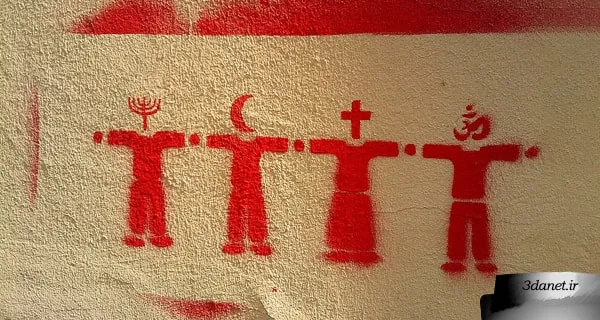
در این روزها توجّه به مصائب مسلمانان میانمار افزایش یافته است. این افزایش توجّه، امری مطلوب است که باید با اقدامات عملی، در جهت امحاء تبعیضها و اجحافهایی که در حقّ ایشان اعمال می شود، همراه گردد.
نگارنده ی این سطور، ذرّه ای در قبح مظالمی که بر مسلمانان میانمار می رود، تردید ندارد. نیز تردید ندارد در این که هر کاری را که می توان، باید انجام داد تا جلوی ادامه و پیشروی یک ظلم، از جمله ظلم به مظلومان میانماری، گرفته شود. «ظلم» قبیح است، در حقّ هر کسی.
من در این یادداشت می کوشم که توجّه خواننده را به جنبه ی دیگری از این مسئله ی دردناک معطوف کنم. آنچه این روزها می شنویم، این است که اجحافهایی که در حقّ مسلمانان میانماری اتّفاق می افتد، به خاطر باورهای دینی ایشان است. چون آنها باورهای دینی متفاوتی از اکثریّت بودایی دارند، اینچنین مورد ستم قرار می گیرند.
جان کلام همین جاست. آیا تبعیض دینی و مذهبی، اخلاقاً موجه است؟ آیا می توان بعضی از انسانها را به خاطر باورهای دینیشان، از حقوق اساسی و شهروندی خود، محروم کرد؟
وقتی که اهل هر دینی، با محرومیّت همدینان خود از این حقوق، به خاطر داشتن دینی خاص، مواجه می شوند، به راحتی تصدیق می کنند که باورهای دینی و مذهبی نباید دستمایه ی تبعیض شود؛ چون خودشان هم اهل همان دین هستند و درد همدینان خویش را درد خود می یابند.
امّا آیا اهل هر دین (مثلاً مسلمانان) نسبت به تبعیضهای دینی و مذهبی در قبال غیر اهل دین خود (مثلاً غیرمسلمانان) و بی دینان نیز همین قدر حسّاسند؟
مایلم توجّه خواننده ی گرامی را به بعضی از آراء مشهور فقهی معطوف کنم. آیا در احکام مشهور فقهی، چنین تبعیضهایی میان مسلمانان و غیرمسلمانان (و حتّی گاه میان شیعیان و غیرشیعیان) دیده نمی شود؟ به این آراء توجه کنید:
۱- كافر، يعنی كسی كه منكر خدا است يا برای خدا شريک قرار می دهد يا پيغمبری حضرت خاتم الأنبيا محمّد ابن عبدالله صلّی الله عليه و آله و سلّم را قبول ندارد، نجس است و همچنين است اگر در يكی از اينها شک داشته باشد. و نيز كسی كه ضروری دين، يعنی چيزی را كه، مثل نماز و روزه، مسلمانان جزو دين اسلام می دانند، منكر شود، چنانچه بداند آن چيز، ضروری دين است و انكار آن چيز برگردد به انكار خدا يا توحيد يا نبوّت، نجس می باشد. و اگر نداند، احتياطاً بايد از او اجتناب كرد؛ گرچه لازم نيست. (رساله ی توضیح المسائل امام خمینی، مسئله ی ۱۰۶)
۲- مسلمان از كافر ارث می برد؛ ولی كافر، اگرچه پدر يا پسر ميّت باشد، از او ارث نمی برد. (همان، مسئله ی ۲۷۸۳؛ نیز مضمون ماده ی ۸۸۱ مکرّر قانون مدنی)
۳- [بر قاضی] واجب است که در میان طرفین مخاصمه، در سلام و جواب آن، و نشاندن آنها، و نگاه و کلام و ساکت کردن آنها، و گشاده رویی و سایر آداب، و انواع اکرام، و عدل در حکم، مساوات را رعایت کند؛ هرچند آنها در بالا بودن و پایین بودن شأن، متفاوت باشند. و امّا رعایت مساوات در میل قلبی، واجب نیست. این در صورتی است که هر دو مسلمان باشند؛ و امّا زمانی که یکی از آنها غیرمسلمان باشد، تکریم مسلمان، بیشتر از خصمش، جایز است. و امّا عدل در حکم، در هر حال، واجب است. (تحریر الوسیله، کتاب القضاء، القول فی وظائف القاضی)
۴- در مقذوف (قذف شده؛ کسی که به او تهمت جنسی زده شده)، احصان، شرط است. و احصان در این مقام، عبارت است از بلوغ و عقل و حرّیّت و اسلام و عفّت؛ پس کسی که تمام آنها را دارد، به خاطر قذف او، حدّ واجب می شود و کسی که همه یا بعضی از آنها را ندارد، بر قاذف او حدّی نیست و بر او تعزیر است؛ پس اگر پسر بچه یا دختر بچه یا مملوک یا کافری را قذف کند، تعزیر می شود. (تحریر الوسیله، کتاب الحدود، الفصل الثالث: فی حدّ القذف، القول فی القاذف و المقذوف، مسئله ی ۳)
5- The second condition among those required for the execution of qiṣāṣ (retaliation) is equality in religion; thus, a Muslim is not killed for killing an infidel, provided he is not in the habit of killing infidels. In the non-application of qiṣāṣ to a Muslim murderer in exchange for an infidel victim, there is no difference among the categories of infidels, whether the victim is a dhimmī, a ḥarbī, a mustaʾmin, or otherwise. And if the victim is an infidel whose killing is forbidden, such as a dhimmī or a muʿāhad, the Muslim murderer is subject to taʿzīr (discretionary punishment) for his killing and pays his blood-money to the heirs. If a Muslim is in the habit of killing ahl al-dhimma, it is permissible for him to be subjected to qiṣāṣ after returning the difference between his blood-money and that of the dhimmī. If an infidel kills an infidel and then becomes a Muslim, he is not killed for his murder; rather, if the victim has blood-money, its payment is his responsibility. (Taḥrīr al-Wasīla, Kitāb al-Qiṣāṣ, al-Qism al-Awwal: fī Qiṣāṣ al-Nafs, al-Qawl fī al-Sharāʾiṭ al-Muʿtabara fī al-Qiṣāṣ, Issues 1, 2, and 6)
6- The blood-money for a free dhimmī—whether Jewish, Christian, or Zoroastrian—is eight hundred dirhams (while the blood-money for a free Muslim man is ten thousand dirhams; i.e., 12.5 times the blood-money of a dhimmī man!), and the blood-money for their free woman is half the blood-money of the man; indeed, it appears that the blood-money for their limbs and their wounds, in proportion to their blood-money, is like the blood-money for the limbs of a Muslim and his wounds in proportion to his blood-money. Just as it appears that the blood-money for their men and women is equal until it reaches one-third, like that of a Muslim; rather, it is not far-fetched that the ruling of aggravation (taghlīẓ) applies to them for that which causes aggravation for a Muslim. Infidels other than ahl al-dhimma have no blood-money, whether they are from the people of a covenant or not, whether the call of Islam has reached them or not. Indeed, it appears that if a dhimmī leaves the dhimma, he has no blood-money. Likewise, if he apostatizes from his religion to a religion other than that of ahl al-dhimma, there is no blood-money for him. And if a dhimmī leaves his religion for another religion among the religions of ahl al-dhimma, there is a problem in establishing blood-money; although establishing blood-money is not far-fetched. (Taḥrīr al-Wasīla, Kitāb al-Diyāt, al-Qawl fī Maqādīr al-Diyāt, Issues 1, 30, and 31)
Note the rulings concerning ahl al-dhimma:
1- The jizya is taken from Jews and Christians, who are among the People of the Book, and from those who are considered akin to possessing a book—the Zoroastrians. And there is no difference among their various denominations, such as Catholic, Protestant, and others, even if they differ in branches and some fundamentals—as long as they are one of the sects.
2- The jizya is not accepted from others among the categories of infidels and polytheists, such as idol-worshippers, star-worshippers, and others—whether they are Arab or non-Arab. And there is no difference between those who are affiliated with someone who possesses a book (such as Abraham, David, and others, peace be upon them) and others. Thus, from other than these three groups, nothing is accepted except Islam or death. Likewise, it is not accepted from one who becomes a Christian, Jew, or Zoroastrian after their book has been abrogated by Islam. So, one who enters these groups is a ḥarbī; it makes no difference whether he is a polytheist or from the rest of the false sects.
3- There is no specific amount fixed for the jizya, and it has no limit; rather, its amount is contingent upon the opinion of the governor, according to what he deems expedient based on places, times, and the exigencies of circumstances. And it is preferable that its amount not be specified in the contract of dhimma and be left to the opinion of the Imam, peace be upon him, so that their [ahl al-dhimma's] abasement and humiliation are realized. If its amount is not specified and is left to the opinion of the Imam, peace be upon him, he has the right to impose the jizya in whatever manner, in whatever amount, and for whatever thing he wishes.
4- It is permissible to stipulate upon them, in addition to the jizya, the hosting of Muslim travelers—whether they are military forces or not. And it appears that specifying the duration of this hosting is necessary, such as one day or three days. And it is permissible to leave the quality of the hospitality (a hosting in which the adherents of one religion host the adherents of another religion, whom they consider impure) to custom and habit.
5- It appears that the jizya is waived upon conversion to Islam, whether his conversion is motivated by the waiving of the jizya or not. And the opinion that the jizya is not waived if the conversion is motivated by the waiving of the jizya is weak.
6- Among the conditions of dhimma is that they should not openly perform acts that are considered reprehensible among Muslims, such as drinking wine, committing adultery, eating pork, and marrying those with whom marriage is religiously forbidden. And they must accept that the rulings of the Muslims apply to them, regarding the payment of dues, the abandonment of prohibitions, the execution of the hudud of God Almighty, and the like. And the more precautionary (recommended) course is to stipulate this upon them. And they shall not build new synagogues, nor ring bells, nor raise buildings high; and if they contravene, they are subject to ta'zir.
7- It is fitting that in the contract of dhimma, everything that entails benefit and elevation for the Muslims, and abasement for the Ahl al-Dhimma, and everything that necessitates their entry into Islam—whether out of desire or fear—should be stipulated. And of this kind is stipulating their distinction from Muslims in clothing, hair, mounts, and kunyas, in the manner detailed in the comprehensive sources.
8- Initiating a greeting of salam to a dhimmi is makruh. And some have said it is haram. And this is the more precautionary (recommended) course. And if a dhimmi initiates the salam, it is fitting to suffice in response by saying "Alayk" (upon you), and completing it is apparently makruh. And if a Muslim is compelled to greet him or to give a complete reply, it is permissible without karahat. As for the case of a non-dhimmi, the more precautionary (recommended) course is to refrain from greeting him, except out of compulsion. Although the more well-founded view is its permissibility, with karahat. And it is fitting, when encountering them, to say: "Al-Salamu 'ala man ittaba'a al-huda" (Peace be upon him who follows guidance). And it is mustahabb to compel them to the narrowest of paths.
9- It is not permissible for the People of the Book and those who are in their ruling to establish places of worship such as churches, synagogues, monasteries, fire temples, and the like in the lands of Islam; and if they establish them, it is obligatory upon the Muslim governor to destroy them.
10- It is not permissible for any buildings that dhimmis renew or construct to be higher than the buildings of the Muslims adjacent to them. And is equality permissible? There is deliberation in this, although it is not far-fetched. And if one buys a tall building, with its height and elevation, from a Muslim, it is permissible and he is not ordered to demolish it. And if the tall building is destroyed, from its foundation or specifically its upper part, rebuilding it in its original form is not permissible; so it must not be made higher than the Muslim's building. Therefore, based on precaution (recommended), one suffices with what is lower than the Muslim's building, although the permissibility of equality with the Muslim's building is not far-fetched. It is apparent that the impermissibility of a dhimmi's building being higher than a Muslim's building is among the rulings of Islam; thus, the consent of the neighbor or its absence has no bearing on this ruling. Just as it is not among the conditions of the dhimma contract; rather, it is among the rulings pertaining to the dhimmi and the Muslim. So the criterion is not its stipulation or lack thereof.
And finally:
11- The kuffar—whether they are dhimmis or not—have no right to propagate their corrupt religions in the lands of the Muslims, to disseminate their misleading books therein, or to invite Muslims and their children to their false religions. And their ta'zir is obligatory, and it is incumbent upon the guardians of Islamic states to prevent them from this by any appropriate means. And it is obligatory upon Muslims to avoid their books and gatherings and to keep their children away from them. And if anything from their misleading books and papers reaches them, obliterating them is obligatory; their books are certainly nothing but distorted and devoid of sanctity.
(The rulings on Ahl al-Dhimma, quoted from the supplement to the Book of Hudud of Tahrir al-Wasilah by Imam Khomeini)
Suppose that none of the rulings I have referred to are the rulings of Islamic Sharia, and that another religion, for example Buddhism, had legislated them. And suppose that the Buddhist majority of a country wanted to apply such rulings against other minorities, for example, Muslims.
Would any Muslim agree to these rulings being enforced against Muslims by Buddhists? Would Muslims accept that the Buddhist majority consider the Muslim minority impure, deny them any share of inheritance, show greater deference to the Buddhist party in courts, impose lighter penalties for slandering Muslims than for slandering Buddhists in trials of sexual slander, not retaliate against a Buddhist murderer in exchange for a Muslim victim, set the blood money for a Muslim at less than one-twelfth of the blood money for a Buddhist, exact whatever jizya they wish from Muslims, forbid Muslims from publicly acting contrary to the precepts of Buddhism and enforce those precepts upon Muslims, prevent Muslims from giving the call to prayer and building mosques, compel them to wear distinctive symbols so they can be distinguished from non-Muslims, and also prevent the distribution of the Quran, indeed destroying copies of the Quran?
In my view, it is clear that religious and sectarian discrimination is not morally justifiable. One reason for this is that adherents of no religion like it when, finding themselves in a minority, such discrimination is practiced against them. Yet there is no difference between the majority and the minority in the enjoyment of natural rights. The "citizen" is entitled to rights, whether part of the majority or the minority. And religious and sectarian beliefs do not increase citizens' entitlement to the enjoyment of natural rights. Not to mention that, apart from the injustice of these discriminations, their existence also entails a morally corrupt consequence, namely, the proliferation of people whose religiosity is merely outward, who adjust their words and deeds to conform to the standards of the dominant official religion in order to attain greater social advantages.
I think that if the adherents of any religion (including Muslims) wish to condemn religious and sectarian discrimination without falling into contradiction, they must first clarify their position on rulings such as those I mentioned above (which represent the well-known—if not consensual—opinion of at least Shiite jurists, and may well be found in other religions too). Is religious and sectarian discrimination only bad when it is practiced against those who do not share our religion? Is it correct that a Buddhist is given no choice but Islam or death, yet Muslims are not even willing to be "Ahl al-Dhimma under the Buddhists"?
.
.
Author: Arsham Zadeh Abdollahi
Buddhists as "Ahl al-Dhimma"
.
.


Discussion14 comments
همیشه گفتند واقعیت تلخ است......چگونه باورهای دوران کودکی و آنچه از به اصطلاح پیام آوران دینی به ما گفته اند را به کناری بنهیم و خود به تحقیق بپردازیم.
به نظرمن هم مطلب جالبی بود ولیکن اگر در سیره نبوی دقت کنید رفتار جوانمردانه پیامبر وائمه را در برخورد با کفار و حتی غیر اهل کتاب را می بینید در واقع این احکام افراطی نیز از زمان خلافت اموی وعباسی بوجود امد البته هم اکنون هم متفکران و روشنفکران دینی وجود دارند که در صدد احیای حقوق اقلیت ها بر امده اند امثال ایت الله کدیور ایت الله غروی ومحمد صادقی تهرانی وهمچنین یوسف صانعی حتی اگر به ایات مبارک قران هم مراجعه کنید نشانه های صلح جویانه در اسلام را می بینید که دال بر همزیستی مسالمت امیز با ادیان و مذاهب گوناگون و حتی فرقه های غیر اهل کتاب میباشد برای مثال ایه هشت سوره ممتحنه یا عهدنامه امام علی و مالک اشتر که حضرت توصیه می کند مردم یا برادر دینی تواند یا در افرینش همسان تواند با انان با نیکی وعدالت رفتار کن وغیره وذلک پس عیب از اسلام وسنت نبی اکرم وائمه نیست هر عیب که هست از مسلمانی ماست
تا به حال دیده نشده که یک حکومت اسلامی باشد و حاکمی عادل داشته باشد و حکومت اسلامی را رعایت کند و به اهل ذمه ستم شده باشد. بلکه همواره راضی بوده اند از زندگی تحت حکومت عادل اسلامی.
همه ی احکامی هم که در اینجا بیان شد اگر چه ممکن هست در ابتدا به نظر عادلانه نرسه اما هر کدوم دلیل وشرایط خاص خودش رو داره. مثلا جزیه گرفته میشه در صورتی که حکومت اسلامی باشه. کومت اسلامی در قبال حفظ جان و مال و محافظت از غیر مسلمان هزینه ای رو دیپریافت میکنه. خیلی از احکام هم مثل ارث نبردن کافر از مسلمان که مشخص هست بدلیل مسلط نشدن اونها بر مسلمانان هست. اگر چه خیلی از این احکام هم اجرایی نمیشه. و اینکه با سایر ادیان رفتار شایسته ای باید داشته باشیم. واینکه در سیره بزرگان ما مثل حضرت علی علیه السلام هم چقدر احترام به غیر مسلمانها بوده. اگر چه این احکام وارد شده اما همه جا واجب یا حرام بودن ذکر نشده و در آنجایی که مشخص نشده بهتر رعایت عدل و انصاف است.
مسلمانان و کافران جنایاتی که مسلمانان در هندوستان در طول سده های در حق بوداییان و برهمنان به دلیل اینکه اینان در قرآن اهل ذمه نبوده بلکه کافر تشخیص داده شدند آن چنان وحشتناک بوده که به هیچ وجهی قابل فراموشی نیست. اطلاعات بیشتر در اینجا https://themuslimissue.wordpress.com/2015/08/31/islamic-invasion-of-india-the-greatest-genocide-in-history/
سلام به همه دوستان عزیز. جناب انسان ایرانی ما رفتار اشتباه مسلمان ها رو نمیتونیم به پای دین اسلام بگذاریم. همونطور که رفتار اشتباه بوداییها رو نمیتونیم به پای دین شون بگذاریم. ملاک ما رفتار رهبران دینی و پیامبران و معصومان علیهم السلام هست.
سلام كساني كه علاقه به كشتن مسلمانان دارند، بهتر است اين كار را در ميانمار نكنند. بيايند در يمن و عراق و سوريه اين كار را بكنند. اين كار دو خاصيت دارد؛ اولاً متهم به زير پا گذاشتن وجدان و اخلاق نميشوند و از آن مهم تر؛ شهيد محسوب ميشوند و مجاهد في سبيل الله.
دشمنانی که بین مسلمانان اختلاف می اندازند تا آنها را نابود کنند و وهابیت و بهاییت و قادیانیه و داعش و هزار فرقه ی دیگه رو میسازند تا کسی اسلام حقیقی رو نبینه و مسلمانها رو همواره در جنگ و عقب ماندگی قرار میدن که از جنگ های داخلی نظام پوشالی خودشون جلوگیری کنن و اسلحه هاشون رو به فروش برسونن و به زخمهای اقتصادی شون بزنن خودشون یه گوشه میشنن و بشکن میزنن. نیازی نیست شما با طعنه های خودتون به زخمهای هزار ساله ی ما نمک بزنید. یه کم مطالعه تاریخ اطلاعات عمومی همه ی دوستان رو بالا میبره. التماس مطالعه و بصیرت
درود به شرف نگارنده ... امیدوارم دوستان مسلمان بیایند و موضع خودشان را در این زمینه اعلام کنند...
مطلب بسیار خوبی بود. کاش دوستان دیندار بیایند و موضع خودشان در این زمینه را اعلام کنند، که فقط با تبعیض علیه مسلمانان مشکل دارند یا هر شکلی از تبعیض را ناروا می دانند. و اگر شکل دوم باشد باید بپذیرند که جز یکی دو مرجع را نمی توانند به عنوان مرجع تقلید انتخاب کنند. زیرا نظر اکثر مراجع همانند آنچیزی است که در بالا آمده است و نسبت به غیر مسلمانان تبعیض آمیز است.
ملاک ، رفتار و اخلاق پیامبر اسلام (ص) است. دقت کنید: قبل از پیروزی اسلام ، کفار و مشرکین بد ترین رفتار ظالمانه را با پیامبر و یاران آن حضرت انجام می دادند.، ولی پس از پیروزی اسلام ، پیامبر مهربان همه را بخشیدند. اکنون آیا درست است که شما بین خدا پرستی وبت پرستی ویا خود پرستی تفاوتی نمی گذارید؟!!!!!
ولی درآنچه مراجع می گویند(تاآنجاکه من می دانم) تفاوتی بین قبل و بعد از جنگ یا پیروزی یا شکست نیست. و حتی از فحوای کلام چنین برمی آید که این دستورات مربوط به بعدازپیروزی و رسیدن به قدرت است(احتمال عملی کردن این احکام تاقبل ازپیروزی کنتر است)
خیلی عالی بود. فکر کنم از برزویه طبیب سخنی خواندم که گفته بود ادیان حاصلی جز تفرقه میان افراد بشر ندارند.
اگر چنین حرفی درست باشد ، پس بگویید دانش هم به جز تفرقه در میان مردم به لحاظ تفاوت مقام وتواناییها ، حاصلی ندارد!!!!!!!!