Environment
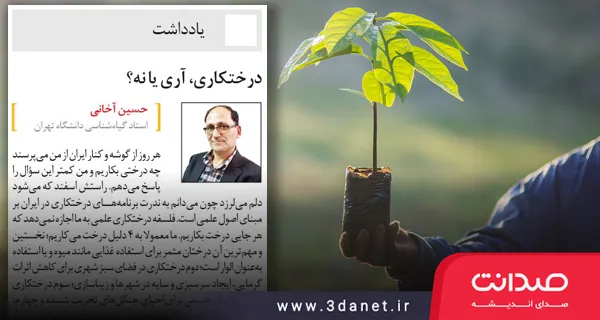
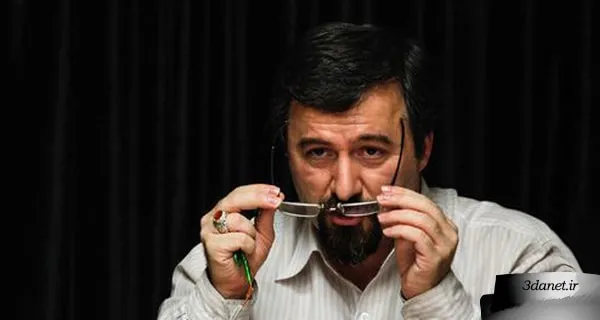
A Critique of Hossein Akhani’s Instagram Post on Feeding Animals
A response to Hossein Akhani's piece on feeding urban animals, raising fundamental questions: from reducing social problems to the hunger of the needy, to unsourced claims about animal dependency and ethical contradictions in the food chain.
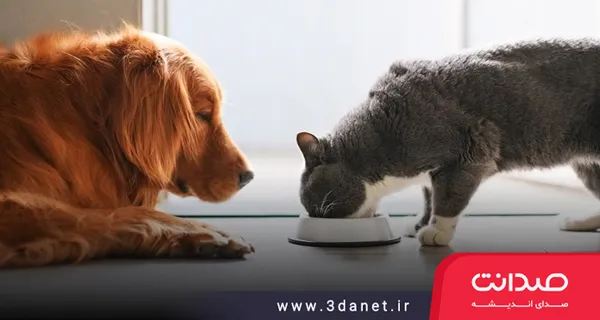
A critique of Hossein Akhani’s Instagram post on feeding animals[1]
Please do not curse.
Do you intend with this sentence to make your opponents appear foul-mouthed, or is it an invitation to polite dialogue?
Assuming you wanted to invite the opposing side to a polite dialogue, wouldn’t it have been better, instead of a sentence directed at the purpose and self-fulfilling, to extend the invitation with more positive phrases and rules?
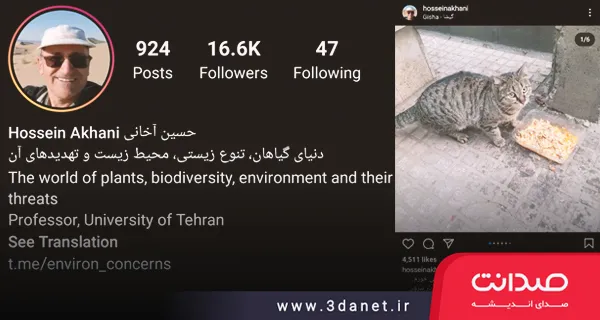
These images are not from far away. I see these every day and I grieve. Our next-door neighbor has set up a five-star hotel for cats. Every time I go out, all sorts of different foods and meats, placed in disposable containers, are put out for the cats. Many times I lament that while a large portion of the needy in this country are hungry, giving human food to cats in this manner raises serious questions in the mind.
We are very eager to know the serious questions that arise in your mind. The serious questions that arise in our minds upon reading this paragraph are these:
Doesn’t linking the hunger of the needy with the issue of feeding cats amount to a kind of reduction of the social and economic issues leading to this predicament?
Do you have statistics and information on the type of food given to cats around the city? What percentage of the food provided to cats is packaged human food, and what percentage is leftover human food?
In your opinion, should individuals, instead of feeding cats, allocate a portion of their household budget to the hungry needy of the country? Or should they share their leftovers with the hungry needy?
Do you agree that with this reasoning of yours, one could conclude that given the multitude of hungry needy across the country, it would be better to spend the environmental budget or the funds of animal protection organizations on subsidies for the needy and solving the country’s livelihood and economic problems?
Have you never witnessed people feeding cats while moving through less affluent neighborhoods? Do you think this is an activity exclusive to affluent neighborhoods?
I have written before about this type of feeding of cats and dogs, and of course, I have faced harsh reactions from advocates of this type of animal feeding. This practice is wrong, and international conservation organizations have repeatedly stated that such feeding, while it can threaten the health of these animals, alters their habits and turns these animals into creatures dependent on humans. In the long term, natural selection leads to the strengthening of the genes of lazy cats and the elimination of hunting cats.
Did you anticipate the intensity of people’s reactions to this issue? Was what you observed harsher than what you had predicted? When you speak about the life and death of a creature that has lived with humans for years, what kind of reaction did you expect? In your opinion, is the intensity of people’s reactions to the news of a rise in the price of ginger and the price of bread the same? And fundamentally, isn’t it more than a jest to expect humans to react identically to pains of varying degrees?
When you cite international conservation organizations to lend credibility to your statements, wouldn’t it be better, out of respect for the audience, to provide the exact name of the relevant organization, the article in which these topics are mentioned, and so on?
Can it be denied that the cat is an urban animal dependent on humans? Is the cat’s hunting instinct in contradiction with its instinct for connection with humans? How is it that humans grant more legitimacy to one instinct of the cat over another?
What reason is there to use human attributes with negative connotations, such as lazy, for cats who do nothing except by instinct? These very attributes lead to a value judgment between two feline instincts: begging for food from humans and hunting.
If one day, for any reason (such as an earthquake, drought, the death of the person feeding them, etc.), this activity stops, we will have caused harm and suffering to these animals. Another issue is that the extreme protection of these animals has increased their population in urban environments, exposing them to all kinds of problems and accidents. I ask those who, in this extreme manner, cause the proliferation of dogs and cats and expose them to subsequent harms: would they themselves be willing to produce many children and abandon them in society without resources or shelter?
Is this not the fear of modern man's dependence?
Does the formula of "not seeing the present and fearing an uncertain future" not affect other dimensions of human life as well? For example, one could point to the fear of having children.
Is pointing to natural disasters, which are beyond human control, not a kind of abdication of human responsibility for the man-made disasters like air pollution, forest fires, etc., that we have now created for this creature (and other creatures)?
Is the gist of your argument that it is better for cats to die today than to die tomorrow? Is ignoring the present needs of these creatures a proper justification for preventing dangers that might befall them in the future?
Does the increase in the population of these animals harm humans or the animals themselves?
Given the long-standing relationship between humans and cats and their presence in cities and human environments, instead of eliminating and cleansing the urban environment of cats under the pretext of various problems and accidents, it is fitting to recognize the human-cat relationship and make the urban space a safer place for cats.
Does this thinking not stem from the city's desire to control all living beings, including humans, plants, and animals, under the keyword "organization"?
In addition to these issues, there are three important points that are in complete contradiction with these individuals' claims of animal love and environmentalism.
1- Killing one animal to give its meat to another animal is not morally justifiable. That predatory animal can, according to its instinct, find a smaller animal in the food chain.
Does killing an animal for human consumption seem justifiable because humans are the noblest of creatures?
Are there centers that raise creatures specifically to be food for cats? Do people kill an animal to feed cats, or do they use meat scraps and bones (which are leftovers from human food) to feed cats?
Can you introduce a food chain for a cat in the city that is not somehow dependent on humans?
Is hunting (for example, hunting mice) a task that humans assign to cats, or are cats fundamentally mouse hunters? Is the tax for a cat's presence in the city the hunting of mice?
Your argument can be heard as follows: now that, with the change in lifestyle and apartment living, we find no benefit from cats for our own lives, we define a new task for them, and because they fail to fulfill the assigned task, we seek to eliminate them.
2- This volume of disposable containers used to feed these cats creates thousands of pains and calamities for thousands of other animals, including humans themselves.
Are disposable containers the demand and need of cats, or the choice of individuals? How can a cat be held responsible for the thousands of pains and calamities created through human negligence and irresponsibility?
When faced with humans eating from disposable containers, do we negate the act of eating itself, or do we recommend eating from appropriate containers? Why don't we use this same method of reasoning regarding feeding cats?
Given the enormous volume of plastic consumption by humans, regardless of the issue of feeding cats, wouldn't it be better to address the issue of plastic consumption as a very serious environmental problem in a separate discussion?
3- Supporting animals like dogs and cats causes serious harm to the survival of many wildlife species. We cannot claim to be animal lovers while our actions cause harm to other animal species.
Wouldn't avoiding general statements and speaking with specific examples help more with the audience's understanding and acceptance of the issue? For example, in which regions of Iran, and during which seasons of the year, have dogs and cats caused what kind of harm to which animal species?
Doesn't speaking in generalities lead to general and ineffective decisions and actions?
According to your own words, does the lazy cat harm the environment, or the hunting cat?
Considering that cats and dogs have lived with humans for thousands of years, and throughout this entire period, there has been no body or organization to prevent their presence in the wild. If these creatures had the possibility of being in the wild, they would certainly have returned to the wild. Wouldn't it be better to search for the roots of serious harm to the survival of many wildlife species elsewhere (for example, the presence of humans as hunters, livestock keepers, villa owners, mine operators, ...) in the wild?
Considering the incomparable statistics of hunting by humans and the harms resulting from human presence in nature, isn't focusing on the issue of "dogs and cats as serious threats to wildlife" instead of "confronting the presence of hunters and humans in the wild" the least dangerous and least costly place to strike a pose as an active and concerned environmentalist? Doesn't shining a light on the issue of "dogs and cats as serious threats to wildlife" provide a safe haven for individuals and institutions that create more fundamental and serious problems in the wild? Isn't focusing on this issue merely a place to satisfy the need for environmental concern?
Wildlife has faced minor conflicts since ancient times; do we, with our controlling mindset, want to turn the wild into a zoo?
Final word: Do not interpret my writing as advocating animal cruelty; no one has the right to cause harm to or kill an animal.
Do we imagine only two places for animals to live? The wild or the home? Doesn't this very conception lead to decisions that cause harm to animals?
In prescribing not to feed cats, considering the long-standing relationship between humans and cats, have the psychological and social consequences been taken into account? Consequences such as humans becoming cruel and hard-hearted, not only towards these animals but also towards other animals and members of society.
How can one claim to use negative labels (which is the first step towards animal cruelty) for animals, yet be against animal cruelty?! Has experience not shown that attributing traits and labeling animals leads to animal cruelty in the long term? Such as the verminous mouse, the stray dog, the lazy cat, ...
In the end, we hope that when people recognize us as academic and knowledgeable individuals, and use our words without study as a document for their actions, we exercise greater sensitivity and a stronger sense of responsibility in addressing such matters.
Discussion7 comments
درود و ادب تقریبا همه مطالب را خواندم. هم مطلب حسین آخانی عزیز و هم نقد نیما روحانی عزیز و هم سایر کامنتها. به گمانم مطلب دکتر آخانی در مورد دست نبردن در طبیعت درست است. اما من فکر میکنم توسعه و گسترش زیستگاه انسان، خود به خود بیشترین دخالت در طبیعت را در پی خواهد داشت که بخش عظیمی از آن گریزناپذیر است. اما با روشنگری دغدغهمندان و متخصصین و دوستداران محیط زیست و اثر روی رفتارهای مدنی و تصمیمات مسئولین، تا حدودی میشود این دخالت را کمتر یا کنترلشدهتر کرد. مطلب آقای نیما روحی از نظر من خالی از ایرادهای منطقی و استدلالی نبود که هم ناشی از سوگیریهای ذهنی ایشان، هم ناشی از فشار هنجارهای اجتماعی و فرهنگی نادرست و هم برداشت نادرست ایشان و هم استفاده از برخی مغالطهها بود. اهل فن میتوانند بند به بند آن را واکاوی کنند. اما من ترجیح میدهم از آن بگذرم. در آخر ما نیاز به گفتگوی بیشتر و بیشتر داریم و امیدوارم روزی بشود که مواردی اینچنینی هم دغدغهی اصلی جامعه و هم دغدغه اصلی دولت باشد. به گمانم این روزهای بد، دغدغههای جدیتر بالا آمدهاند و روی دغدغههای بنیادی و ریشهای را پوشاندهاند. برخی رفتارهای نادرست ما نوعی انحراف روانی، عاطفی و اجتماعی است. من به زندگیکردن رضایت دادم بهخاطر برگها و بهخاطر دوستانم سگها و گربهها و بهخاطر چند عشق زودگذر من به زندگیکردن رضایت دادم بهخاطر تماشای لحظهها |بیژن جلالی|
سلام ماجرا ساده است دخالت در چرخه زندگی حیوانات نکنید .با افزایش بی رویه سگ و گربه در طبیعت مواجه هستیم که شدیدا به گونه های دیگر حیوانات حمله میکنند ..مغلطه نکنید فقط باعث رونق کاسبی عده ای پیمانکار معدوم کننده سگ که با شهرداری تبانی میکنن میشوید سگ ها را زیاد میکنید و پیمانکار مربوطه خوشحال از ادامه ارتزاق از تحویل لاشه سگ به شهرداری ها
جالبه که اینجا تو کامنتها یه عده دنبال حرفهای این مثلا دکتر و استاد و .... راه افتادن و تاییدش میکنن طرف حتی تو کل متنهاش یه کلمه درباره نابودی محیط زیست به دست حکومت حرف نزده بعد حالا دل نگران غذا دادن به حیوانات شده و میگن نباید در کار طبیعت دخالت کرد !!!!! کدام طبیعت ؟! مگر دیگه طبیعتی هم باقی مونده که حالا دلسوزش شدین و حرف از دست نبردن درش میزنین؟! کل خوزستان بخاطر طرحهای مخرب آقایون در همین طبیعت دیگه آب خوردن نداره دریاچه ارومیه در حال از بین رفتنه زمینهای کشاوریزی و منابع آبی ما تا نهایت 10 سال دیگه نابود میشن اونم بخاطر ندونم کاری یه عده مثلا مسئول بیسواد بعد این آقا و طرفداراش بدون اینکه حتی نیم نگاهی هم به این مصیبتها کرده باشن یهو فاز دل نگرانی در مورد دست بردن در طبیعت بر میدارن اونم بخاطر غذا دادن حامیان حیوانات به سگها و گربه ها ! واقعا که
متن دکتر آخانی یک نکته مهم داشت اینکه شما با حمایت از یک گونه و برداشتن موانع تکثیر و زاد و ولد، آن گونه را به یک گونه مهاجم برای طبیعت تبدیل میکنید که به سایر گونه های محیط زیست صدمه میزند. این کاملا قابل تامل است به نظرم نقدی که اینجا نوشته شده بیشتر نقد حاشیه است تا پرداختن به اصل موضوع. اینکه سگها (عمدتا نه همیشه) با انسانها خوب هستند به این معنی نیست که با سایر جانداران محیط زیست هم خوب برخورد میکنند. به این معنی نیست که مثلا با شغالها و روباهها و یا چند پستاندار دیگر که در طبیعت زندگی میکنند مهربان هستند. وقتی با تامین غذا راحت زاد و ولد کردند زیاد میشوند و وقتی زیاد شدند گله ای خیلی کارها میتواند علیه سایر موجودات بکنند. منطقی ترین راه این است که سعی کنیم طبیعت خودش تعادل خودش را بدست آورد دست از سر آن برداریم.
احیانا نظری در مورد غارت منابع آبی و تخریب و نابودی جنگلها و ... ندارید شما ؟! این کارا دست بردن در طبیعت نیست ؟ شما تعادل یا عدم تعادل طبیعت رو فقط در غذارسانی به سگ و گربه میبینین؟!
به توصیه ی یک دوست به این وب سایت و این مطالب نگاهی انداختم. جالب است که دیدگاهی طی این مدت ثبت نشده. به دلیل نداشتن وقت کافی نتوانستم همه ی مطالب مطرح شده را بصورت کامل بخوانم اما نقدی که انجام دادید بسیار جالب بود. متاسفانه بسیاری انسان ها در هر جایگاهی که هستند نوع خود را اشرف مخلوقات میدانند. اما اینکه انسان به طور کلی هر جا پا میگذارد در نهایت منجر به صدمه زدن به محیط زیست میشود حاکی از این نیست که ما برتر از دیگر موجودات نیستیم؟ نقد زیبایی بود،اول ذکر کنم که بنده نه تخصص یا تحصیلاتی در امور محیظ زیست دارم و نه در امور مربوطه به آن. من هم با وجود اینکه دوستدار حیوانات و بالاخص گربه ها هستم،شخصا با بعضی مسائل پیرامون این غذا رسانی ها مخالفت دارم. خلاصه ی مطلب اینکه از این نقد بسیار لذت بردم. با تشکر
عالی بود...