اندیشهفلسفهخردگفتگوحکمتمعناپرسشفرهنگ
Philosophy
A Critique of Karl Löwith's *Meaning in History*
Karl Löwith's *Meaning in History* became a manifesto for critics of modernity and provoked a response from Hans Blumenberg—a familiar debate for Iranians grappling with tradition and modernity. A report on the book review session featuring Zaniar Ebrahimi, Hossein-Ali Nozari, and Shervin Taheri.
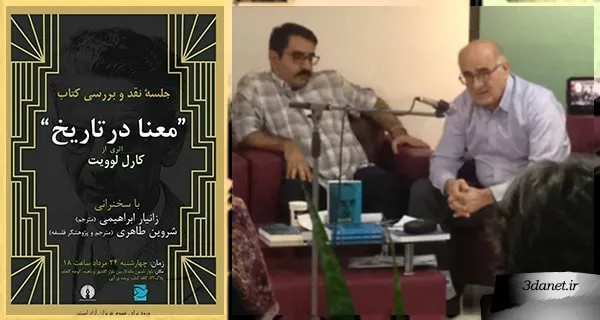
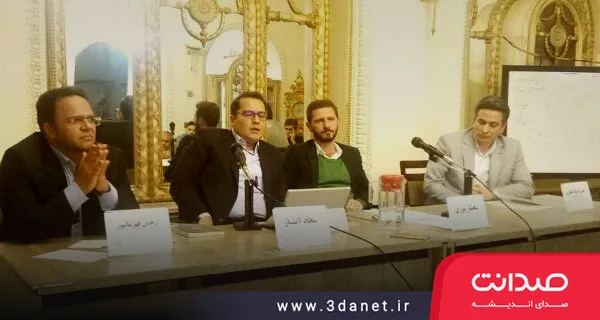
In 1945, while in exile, Karl Löwith wrote the book Meaning in History, a work that became a manifesto for critics and opponents of modernity and prompted Hans Blumenberg's elaborate and detailed rejoinder, The Legitimacy of the Modern Age. Originally written in English, the book was translated into German by Hanno Kesting and Reinhart Koselleck. The debate between Löwith and Blumenberg over the originality and autonomy of modernity vis-à-vis religious tradition is a familiar one for us Iranians, who have been embroiled in the struggle between tradition and modernity (or in other terms, the conflict between the old and the new, and the conflict between tradition and modernism) since the Constitutional Revolution; from this perspective, introducing this discussion and, undoubtedly, pursuing it diligently within the intellectual sphere of Iranian society will be highly beneficial. The book Meaning in History was reviewed and critiqued in a session on August 15, 2018, with the presence of Zanyar Ebrahimi (translator), Dr. Hossein-Ali Nowzari, and Shervin Taheri.
.
.
Audio file of this session
.
.
A review and critique of the book Meaning in History by Karl Löwith, with the presence of Shervin Taheri, Hossein-Ali Nowzari, and Zanyar Ebrahimi
The audio file was first published on the Telegram channel for socio/anthropological files
.
.

Discussion0 comments
No comments yet; let yours be the first voice.