Art
A Critique of The Salesman
The trembling house in The Salesman symbolises a psychological rift between the young couple and a violation of privacy, where the man and woman’s divergent perceptions pave the way for revenge. Emad’s fate, intertwined with that of Willy Loman, traces his transformation in the shadow of a fear of losing face.
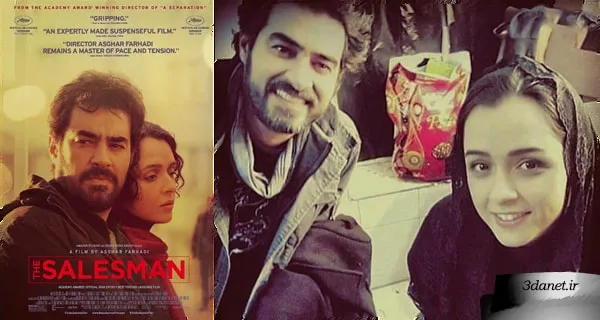
The terrifying sound of people's homes shaking, including the home of Emad and Rana, which is located in a complex, and the ensuing panic, terror, and flight of the residents, is an excellent opening for the film to show that a catastrophe is on its way. The cause of these terrifying tremors is an excavator digging a foundation. The next day, the damage to the house is clearly shown.
Most of all, the young couple's bedroom is damaged. These psychological symbols are open to interpretation...
In most interpretations of psychological schools of thought, the home is a person's place of safety. The bedroom, in this context, should be the safest of all, for it is where the intimacy of a young husband and wife takes place. But now both have been damaged, the latter more so. From the very same massive crack that has appeared above the young couple's bed, one can understand what the director is aiming for in the subsequent scenes; a rift, of a sexual nature, is to develop between the intimate couple.
The couple, having fled their damaged home, search for another. The other house is suggested to them by Babak, their aging friend and colleague. The previous tenant, a woman who lived alone, never comes to collect her belongings, even by the film's end. The belongings are in a locked room. Babak calls her, and when faced with threats, a negative response, and her resistance to removing her things, he becomes agitated, forces his way into the room, and carries her belongings outside. Another violation of a woman's privacy by a man with whom, we later learn, he had a relationship. It was probably that same relationship that made him so brazen as to enter the woman's private space.
But in this situation, Emad is opposed to this violation of privacy. Privacy is important to him. For this reason, in the taxi, he sides with a protesting woman who wanted to change her seat. Emad is a likable, easygoing teacher, a loving husband, and a responsible actor. He fulfills these three roles properly before the catastrophe occurs, but after the catastrophe, all three roles fall apart.
During Emad's absence and Rana's solitude, the catastrophe easily enters the young couple's home. The intruder flees, and we enter the house with Emad to find out what has happened to Rana. It seems the assailant did not achieve his goal and was forced to flee when the glass broke. What remains now is Rana's disturbed psyche and Emad's bewilderment, confusion, and questions.
Usually, in such a situation, the person who has been assaulted suffers from a psychological disorder called "acute stress." Stupor, psychological numbness, inability to recall an important aspect of the trauma, severe distress following repeated flashbacks of the catastrophe, avoidance of stimuli that recall the catastrophe, sleep disturbance, restlessness, irritability, poor concentration, hypervigilance, an exaggerated startle response, and agitation are among its symptoms. We can see most of these symptoms in Rana. She is now afraid to be alone, afraid to go to the bathroom, afraid the catastrophe will happen again; she is desperate and says, "Someone tell me what I should do."
Emad, who initially seemed not to take the problem seriously and was only concerned with Rana's physical condition, becomes astonished, distressed, and desperate when he hears that Rana wants to come with him to school and sit in the car, while at the same time not allowing them to inform the police about the catastrophe. This situation is normal for the majority of women whose privacy has been violated in this way, but Emad, like most men, cannot understand the reason, because the psychological meaning of privacy is different for men and women.
For this reason, he does not understand why Rana does not want to file a complaint against the assailant. When Rana says, "I can't stand in front of the police and say what happened," Emad becomes more agitated and says, "Did anything happen?" The meaning of "happened" in this catastrophe, in a man's view, is only one thing: the occurrence of sexual assault. But for the woman, this event has another meaning: the violation of privacy through being seen naked by a strange man.
It is as if, were she to recount this incident to the policemen, she would again be letting other people into her private sphere. This is the psychological reason why women are not readily willing to press charges against assailants. Let alone when no physical assault has occurred and only privacy has been violated. For this reason, it matters to Rana which of the people in their building saw her in that state. But the story proceeds as it does in reality. The husband, having doubted whether what he imagines actually happened or not, searches for the intruder….
In the next part, he learns that the previous tenant was a prostitute and that the intruder was apparently one of her clients. Again, we understand that violating privacy in this house, before the young couple moved in, had no meaning. The door was open and there was no need for intrusion. This time, however, the door was opened to the wife, not a stranger. We all expect this intruder to be young. Because in our stereotypical definition of men who are involved with a prostitute, youth and potency are prominent traits.
But this time, he is not a vigorous, powerful young man, but a decrepit, sick old man who can barely climb the stairs. One of the signs of a sick society is that even the definition of most criminals does not match the preconceived definition in our minds. For instance, the thief dresses well, the addict looks healthy, and the murderer abhors violence, and so on.
Emad, intent on revenge, targets the old man’s honor. Nothing can hurt the old man as much as losing his honor before his wife, child, and son-in-law. Emad, who cannot recount the catastrophe to others for fear of losing his own honor, understands this better than anyone. When, at the beginning, he tells the neighbor woman, “It was nothing,” and she replies, “If you had seen your wife the moment she had fallen in the bathroom, you wouldn’t say nothing happened,” his masculine pride is shattered, he sees his honor in greater danger, and the excitement of his anger intensifies.
It is precisely the comments of onlookers that guide Emad toward revenge. When Rana threatens him not to tell the old man’s family anything about his temptation, he does not understand her. Just like when he did not understand why Rana could not be alone, sleep, go to the bathroom, or file a complaint. The only thing left for the old man is his honor. Just like “Willy Loman,” the bankrupt traveling salesman in the play “Death of a Salesman,” whose role Emad is playing these days.
In this film, we also see a part of the play where his honor is lost before his son, Biff. He commits suicide in the end. But the old man who violated Rana’s privacy has no need for suicide. The fear of losing his honor has taken his breath away, and he only needs a pretext to finish it.
Emad’s slap is the final shot at his own anger, the old man’s fear, Rana’s boundless suffering, and a relationship that is no longer what it used to be. What led an old man to contemplate an extramarital affair? What made Rana unwilling to hand the intruder over to the law? What turned Emad from a kind teacher into someone who thought of nothing but revenge? These are questions we inevitably ponder at the end of the film. Why we witness so much violence, assault, divorce, betrayal, and other social harms in this society will make all of us reflect.
.
.
A Critique of The Salesman
Author: Mohammad Rezvani
Source: The Pleasures of Philosophy Channel
.
.




Discussion4 comments
فیلم فروشنده به رقیبی فرانسوی elle باخت که بسیار خوش ساخت و قوی بود، انگار که میتوان فاصله ذهن ایرانی را با فرانسوی تخمین زد. بهرحال فیلم او elle که همان موضوع تجاوز را دستمایه قرار داده، بسیار فراتر و علمی تر مینگرد. بنظر فیلم، تجاوز در گذشته بشکل، خشونت عقیدتی مذهبی بوده و همانند پدرش که محله ای را قتل عام کرده بخاطر نیات دینی، و بلاخره هم در زندان مرده، و اما تجاوز نسل میانسال فعلی که عمدتا روانشناختی بوده و انگار حتی بجز در پوزیسیون های سکسی خشن، تحریک ارگاسمیک هم نمیشوند. گرچه در نهایت حکم نهایی برای هر دو دسته صادر میکند اینست که بایستی مغزشان را متلاشی کرد. در پایان فیلم هم پیشنهاد میکند که مدیرانی همچون خودش، خانه همسایه متجاوزگر را خریده و در اختیار نسل بعدی بگذارد تا کودکان شأن را پرورش دهند. نسلی که حتی شهوت شأن هم براساس عشق و علاقه و فرزند دوستی میچرخد. مثلا عروس خودش هم گرچه از دیگری باردار شده اما بر سر بچه نامشروع شأن تعصب دارند برخلاف مادر پیر خودش که هنوزم که هنوزه، بدنبال معشوقه های جوانتر ست. تفاوت سه نسل مختلف را بخوبی نشان میدهد. شاید شجاعت فیلم در امیدی نهفته ست که به نسل لطیف و سالم آینده دارد، زنی مدیری میانسال که چرخه خشونت تجاوزگرانه را میشکند و نسل مسوول و خانواده گرا می پرورد. فروشنده به چنین فیلمی باخته ست، که دیدنش را توصیه میکنم، خوشبختانه دیروز فرصتی شد تا دو بار ببینمش
آش نخورده و دهن سوخته! یه ضرب المثل قدیمی میگه که خمیازه، خمیازه میآره بیچاره اونی که مرد. ریشه داستانیش هم اینه که گویند ملکه در محضر سلطان از سر بی حوصلگی چندین بار دچار خمیازه شد که ناچارا به وزیرش هم سرایت کرد، پادشاه هم بالاغیرتا مشکوک ناموسی شده و دستور داد وزیر را اعدام کنند اما بعدا که متوجه اشتباهش بانویش را بخشیده و عفو فرمودند. این فیلم هم تقریبا یادآور این حکایت قدیمی بود. یعنی فقط یک سیلی کافی بود؟!! آنهم برای سوتفاهم ( نه تجاوز واقعی ) ... خیلی کلیشهای همانند فیلمهای خارجی!!! البته چندان همه سیلی کم برکتی هم نبوده که بدنبالش سکته قلبی می آورد. اما شاید این فیلم ازین جهت مفیدست که بنوعی تبلیغ ملایم تری در قبال مسایل ناموسی دارد آنهم در کشوری که ظاهرا فرهنگ ناموسی شدید و شاقی حاکم ست.
نقد به نظرم باید فراتر از تعریف فیلم و این شکل تفاسیر سرپایی برود. این ها را یک مخاطب نیمه حرفه ای هم به راحتی شاید بتواند دریابد. لاکن منتقد باید کمی در افکار و جهان بینی مولف اثر هم غور کند و اثر را با در نظر داشتن پدیدآورنده ی آن بررسی و واکاوی کند. شما باید سیر فکری آقای فرهادی را به عنوان سناریو نویس این فیلم و صد البته به عنوان کارگردان در نظر داشته باشید.
این فیلم یکی از بهترین فیلم هایی بود که دیدم..فقط بهتره تو بحث نقد به مسائل دیگه هم توجه کرد و به احساسات مردانه عماد نیز توجه بشه...