Art
A Discussion on the Film Cyanide
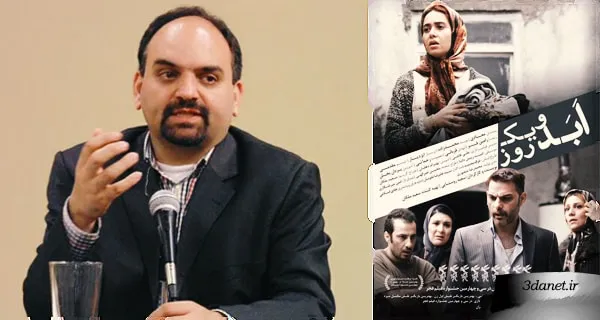
At a discussion session on the film Cyanide, Hadi Khaniki examined the Mojahedin-e Khalq's internal purges from an ethical perspective, while Mohammad-Javad Gholamreza Kashi analyzed the politics of liberation and democracy in the work.
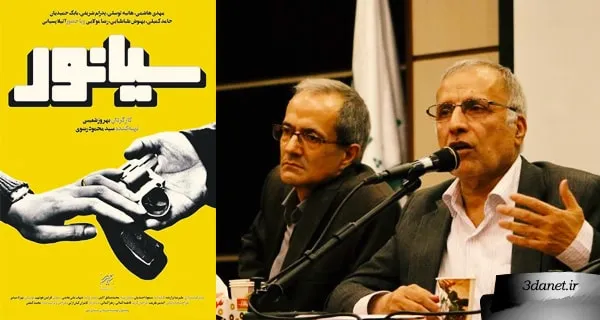
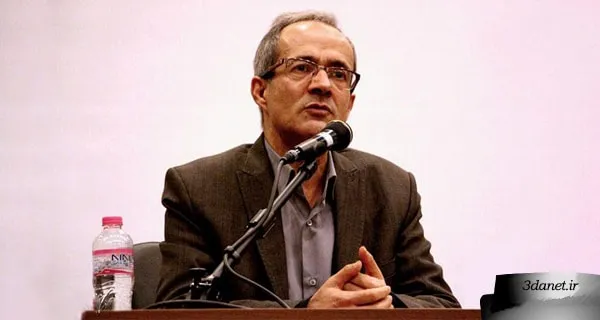
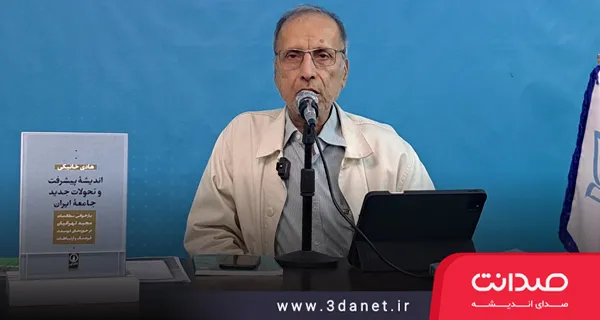
On 18 November of this year, Hadi Khaniki and Mohammad-Javad Gholamreza Kashi – professors in the departments of Communication Sciences and Political Science at Allameh Tabataba'i University – attended a screening and critique session of the film Cyanide and discussed the film.
Khaniki recounted his memories of the internal purges within the Mojahedin-e Khalq and examined them from an ethical perspective. Kashi spoke of two modes of political practice: the model of emancipatory politics and the model of democratic politics. While enumerating the characteristics of each of these two types of political life, he pointed out that each has its own sublime/ideal form and, at the same time, its own degenerate form, and from this angle, he examined the film Cyanide and this mode of political existence.
Cyanide is the first work by Behrouz Shoeibi – as director – which examines a portion of the historical events of 1975 and aspects of the life of Majid Sharif Vaghefi.
Khaniki, who himself was a member of this organization – from its Islamic faction – in the 1970s, has written about this:
"Forty-five years ago, on the fourth of Azar 1350 [25 November 1971] – one month after the famous 2,500-year celebrations – I was arrested in Shiraz. I was twenty years old that day, a student, and exhilarated by life in a small world but one brimming with ideals and meaning, and this first experience of prison was not separate from my other lived experiences at university and among the people of Shiraz. If 'Khanik' shaped my childhood and 'Mashhad' my adolescence and youth, Shiraz made me social and political and gave me the ability to enter interconnected and nested worlds and to confront life's difficulties. That is why every corner and alley of Shiraz is a field of memories for me.
That arrest did not only lead to torture and prison. Later, it also led to expulsion from university, re-imprisonment, forced conscription into military service, and turning to a clandestine life; but all of these opened paths toward other lessons, more learning, greater joys, loftier ideals, and clearer realisms. I have not yet forgotten the past, but neither have I become a prisoner within it: the reading of history need not be aimed at constructing a historical and rigid mentality confined within memories, but can seek an open understanding of the past based on dialogue. Rumi's words for this type of encounter with history are worth hearing and admiring:
Reading without pain is from numbness!
Reading with pain is from heart-stealing!"
.
.
Session Reviewing the Film Cyanide
Download the audio file of this session here.
.
.

Discussion0 comments
No comments yet; let yours be the first voice.