Literature
A Lecture by Mostafa Malekian: The Necessity of Critiquing the Literary-Cultural Heritage
Mostafa Malekian identifies three motives for turning to the literary heritage: awareness of a society's history, enjoyment of the formal beauty of language, and learning from its content; he then explains the necessity of critically examining this literary-cultural heritage.
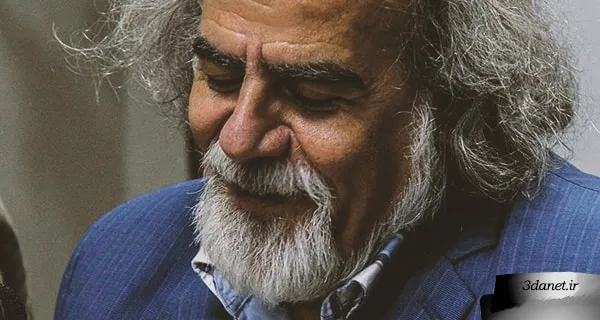
What is the existential rationale for referring to the literary-cultural heritage? What benefit will this reference have for us? In this talk, Professor Malekian subsumes reference to the literary heritage under three headings:
First. Some of those who refer to the literary-cultural heritage intend to become informed about the history and culture of their own society, and since a part of a society's history is its literary history, they refer to the literary-cultural heritage.
Second. The words of great poets and writers possess a beauty in terms of form, shape, appearance, and mold, and some of those who refer, by their reference, have no aim other than deriving pleasure from this beauty.
Third. Reference to the literary heritage can be for the reason that, in addition to beauty, its content is also addressed. That is, the beautiful garment of form is removed, its substance is attended to, and something is learned. In the continuation, Professor Malekian raises and elaborates upon the necessity of critiquing the literary-cultural heritage.
.
.
Audio of the Lecture: The Necessity of Critiquing the Literary-Cultural Heritage
(Download from Server 1 - Download from Server 2)
.
.
The Necessity of Critiquing the Literary-Cultural Heritage
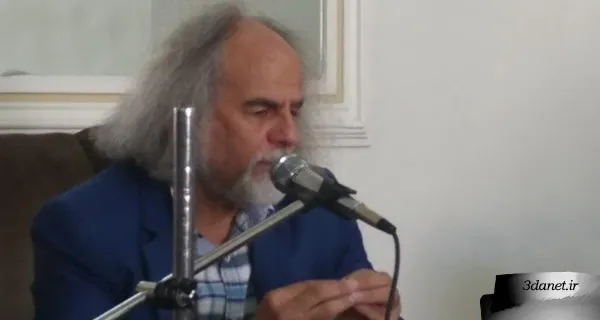
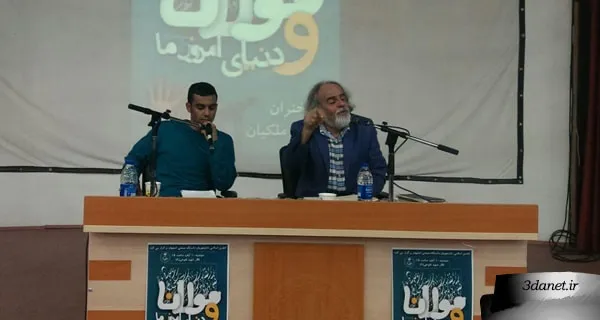
A Lecture by Mostafa Malekian in Shiraz
Hafez Anniversary, 12 Mehr 1394
.
.

Discussion0 comments
No comments yet; let yours be the first voice.