Philosophy
A Transition to the 'Third Paradigm'? The Future of Science and Theism
Empirical science predicts; it does not explain why phenomena occur—this is what distinguishes it from natural philosophy. A shift to a 'third paradigm' is necessary for ontological questions; achieving it under capitalism is difficult but not impossible.
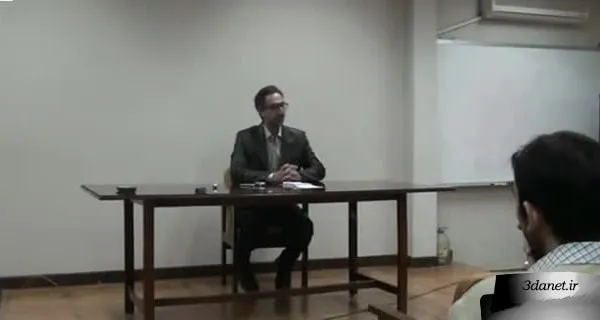
Roozbeh Tooserkani
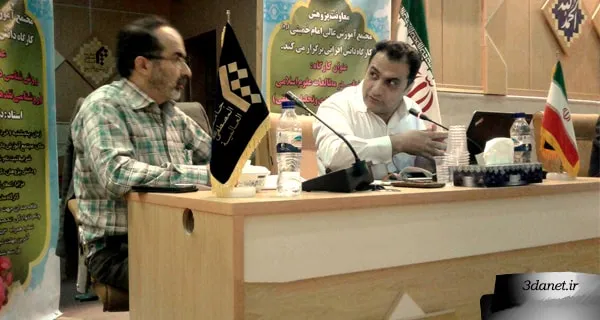
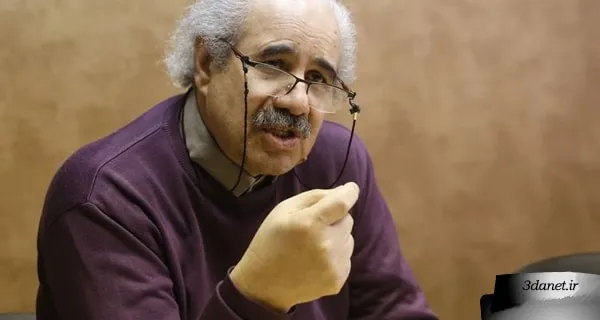
SpeakerIn this lecture, delivered for Iranian students at the University of Toronto (February 2019), Dr. Roozbeh Touserkani takes a brief look at the two paradigms—before and after Galileo—and considers modern empirical science (science) as possessing a will directed toward the prediction of natural phenomena based on mathematical calculation. While this will has been highly successful in increasing natural observations and the precision of calculations, and is accompanied by the production of technology and mastery over the environment, such an intellectual framework, contrary to what is usually claimed, has no concern for explanation in the sense of understanding the why of natural phenomena, and is fundamentally not designed to move toward answering humanity's philosophical questions about existence; something that distinguishes science from 'natural philosophy' as it continued from ancient Greece, and especially the Aristotelian era, up to the sixteenth and seventeenth centuries.
Dr. Touserkani explains that this shift in attitude within the structure and presuppositions of modern science compared to natural philosophy is a neglected point even for the majority of scientists who are unfamiliar with the philosophical tradition yet still claim to answer humanity's ontological questions and consider science as standing against philosophy (in the general sense) and its heir. Among the loudest of these activists are the 'New Atheists' or so-called 'scientism' proponents, who display the greatest disregard for the essential difference between philosophical explanations of the world (such as those undertaken in philosophy and religion) and what fits within the capacity of science in its contemporary sense.
In Dr. Touserkani's view, only a change from the current (post-Galilean) paradigm and a transition to a third paradigm—one based on moving toward explanation and the elucidation of phenomena, free from the will directed at mere calculation and the production of technology/capital, and aimed at answering humanity's fundamental ontological questions—can quench the philosophical thirst; a future whose attainment does not seem easy in the era of capitalism, though it is not impossible.
.
.
Audio of this lecture
.
.
A Transition to the 'Third Paradigm'? The Future of Science and Theism
Dr. Roozbeh Touserkani
The Mirath Group (Muslim Iranian Association)
University of Toronto, 12 February 2019
.
.
Dr. Roozbeh Touserkani's website
Telegram channel of Dr. Roozbeh Touserkani's works
.
.
Discussion1 comments
با سلام کاش سخنران محترم مراد خود را از تبیین (explanation) روشن میکردند. ظاهرا معنای مورد نظر ایشان متضمن نوعی غایت شناسی است ...