Philosophy
One-Day Symposium on the Philosophy of Mathematics
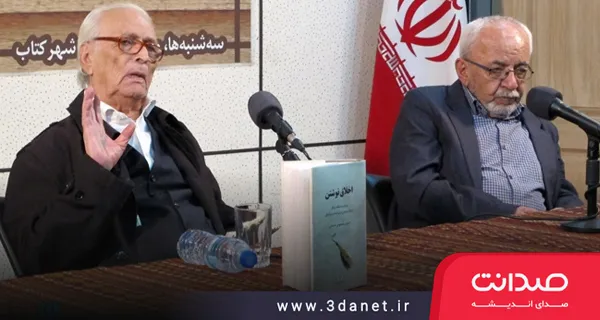
A one-day symposium on the philosophy of mathematics was held at Sharif University of Technology, featuring Rouzbeh Touserkani, Siavash Shahshahani, and Mehdi Nasrin. The session was devoted to a critique of the formalist and intuitionist schools and a dialogue among the professors on the field's contentious issues.
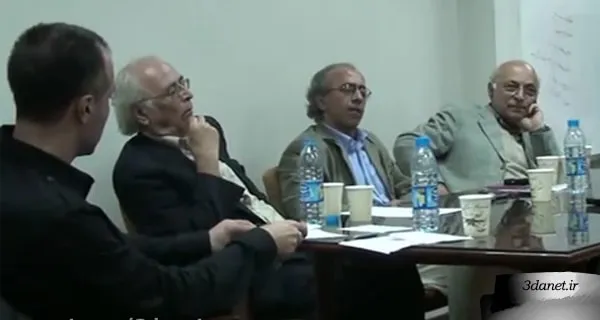

Mahdi Nasrin
Speaker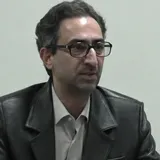
Roozbeh Tooserkani
Speaker
Seyyed Zia Movahed
Speaker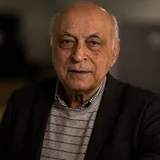
Siavash Shahshahani
Speaker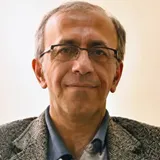
Mohammad Ardeshir
SpeakerThe philosophy of mathematics is a branch of philosophy that deals with philosophical questions arising from the science of mathematics. Among the important schools of the philosophy of mathematics, one can mention logicism, intuitionism, formalism, and realism.
In logicism, the attempt is made to reduce mathematical concepts and propositions to logical concepts and propositions. The background of this theory goes back to a critical view of Kant's opinions on mathematics. Intuitionism, however, holds that the truth of mathematical propositions can only be perceived and understood through mental constructions that prove that proposition to be true, and communication between mathematicians is merely a means that can create identical mental processes in different minds. Proponents of formalism believe that the foundations of mathematics are entirely formal and its problems can only be advanced and solved with regard to these formal foundations. Realism, with its very long history, claims that mathematical laws exist and in mathematical activity one cannot open a path except in accordance with them. They hold such a view toward the mathematical categories themselves.
Discussions in the philosophy of mathematics, despite belonging to a specialized field of knowledge like mathematics, have long been linked with most major branches of philosophy and have remained so to this day. The outcomes of many disputes in the philosophy of mathematics have ultimately determined the fate of many philosophical discussions. Perhaps Gödel's problem is considered among the most famous of these discussions.
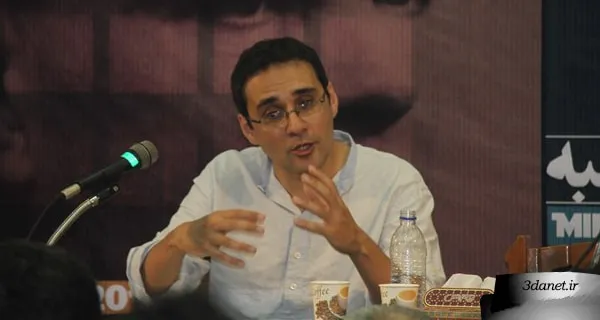
The upcoming session is a one-day symposium on the philosophy of mathematics held on November 3, 2010, at Sharif University of Technology. In this symposium, Dr. Roozbeh Touserkani, a researcher at the IPM, first discusses his experiences and philosophical transition regarding the two important theories of formalism and intuitionism. Subsequently, Dr. Kaveh Lajevardi briefly critiques his remarks. In the second lecture, Dr. Siavash Shahshahani, a full professor of mathematics at Sharif University, opens a critical approach to the philosophy of mathematics and expands his talk on the misunderstandings and misconceptions about the philosophy of mathematics in its relation to mathematics. In the third lecture, Dr. Mehdi Nasrin, a former professor of philosophy at Sharif University, tries to delve into the old dispute about the a priori or a posteriori nature of mathematical propositions and emphasize the main points of the discussion.
After these three foundational lectures, it is time for a dialogue among the professors on the contentious issues of the philosophy of mathematics. The attachment of these professors to different philosophical schools has made the discussions among them more serious and, of course, more worth hearing. Dr. Zia Movahed, Dr. Mohammad Ardeshir, and Dr. Siavash Shahshahani have sat down for a dialogue in this symposium. The scientific secretary of the session is Dr. Kaveh Lajevardi.
.
.
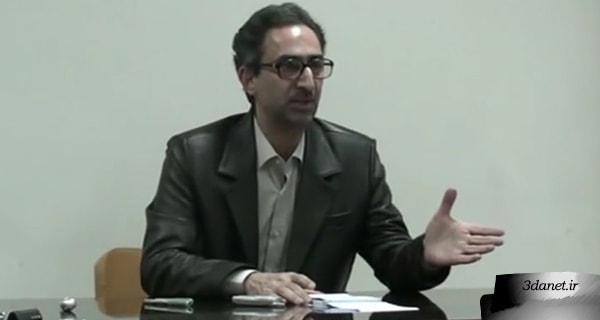
Dr. Touserkani's Lecture; Intuitionism versus Formalism: The Roots of the Dispute
Watch on Aparat | Download Audio File
.
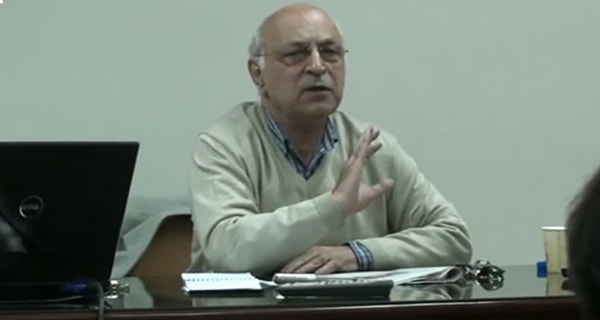
Dr. Shahshahani's Lecture; The Philosophy of Mathematics and Mathematicians
Watch on Aparat | Download Audio File
.
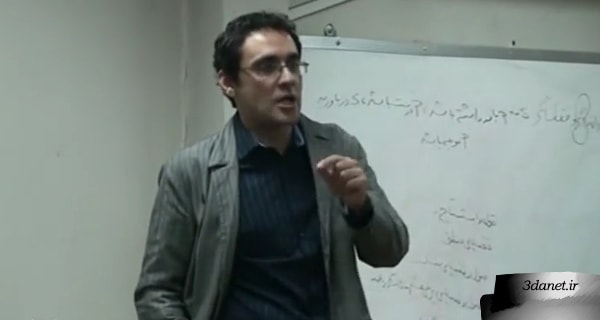
Dr. Nasrin's Lecture; The A Priori or A Posteriori Nature of Mathematics
Watch on Aparat | Download Audio File
.
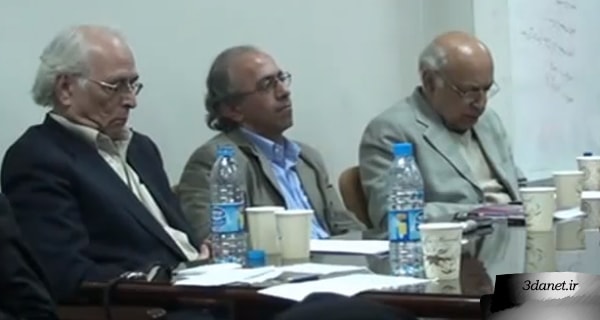
Debate between Dr. Movahed, Dr. Ardeshir, and Dr. Shahshahani; Intuitionism and Formalism
Watch on Aparat | Download Audio File
.
.
One-Day Symposium on the Philosophy of Mathematics
Sharif University, November 2010
.
.

Discussion5 comments
ریاضی متضمن گزاره های متنوعی است ؛ برخی به پدیده های محسوس قابل ارجاع هستند ( هندسه مقدماتی ، جمع و تفریق اشیا ... ) ، برخی برآیند استدلال اند و قابل سنجش با پیامدهای محسوس تکرارشونده مشترک ( قواعد ضرب و تقسیم ... ) و برخی محصول جهش در روند اشتغال به موضوعات و مضامین ریاضی . از این منظر ، ریاضی هم تجربی است ، هم منطقی و هم شهودی .
سلام و متشکرم فایل صوت اول _ آقای دکتر توسرکانی _، من نتوانستم دانلود بکنم. قربانام
سلام و درود اصلاح شد
سلام. آقایِ مَهدیِ نَسرین البته که یکی از بهترین پِژوهشگران و مدرّسانِ فلسفه و بخصوص فلسفهٔ علم در ایران بودند، آن زمان که قدیمیترین مرکزِ فلسفهٔ ایران آباد بود. ولی حتمًا آقایِ نسرین در آن سالها «رواندرمانگر» نبودند و بعید میدانم خودِ ایشان هم چنان چیزی گفته باشند. البته این هم بامزه است که شیئی بعدتر دارایِ *فُلان* ویژگی شود و در همان «بعد» ما بگوییم «قبلتر» هم واجدِ همان ویژگیِ *فُلان* بوده است! بامزه است جون میتوان در مابعدالطّبیعه بحثش کرد. علاوه بر اینها آقای نسرین چند سالِ پیش یادداشتی در وبلاگ فلسفهٔ علم دانشگاهِ شریف نوشتند و گفتند «از نردبان فلسفه پایین آمده است» و بقولی رها کرده. پس احتمالًا ایشان الآن هم فلسفهورزی نمیکنند و مشغولِ کارهای مربوط به «رواندرمانگری»اند. در نتیجه و اگر حرفهای بنده درست باشند، ایشان الآن یا فیلسوفاند و یا رواندرمانگر(و فیلسوفِ سابق و رواندرمانگرها فعلی!)، نه هر دو با هم(با واوِ عطف!) چه قبلتر و چه بعدتر از آن قبلتر! http://pofsut1.blogspot.com/2012/09/blog-post_22.html?m=1
سلام ممنون از تذکرتون، اصلاح شد