Philosophy
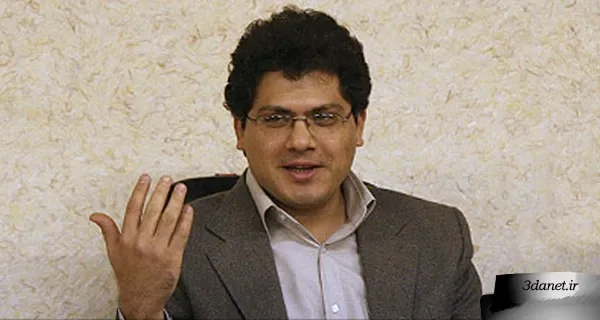
Lectures on the Philosophy of Science by Dr. Mehdi Nasrin
Dr. Mehdi Nasrin's lectures on the philosophy of science survey positivism and the ideas of Schlick, Carnap, and Popper, examining the relationship between science and metaphysics, falsifiability, and the structure of scientific knowledge.

The discipline of the philosophy of science is a second-order knowledge that engages in rational inquiry into the method and structure of science. In the modern era, attention to the philosophy of science has increased, both due to the progress of the sciences and the irreplaceable role of the empirical sciences among human knowledges. Today, the philosophy of science course is a required or elective unit in many universities across various fields of knowledge. The upcoming series of sessions comprises the lectures of Dr. Mehdi Nasrin at Sharif University of Technology in 2004. These lectures were presented as an introductory acquaintance with the topics of the philosophy of science.
.
.
Session One of the Philosophy of Science Lectures
Audio of this Session - Text of this Session
Topics Discussed:
1_ Examination of Schlick's article 2_ The positivist approach 3_ The principle of the verifiability of meaning 4_ The grounding of knowledges on immediate sensory knowledge 5_ The criterion of meaningfulness 6_ The concept of observability 7_ The meaninglessness of metaphysical propositions
Every philosophical school, after emerging, gradually undergoes changes and transformations, and there are always individuals within the school who are considered orthodox, and also individuals who stand against the principles that the orthodox members advocate. Positivism, too, since the term was used by Auguste Comte, has undergone changes, and there were individuals who were considered positivists but did not speak on a single subject. For example, specifically, the positivism of Mach and Comte differed from the positivism of the Vienna Circle. Here, Schlick wants to introduce positivism. From Schlick's perspective, positivism means a school whose goal is the rejection of metaphysics and considers this its duty.
.
.
Session Two of the Philosophy of Science Lectures
Audio of this Session - Text of this Session
Topics Discussed:
1_ The distinction between the theory of meaning and meaningfulness 1_ Semantic overload 2_ Fact-stating propositions 3_ The relationship between philosophy and science 4_ A priori assumptions in scientific propositions 5_ Psychological states 6_ The results of Schlick's discussion 7_ The modification of verifiability to confirmability 8_ The difference between analytic and continental philosophers 9_ An examination of Bridgman's theories and views in logical positivism 10_ Bridgman's operationism
The philosophical claim of the Vienna Circle is that when scientific theories change, philosophies also change. Because in Schlick's time, Newton's theory of absolute time had been rejected and the theory of relativity had been confirmed, propositions that speak about absolute time are meaningless, because according to Einstein's theory, one cannot say what the semantic overload is. The Vienna Circle viewed science as a current that becomes more successful every day, so today's science is more successful than past science, but in science, no concept can be defined absolutely and a fixed meaning can be considered for it, and one must always await the change of concepts used in a science. Therefore, philosophers cannot make universal, general propositions about scientific concepts and must be ready for the evolution of these concepts at every moment.
.
.
Session Three of the Philosophy of Science Lectures
Audio of this Session - Text of this Session
Topics Discussed:
A) Some points regarding previous discussions 1_ The meaning of observability 2_ Time in Newtonian and Einsteinian physics 3_ Explanation and prediction 4_ Meaningfulness and truth 5_ The meaningfulness of historical propositions 6_ Meaningfulness in relation to the reality of the world B) Continuation of the discussion on Bridgman's theory 1_ The relationship between scientific terms and the concept of measurement 2_ Openness to presuppositions 3_ Connection and disconnection between theoretical concepts 4_ The necessity of accepting a plurality of theoretical concepts 5_ The relative character of scientific knowledge 6_ Examination of some examples of scientific propositions in relation to Bridgman's theory
In psychology, the Vienna Circle's position is logical behaviorism, and according to this view, any proposition in which a psychological predicate such as pleasure, happiness, etc., is used, if it is meaningful, must be translatable into a set of propositions in which only physical predicates are used. The difference here between Schlick and the Vienna Circle on one hand, and Bridgman on the other, is that Bridgman's focus of discussion is concepts, whereas for Schlick and the Vienna Circle it is propositions. According to the theory of behaviorism, for example, a person who pretends to be insane, if they act in all possible circumstances in a way that indicates their insanity, then they are insane. Or if someone has a toothache, this proposition is meaningful when it is translatable into a finite set of behavioral propositions. Such as moving towards a dentist, or placing their hand on their face, and having an elevated heart rate, and so on... The further claim that the qualitative character of a toothache for two people, despite identical behaviors, could be different, is unintelligible.
.
.
Session Four of the Lectures on the Philosophy of Science
Audio of this Session - Text of this Session
Topics Discussed:
An examination of the views and theories of Rudolf Carnap 1_ The difference between internal and external questions 2_ Adding a new linguistic framework and accepting it 3_ The nominalists' objection and Carnap's response 4_ Summary
An excerpt from the session: The title of the article by Carnap that we are reviewing is: Empiricism, Semantics, and Ontology. The article began with the statement that radical empiricists (nominalists) view abstract entities with suspicion. It seems that even if a nominalistic language could be constructed, it would not be much to the liking of physics, because physics genuinely uses numbers, and what it recognizes as the quantity of things and represents with numerical values truly exists. (However, positivist philosophers of science like Mach were expected to expel abstract entities from science entirely. But it seems such a move could not be made). Classical empiricists like Locke and Hume considered only the information obtained through the senses (the given) to be meaningful. In that case, one must move towards a nominalistic language. But on the other hand, if we do not deny abstract entities, will we then fall into Platonic realism and transcendental metaphysics? So the first question in this article is: ultimately, what should we, as empiricists, do with abstract entities?
.
.
Session Five of the Lectures on the Philosophy of Science
Audio of this Session - Text of this Session
Topics Discussed:
1_ Examination of Popper's Views and Theories 1. Induction and the Demarcation of Science from Non-Science 2. The Resistance of Theories to Falsification 3. Conjecture and Falsifiability 4. The Aim of Science; Approximation to the Truth 5. Summary: 2_ Popper's View on Carnap
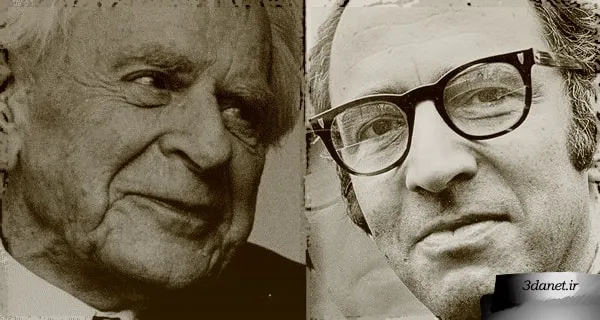
From Popper's perspective, there are 4 periods in Carnap's work: 1- The period of providing a physicalist language based on physical data. 2- The period of the unified science thesis, which is very close to the physicalist language. 3- The period of the logical syntax of language, which attempts to formulate propositions within a formal language based on conventional rules. 4- The period of conceptual frameworks that are close to science. In Popper's view, Carnap's perspective has always been that scientific propositions should remain and metaphysical propositions should be eliminated. Ultimately, he resorts to pragmatic considerations.
.
.
Sixth Session of the Lectures on the Philosophy of Science
Audio of this Session - Text of this Session
Topics Discussed:
Continuation of the Discussion on Popper's Theory 1_ Deductive Testing of Theories 2_ Rules of Scientific Method 3_ The Relation Between Logical Rules and Methodological Rules Pertaining to Theory 4_ Commitment to Generalizing Methodological Rules 5_ Critique of the Conventionalists' Theory 6_ The Relationship Between Observation and the Process of Falsification 7_ The Trilemma of Dogmatism, Psychologism, and Infinite Regress
Popper's critique of the conventionalists is like Russell's critique of radical skepticism. Russell said of radical skepticism that adopting a skeptical stance, although logically consistent, is an irrefutable position and opens no path to knowledge. In a similar vein, Popper maintains that the conventionalists' stance, although it involves no logical inconsistency, results in a kind of irrefutability. That is, the propositions favored by conventionalists can be accepted logically, but since these are rules for permanently preventing theories from being eliminated, they cause a kind of irrefutability. In this respect, the disagreement between Popper and the conventionalists lies in matters such as simplicity and the ability to cognize the reality of the world, and these matters are not achievements of logic and experience. What settles the dispute here are external questions and considerations.
.
.
Seventh Session of the Lectures on the Philosophy of Science
Audio of this Session - Text of this Session
Topics Discussed:
Review and examination of Hilary Putnam's article
Continuing the examination of Quine's



Discussion7 comments
سلام، این درسگفتار می توانست کمتر ثقیل باشد. دانشگاه شریف است دیگر. به دوستان علاقه مند دکتر و غیر دکتر هم عرض کنم که بهتره چیزایی را که نمی فهمم، تلاش کنم تا درک کنم تا بالاخره بفهمم. نیازی به ایرادگیری نیست. یعنی کدام سخن هست که ایراد نداشته باشد. آنهم ( در اینجا ) فقط یک یا دو ایراد - کاملا مشخص!؟ - داشته باشد. سپاسگذارم از زحمتهای صدانت
فکر میکنم حقیقت جهان فیزیکی! رو بشه با دسترسی مستقیم به وجود له نفسه اثبات یا درک کرد به هرحال به نظر من حقیقت جهان فیزیکی به اندازه انسان راستین عجیبءغریب و دور از دسترسه
آقای حجت جانان شما فرمودید ظهور انسان راستین دروغ است. در این بیان شما از دروغ نام برده شده پس شما قائل به صدق ، راست، دروغ، و بودن هستید. شما توصیف خودتان را ارائه بفرمایید. چه چه چیز راست است؟
حقیقت همین جهان فیزیکی هست که می ببنبد
اخلاق که متکی به عقل است راست است میبایست تا حد ممکن اخلاقی زیست البته واضح است که منظور من اخلاق جدای از دین است که ممکن است بعضی مواردش را دین تایید کند وبعضی دیگر را تایید نکند انچه باید مبنای رفتار ادمیان باشد اخلاق بر مبنای عقل است ولی نمیتوان الگوی تام وتمامی ارائه کرد الگوها همه مشروط وناقص ومحدود هستند انسان کامل ادعایی بیش نیست ووجود خارجی ندارد
ظهور انسان راستین هم دروغی دیگر است برای اینکه تفکر خودرا راست ودرست جلوه دهید انسان راستین توهم است خیال است وهرگز به انجام نخواهد رسید انسان راستین خودش بزرگترین دروغ است
پایان تاریخ دروغ مبارکباد ! تاریخ تمدن مادی بشر در یک کلام تاریخ دروغھای بشر است . دروغی بنام تمدن ، دروغی بنام فلسفه ، دروغی بنام علم ، دروغی بنام تکنولوژی ، دروغی بنام رفاه و پیشرفت ، دروغی بنام آزادی و دموکراسی و برابری ، دروغی بنام سوسیالیزم و فمینیزم ، دروغی بنام حقوق بشر ، دروغی بنام انترناسیونالیزم ، دروغی بنام ناسیونالیزم و ... و دروغھائی ھولناکتر از این دروغی بنام مسیحیت که از عداوت با مسیح برخاسته بود ، دروغی بنام صھیونیزم که از عداوت با موسی برخاسته بود و دروغی بنام اسلام که از عداوت با محمد (ص) و علی (ع) برخاسته بود و ... و دروغی لطیف تر و شیطانی تر از ھمۀ اینھا دروغی بنام عشق و ایثار که اشد آدمخواری بود . و نیز دروغی عظیم بنام تاریخ . و بشمارید صدھا دروغ دیگر را : تعلیم وتربیت ، صلح جھانی ، استقلال ، فضیلت ، تقوا و زھد ، روحانیت و قداست و دروغی بنام بھداشت و درمان ، و دروغی دگر بنام تروریزم ، و دروغی دگر بنام مبارزه با تروریزم ، و دروغ مدرن دیگری بنام انقلاب و پدر ھمۀ دروغھا یعنی مدرنیزم . و دروغھای مکتبی مثل اصالت وجود ، اصالت انسان ، اصالت زن ، اصالت دل و اصالت ھنر ، رومانیزم ، اکسپرسیونیزم ، ھیپی گری ، درویشی گری ، بھائی گری ، انرژی درمانی ، احضار روح ، و دروغھای به اصطلاح علمی : روانشناسی ، جامعه شناسی ، مردم شناسی ، انسان شناسی ، روح شناسی و.... . و در ھزارۀ سوم شاھد رسوائی و فروپاشی تاریخ دروغھای بشری ھستیم که خود بدست خود رسوا شده و به خود براندازی مبتلا گردیده است و بھمراه نظامھای جھانی خود در خود می شکند . ھزارۀ سوم ھزارۀ بحران است : بحران لایۀ اوزون ، بحران ایدز ، بحران اعتیاد ، بحران خودکشی ، بحران تروریزم ، بحران مالی ، بحران لیبرالیزم ، بحران انرژی ، بحران نان ، بحران پزشکی ، بحران زناشوئی ، بحران جنسی ، بحران امنیت ، بحران عشق ، بحران آنفولانزا ، بحران آب ، بحران اخلاق، بحران سونامی، بحران زلزله ھا و... و اینھا یعنی بحران علم و تکنولوژی و تمدن بشری و بحران تاریخ : پایان تاریخ : آخرالزمان ! در دورانی ھستیم که براستی جز خدا پناه و یاوری نیست . ولی نه آن خدائی که خود دروغ اکبر و جھانی ترین دروغ بشر بود و ھر فرد و گروھی خودش را بنام خدا می پرستید . بلکه خدائی در ھیبت انسانی . ھموئی که ناجی موعود نامیده می شود . در حقیقت ظھور این خدای انسانی و انسان خدائی است که ھمۀ دروغھا را رسوا کرده و دروغگویان را افشاء نموده است و دروغشان را برسرشان شکسته است . ظھور انسان راستین است که انسان دروغین را با خودش به بن بست و خودبراندازی کشانیده است . ظھور انسان بر انسانیت مبارکباد ! از کتاب " دایره المعارف عرفانی " استاد علی اکبر خانجانی جلد پنجم ص 64