Religion
Amir-Hossein Torkashvand: Fasting and Returning to the Original Ruling of Islam
The diversity of Qur'anic rulings reflects its attention to the exigencies of the time, just as fasting evolved from three days a month to the month of Ramadan. In light of the dangers of COVID-19, Amirhossein Torkashvand proposes a return to Islam's original fasting model.

Muslims believe in “all” the verses of the Quran, and it is not the case that they consign one verse to the archives and make another the banner of their Muslim identity; for this reason, when encountering differing rulings in the Quran on a single subject, they attribute that difference and multiplicity to the various phases of the prophetic mission, and to changing circumstances and equations. This “change” indicates the fluidity, buoyancy, realism, and up-to-dateness of the Quran, and its attention to “exigencies”; for instance, if the Quran, in confronting opponents of the Prophet’s mission, decreed “in one place coexistence, in another forbearance, in another severance, in another struggle, in another peace, in another forgiveness, and so on,” these differing reactions (in addition to other factors, also) were certainly in view of the differing actions of the opponents of this nascent religion, and consequently, always insisting on perpetual struggle and severance and cutting off relations, or always insisting on peace, tolerance, and forbearance, is a single, unreasonable, and rigid policy.
The Meccan Fasting Model for the Corona Era:
It is said that the noble Prophet and his companions, at the beginning of Islam, fasted three days a month. There are numerous reports on this matter; some even extend this fasting practice back to Adam and Noah:
The first fast was observed by Noah and those after him, until the Prophet and his companions observed it, and their fast was three days each month until nightfall, and thus the Prophet and his companions fasted[1]
... and he (PBUH) and his companions, before Ramadan was made obligatory, used to fast three days every month ...[2]
Many exegetes (definitively or probably) consider the verse “a limited number of days”[3] to refer to this very fasting practice in Mecca:
“A limited number of days” ... and there is disagreement about these days, on two opinions: one is that they are other than the month of Ramadan, and it was three days of each month, and the fast of Ashura ... and the other is that the limited days are the month of Ramadan[4]
Ata and Qatada said: The limited number of days were three days of each month, then it was abrogated. And likewise it is narrated from Ibn Abbas. And Ibn Abi Layla said: What is meant by it is the month of Ramadan[5]
The people of interpretation differed concerning what God, Almighty and Majestic, meant by His saying: “A limited number of days.” Some said: The limited number of days is the fast of three days of each month. He said: And that was what was prescribed for people of fasting before the month of Ramadan was prescribed for them[6] .
Exegetes say that this fasting practice was then (for reasons that must be deduced) replaced by the verse of the month of Ramadan[7], and 36 days of fasting per year (3 days each month) became 30 consecutive days of fasting in the month of Ramadan:
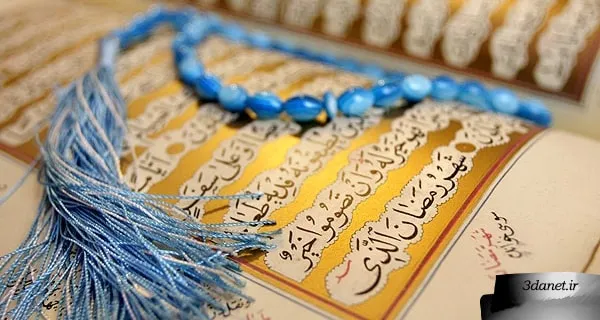
O you who have believed, decreed upon you is fasting as it was decreed upon those before you that you may become righteous[8] [Fasting for] a limited number of days. So whoever among you is ill or on a journey [during them] – then an equal number of days [are to be made up]. And upon those who are able [to fast, but with hardship] – a ransom [as substitute] of feeding a poor person [each day]. And whoever volunteers excess – it is better for him. But to fast is best for you, if you only knew.[9] The month of Ramadhan [is that] in which was revealed the Qur'an, a guidance for the people and clear proofs of guidance and criterion. So whoever sights [the new moon of] the month, let him fast it; and whoever is ill or on a journey – then an equal number of other days. Allah intends for you ease and does not intend for you hardship and [wants] for you to complete the period and to glorify Allah for that [to] which He has guided you; and perhaps you will be grateful.[10]
Now, if a month of continuous fasting leads to a "weakening of the body's immune system," making the ground harder and more unfavorable for the dangers posed by the rapidly spreading novel coronavirus and increasing the risk of mortality, why should we not return to the original practice of fasting in Islam and, according to "necessity," revive the fasting of three days per month? Especially since some early scholars held that those three days could be substituted with three days of feeding the needy.
Are we not now facing such exigencies and in need of selecting the best and most appropriate verse related to the current special conditions?
God's Flexibility
It is said that whenever a verse with harsh and severe content was revealed to the Messenger of God, the people would accept it and act according to God's will, and [naturally] they would suffer hardship; it was at this time that God [showed flexibility and] ended that hardship by revealing a new verse that was softer and easier (Ibn Abbas said: When a verse containing severity was revealed to the Messenger of God, the people adopted it and acted upon it as long as God willed, and that caused them hardship, so God Almighty abrogated this severity and brought them something more lenient and easier for them.) [11]
It should be noted that the author's understanding of the fasting verses is a parenthetical view of the verse of the month of Ramadan, which I did not make the criterion in this note and tried to present a proposal based on the famous interpretation.
.
.
[1] Al-Durr al-Manthur, vol. 1, p. 177
[2] Al-Sirah al-Halabiyyah, vol. 2, p. 358
[3] Al-Baqarah 184
[4] Majma' al-Bayan, vol. 2, p. 9
[5] Tafsir al-Tibyan, vol. 2, p. 116
[6] Tafsir al-Tabari, vol. 2, p. 177
[7] Al-Baqarah 185
[8] Al-Baqarah 183
[9] Al-Baqarah 184
[10] Al-Baqarah 185
[11] Tafsir al-Samarqandi, vol. 2, p. 291
.
.



Discussion2 comments
احسنت
باسلام. تفسیرقران بدون توجه سنت نبوی به بیراه منتهی میشود.بهترازرسول الله که نمیتوان شرع را تفسیرکرد.خودنویسنده محترم میگوید درابتدای کارروزه بصورت ناپیوسته وسه روزدرهرماه انجام میشده کما اینکه نمازهم درابتدای کاردورکعت دورکعت خوانده میشده وسپس تبدیل به نمازهای دوگانه وچهارگانه وسه گانه شد. پیامبرهم پیروفرمان حضرت حق سبحانه وتعالی صورت درست ونوین این احکام را به مردم اموخت بگونه ای که شکل پیشین احکام بکلی منسوخ گردید. بایدقران را براساس سنت نبوی تفسیروتحلیل کرد وگرنه حتی ابتداییات دینی وعبادی همچون رکعات نمازهای روزانه وترتیب واداب مناسک حج را هم نمیتوان ازقران بدست اورد. خود پیامبر ومعصومین هم به ما اموخته اند که درقران محکم ومتشابه وناسخ ومنسوخ وجود دارد.دلیلی ندارد بدون توجه به سنت پیامبربه شیوه منسوخ یک فعل عبادی برگردیم به بهانه هایی چون شیوه منسوخ اسانتربوده است ودراین روزگار میتوان به ان راحتترعمل کرد. بااین روش ومنش اندک اندک ازدین چیزی باقی نمی ماند. اینکه بیاییم درمقابل یک سنت محکم نبوی ومورد تایید همه فرق اسلامی اعم ازشیعه وسنی بنا به احادیثی که خود بیان میکنند که دراغازکاراسلام فلان حکم بگونه ای بوده وبعدتربنابه دستور شارع مقدس ورسول اعظم براساس مصلحتی که شاید ما انرا درنیابیم حکم جدیدی جایگزین گشته بخواهیم یک سنت دینی عبادی را تغییربدهیم ارام ارام به انجایی میرسیم که نه دینی میماند ونه حکمی. راه را برای تبدیل همه چیز بازمیکنیم. به انتهای راهی که میرویم هم باید اندیشید.