Religion
An Interview with Mostafa Malekian on the Psychology of Religion
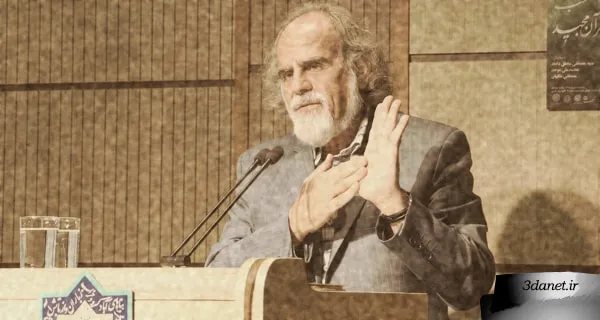
Rejecting any conflict between psychology and religion, Mostafa Malekian sees the psychology of religion as the meeting point of psychological sciences and religious studies—one that is unconcerned with the truth or falsity of religions. It is a branch of psychology and a part of non-evaluative religious studies.

Today, as we are in your presence, there is a matter that gnaws at our minds to begin the discussion. Some professors of psychology and religious studies who have religious affiliations believe that there is no affinity whatsoever between psychology and religion, and therefore, firstly, combining the two under the title of religious psychology is both dangerous for religion and damages the credibility of psychology; and secondly, a psychological approach in religious studies, whether the psychology of religion or psychology concerning various religions, brings nothing but harm to religion and religiosity. Consequently, religion and psychology should each be allowed to do their own work and not encroach upon each other's domain.
Professor Malekian: ... Well, firstly, it is not the case that religion must emerge from every scientific discipline. Secondly, the very psychologists who were doing their own work, gradually, with the specialization of psychology, were drawn into various branches, one branch of which has developed an inclination toward the psychology of religion. The division of scientific labor necessitates that not everyone working in psychology works in the same part of it; well, one of the parts of psychology that has occupied and fascinated some people is the psychology of religion. The third point is that if, someday, someone discovers that a scientific discipline is dangerous for religion, one should say woe betide religion, and not woe betide that scientific discipline. Some think that if a scientific discipline ever emerges and finds itself in contradiction and conflict with religion, then one should say woe betide that scientific discipline???!!! But this statement is clearly mistaken. Therefore, the aforementioned basis is flimsy, and there is no justified reason not to engage with a field that others have long since begun.
Question: To begin the discussion, please first provide some explanation about the geography of religious studies and the place of the psychology of religion within this geography.
The psychology of religion is the meeting point of two series of disciplines: a series of psychological disciplines and a series of religious studies disciplines. The psychology of religion lies in the overlapping region of these two categories of knowledge. The totality of all disciplines that speak in some way about religion—religion in its general sense, and specific religions—which we collectively refer to as religious or religion-studying disciplines, can be divided into two major categories: one category consists of religious studies disciplines that have absolutely nothing to do with the truth and veracity or falsehood and falsity of religions and denominations; they deal neither with the truth and falsehood and veracity and falsity of religion in its general sense, nor with the truth and falsehood and veracity and falsity of a specific religion. They consider religion as a phenomenon and make absolutely no mention of truth and falsehood. The other is a series of religious studies disciplines whose precise aim is to discuss and, as far as possible, determine the truth and falsehood and veracity and falsity of religion in the general sense or of a specific religion. In the first part, that is, disciplines that deal with religion but have absolutely nothing to do with truth and falsehood, right and wrong, at least five major disciplines have been recognized: 1. Psychology of religion 2. Sociology of religion 3. Comparative religion, or in the more common Persian term, tatbiqi—which in my opinion, the term tatbiqi is incorrect—4. History of religions, and 5. Phenomenology of religion. These five branches have absolutely nothing to do with truth and falsehood. Each of these five branches itself has sub-branches, and counting them, we have nearly 45 branches in this first part.
There are also two other sciences that are part of religious studies but deal with truth and falsehood: 1. Philosophy of religion, and 2. Theology. Philosophy of religion deals with the truth and falsehood and veracity and falsity of religion in its general sense, and theology deals with the truth and falsehood and veracity and falsity of the claims of a specific religion. It is from this perspective that we do not have philosophy of religion with the adjective of a specific religion or with the genitive construction of a specific religion, but theology must necessarily have either the adjective or the genitive construction of a specific religion; Islamic theology or the theology of Islam, Christian theology or the theology of Christianity, Buddhist theology or the theology of Buddha. But philosophy of religion has a general aspect, because it does not deal with a specific religion; it speaks generally about religion and the truth and falsehood of religion. The psychology of religion, with the interpretation I have offered, becomes one of the religious studies disciplines that belong to the first part, that is, to those first five sciences, not the two sciences I mentioned at the end. From this perspective, the psychology of religion is a branch of the branches of religious studies.
But from another perspective, when we look at it, we see that the psychology of religion should be considered a branch of the branches of psychology. And that is when we pay attention to the fact that psychology is a discipline that deals with the human psyche through empirical methods, and not non-empirical methods such as philosophical-rational methods or intuitive-mystical methods. And since the human psyche has many inner domains, and one of the inner domains of the human psyche is the domain that emerges in the psyche of opponents and proponents of religion—whether believers and adherents to religion, or those who are indifferent to religion, or those who are in conflict with religion—a series of specific beliefs take shape in their mind and consciousness, in their psyche, a series of specific emotions and feelings, a series of needs and desires are realized. Since psychology deals with every domain of the human domains, naturally one domain of psychology is also the domain that deals with the beliefs, feelings, emotions, needs, and desires of those who engage with religion in a positive, negative, or neutral and indifferent manner. The psychology of religion in this case becomes a branch of psychology, like the psychology of perception, or developmental psychology, or personality psychology, or the psychology of art, or any other branch of psychology. The various branches of psychology that have departments in universities and research institutes number close to 62 branches, and one of these 62 branches of psychology, which is certainly not an unimportant branch and has gained great importance especially after the Second World War, is the psychology of religion. Therefore, if you pay close attention, from one place we arrived at the psychology of religion from religion, and from another place we arrived at the psychology of religion from psychology.
Question: What is your definition of the psychology of religion, the nature of its work, and its scope and geography?
The first thing that seems to me necessary for the success of the field of psychology of religion is to know precisely what topics and issues the psychology of religion itself deals with. Because nothing emerges from the mere word 'psychology of religion' and the mere term, and one must see what work is actually done in the psychology of religion, and it must be said: when we are engaged in the psychology of religion, what kind of issues and topics are we actually engaged with? I mention this because when these issues and topics are separated from one another, individuals' interests in these issues are not uniform. One person may be interested in one of the issues and topics, and another in a different issue and topic, yet both still fall under the umbrella of the psychology of religion.
Neither in this book, The Psychology of Religion by David Wulff (which is a very important and comprehensive book, and I truly believe that every paragraph of this book is instructive and that it contains not a single superfluous paragraph; although it has shortcomings, which you may refer to in my lecture critiquing the translation of this book), nor in other books written on the psychology of religion, have I seen a work that precisely outlines the geography of the psychology of religion. Every book addresses a series of topics in the psychology of religion and discusses them from various perspectives with different approaches, but as for what the geography of the psychology of religion fundamentally is—when we look at the psychology of religion from above, or as the English say, from a bird's-eye view, what lies beneath—I have not seen. However, based on the totality of my studies, it seems that a complete and exhaustive induction can be made, and one can say that the sum total of all that psychologists of religion have addressed falls into five distinct branches. This book by David Wulff, of course, has not dealt with all five branches equally and has addressed some of these branches more than others. I will, incidentally, return to this point in the discussion I will have about the book itself. There are five categories of topics: when you speak about these topics, you have entered the psychology of religion. The first category of topics consists of those in which the psychological factors influencing the emergence of historical religion are under discussion. Every historical religion begins with a founder; this founder, whether Jesus, Moses, Buddha, or anyone else, has an experience that we later interpret as a religious experience, values this religious experience, does not disregard it, and then shares this religious experience with their audience. These three things bring a historical religion into being. If someone has a religious experience in the broad sense of the word and does not disregard this religious experience—meaning this religious experience is considered an important matter for them—and subsequently shares this religious experience in various ways with their audience, as soon as this three-stage process takes place, a historical religion comes into being. The first discussion in the psychology of religion is: what are the psychological factors influencing the religious experience of the founder of a religion, and why has this founder had this religious experience while most of us human beings throughout history have been deprived of such experiences? The first discussion in the psychology of religion is the examination of the psychological factors influencing the occurrence, the quality of the occurrence, or the type of occurrence of the religious experience. Of course, in this first discussion, as in the four other discussions I will mention later, there are both positive and negative viewpoints. Someone might say, in this very first discussion, that the cause of religious experience is essentially paranoia (a type of mental illness). Or they might say the cause of religious experience is epilepsy, and the disease of epilepsy produces religious experience in a person. From such cases to very positive viewpoints. For now, I am not speaking at all about its optimistic and positive aspect or its pessimistic and negative aspect. But in any case, the psychological factors that cause someone to become Jesus, someone to become Muhammad, someone to become Buddha, and someone to become you and me, who do not have this experience, create historical religion.
The second category of issues in the psychology of religion is the psychological factors of turning to religion. Now, the founder of a religion, due to the convergence of a series of matters, had a religious experience, considered this religious experience important, and shared this considered-important religious experience with their audience. Why do the audience, from then on, give credence to this person's words and why do they gain followers across geography and throughout history? A religion gaining followers, whether across geography or throughout history, certainly has a series of psychological causes and factors. It can also have non-psychological causes and factors, just as social, socio-economic, and politico-economic causes and factors, etc., are also influential. But what the psychology of religion addresses are the psychological causes and factors of this turning to religion. Not everyone who invents a game sees everyone engage in that game. Not everyone who lays out a spread sees everyone sit at that spread. Certainly, psychological causes and factors have converged so that some have committed themselves, and for some, their commitment has reached the stage of fascination, and for some, their fascination has reached the stage of a kind of immense self-sacrifice throughout history. What causes and factors must converge for someone to "become a follower of a religion or become a follower of religion"? With this very phrase "become a follower of a religion or become a follower of religion," I wanted to point out that these second-category discussions are internally divisible into two sub-categories: one, the psychological causes and factors influencing turning to religion in general, and the other, the psychological causes and factors influencing turning to a specific religion. Sometimes the discussion is about why, out of six billion people on earth, for example, nearly five billion nine hundred million are religious? And sometimes the discussion is about why, among these five billion nine hundred million, are this many Christian and not Muslim, and that many Muslim and not Buddhist? And that many Buddhist and not Jewish? Here too, psychological causes and factors can be influential. Just as, according to psychological typology, it has been said that human types are nine categories, and that you see if some people have consciously chosen Buddhism, they have chosen Buddhism and not other religions because of their specific psychological type, and if some have consciously chosen Islam, it is because of their specific psychological type. And it has been said that, for example, those who have the warrior psychological type, whether they know it or not, will become Muslim. Even if they are Buddhist, they will produce a Muslim interpretation of Buddhism. Just as those who have an introverted and transcendence-seeking psychological type are Buddhist; even if they become Muslim, their interpretation of Islam will be Buddhistic, and so on. The third topic is the psychological factors influencing the quality of religiosity. The author of this book, Wulff, for some reason does not favor the term religiosity and prefers the term piety. I also pay attention to this point, but since the term religiosity is more common among us, I use the term religiosity loosely. All those who become Muslim do not have the same kind of Muslimness. About one and a half billion people say we are Muslim. But consider the Muslimness of a mystic like Shams Tabrizi or Rumi with the Muslimness of the Taliban and Bin Laden, and the Muslimness of a jurist sitting in Qom, and the Muslimness of a thinker who is looking at Muslimness from the perspective of pain and suffering. They all say we are Muslim. But their manner of religiosity is different. In another expression that Mrs. Kabo – a famous psychologist of religion – says; religion is like water, but this water, depending on the geometric shape and color of the container into which it is poured, manifests in different forms. We should not think that all those who recite the Shahada and become Muslim, as soon as they become Muslim, because their Quran and prophetic Hadith are one, will live exactly alike from then on. There are countless differences. Although the followers of every religion and denomination theoretically believe they accept their entire religion and denomination, in practice, for each person, one part of the religion becomes aggrandized, and parts are neglected or overlooked. Why? That is, why do some look at the Quran and its verses on Jihad receive much of their attention? Or, the verses on forming a government; another looks at the Quran and its existential verses become important to them. The verse "You have come to Us alone, just as We created you the first time" becomes magnified for them. Well, they could have said "Strive in the way of God with their wealth and their lives." Why does this become aggrandized for them? In encountering the Quran, for each person, parts of the Quran become magnified and other parts are neglected or overlooked. Sometimes they truly do overlook them. Why? چرا ده تا آدم سر در این کتاب فرو می کنند اما یکی می شود تروریست، یکی عارف، یکی فقیه ظاهربین ،یکی آدم سوسیالیست مشرب و یکی آدمی که فقط به فکر انسان ها و درد و رنج انسان هاست .آیا کتاب ها برای هرکسی متفاوت از دیگری نوشته شده اند؟ یک کتاب واحد، یک مجموعه ایمانی و یک مجموعه سنت متراکم ،به تعبیر کنتل اسمیت،اما چرا در این ایمان واحد و سنت متراکم واحد افراد مختلفی ظهور می کنند ؟پس در کیفیت دینداری یک شخص هم علل روانی وجود دارد. همه مسلمان ها مثل هم دینداری نمی کنند، کما اینکه همه بوداییان هم مثل هم دینداری نمی کنند. اینجا هم بحث های فرعی وجود دارد که بحث های خیلی مهمی اند. چرا کسانی در دین به دنبال اصلاح خودشان می گردند و کسانی در همین دین بدنبال اصلاح جامعه. کسانی در دین به دنبال مطلوب های اخلاقی اند و کسانی به دنبال مطلوبهای روانی. یکی آرامش می خواهد، یکی صداقت،یکی مطلوب اخلاقی برایش مهمتر است و یکی مطلوب روانی. مجموعه علل و عواملی که در کیفیت دینداری در چندوچون دینداری هم موثرند ،بحث سوم از مباحث روانشناسی دین است. بحث چهارم: آثار دینداری در روان آدمی. این غیر از بحث های قبلی است. اگر دقت کنید در فقره یک ، دو و سه تاثیر روان بر دین مد نظر بود، در این جا به عکس، آثار دینداری در روان آدمی مد نظر است.آیا آدم متدین با غیر متدین و آدم بی تفاوت و آگماستیک نسبت به دین در درونشان با هم فرق نمی کنند؟ آیا دینداری آثار روانی مشابه بر افراد می گذارد؟ شک نیست که دینداری آثار مثبت و منفی دارد. کسانی گفته اند دینداری در آدمیان آثار روانی دارد. آدمیان را متعصب،اهل جزم و جمود،اهل پیشداوری،اهل بی مدارایی و یا خودشیفتگی می کند.کیست که منکر این بشود که بسیاری از دینداران به جهت این که دیندارند متعصبند، به جهت اینکه دیندارند اهل جزم و جمودند،به جهت اینکه دیندارند پیشداوری دارند، به جهت اینکه دیندارند خودشیفته اند و به جهت اینکه دیندارند بی مدارا اند. این ها آثار روانی دینداری ست. از طرف دیگر آثار روانی مثبتی هم برای دینداری گفته اند. گفته اند کسانی که دیندارند آرامشی دارند که بی دینان ندارند. فعلا در مقام نفی و اثبات نیستم. کار روانشناسان را گزارش می کنم. گفته اند آرامشی که در دینداران هست در بی دینان نیست. گفته اند امیدواری ای که در دینداران هست یا خوشبینی که در دینداران هست-البته امیدواری غیر از خوشبینی است- در بی دینان نیست.کسانی گفته اند رضایت باطنی دینداران در غیر دینداران نیست و کسانی گفته اند قدردانی از هستی، که در دینداران وجود دارد در بی دینان وجود ندارد.اما از سوی دیگر،کسانی آثار روانی منفی هم گفته اند که در این جا وارد این بحث نمی شویم. مبحث پنجم را این گونه طرح می کنیم که؛برای سنجش هرچیزی،سنجه ای باید داشته باشیم. یک کرایتریون،یک معیاری باید داشته باشیم.وقتی می خواهید آلودگی هوای تهران را بسنجید یک سنجه می خواهید. برای سنجش دمای هوا هم همین طور.به تعبیری که فیلسوفان علم بکار می برند؛برای تشخیص مصادیق یک مفهوم فقط ایضاح مفهومی آن مفهوم کافی نیست،علاوه بر ایضاح مفهومی یک مفهوم به یک چیزی به نام CRITERIA یا سنجه نیاز داریم،یک معیار برای تشخیص مصادیق. مثلا به صرف اینکه بگوییم تعریف مایع چیزی است که شکل و حجم ظرف خودش را می گیرد، این کفایت نمی کند.برای اینکه بشود تشخیص داد،معیار هایی هم لازم است که این شکل گیری یعنی چه؟این حجم گیری یعنی چه؟ و این موضوع تقریبا در همه موارد صادق است، جز در موارد استثنایی که با یک امر بسیار بسیطی سر و کار داریم که وقتی مفهوم آن واضح شد، بلافاصله مصادیقش هم می توانیم تشخیص بدهیم .در بقیه موارد بین ایضاح مفهوم و تشخیص مصداق یک چیز سومی هم باید این وسط وجود داشته باشد به نام معیار. بحث بر سر این است که سنجه دینداری چیست؟ اگر افرادی در باب این که دین دارند یا بی دینند بین خودشان اختلاف افتاد،یا ناظری در باب دیندار بودن یا بی دین بودن افرادی شک کرد، چه ترازویی،چه میزانی و چه محک و معیاری برای تمییز دینداران از بی دینان وجود دارد؟ ممکن است شما بگویید که ببینید این ها چقدر مبادی به آداب دینی اند،مثلا نمازشان را به جا می آوردند؟ ماه رمضان روزه می گیرند؟ مستطیع اگر شدند حج می روند یا نه؟ و امثال آن. این معیارها معیارهایی است که گویا دینداری را یک رفتار بیرونی می بیند. کسانی هم موارد دیگری بیان می کنند. اما یک جواب هم این است که برای دینداری فقط سنجه های روانشناسی وجود دارد. و این بحث پنجم روانشناسی دین است. آیا شخصی که تمام آداب مناسک و شعاﺋر دینی را انجام می دهد ولی همیشه مضطرب است،دیندار است یا دیندار نیست؟ ممکن است کسی بگوید که چون مناسک و شعاﺋر دینی را انجام می دهد حتما دیندار است ولو از آرامش هیچ بهره ای نبرده باشد و کسی هم بگوید نه، اتفاقا سنجه ی دینداری میزان آرامشی است که ما داریم،بنابراین به میزان آرامش،شادی درونی،امیدواری درونی و رضایت باطنی که داریم، به میزان احساس معنایی که در زندگی می کنیم و به میزانی که احساس می کنیم زندگی ارزش زیستن دارد دینداریم. یعنی سنجه های درونی مهم اند. در باب سنجه های دینی سه دیدگاه بزرگ وجود دارد ،که یک دیدگاه آن دیدگاهی ست که در روانشناسی محل بحث قرار می گیرد.: بعضی گفته اند سنجه های دینی در واقع به یک سلسله باورها بستگی دارد. بعضی گفته اند به یک سلسله رفتارهای بیرونی و بعضی گفته اند به یک سلسله احساسات، عواطف ، هیجانات ، نیازها و خواسته های درونی بستگی دارد. این شاخه سوم شاخه ای ست که در روانشناسی دین محل بحث است. در واقع سنجه های روانشناختی دین. هر بحثی در روانشناسی دین به یکی از این پنج بحث برمی گردد: 1. عوامل روانی موثر در پیدایش یک دین تاریخی ،2. عوامل روانی موثر در اقبال به یک دین، 3. عوامل روانی موثر در کیفیت دینداری افراد، 4. عوامل موثر دین در روان آدمی؛ این که دین با روان آدمی چه می کند؟ روان آدمی رو به چه سوهایی می برد و از چه سوهایی باز می گرداند، و 5. سنجه های روانشناختی که به وسیله ی آن ها میزان متدین بودن افراد را بتوان سنجید. در کتاب ولف به همه مباحث به یکسان پرداخته نشده و تا آن جایی که من دقت کردم سویه های اول، دوم و چهارم بیشتر محل بحث اند و سویه های سوم و پنجم کمتر.اين يك بحثي است كه در واقع درونِ خود روانشناسي دين را ميكاويد. يك بخش دوم كه براي كارهاي شما لازم است اين است كه پيوند و رابطه روانشناسي دين را با ساير شاخههاي دينپژوهي بررسي كنيد، که روانشناسي دين با ساير رشتههاي دينپژوهي چه ربط و نسبتي دارد. حالا اگر ما شاخههاي دينپژوهي را همان هفت شاخة اجماعي بگيريم و كاري به شاخههاي هشتم و نهم و دهم و يازدهم، که غير اجماعياند، نداشته باشيم، بايد گفت كه در ميان شاخههاي هفتگانه، كه يكي از آنها روانشناسي دين است، روانشناسي دين با شش شاخه ديگر ارتباط يكساني ندارد. بلكه بيشترين پيوند را اول با جامعهشناسي دين دارد. در رتبه دوم با فلسفه دين، در رتبه سوم با دينشناسي مقايسهاي، در رتبه چهارم با الهيات، در رتبه پنجم با تاريخ اديان و در آخرين رتبه با انسانشناسي ارتباط دارد؛ البته انسانشناسي به معناي آنتروپولوژي،و نه ساينس آو من، دارد. بنابراين اگر بخواهيم اين رشته موفق باشد بايد به قدر ضرورت از بقيه علوم دينپژوهي هم استفاده بكنيم، البته به قدر ضرورت و نه به يك اندازه، براي اينكه بايد نسبتسنجي دقيقي صورت بگيرد كه به وقت ضرورت و قدر ضرورت از هر كدام از اين علوم استفاده شود.
The next point is that the psychology of religion, because its governing noun is religion, is connected with branches of religious studies, but because its modifier is psychology, as a branch of psychology it is also connected with other sciences that are not part of religious studies. If we want to have a successful psychology of religion in the domains of research and education, in my opinion, we must also know certain related sciences and engage in examination and discussion within them. The most important of these, in the first place, in my view, is the philosophy of mind, followed by the philosophy of action, bearing in mind, of course, the assumption that we do not consider the philosophy of action a subset of the philosophy of mind—which, in my opinion, we should not—and after these two, we need philosophical psychology, which, in one sense, provides the theoretical foundations of empirical psychology. Because the psychology of religion is an empirical psychology, and philosophical psychology provides the theoretical foundations of an empirical psychology.
The fourth item is what we refer to as moral philosophy. Many discussions in moral philosophy, especially two of its branches: descriptive ethics and normative ethics, are related to the psychology of religion.
The next important science is sociology. Especially considering a tendency in psychology that says there is no psychology unless it is social psychology. According to this tendency, dividing psychology into individual and social psychology is a false division. Rather, all psychologies are in fact social psychologies, and we do not have individual psychology. But even if we do not subscribe to that tendency and believe in two types, individual and social psychology, we still need, in our psychological work, to know sociology as much as is necessary and possible.
Question: Sociology itself is a very vast science, and it may not be possible for one person to advance in two fields simultaneously. Could you please specify which parts of sociology are needed?
Certain parts of sociology are priorities for this work. One is the sociology of group interests. Religious people, by virtue of being religious, are usually members of a group, and membership in a group creates a series of group interests in a person. For example, we, by virtue of being Muslim, feel a sense of belonging to the Muslims of the world, and by virtue of being Shia, we feel a sense of belonging to the Shias of the world, and by virtue of being Twelver Shia, we have a more emphatic sense of belonging to the Twelver Shias of the world. This group belonging is very important in the discussion of religion. Because religion is almost impossible without group belonging. As you know, many scholars of religion have said that individual religion is essentially impossible; religion always has a collective situation, and therefore group belonging always exists within it. Another part of sociology that must be considered is the sociology of phenomena that are either specifically religious or exist in a more emphatic and sacred form in religion. Such as the sociology of bigotry, dogmatism, and rigidity, the sociology of prejudice, the sociology of intolerance, the sociology of superstition, and so on. These are phenomena that are either specific to religion, or if not specific to religion, they manifest and appear in a more emphatic and intense form within it. For instance, if you look at the book Social Psychology by Otto Klineberg, translated by the late Ali-Mohammad Kardan, although the book's title is Social Psychology, one section of that book is the sociology of phenomena like bigotry, dogmatism, rigidity, and the like. Well, these are indispensable branches that we must deal with. Now, someone might propose other branches, and I do not deny those branches either, but what is the consensus of all is that we also deal with these branches of the human sciences, which, if you have noticed, are themselves divided internally; some of them have an empirical background and some a philosophical background. For example, when we speak of philosophical psychology, or the philosophy of mind, or the philosophy of action, these have a philosophical aspect, and when we speak of sociology, this no longer has a philosophical background.
Question: Is the study of epistemology also necessary for the psychology of religion?
As it happens, some have enumerated epistemology; but I believe these are not part of the consensus. Some even deny that epistemology has any role in the psychology of religion.
Question: In your view, what other disciplines and sciences are necessary for the psychology of religion?
Of course, I make no claim to expertise in psychology. In brief, someone working in the psychology of religion must also work in the branches of psychology. What we have discussed so far were, in fact, various branches of religious studies, the humanities, and the social sciences. Now, regarding the various branches of psychology: among the different branches of psychology, several have the most relevance to the psychology of religion. One of them is developmental psychology, which has a great deal of relevance to the psychology of religion. Another is personality psychology, which also has a close connection with the psychology of religion. Another branch is the psychology of belief, which is sometimes also referred to as the psychology of perception, though the psychology of belief is the more precise term. The next branch, which is also important, is group psychology or collective psychology (group psychology).
Question: Is this group psychology different from social psychology?
Yes, there are differences between the two...
But there is another branch about which there is doubt as to whether we should call it psychology or not; indeed, both views have their proponents. However, in any case, because of its connection with certain religious phenomena in various religions, it must also be addressed, and that is parapsychology. Parapsychology means the psychology of extraordinary or rare phenomena. Such as telepathy and clairvoyance, insight, divination, precognition, psychokinesis, and so on. A series of other phenomena that are either rare or extraordinary. Parapsychology has about 45 branches, but not all of them are equally related to the psychology of religion; nevertheless, many of them are related to the psychology of religion, whether in research on the psychology of the founders of religion, or in the psychology of the followers of religion. Because the psychology of religion is sometimes the psychology of the founders of religion, and it is there that, for example, precognition, clairvoyance, and divination become important. And sometimes the discussions in the psychology of religion concern the psychology of religious followers, where other branches of parapsychology become relevant, such as the parapsychology of ecstasy, rapture, or trance, since states of rapture and trance also emerge in the followers of religion.
Question: So, practitioners of the psychology of religion, depending on their subject of work, must also be familiar with what was called the occult sciences in the past?
Of course, a part of the occult sciences. Because when one speaks of the occult sciences, it includes geomancy, sand divination, the astrolabe, numerology, the science of letters, and so on, which today have no connection whatsoever to the psychology of religion. However, some branches of it have an important connection with the psychology of religion, especially in the study of certain new religions. For instance, much of what exists in many new religious movements today is trance, and very serious discussions take place in the psychology of religion about what happens when a person, during samāʿ or ritual dance, undergoes trance, rapture, or ecstasy, the analysis of the nature of which is a subject of debate in parapsychology, and even, to a very small extent, in some branches of psychology.
Other branches of psychology are also needed for research in the psychology of religion, but since they have been mentioned in the comprehensive program you have compiled, I will refrain from listing them and will move on to an important discussion. This important discussion is that there is also a series of sciences and possibly techniques that a researcher must know in the psychology of religion in order to remain safe from the dangers and pitfalls of research. That is, these protect the researcher from having their research afflicted by undesirable pitfalls and side effects.
The first point is that the researcher must be versed in what is termed critical thinking. To put it in simple, academic language, the researcher should seriously take four credits in critical thinking. Why? Because the psychologist of religion, in the vast majority of cases, has a religious affiliation of their own, and when they have a religious affiliation, a problem arises: they see their own religion from the inside and view other religions from the outside. And for someone to see their own religion from the inside and other religions from the outside—this approach destroys scientific neutrality. In research in the psychology of religion, we are neutral only when we are able to see all religions, including our own, from the outside, or to see all religions, including those other than our own, from the inside; in that case, we can remain neutral. But unfortunately, we are not like this; we see our own religion from the inside and the rest of the religions from the outside. Psychologists of religion have devised certain measures to prevent this neutrality from being violated, one of which is the matter of critical thinking. In critical thinking, we learn to put ourselves in the other person's shoes. That is, although I am a Muslim, I can put myself in the shoes of a Christian during the Eucharist; or in the shoes of a Hindu while they are performing their ritual ablution in the Ganges River. Otherwise, if I am not like this, I will see that as superstition; yet I do not see my going and kissing the wood at the shrine of an Imamzadeh as superstition. Even though the reality of both of these is the same thing. If we look at these two from the outside, they are exactly alike. Your going and touching the shrine's grating and rubbing it on your face is no different from a Hindu performing a ritual ablution in the Ganges River or a Christian placing a piece of bread in their mouth during the Eucharist. But we count one as superstition and provide a rational justification for the other, because we look at one from the outside and the other from the inside. Therefore, the solution is that one must either look at all of them from the inside, or look at all of them from the outside. Usually, we are not like this; except for a few rare individuals in history, no one has been able to look at all the world's religions and denominations from the inside or to look at all of them from the outside. But in any case, the scientific and judgmental dangers of such a matter can be lessened through certain ways, one of which is the issue of critical thinking. Many books have been written on this subject. The very famous book How to ??? How to Philosophize; is by Ms. Dorothy Emmet, published by Penguin. Or the book Thinking to Some Purpose, written by Ms. Susan Stebbing.
Question: What exactly is meant by critical thinking?
It means being able to look at any thought, any idea, any custom, and any action from a position of neutrality and to state its strengths and weaknesses. Critique has this very meaning, which, of course, differs from fault-finding.
Question: Is such a thing even possible for a human being? Many, especially postmodern thinkers, deny such a thing.
Yes, it is possible, not to its ultimate limit, of course, but to its guideline limit. A guideline means a set of instructions that does not take you to the very end, but advances you to a considerable degree. We can never completely, entirely put ourselves in the shoes of a Christian. But we can do something so that the strangeness and distance we feel with a Christian, although it never reaches zero, is reduced to the minimum possible.
Question: Is this critical thinking different from the research methods that exist for various sciences?
Yes; research method pertains to the mind, but critical thinking pertains to one's disposition. Research method is a methodology for the correct conduct of the mind. Although they can also have commonalities.
The second approach is methodology, or as some put it, research method. Usually, when we speak of research method, what we have in mind or in our practice is more the method of writing up research. That is, once you have conducted a piece of research, the discussion turns to how the researcher should write it up, how the paragraphs should be, when paragraphs should be separated from one another, and so on. These are methods of research writing, that is, turning research into the form of a book, dissertation, or article, with their own particular techniques; which, of course, is very important today. But my discussion is not about the method of research writing, which is not specific to any discipline. Rather, it is about research method. That is, how should one conduct research in one’s own field of work? This research method itself is divided into two types: one is the research method in every scientific discipline in general, and the other is the specific research method of the human sciences. Because the psychology of religion is one of the branches of the human sciences (although some, depending on the type of psychology they choose, may place it within the domain of the empirical sciences).
But there is a third thing one must deal with, and that is a general acquaintance with all the world’s religions and denominations. But what do I mean by general acquaintance or a general acquaintance? For example, one can have two kinds of acquaintance with phenomenon X: one is detailed acquaintance and the other is general acquaintance. Detailed acquaintance is the acquaintance that leads me to the discernment of X, and general acquaintance leads me to the differentiation of X from non-X. It is very important that we know where we need a general acquaintance and where we need a detailed acquaintance. For instance, detailed acquaintance regarding water is that I know exactly what water is, and until I discover that water is, for example, H2O, I do not have detailed acquaintance; that is, I discern water. But there are times when I absolutely do not know that water is H2O, I know no chemistry at all, I do not understand molecular composition. If you want a general acquaintance with water, it is given this way: it is a clear liquid. If I know just this liquid and its clarity, I can differentiate water from the other objects in the room. Therefore, there is a time when I want to know what a thing is, and a time when I want to know what differences a thing has from other things. The first we call detailed acquaintance and the second general acquaintance. Philosophically speaking, detailed acquaintance gives us discernment, and general acquaintance yields differentiation—how this thing differs from the rest. In other words, sometimes I know what a thing is (detailed acquaintance), and sometimes I know what a thing is not (general acquaintance).
Now, with the interpretation I have offered, in the psychology of religion we need to have a general acquaintance with religions and denominations. That is, we should know, for example, that Buddhism differs from Hinduism and know the approximate extent of its difference, and also the difference between Islam and Judaism.
These were the three approaches that were mentioned. There are other discussions and approaches for preventing error as well, which I will refrain from elaborating on.
Question: In your view, do we have a psychology of religion or a psychology of religions?
There is an important question, and that is whether we have a psychology of religion or a psychology of religions? If you believe that the effect different religions have on the human psyche is the same, then we are dealing with the psychology of religion. But if we believe that different religions and denominations do not have a single effect on the human psyche, but rather have different effects on the human psyche, then we must speak of the psychology of the religion of Islam, or the psychology of the religion of Buddhism, or the psychology of the religion of Christianity, and so on. Consequently, we will be dealing with psychologies of religion and not with the psychology of religion.
The question of whether we are dealing with the psychology of religion or the psychology of religions is a very important one. But in either case, there is one point, which is that there is a set of effects that religion has on the human psyche that are, in any case, common. Whether it is Buddhism, Baha'ism, Islam, or a religion we consider valid or invalid and superstitious; religions have a set of common characteristics regarding their impact on the human psyche. These commonalities can be considered part of the psychology of religion. Now, if there are also specific matters—for example, an effect that Islam has on the psyche of Muslim believers that Buddhism does not have on the psyche of Buddhist believers, and vice versa—then, in that case, in addition to the psychology of religion, which deals with the common effects of religions, we also enter the realm of the psychology of religions. Therefore, we are dealing with multiple views on this matter, and at the outset, we must determine the answer to this fundamental question for ourselves, either through research or by adopting a presupposition and convention, so that we can answer this question with further investigation in the future.
I want to say that here we must, in fact, consider a presupposition: first, whether we have a psychology of religion or a psychology of religions. Now, let us suppose we have a psychology of religions. Can we still also have a psychology of religion or not? In that case, whether we can have a psychology of religion in addition to a psychology of religions depends on whether, among the effects that religions have on the human psyche, there are also common elements and components. If they exist, those common elements and components become the psychology of religion, and the non-common elements and components become the psychology of religions. I want to say there are three views on this matter: one is that we only have a psychology of religion; the second is that we only have a psychology of religions; and the third is that we have both a psychology of religion and a psychology of religions. Therefore, at the outset, we must determine one of these three views. We can either determine it after research, or we can make a convention with ourselves, assuming for now that we have a psychology of religion.
Resolving this issue is very influential in the course of the work. Because if you subscribe to the psychology of religion, one of the branches of the psychology of religion is the impact of the religious worldview on the human psyche. And if you subscribe to the psychology of religion, when you want to examine the impact of the religious worldview on the human psyche, you must go to those parts of the religious worldview that are common to all religions, and you must only deal with commonalities and not with particularities. For example, if you subscribe to the psychology of religion, you cannot discuss at all what psychological effect the doctrine of messianic expectation has on a person. We cannot discuss this at all because the doctrine of messianic expectation is not common to all religions, and you are supposed to be discussing the psychology of religion, because the doctrine of messianic expectation or the Promised Land in Judaism are not doctrines common to all religions and denominations. Even beyond that, you cannot discuss the doctrine of faith either, because the doctrine of faith does not exist in Buddhism and Hinduism. Faith is not specific to all religions; faith does not exist in Eastern religions. Faith is relevant in Western religions. Therefore, in the psychology of religion, you cannot discuss the impact of religious expectation and faith on the human psyche, because it is not a common matter. Therefore, the difference in what position we adopt is that if we subscribe to the psychology of religion, we can only and exclusively discuss those components of the religious worldview that are common to all religions and denominations; for instance, life after death exists in all religions and denominations, whether in the form of reincarnation, resurrection, etc.; so one can discuss what positive or negative effects the doctrine of life after death leaves on the psyche of its believers. Or the common doctrine of the origin of existence. But one cannot discuss the specific doctrines that exist in some religions. However, if you subscribe to the psychologies of religion or the psychology of religions, then you can discuss the impact of the Buddhist worldview—with all its details—on the human psyche, even if those effects do not apply to a Christian, etc. Therefore, you must specify whether you want to address the commonalities of religions and denominations, or whether you also want to address their particularities? If you want to have a psychology of religion, you must only address commonalities, and if you want to address particularities as well, you must concede that we have something other than the psychology of religion called the psychology of religions; it is here that one can speak of: the psychology of the Buddhist religion, or the Jewish, or the Islamic, etc.
I see that some books that have discussed the psychology of religion have also addressed the psychology of religions; for example, the very famous book The Psychology of Religion by Spilka (which has been translated, and I am currently comparing the text), Spilka and his colleagues actually deal with the psychology of religions. They discuss how the psyche that the Buddhist religion creates for a person is different from the psyche that the Islamic religion creates for a person, and different from the psyche that the Christian religion creates. Well, here we are dealing with the psychology of religions. Of course, let us not forget an important point, which is that the psychology of religion's discussion is not solely the impact of religion on the psyche; rather, this is one of its six discussions.
Question: Our discussion so far has been about the psychology of religion; please tell us a little about religious psychology as well.
The psychology of religion should not be confused with religious psychology. Religious psychology is completely different from the psychology of religion. Religious psychology is a branch of religious sciences with the premise of what religion has said about the human psyche. Just as religion has spoken about the supernatural world, it has also spoken about the natural world; just as it has spoken about the future, that is, life after death, it has also spoken about the past, that is, life before birth. It has spoken about life in this world as well. In the same way, religion has spoken about abstract entities and matters that are beyond matter and material things; it has spoken about history, society, and the human individual; it has spoken, more or less, about everything. Of course, religions differ from one another in this respect, but in any case, all religions, to varying degrees and with differences in rank, have spoken about everything in the world. One of the matters religion can speak about is the human psyche. Whether Eastern religions, which are much stronger in this regard, such as Hinduism, Buddhism, Daoism, Shintoism, or Jainism, or Western religions, and in our terms, the Abrahamic and Mosaic religions, namely Islam, Christianity, and Judaism. All religions have spoken about the human psyche. Here, we are not at all concerned with whether what they have said is defensible or not, whether we accept this speech today or not; but in any case, they have spoken about the human psyche, and they have spoken abundantly. For example, religion might speak about the abilities of the human psyche, and it might also speak about the incapacities of the human psyche. The abilities or incapacities that the human psyche has in the area of knowledge, or in the area of power, or in the area of will, or in the area of feelings and emotions; the abilities and incapacities we have in the area of beliefs; the interconnection of the various domains of the human psyche with one another; the influence of reason on emotions and the influence of emotions on reason; the influence of these two on the will; the influence of the will on reason and emotions, and so on and so forth. Countless issues about the human psyche can be raised from the perspective of religions. For example, one can say that Islam's view on the human psyche is this, or Christianity's is that, and Buddhism's is this. This is religious psychology. That is, a psychology in which, instead of going to empirical psychologists, or mystical-intuitive psychologists, or historical psychologists, or philosophical psychologists—that is, philosophers of mind, those who work on the philosophy of mind—we have gone to religion itself to see what religion says about the human psyche. We can compare what religion says about the human psyche with what mysticism, the empirical sciences of psychology, or the philosophical sciences of psychology say. But whether we make this comparison or not, the very fact of what religion has said about the human psyche, negatively and affirmatively, constitutes religious psychology. This branch, as its name clearly indicates, is not an empirical science at all, and therefore has absolutely nothing to do with our subject of discussion. Our subject of discussion is, in fact, the psychology of religion, which is a branch of psychology, and psychology itself is an empirical science—though not a natural empirical science, but a human one. We have absolutely nothing to do with religious psychology. Rather, we are talking about the psychology of religion. The psychology of religion means not what religion says about the human psyche, but what psychologists say about religion, and these are two worlds very far apart. Religious psychology, in the sense I described, was the discourse that religion offered about the human psyche, but the psychology of religion is the discourse that psychology offers about religion, not religion about the human psyche.
Question: You seem tired; if you have any concluding remarks, please state them so we can bring the discussion to an end.
There is another discussion, which, of course, is not specific to the psychology of religion and pertains to all the human sciences. And that is whether we have human sciences or social sciences? Do we consider the psychology of religion, which is a branch of psychology, as part of the human sciences or the social sciences? Are the social sciences and the human sciences one and the same thing, two words for one meaning? Or are the social sciences truly different from the human sciences? This discussion is not without effect on your field of interest, although it is not specific to it. All research institutes and students who work with the human sciences must always know this discussion: do they believe in human sciences or social sciences? Today, social sciences are usually used to mean the human sciences.
The End
.
.
PDF file of the Interview with Mostafa Malekian on the Subject of the Psychology of Religion
.
.
Interview with Mostafa Malekian on the Subject of the Psychology of Religion
Prepared and Edited by: Mohsen Zandi Hamedani
Winter 2009
.
.




Discussion2 comments
سلام لطف کنید تناقضاتی که علم روانشناسی با دین اسلام داره رو طبقه بندی کرده و بگید – همراه با منبع
1- عنوان های بسیاری نام برده شده ولی پاسخ و راه حل هیچ مساله ومشکلی نیامده است. 2- به اراده وعقل وتشخیص حق و باطل بهایی داده نشده است. 3- نباید اعتقادات موهوم ایین های ساختگی ویا تحریف ها وانحرافها رادر ردیف دین حق قرار داد. تشخیص دین حق کاملا امکان پذیر وحجت تمام است. 4- عوامل اجتماعی ویا روانی راه این تشخیص و اختیار واراده را مسدود نمی سازند هر چند که زمینه ها متفاوت باشند.