Philosophy
An Introductory Essay on the Principles and Methods of Religious Art by Titus Burckhardt
Religious art is not defined merely by its subject matter; the form and structure of the work must also be nourished by a spiritual source. According to Titus Burckhardt, this art is founded on symbolic ritual and aims to imitate divine craftsmanship and liberate the soul from the bonds of material events.
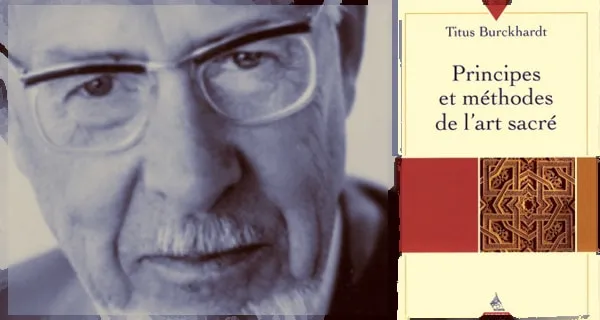
Art historians who apply the label “religious art” to any work of art with a religious subject forget that art is essentially form and shape, and that the fact that a work’s subject derives from a spiritual truth is not sufficient to call it “religious”; rather, its formal language must also be nourished from the same source for it to be called religious. The religious art of the “Renaissance” or “Baroque” periods is by no means in such a state, for this religious art does not differ in manner and style from the entirely non-religious and secular art of those eras, and neither the religious subjects that this art selects in a completely superficial and bookish manner, nor the devotional sentiments that surge within it, nor the pure and noble spirit that sometimes manifests in it, suffice for it to be considered religious. Only art whose form and shape also illuminate the inner vision of a specific religion deserves this attribute. Every form and shape represents a particular quality and state of existence. The religious subject of a work of art may be added to it in some way and be unrelated to its formal language, as Christian art from the “Renaissance” onward proves this point. Thus, there exist fundamentally “non-religious” and secular works of art whose subject is religious; but no “religious” art can be found that has a secular and non-religious form and shape, because form and meaning have complete correspondence and resemblance to one another. An inner vision is necessarily expressed through the mediation of a formal language. If this language does not exist and so-called religious art borrows its form and shape from a non-religious art, then there is no longer a spiritual vision of things. It is futile to justify and accept the changing style of a religious art and its characteristic vagueness and ambiguity for the sake of the universality and inclusiveness of religious beliefs or the freedom of the spirit. Undoubtedly, spirituality in itself is independent of forms and shapes, but this in no way means that spirituality can be expressed in any form and shape it wishes. In the sensible order, form, by virtue of its qualitative essence, is the equivalent of truth in the intelligible order, and this is what the Greek concept of eidos conveys. Just as a mental form, such as a dogmatic tenet or a religious belief, can be a correct but limited manifestation of a divine truth, a sensible form can also represent a truth or reality that, at the same time, brings about the transcendence of the sensible form and of thought. Thus, every religious art is based on a science of forms and shapes, or in other words, on a specific symbolism of forms and shapes. It must be recalled here that a symbol is not merely a conventional sign but manifests its archetype or prototype in accordance with an ontological law. According to Coomaraswamy, the existence of a symbol consists of the existence of that very thing which the symbol expresses, and it is for this reason that traditional symbolism is never devoid of beauty, because according to the spiritual vision of the world, the beauty of a thing is the transparency of its existential and material veils. True art is beautiful because it is true. It is possible, and even necessary, that not every artist or craftsman engaged in a religious art is aware of this divine law that exists within forms and shapes. In practice, he knows only some aspects of this law or some of its applications within the scope of his craft, which is subject to specific rules. These professional rules enable him to paint an icon, make a liturgical vessel, or practice calligraphy in a ritually correct and valid manner without necessarily knowing and understanding the deep meaning of the principles he employs. It is tradition that, by transmitting spiritual models and rules of work from one generation to the next, guarantees the spiritual validity of forms and shapes. Tradition possesses a mysterious and hidden power that influences an entire civilization and even determines arts and crafts that do not have a direct and immediate specifically religious purpose. The power of tradition is the creator of the style of a traditional civilization. This style, which cannot be imitated from the outside, endures and persists, thanks to its spiritual and intellectual power, almost vitally and without any effort or striving. Among the prejudices that exist is the one concerning the impersonal and objective rules of an art. Everyone fears that these impersonal and objective rules will stifle creative genius. In reality, there is no traditional work—that is, one “bound” to immutable principles—whose appearance does not convey a kind of creative joy of the spirit, whereas modern-day individualism, with the exception of a few works of genius that are, however, spiritually and meaningfully sterile, is the creator of all the limitless, despair-inducing ugliness of the forms and shapes that fill “ordinary life” today.
یکی از شرایط اساسی خوشبختی این است که بدانیم هرکاری که میکنیم متضمن یک معنا و ساحت جاودانی است، اما امروزه چه کسی هنوز میتواند تمدنی را تصور کند که همه مظاهر حیاتی آن مطابق «نمونه آسمانی»(2) باشد؟ در یک جامعه که اصولالهی برآن حکفرماست حقیقیترین فعالیتها از این برکت و رحمت آسمانی برخوردار است. در اینجا سخنانی را به یاد میآوریم که در مراکش از یک خواننده دورهگرد شنیدیم. وقتی از او پرسیدیم چرا یاز کوچکش که آوازهای یکنواخت او را همراهی میکرد فقط دوسیم دارد پاسخ داد :«افزودن رشته سوم برداشتن نخستین گام در راه کفر است. هنگامی که خداوند روح حضرت آدم را آفرید، روح آدم نخواست در بدن او حلول کند و مانند پرندهای در اطراف قفس بدن به پرواز پرداخت. آنگاه خداوند به فرشتگان فرمود دو رشته سیمی را که یکی نرینه و آن دیگر مادینه بود به نوا در آورند، روح به این گمان که نوا در خود ساز یعنی بدن قرار دارد در آن حلول کرد و زندانی تن شد. به این دلیل همین دو سیم که همچنان نرینه و مادینه خوانده میشوند برای رهانیدن روح از جسم کافی است.» این افسانه بیش از آنچه در نظر اول مینماید معنی دارد، زیرا چکیده همه نظریه سنتی هنر دینی است : هدف غائی هنر دینی تذکار احساسات یا انتقال تأثرات نیست. هنر دینی یک رمز و نماد است و به این اعتبار وسایل ساده و ابتدائی آنرا بس است. وانگهی هنر دینی پنداری بیش نیست زیرا موضوع واقعیاش غیرقابل بیان است. هنر دینی، اصلی آسمانی و ملکوتی دارد زیرا نمونههای هنر دینی جلوه حقایق لاهوتی است. هنر دینی با تجدید و تکرار آفرینش یا «صنع الهی» به صورت مجمل در قالب تمثیلات، ذات رمزی و نمادی جهان است و بدینگونه روح انسان را از قید وابستگی به «وقایع مادی» خام و گذار رهایی میبخشد. اصل ملکوتی هنر در سنت هندی صریحاً بیان شده است. به موجب آیتریا براهمانا، (Aitareya Brahmana) هر اثر هنری در روی زمین «چه یک فیل از گل پخته باشد، چه شیئی روئین، یک جامعه چه شیئی زرین، یا گردونهای که به استر باید بست» به تقلید از هنر ملائکه (دواها de Vas) ساخته و پرداخته شده است. دواها معادل فرشتگانند. بعضی از افسانههای مسیحی که به موجب آنها برخی از تصاویر اعجاز آمیز، اصل ملکوتی دارد ؛ متضمن همین اندیشه است. دواها در واقع کنشهای خاص روح کل و اراده جاودانه خداوندند. به موجب نظریه مشترک میان تمدنهای سنتی، هنر دینی باید از صنعت الهی تقلید کند البته این بدین معنا نیست که هنر دینی باید برگردانی از آفرینش پایان یافته الهی یعنی دنیا بدانگونه که میبینیم باشد، چون این دعوی گزافی بیش نیست. «طبیعت گرایی»طابقالنعل بالنعل در هنر دینی جایی ندارد، آنچه باید مورد تقلید قرارگیرد نحوه فعل روح قدسی است. به عبارت دیگر باید قوانین این روح قدسی و نحوه عملش را در قلمرو محدودی که انسان به مقیاس خویش میسازد یعنی صنعتکاری به کار بست. مفهوم هنر الهی در آیین هندو، چنان نقش اساسیای دارد که همانندش را در هیچ یک از نظریههای سنتی نمیتوان یافت، زیرا مایا (Maya) تنها آن قدرت اسرارآمیز الهی نیست که موجب میشود چنین به نظر آید که دنیا خارج از واقعیت الهی وجود دارد، تا آنجا که او ـ یعنی مایا ـ سرچشمه همه دوگانگیها و پندارهاست. مایا علاوه برآنبهاعتبار جنبه مثبتش، هنر الهی است که سازنده همه صور و اشکال است. اساساً مایا چیزی نیست جز این امکان و توانایی نامتناهی که میتواند خود را محدود کند، یعنی خود را موضوع «رؤیت» خویش قرار دهد، بیآنکه این امر موجب تحدید لایتناهیتش گردد. به اینگونه خداوند خود را در جهان متظاهر میسازد و نمیسازد، او در عین حال سخن میگوید و خاموش است. همانگونه که مطلق به موجب مایایش بعضی از جنبه های خویش یا بعضی از امکاناتی را که درخود نهفته دارد عینیت می دهد، هنرمند هم از جنبههای خود را در اثر متحقق میسازد یعنی آنها را از وجود تفکیک نیافته خویش به برون فرا میافکند. هرچه این عینیت اعماق وجود خود را بهتر بنمایاند، خصیصه رمزی محضتر و نابتری مییابد و به موازات آن هنرمند بیشتر، از ورطهای که میان این صورت که انعکاس و پرتو ذات اوست و ذاتش آن گونه که در تمامی و کلیت نامتناهیاش هست آگاهی مییابد. خالق اثر هنری میداند : خود اوست و با وجود این او بینهایت بیش از آن است ریرا جوهر، شناسای محض و شاهد و ناظری است که در قالب هیچ صورتی نمیگنجد. اما هنرمند همچنین میداند که خداوند در اثر او جلوهگر میشود، از این رو اثر به نوبه خود برتر از نفس ناتوان و خطاکار بشری است. مشابهت میان هنر الهی و هنر انسانی در همین متحقق ساختن خود در اثر عینی یا عینی کردن خویشتن است. برای اینکه عینیت دارای برد و تأثیر روحانی باشد باید وسایل بیانش زاییده بینش اصلی و اساسی باشد. In other words, this "self"—that is, the root of false perception and ignorance—is not something that can choose these means according to its own whim. These means must be borrowed from tradition and the "objective" formal manifestation of the Supreme Origin, which is the "Self" of all existences. From the Christian perspective as well, God is the "artist" in the highest sense of the word, for He created man "in His own image" (Genesis 1:27). But since this image not only resembles its prototype but also entails an almost absolute dissimilarity to it, it was inevitably subject to corruption. Thus, with the Fall of Adam, the reflection of divinity in man darkened, and the mirror became clouded. Nevertheless, the divine reflection could not be entirely effaced, for if the creature is limited by its own bounds, the totality and wholeness of the Creator is limited by no bounds whatsoever. This means that these limits cannot create a definitive barrier against this wholeness and perfection, which manifests as infinite love and whose very infinity necessitates that God "call" Himself forth as the eternal and everlasting Word and "descend" into this earthly world, assuming, as it were, the perishable limits of the image—that is, human nature—in order to restore and renew its original beauty. In Christianity, the divine image in its perfection is the human form and mold of Christ, and accordingly, Christian art has but one subject: the transfiguration and transformation of the human form and the world dependent on humanity through their participation in Christ. What the Christian vision attains through a kind of loving concentration on the Word made flesh in the being of Jesus, the Islamic vision seeks in the angelic and suprahuman realm. From the Islamic point of view, the divine art—according to the Quran, God is the "Artist" (al-Musawwir)—is, above all, the manifestation of divine unity in the beauty and order of the cosmos. Unity is manifested in the harmony of the multiple, in order and equilibrium, and beauty in itself comprises all these aspects. To infer unity from the beauty of the cosmos is the very essence of wisdom. For this reason, in Islamic thought, there is a necessary link between art and wisdom. In the Muslim's belief, art is fundamentally based on wisdom, or on knowledge, which is nothing but the quintessential expression of wisdom. The goal of art is to endow the human environment—the world insofar as it is made and fashioned by human hands—with the order that is the most direct reflection of the radiance of divine unity. Art clarifies and purifies the world and helps the spirit to detach itself from the disquieting multiplicity of things and turn towards the infinite Unity. According to the Taoist vision, the divine art is essentially the art of changes and transformations. The whole of nature changes incessantly according to a cyclical law; the contrasts of nature evolve around a single center that is forever unattainable. But one who has grasped the cyclical movement has also come to know its center, which is the essence of the cyclical movement. The goal of art is to conform to this cosmic rhythm and cadence. In its simplest expression, the ultimate aim of skill in art is the ability to draw a perfect circle with a single line and, by implication, to identify oneself with the center of that circle, which, as center, is always indescribable. To the extent that the concept of "divine art" can be traced in Buddhism, which refrains from any personification of the absolute Origin, its referent must be found in the miraculous beauty of the Buddha. Although there is no theory about God whose expression possesses the illusory characteristic of a subjectivity that confines the infinite to its own limits and bestows its own accidental forms and shapes upon that which is unembodyable, the beauty of the Buddha illuminates a state of being that no thought can limit. This beauty, represented in artistic beauty, is ritually renewed and revived in every form drawn or carved of the "Eternally Blissful One." All these foundations of religious art exist, in varying degrees, in each of the five great traditions mentioned, for none of these five traditions is devoid, in its basis and foundation, of the totality and wholeness of divine truth and grace. Hence, each of them can, in principle, be the creator of every possible type of spirituality. Nevertheless, since every art is necessarily under the sway of a specific vision that determines its spiritual "economy," the style of artistic manifestations and expressions—which is naturally collective rather than scattered—illuminates this vision and economy. Moreover, it is the nature of form that it cannot express something without a measure of exclusivity, for by expressing, it also limits, and for this very reason, it casts aside certain aspects of its typical form or archetype. This law holds true not only for art but for all levels and planes of formal manifestation. The various divine inspirations, which are the foundations of different religions, also exclude one another if considered solely from the perspective of their formal limits, and not their divine essence, which is always one. And here too, the resemblanceمیان «صنعالهی » و «هنر انسانی» پدیدار میگردد..
.
An Introductory Essay on the Principles and Methods of Religious Art, translated by Jalal Sattari
.
.
Endnotes: (1) This essay is a translation of a portion of the introduction to the book Principes et méthodes de l'art sacré by Titus Burckhardt. (2) "Do you not know, Asclepius, that Egypt is the image of heaven and the manifestation of the order of heavenly affairs upon earth?" (Hermes Trismegistus, translated by L. Ménard).
.
.
Discussion0 comments
No comments yet; let yours be the first voice.