اندیشهفلسفهخردگفتگوحکمتمعناپرسشفرهنگ
Religion
Are Earthquakes the Result of Human Sins?
Many clerics view natural disasters as divine punishment for sins, but after the Kermanshah earthquake Ayatollah Sanei rejected this reading, calling it a slander against Islam. He holds that the door to divine retribution was closed with the Prophet's mission.
1. Expected and Unexpected Theological Interpretations of Natural Disasters
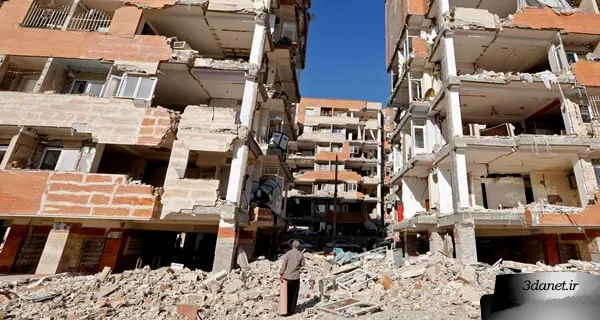
The recent earthquake in Iran's Kermanshah province once again prompted theological pronouncements, generally from Muslim clerics (both Shia and Sunni). From the perspective of these clerics, natural disasters in general (such as earthquakes, droughts, volcanic eruptions, storms, floods, etc.) can be the result of human "sins" and "disobedience to divine commands."
According to this interpretation, these events are "divine punishment" for the "sins" of the people, a "punishment" that burns the righteous and the wicked alike and consequently does not only include "sinners," but encompasses everyone. This is a common opinion among Muslim scholars and, to some extent, the Muslim laity. This judgment is also more or less prevalent among Christian and Jewish scholars, as well as among the devout laity of these religions.
Regardless of our agreement or disagreement with this opinion and view, up to this point, nothing unexpected has occurred in the fray of theological commentary. After almost every major natural disaster, whether in Iran or in other countries of the world, statements with this same theme are quoted by some religious clerics and also provoke criticism.
As one example, in 2005, Gerhard Maria Wagner, an Austrian Catholic priest, declared Hurricane Katrina—which occurred that same year and caused the deaths of nearly two thousand people and the displacement of one million—to be a result of the "sexual licentiousness" and "tolerance" of the people of New Orleans, USA (one of the hurricane's focal points) toward homosexuality. Four years later, in 2009, when the Pope at the time appointed Wagner to the rank of bishop, the scope of protests against this appointment (due to Wagner's remarks about Hurricane Katrina) rose to such a level that shortly after this appointment, Wagner resigned from the episcopal office.
Not to go too far afield, in the Iranian year 1389 (2010-2011), Kazem Seddiqi, one of Tehran's Friday prayer leaders, linked natural disasters, especially earthquakes, to human sins, particularly women's non-observance of Islamic hijab, and asked the people to repent and return to God. In reaction to these statements, a campaign was launched in America titled "Boobquake." In this campaign, women were asked to gather together on a specific day and test the relationship between hijab and earthquakes by revealing their cleavage. This campaign was held with the participation of several thousand people in various parts of America.
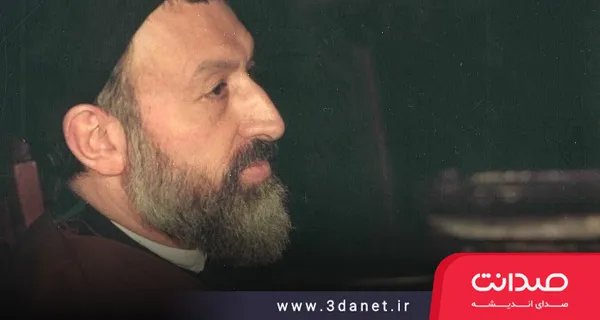
In the fray of these theological pronouncements, what appeared unexpected and new was the judgment of Ayatollah Yousef Sanei, a Shia source of emulation residing in Qom, after the Kermanshah earthquake. In a short piece, Sanei proposed a different "theology of natural disasters" (i.e., a religious interpretation of natural disasters) and explicitly opposed the prevailing theology of natural disasters.
In the following, I will explain Sanei's different theological opinion in interpreting natural disasters. I will then compare it with the common theology of natural disasters among the general Muslim populace and show the similarities and differences between these two opinions.
Judging whether natural disasters can and should fundamentally be interpreted theologically is beyond the aim of this piece. Likewise, judging the correctness or incorrectness of these two competing types of theology in interpreting natural disasters is also beyond the scope of this writing.
2. Sanei and the Muhammadan Seal of Natural Disasters
In the Iranian month of Aban, 1396 (October-November 2017), in a short piece responding to a question about the relationship between earthquakes and sin, Sanei considered these kinds of unexpected events to be caused by natural factors that humans, by expanding their knowledge, can prevent from occurring. But are these natural disasters "bala" (divine trial) and "uqubat" (divine punishment)? In a rare pronouncement from a Muslim scholar (jurist and theologian), Sanei answers such a question with a definitive negative: "But the matter of such events being bala and uqubat, in general, is definitively negative, and we cannot attribute to dear Islam that people who have been devastated from their homes and lives were sinners and that God punished them."
He even goes so far as to say that directly attributing natural events to God is a “slander” (calumny) against Islam. This means that, in Sanei’s view, Islam in no way countenances such an interpretation. In his opinion, God has established natural laws that govern the world. However, these laws are not immutable, and humanity, through the advancement of its reason, can prevent the emergence of the factors that give rise to natural events such as floods and earthquakes, or can protect itself against these events.
In any case, from Sanei’s perspective, these natural events should in no way be considered divine “punishment” in response to human “sins.” But what reason does Sanei offer for his view? He presents, briefly and succinctly, three arguments for his opinion:
۱. If these events were divine punishment, Muslims would not be asked to perform the Prayer of Signs and turn their attention to God;
۲. In natural events such as drowning or a house collapsing on someone, Islamic traditions consider the victim to have the status of a martyr.
Even if these two reasons seem understandable and convincing, this view faces a serious problem: there are many verses and traditions that consider events like floods and earthquakes as divine “punishment” for past peoples and ask believers to take a lesson from this (I will speak more about these verses and traditions below in the third section); so how can one say that natural events have nothing to do with divine “calamity” and “retribution”? It seems that a third reason Sanei has offered attempts to answer this possible and anticipated objection:
“Fundamentally, such punishments for sinners [...] have not existed in Islam after the mission of the Messenger of God (peace be upon him and his family), and will not occur.”
Sanei implicitly accepts the point that before the Prophet of Islam, there were peoples upon whom God, according to the Quran and hadiths, sent down natural events as “calamity” and “retribution,” but he believes that the chapter of this type of “calamity” and “retribution” ended with the coming of the Prophet of Islam, and such a form of “punishment” is no longer sent by God.
Now, let us see what interpretation of natural events the prevailing theology of natural events offers.
۳. The Prevailing Theology of Natural Events
The prevailing theological interpretation of natural events can be categorized under two versions: the maximalist version and the minimalist version. Let us examine these two versions separately.
۳.۱. The Prevailing Theology of Natural Events, Maximalist Version
In this type of theology, natural events are considered the result of human “sins” and a sign of divine “punishment.” This type of theology cites various verses and traditions to justify this view. Proponents of this type of theology cite verses in the Quran that generally consider the afflictions that befall individuals as a reaction of existence to the deeds of human beings: “And whatever misfortune befalls you is from what your own hands have earned” (Surah Ash-Shura, verse 30). Furthermore, the Quran specifically names certain past peoples who were afflicted by divine “punishment”: “And O my people, let not your dissension from me cause you to be struck by the like of what struck the people of Noah or the people of Hud or the people of Salih, and the people of Lot are not far from you” (Surah Hud, verse 89).
In the Shia context, to justify the maximalist version of the prevailing theology of natural events, this hadith attributed to Imam Reza is also usually cited: “Whenever servants commit new sins that they had not committed before, God sends down upon them a new calamity that they had not known before.” This hadith/pseudo-hadith was installed on billboards in cities by the municipalities of various Iranian cities, especially after the spread of AIDS. It is precisely this point that makes this type of theology maximalist: that one can determine that a certain disease (for example, AIDS) is a divine “punishment” for a certain “sin” (for example, “sexual promiscuity”).
۳،۲. The Prevailing Theology of Natural Events, Minimalist Version
The common ground between both versions (maximalist and minimalist) of the prevalent theology of natural disasters is that they consider human calamities to be a divine reaction to the “sins” of human beings. However, the difference between these two versions is an epistemological one. While the maximalist version believes that, in principle, it is possible to demonstrate which calamity or natural disaster has befallen for which “sin” or “sins,” the proponents of the minimalist version refrain from identifying specific instances. From the minimalist perspective, without identifying specific instances, one can still take a lesson from natural disasters and see the hand of God in these events, without, by identifying specific instances, labeling some of the victims as “sinners” and adding a stigma to the survivors’ suffering.
This abstention from identifying specific instances has two reasons: 1- The cognitive limitations of human beings do not allow for a definitive judgment on this matter, and it is only God who is aware of the wisdom behind such events; 2- As mentioned, identifying specific instances can pose the ethical problem of adding insult to injury for the survivors of disasters.
4. Conclusion
The religious generally engage in religious interpretations of natural disasters. But as we have seen, there is no consensus among religious scholars on the manner of this interpretation. The theological interpretation of natural disasters recently offered by Ayatollah Yousef Sanei is clearly different from the prevalent theological interpretation. According to the prevalent interpretation, whether in the past, present, or future, calamities and natural disasters must be considered divine “tribulation” and “punishment,” whether we can discern for which “sin” this calamity is a “punishment” or not.
In the different interpretation offered by Sanei, God, before the advent of the Prophet of Islam, would sometimes punish peoples for their “sins” by sending down natural disasters. However, after the Prophet of Islam, such a form of “punishment” will no longer occur, and the world follows its natural course according to the natural laws God has set for it, without God’s direct intervention.
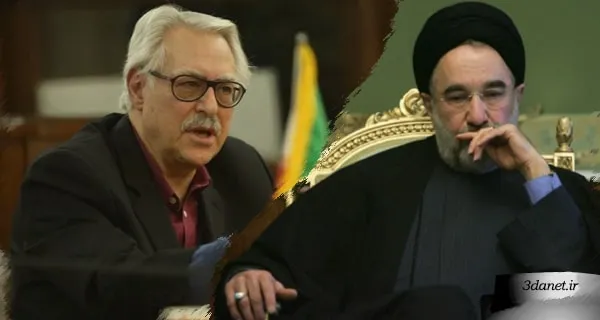
The theological interpretation of Ayatollah Sanei, who is a source of emulation close to the reformists, and the theological interpretation of Mohammad Khatami regarding natural disasters are very similar. In his message after the Kermanshah earthquake, Khatami writes: “Nature has neither wrath nor kindness; rather, it follows its course based on the order and system that God, the Beneficent, has ordained for it.”
.
.
Are Earthquakes the Result of Human Sins?
Author: Yaser Mirdamadi
.
.


Discussion3 comments
سلام نکته ای که ذهن من را به خود مشغول کرده اینه که آیا خود نظم و سامانی که خداوند به جهان طبیعت داده است اقتضا نمیکند که گناه (به عنوان کنشی بر خلاف نظم طبیعی جهان)، واکنشهای منفی ای را از جمله سیل و زلزله و ... به دنبال داشته باشد؟ لطفا اساتید پاسخ دهند.
«مسئله ی شر» به این راحتی توجیه نمی شود. اگر خداوند متعال جهان را به قوانین علّی واگذراده است، نیز می تواند--و قهرا می تواند زیرا که او قادر مطلق است--در صورت لزوم از بروز برخی معلول ها (به سود مومنان و انسان ها در کل) جلوگیری کند، چنان که در مورد «معجزه»، به معنایی نقطه مقابل «بلا»، چنین است: چگونه است که در باب «معجزه» می توان قائل شد که خداوند در روند علّی جهان مداخله می کند اما در مورد «بلا» عموما تلاش بر این است که این حوادث را معلول «قوانین طبیعی» جلوه دهند؟ اساسا مومن راستین، اگر قرار است که مومن باقی بماند، باید تمامِ بروزاتِ (حداقل)طبیعتِ ِناانسانی را، چه شر و چه خیر، محکوم اراده ی الاهی بداند.
مطلب شما درست است. اما این نکته نا گفته مانده که راهی برای دانستن اینکه اراده الاهی چرا به فلان موضوع تعلق گرفته نیست.