Religion
A Look at the Fatwas of Yousef Saanei on Women's Rights
Yousef Sanei's fatwas on women's rights rest on principles such as the centrality of the Quran, content-based critique of hadith, and independence from the renown of earlier jurists—an approach that, by relying on inherent human dignity and conventional understanding, guarantees the dynamism and efficacy of jurisprudence.

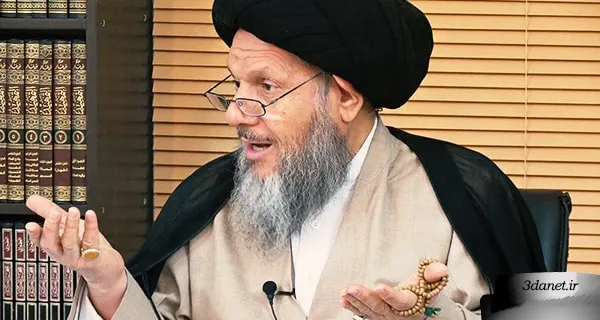
Yousef Saanei is one of the jurists who has a concern for women's rights. This concern was not something that merely came to his lips and was summed up in uttering general and vague phrases; rather, the best place to see the manifestation of this concern is in his "fatwas" on this subject.
If we wish to take a root-seeking look at his fatwas on this subject, some of their foundations can be considered as follows:
1- The Centrality of the Quran
"The great jurists of Islam have always considered the Quran to be the primary source of jurisprudence and ijtihad, and they did not neglect it in their jurisprudential inquiries. Our belief is that the more this diligence increases and the more depth and reflection upon the divine verses grows, the closer ijtihad and jurisprudence will be to what is right, and many unenforceable fatwas and deductions contrary to the Quranic ease and facility will disappear... In our opinion, ease and hardship can serve as one of the indicators for evaluating and measuring jurisprudential deductions; for this Word is eternal, comprehensive, and for everyone, and it must be such that it has the capacity to respond to needs; however, making this possible through secondary rulings and the discussion of exigency and necessity will not be a sign of wisdom in legislation. Thus, divine rulings in their primary legislation can be implemented in most capacities and are not subject to exception except in specific, few, and rare cases. And this is the meaning of Quranic ease in legislation."
2- A Critical Confrontation with Hadiths
"The Sunnah is the second source for religious studies, jurisprudence, and ijtihad. Ijtihad is never achieved unless the jurist properly examines the narrations and hadiths. However, since throughout the history of Islam, forgery and fabrication in the words of the Prophet (peace be upon him and his progeny) and the Imams (peace be upon them) have occurred with various motives, identifying these hadiths and examining them constitutes an important part of ijtihad... For identifying forged hadiths, the best way is content criticism or textual criticism; that is, what the Prophet (peace be upon him and his progeny) and the Imams (peace be upon them) spoke of as 'presenting reports to the Quran'... Of course, in this regard, examinations of chains of transmission and biographical evaluation should not be overlooked. The science of rijal has a substantial share in evaluating the issuance and attribution of hadiths; but relying on it alone in no way prevents the jurist from slipping in his deduction and falling into the trap of fabricated hadiths; for one who falsely fabricates a hadith in the name of a well-known narrator does not disseminate it; just as one who counterfeits a banknote tries to replicate the color, appearance, and features of the original; otherwise, the counterfeit banknote is quickly recognized. In our opinion, the more jurists pay attention to content criticism, that is, presenting reports to the Quran and also considering the indisputable principles derived from the Quran and Hadith, the closer they come to sound ijtihad."
3- A Critical Confrontation with the Deductions of Previous Jurists
«... Ijtihad and the deduction of jurisprudential issues and topics are not possible without presenting the opinions and theories of past jurists, and a jurist always pays special attention to the critique and examination of various views in his advanced seminars... Honoring the efforts of past jurists in preserving the jurisprudential heritage does not mean that we consider them correct in all their interpretations; otherwise, ijtihad in matters other than newly emerged issues would have to be fruitless. Rather, honoring and praising the great scholars means that they were able, through their intellectual genius, to access new issues and novel answers and to open the path for other mujtahids and jurists... The ancient jurisprudence of Shi'ism, with a history of over a thousand years, has been a source of human creativity, even in non-jurisprudential fields, and has paved the way for new innovations. An important point that can be mentioned in this regard is the discussion of the "renown of jurists in interpretation." This renown can serve as a contextual clue in understanding, but it is never a proof in itself; therefore, if a proof is established against it, one must abandon the renowned opinion and act according to the requirement of the proof. The "renown among the ancients," which great jurists like Ayatollah Borujerdi (may God have mercy on him) also emphasized, pertains to the correct reception and transmission of hadith; that is, where a hadith is not found in the narrative texts, the renown among the ancients regarding the "Usul al-Mutalaqqat (the original principles transmitted from the Infallible)" takes on the ruling of a hadith, though, of course, ijtihad must be exercised in understanding it, and the interpretation derived from it must be in accordance with the standards of ijtihad.»
4- The Concern for the Purity and Efficacy of Islamic Jurisprudence
«The attention and precision given to dynamic and Jawāhirī jurisprudence, which is also addressed in the precious words of Imam Khomeini (peace be upon him), points to two fundamental principles in ijtihad and jurisprudence. The first principle is that jurisprudence and ijtihad must not deviate from the conventional boundaries in the seminaries—which are reliance on the Qur'an and the Sunnah. Extra-jurisprudential interpretations must not be imposed upon deduction and ijtihad; rather, the established and prevalent standards in understanding the Qur'an and the Sunnah must be taken as the basis, and one must not deviate from them one iota, and this is the very essence of Jawāhirī jurisprudence. On the other hand, one must not fall into the abyss of Akhbarism and rigidity in understanding and deduction, because jurisprudence is a complete program for humanity and life in all ages and generations. The emphasis on the point that jurisprudence has the capability to be placed at the heart of life is because it is not to its benefit to think in a medieval way with certain interpretations of jurisprudence and to introduce it as unenforceable and contrary to civilization and technology. Therefore, the gate of ijtihad, in its true sense, must remain open, and the jurist must be present in time and place so that he can guarantee the presence of jurisprudence at the heart of life, and this is the meaning of the dynamism of jurisprudence.»
5- The Role of Customary Understanding of Verbal Evidence
«Although often, indeed always, reason and custom are in harmony regarding the instances of injustice and its origin, nevertheless, if custom considers something an instance of injustice, and reason, with its philosophical scrutinies and rational precisions, does not consider that thing injustice, the view of custom is to be followed in applying the rulings contingent upon injustice in the Sharia, and the rational view is not to be followed. This is because the language of the evidence for rulings is the language of custom and the people, and the mentioned issue is among the established cases in jurisprudence, where it has been said: "The view of custom takes precedence over rational precisions." And on this same basis, the universal fatwa is that the color remaining from blood, on something like clothing and the like, is not impure; because the color of blood is not customarily considered blood, and the criterion in understanding the evidence is custom itself. Although, from a rational perspective, the existence of an accident without a substance is impossible, so blood exists with its color, and according to rational precision, it must be impure; however, that view is not followed, and issuing a fatwa according to it and ruling on the impurity of washed clothing in which the color of blood remains is, according to everyone's view, a fatwa contrary to what God has revealed and against jurisprudential standards.»
6- The Inherent Dignity of the Human Being
«... Inherent dignity belongs to the human being, by virtue of being a creature of God, God's vicegerent, the one before whom the angels prostrated. Possessing perceptive faculties, the power to discern good from evil, and the power of choice. These—which on the one hand show the human being's connection to God, and on the other hand have become the source of human capability and merits [by God's will, of course] and inherent dignity. Here, human beings, regardless of their opinions and beliefs, gender, and race, possess this dignity. Naturally, this inherent dignity has requisites and implications. Its implications, which are considered the foundations of dignity, are the aforementioned characteristics. And the requisites of the inherent dignity of the human being are respect for rationality, questioning, honor, basic natural rights, and issues of this kind. A part of these requisites pertains to the biological and social relations of human beings, regardless of their beliefs and convictions. It is natural that the Generous God, who has bestowed inherent dignity upon the human being, has Himself paid attention to it in His legislation and law-making. Among the matters that the Wise and All-Knowing God has taken into consideration in human dignity, and which is, as it were, an inseparable part of dignity and among the requisites of its nature and essence, and failure to observe it is contrary to dignity, indeed, it is humiliation and desecration of the human being, is, was, and will be the equality and parity of human beings and the absence of discrimination and oppression in all social, human, civil, criminal, political, cultural, economic, etc. rights.»
7- The Principle of Justice and the Negation of Oppression
«From a theological and philosophical perspective, justice is considered a principle in knowing God Almighty, and just as God created and established the world of creation based on justice, and in the arena of the Resurrection, no punishment falls outside this universal measure, His legislation and law-making are also based upon it. And as the martyred master, Ayatollah Morteza Motahhari, emphasized, this principle is among the criteria of Islam and lies within the chain of causes for rulings. That is, all divine rulings, in their issuance, pass through the channel of the principle of justice, and therefore, no religious ruling can be in conflict with it. It is from this very origin that, in the view of His Eminence Ayatollah Saanei, justice is a governing principle and a universal, all-encompassing value, and beliefs, gender, and ethnicity have no role in it and cannot restrict or limit it. Thus, if, in the jurist's view, the purport of a piece of evidence, generally or in a part of its signification, is in definitive conflict with the principle of justice, that jurist cannot, by ignoring this governing principle, issue a fatwa based on that evidence.»
8- The Principle of the Negation of Hardship and Constriction (La Haraj)
«The basic purport of the principle of the negation of hardship and constriction, which relies on Quranic and narrational texts, is considered a definitive ruling among Islamic jurists, and there is no doubt about it. However, the type of view towards this principle and its semantic and subject-related domain is something one should not expect everyone to view identically. The main point in the view of the esteemed master, and the writer has repeatedly witnessed his citation of and emphasis on it, is this matter: if, as is evident from the proofs of the principle, on the one hand, the basis of divine legislation is the negation of constriction, hardship, and difficulty in religion (except in subjects whose nature, like jihad and defense, is intertwined with difficulty), and on the other hand, hardship and constriction are, like other customary concepts, ones for which the Sharia has not provided a specific definition. In this case, its criterion will also be custom; unless the Wise Lawgiver intervenes somewhere and states His differing intention on a case-by-case basis; whether in expanding the ruling or in restricting it. Therefore, in understanding the meaning of constriction from a general and jurisprudential (ijtihadi) perspective, one must refer to custom. On the other hand, His Eminence Ayatollah Saanei does not see the scope of the negation of constriction as limited to lifting a ruling, and in some cases, based on it, he has also invoked it in establishing a ruling... This is while, in addition to the position of inferring and knowing the ruling itself, we all know that in recognizing external instances and in the position of fulfilling obligations, recognizing whether a subject involves constriction or not, like any subject identification, falls within the domain of the 'duty-bound person' (mukallaf) and not the 'jurist'...»
9- The Principle of Ease and Facility
«In addition to the fact that the basis of legislation is the negation of hardship and constriction, the principle of "facility" in religion is also a governing criterion, which is even considered as a preponderant factor in the conflict between two narrations. The sacred Sharia not only did not come to impose burdensome strictness and cause constriction, but ease is one of its principles. Although precautions and strictness are considered desirable in some individual-devotional acts—provided, of course, that their source is not Akhbarism—precaution in social aspects, especially its governmental dimensions, is not only undesirable but will also be problematic... Therefore, one should strive to express the principle of ease, which is in accordance with the authentic sources of inference, to the people and avoid precautions that lack a credible basis or whose source is, for example, reputation, especially reputation arising after the emergence of ijtihad. Indeed, anyone with even a slight familiarity with the foundations and authentic principles of jurisprudence and ijtihad and the taste of the Sharia and Islamic law understands that unwarranted strictness is not only incompatible with the spirit of the Sharia but will also cause those obligated to become disgusted with some of the achievements of religious and Islamic teachings.»
10- The Primary Principle of Commonality in Rights and Duties Between Men and Women
«Men and women, in terms of essence and the human "kind", are considered one reality, and any definition that exists for the reality of the human being from this perspective and at this level is a definition common to both. On the other hand, there is no doubt that between men and women, as two sexes or human "classes", there are some differences that no school or legal institution which has proper attention and sufficient commitment to existential realities and the true interests of human life can ignore; differences whose natural result is the emergence of some differing situations in the natural and social life of men and women. Islamic legislation, whose existential philosophy is "the human being" and which was formed from the source of divine revelation and issued based on the existential realities of the human being and with the aim of his eternal felicity, has not ignored these differences, and naturally, no jurist can ignore them within the framework of Islamic and jurisprudential sources. However, in the realm of recognizing differences, a foundational and indisputable principle of ijtihad is that the principle in rights and duties, which we call "Sharia rulings", is "commonality" between men and women, not "difference". In other words, equality between men and women in rulings does not require specific proof; rather, difference requires sufficient proof, and in cases of doubt, the side of commonality must be taken.»
11- The Governance of Rational and Reasonable Doctrines
«Acceptance of divine rulings and devotion to them, within the limits where there is no direct involvement of reason or the reasonable, is a foundational and doctrinal principle, the support and origin of which is, of course, the acceptance and general judgment of reason itself. But this principle never prevents benefiting from the recognition and judgment of reason and reasonable principles. The very basis of accepting the principle of religion and its doctrinal pillars rests upon the judgment and ruling of reason, and one of the repeated teachings and emphases of the Quran and the Sunnah is attention to this great divine source, which in the words of the Ahl al-Bayt (peace be upon them) is referred to as the "inner" prophet, alongside the "outer" prophets. A major part of non-devotional rulings are those that emerged and existed among other nations and societies, including in the Age of Ignorance, based on existing needs by the reasonable and elites or even common custom, and the Wise Lawgiver concurred with them, and they are known as "confirmatory rulings." In the view of the Grand Teacher, utilizing rational and reasonable achievements in ijtihad is considered a principle, and what we clearly know from him is that the outcome of no ijtihad can be incompatible with a definitive rational ruling. Opposition to the established practice and settled understanding of the reasonable is also only possible if there is a completely firm proof at hand, which, in terms of issuance and indication, has the capacity to confront it. It is evident that no jurist can believe otherwise; however, His Eminence's distinctive feature in attending to this principle lies in recognizing its instances and the scope of its governance.»
مراجعه به فتواها و نوشته های او، خواننده را از برخی مبانی دیگر، که در بالا نیامده، آگاه می کند. در لینک زیر پاره ای از فتاوای او در حوزه ی زنان بارگذاری شده است:
فتاوا
او می گوید:
«باید به همگان اعلام داریم که در اسلام، نه تبعیض وجود دارد و نه تضییع حقوق و نه ظلم به افراد، و همه ی انسان ها مکرّم اند و محترم؛ «وَ لَقَد کَرَّمنا بَنی آدِمَ»؛ کما این که در حقوق اسلام تبعیض نژادی نیست و سفید و سیاه برابرند، تبعیض جنسیّتی و ملّیّتی نیز وجود ندارد.»
Discussion4 comments
بعد التحریر : برای صحت این ادعا تنها کافیست این 11 اصل مبنایی را با حکم ایشان در مورد قمه زنی مقایسه کنید.
با سلام آیت الله صانعی از فقهایی هستند که در حوزه به غیر منضبط بودن در فقه معروفند و بر همه ی کسانی که اصول فقه را در حد مظفر خوانده باشند پنهان نیست که فقاهت ایشان مبنایی نیست به این معنی که چیزی که ایشان در اصول می گویند با چیزی که ایشان در فقه نتیجه می گیرند سنخیتی ندارد و نشانه های آن را می توان در مواردی مثل فتوا به استحباب نزدیک به وجوب قمه زنی در لسان ایشان و در عین حال مخالفت با مشهور در زمینه ی احکام بانوان دید.
سلام غیر منضبط بودن در فقه، اشکالی نیست که فقط دامنگیر آقای صانعی باشد. بسیاری از فقها، چون او، گرفتار این عیب اند... آنچه درباره ی قمه زنی در فتاوای او آمده، به شرح ذیل است: سينه زدن با تيغ و يا زنجير زدن با زنجيرى كه داراى تيغ است و منجر به زخمى شدن بدن و جارى شدن خون مى شود، اگر چه خطر جانى هم نداشته باشد، چه حكمى دارد؟ ج - برپايى مجالس و اقامه ی عزادارى خامس آل عبا - از قبيل روضه خوانى و وعظ و سينه زنى و عزادارى سنّتى - از افضل اعمال است و موجب اجر و مزد اخروى فراوان است، ليكن بايد توجه داشت كه دشمن، همه ی اعمال ما را مستقيماً، با مقارن قرار دادن با اعمال ديگران، مورد حمله قرار مى دهد و غرضش حمله به مذهب يا اسلام است و با عقب گرد ما از مواضع عملى اسلامى، ما را رها نكرده، بلكه حمله را زيادتر و زيادتر نموده تا آن كه ما را از همه ی اعمال و فرايض و شعاير و تبليغاتمان باز دارد. به حول و قوّه ی الهى و با بيدارى امثال شما مسلمانان و بهانه ندادن به دست دشمن و حفظ عزّت و عظمت اسلامى هر روز بر شكست آنان اضافه خواهد شد و تبليغات آن ها به جايى نخواهد رسيد، كه: «الاسلام يعلو و لايعلى عليه شیء». 78/6/25 لطمه زدن به صورت يا سينه در عزادارى اهل بيت (عليهم السّلام) چه صورتى دارد؟ ج - راجع به عزادارى سيدالشّهدا حضرت اباعبدالله (عليه السّلام) و هر نحو عزادارى كه افراط و هتک مقام شهادت و امامت در آن نباشد، و در مسير پيدايش راه پيروى از آن وجود مقدّس باشد، جايز است. و حَسَب فرموده ی امام امّت (قدّس سرّه)، عزادارى سنّتى، مانعى ندارد و نبايد راه هاى جديدى كه منشأ حرف و حديث است، انتخاب نمود؛ كما اين كه اگر اعمال ذكر شده، به خاطر تحت تأثير موعظه و ذكر مصيبت باشد، نه از اوّل امر، قطعاً مانعى ندارد. 75/8/10 آيا زنجير زدن به پشت، سيلى زدن به صورت و يا سينه زدن كه منجر به زخم شدن و خراشيدن و... مى شود و براى عزادارى امام حسين (عليه السلّام) است، جايز است؟ ج - جايز مى باشد و مشمول اطلاقات و عمومات ابكاء و بكاء و تعظيم شعائر مى باشد و آنچه در عزادارى و غير آن حرام است، جنايت بر بدن است، نه امثال امور كه ضرردار بودنش معلوم نيست، بلكه نزد اهلش ضرر محسوب نشده، چه رسد به جنايت بر نفس؛ به علاوه كه ظاهراً حبّ و علاقه و عشق به اباعبدالله الحسين (عليه السّلام)اختيار از دست افراد عزادار گرفته و مأجور مى باشند. 82/5/24 http://saanei9.tk/?view=01,02,09,2810,0 جمع آورنده ی نوشته ی بالا و فتاوای آقای صانعی، او را غیر قابل نقد نمی داند؛ نه تنها او را، که هیچ کس دیگری را...
بسم الله باتکریم وتشکر از علمای محقق ودانایی که همواره در امور انسان ها توانسته اند حانب حق را بشناسند اما درموضع حقوق زن به هرعلتی نادیده گرفتن آن غفلتی آگاهانه داشته است من حمله در مورد ارث طبق آیه 13 النساء توصیه الهی پس از اعلام برای فرزندان ذمور واناث نوبت به همسر (زن) که می رسد یکباره به بیراهه می روند وپس از محو حق زن دوباره به مسیرتعیین حقوق پدرومادر باز می گردند درآن آیه اگرزمینه های قبلی علما در ذهن نباشد وقتی فرمود فان کان النساء فوق انثنیین ثلثا ماترک باید ذهن به این جهت برود که اگر همسران بیش از دوتا بودند دو سوم ماترک وان کان واحده النصف ماترک واگریکی بود نصف ملترک ارث خواهد برد ولی آقایان بی زمینه النساء را دختران تبیین می نمایند وهمه آنان گفته اند اگر دو دختر داشت چنان وچنین واگر یک دختر داشت درصورتیکه بیان ربطی ندارد وبه معنای اصلی نساء به زن درخانواده هماهنگ تر می باشد توجه نکرده اند وآیات بعدی را که درمورد زن حکم صادرنموده به این آیه تعمیم داده اند توجه نشده که این زنان با نشانه فرزند داشتن ونداشتن از ازدواج مجدد آنان می باشد وخداوند ازدواج اول یک زن را فرق گذاشته بخصوص اینکه اگر زن خانواده را در آیه 13 منظور نماییم آنوقت جایگاه ارزشی والدین وفرزندان معنا می یابد که با تعلق دانستن دوسوم ونصف به همسران ویک ششم به پدر ومادر میت سهن فرزندان کمتر از والدین می شود که فرمود ابا وفرزندان ما می دانیم کدام به نفع شما هستند وتزطرفی فطرت وعقل اینگونه تقسیم را حمایت می گند که زنیکه عمری را در زندگی حانواده گذاشته است حق دارد پس فوت مرد نصف ماترک را داشته باشد وحتی این مورد در حال حاضر نیز قابل بررسب تست که زنان بالای چهل سال ما از آینده خود پس از شوهرانشان بیمناکند وآنانیکه جسارتی دارند از شوهرانشان درخواست تضمین می گنند که حق هم هست وباوجود اینکه حدیث وروایتی در این مورد وجود ندارد الا روایت ابن عباس اما مورد بی توجهی فقها بوده وهست ،حتی ماترک را جدا می نمایند وزن از زمین وآب حق ارث ندارد این حق جلو چشم همه ضایع می گردد واحدی احساس تعهد نمی کند که باید این ظلم تاریخی قطع شده وزن جایگاه خود را بیابد امیدوارم این چندجمله هشداری برای رفع این ظلم گردد همانطور که به آقای جوادی آملی ودیگر مراجع نوشته ام ولی گویا به معجزه ای برای رفع واحقاق آن نیاز می باشد والسلام علی من اتبع الهدی سیدمسعود