Religion
Conference on the Evolution of Religious New-Thinking in the Islamic World over the Last Half-Century
The conference “The Evolution of Religious New-Thinking in the Islamic World” was held with Soroush, Kadivar, and Bazargan. Speakers addressed religious reform from Shariati’s perspective, the Quranic foundations of modernism, the experience of Arab new-thinkers, and women’s rights.
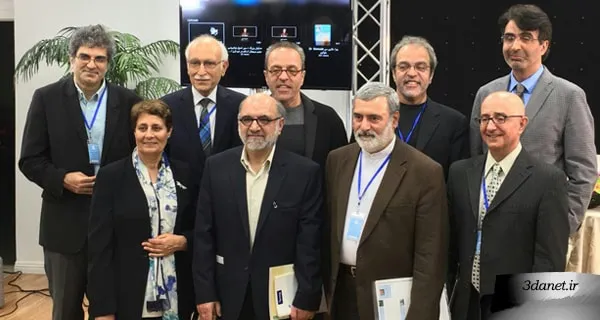
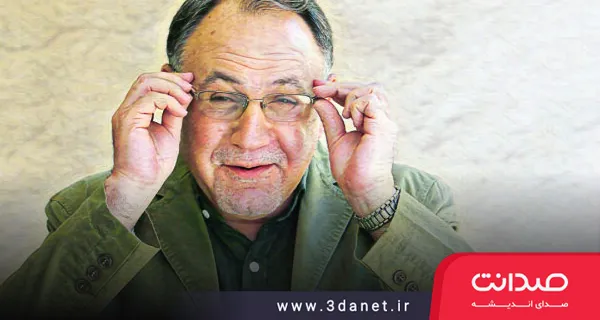
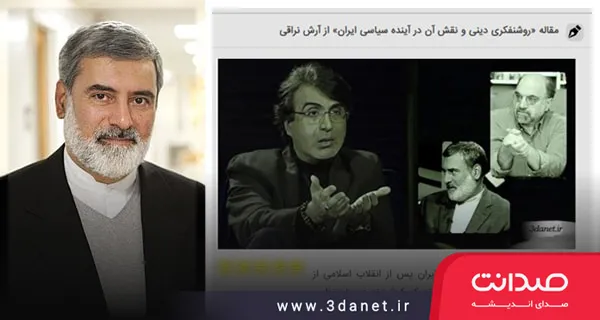
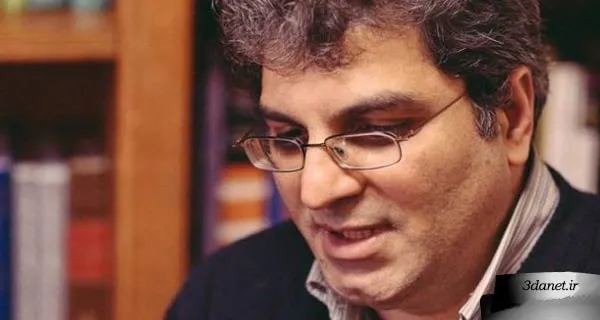
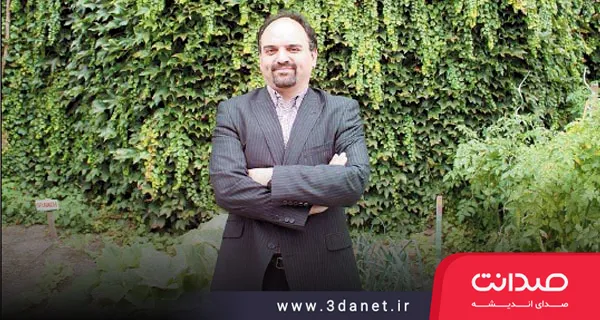
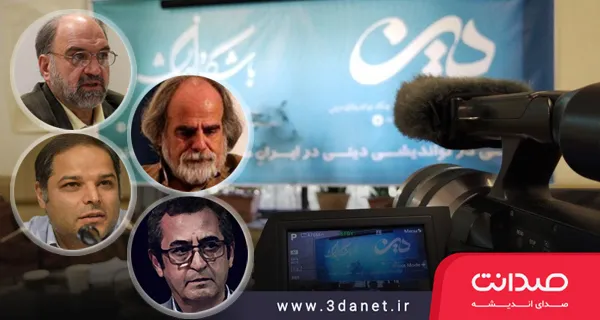
The Conference on the Evolution of Religious New-Thinking in the Islamic World over the Last Half-Century, with the participation of Abdolkarim Soroush, Abdolali Bazargan, Hamid Entezam, Arash Naraghi, Mohsen Kadivar, Ahmad Sadri, Mahmoud Sadri, Hassan Ansari, and Forough Jahanbakhsh, was held on November 11 and 12 at the Ibn Sina Institute.
.
.
Day One (Saturday, November 11, 2017)
Panel One:
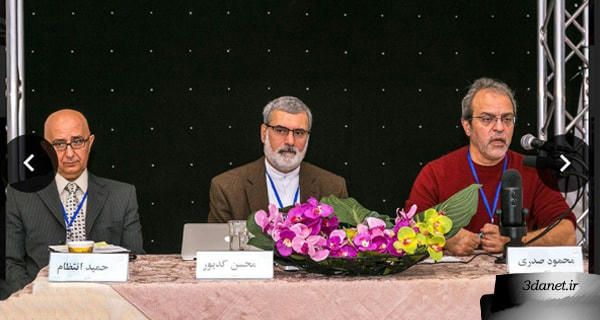
Mohsen Kadivar: Religious New-Thinking in Contemporary Iran: A Case Study of Mohammad Mojtahed Shabestari (Audio of this lecture)
Mahmoud Sadri: What Should the "Shi'iyun" Do? (Audio of this lecture)
Hamid Entezam: The Foundations of Religious Reform in the View of Dr. Shariati (Audio of this lecture)
In the era of Dr. Ali Shariati, the cultural field of Islam was afflicted with various blights, and our religious society was ailing from ignorance, decline, and ossification. The custodians of religion, who feed on the ignorance of the masses, had no motivation or desire to reform the religious order. Fundamentally, in that era, few people contemplated the intellectual-cultural reform of society. Intellectuals and progressive organizations had largely turned to political work, and even then, to armed and violent struggle. Shariati was one of the rare intellectuals who, after much reflection and deliberation, concluded that in a society where religion is not only faith but also the culture of the people, without religious reform, political revolution is doomed to failure. Although Shariati did not produce a coherent, codified theory on religious reform, his works show that his reform project was based on at least three pillars: 1) "Return to the Self," 2) "Extraction and Refinement of Cultural Resources," 3) "Reconstruction of Religious Thought." The further Shariati progressed on this path, the more intense the opposition of high-ranking Shiite clerics became, for they considered reform a heresy and its bearers (intellectuals) an actual danger to their privileges and social standing. Many of them banned the study, purchase, and sale of Shariati's works. In response, Shariati's view and judgment of the clerical establishment became very bleak, and ultimately a fourth pillar emerged in his religious reform project: "Islam Minus the Akhund."
Audio of the Q&A for Panel One
Full Video of Panel One (Watch on YouTube)
.
Panel Two:
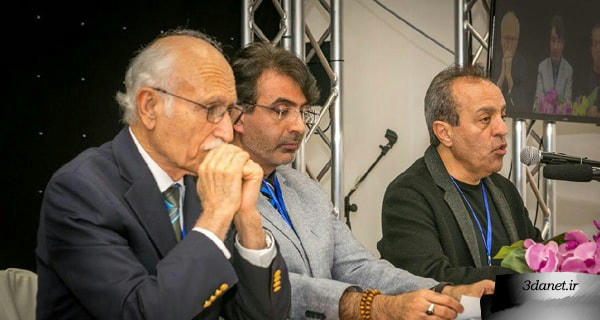
Abdolali Bazargan: The Grounds for Religious Modernism in the Quran (Audio of this lecture)
Ahmad Sadri: A Comprehensive Program for Religious New-Thinking in Iran (Audio of this lecture)
Arash Naraghi: The Logic of Reviving Religious Thought in Islam: The Case of Fazlur Rahman (Audio of this lecture)
Fazlur Rahman and the Theory of Reforming Religious Thought in Islam
Audio of Q&A for Panel Two
Full video of Panel Two (Watch on YouTube)
.
.
Day Two ( Sunday, November 12, 2017)
Panel Three:
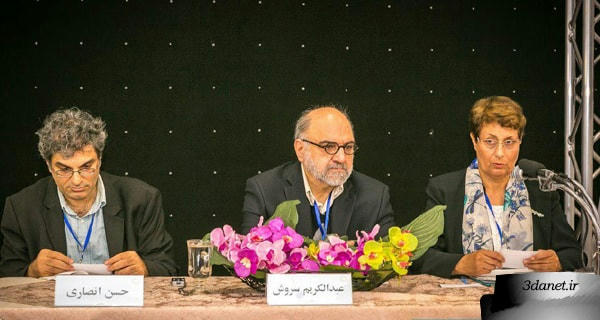
Abdolkarim Soroush: Contemporary Arab Religious New-Thinking (Mohammed Arkoun, Mohammed Abed al-Jabri, Nasr Hamid Abu Zayd) (Audio of this lecture)
Forough Jahanbakhsh: Religious New-Thinking and Women's Rights (Audio of this lecture)
Hassan Ansari: An Examination and Comparison of the Reformist Thought Background of the Late Taleghani and Bazargan within the Arab World's Reform Movement (Audio of this lecture)
Audio of Q&A for Panel Three
Full video of Panel Three (Watch on YouTube)
.Panel Four:
Q&A with All Professors (Audio of this session)Full video of Panel Four (Watch on YouTube)
.
.

Discussion2 comments
کاش همتی شود و این فایلها تبدیل به متن هم بشود
دوست گرامی، درود برشما. چه آرزوی خووبی! بهتون مژده می دم که راه حلی پیدا شده. ... خب! همت رو از خودتون شروع کنید. یه گروه تووی تلگرام درست کنید از دوستان هم نظرتون. ازشون بخواهید که همفکری و هم کاری و هم آستینی کنند در همین کار مشخص و معین. با هم بسازند و جنگ و دعوا هم نکنند و فقط کار کنند و یک مجموعه محتوا رُ هم تولید کنند. در این صورت، کار گروهی را هم یاد می گیرند. باتشکر از شما و صدانت