اندیشهفلسفهخردگفتگوحکمتمعناپرسشفرهنگ
Psychology
Emily Esfahani Smith: Life Is More Than Being Happy
Our culture obsessively pursues happiness, yet it is the absence of meaning that breeds despair; in her talk, Emily Esfahani Smith introduces four pillars of a meaningful life: belonging, purpose, transcendence, and storytelling.
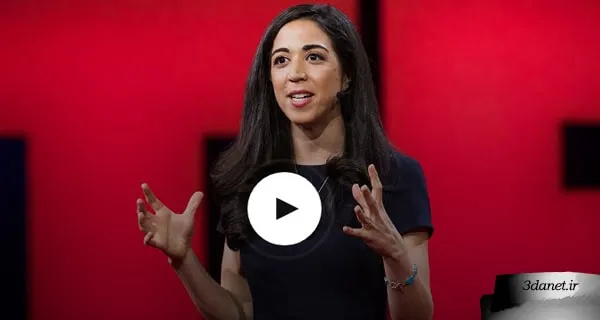
Our culture is obsessed with happiness, but what if there is a more fulfilling path? Writer Emily Esfahani Smith says happiness comes and goes, but having meaning in life -- serving something beyond yourself and developing the best within you -- gives you something to hold onto. Learn more about the difference between being happy and having meaning as Smith offers four pillars of a meaningful life.
I used to think that the whole purpose of life was pursuing happiness. Everyone said the path to happiness was success, so I searched for that ideal job, that perfect boyfriend, that beautiful apartment. But instead of ever feeling fulfilled, I felt anxious and adrift. And I wasn't alone; my friends -- they struggled with this, too.
00:40
Eventually, I decided to go to graduate school for positive psychology to learn what truly makes people happy. But what I discovered there changed my life. The data showed that chasing happiness can make people unhappy. And what really struck me was this: the suicide rate has been rising around the world, and it recently reached a 30-year high in America.Even though life is getting objectively better by nearly every conceivable standard, more people feel hopeless, depressed and alone. There's an emptiness gnawing away at people, and you don't have to be clinically depressed to feel it. Sooner or later, I think we all wonder: Is this all there is? And according to the research, what predicts this despair is not a lack of happiness. It's a lack of something else, a lack of having meaning in life.
01:42
But this subject became a question for me. Is there something higher than happiness in life? And what is the difference between being happy and having meaning in life? Many psychologists define happiness as a state of comfort and ease, feeling good in the moment.Meaning, however, is a deeper concept. The renowned psychologist Martin Seligman says meaning comes from belonging to and serving something beyond yourself and from developing the best within you. Our culture has an obsessive focus on happiness, but I realized that pursuing meaning is a more fulfilling path. And research shows that people who have meaning in life are more resilient, do better in school and at work,and even live longer.
02:31
So all of this made me think: How can each of us live more meaningfully? To discover this, I spent five years interviewing hundreds of people and reading thousands of pages of psychology,neuroscience, and philosophy. Bringing all of this together, I foundthere are things I call the four pillars of a meaningful life. And each of us can create lives of meaning by building some or all of these pillarsin our lives.
03:01
The first pillar is belonging. Belonging comes from being in relationships where you are valued for your inner self and you value others as well. But some groups and relationships display a debased form of belonging; you are valued based on your beliefs, based on who you hate, not for who you are. True belonging springs from love. It lives in moments among individuals, and it is a choice -- you can choose to extend belonging to others.
03:32
Here is an example. Every morning, my friend Jonathan buys a newspaper from the same street vendor in New York. But they don't just have a simple financial transaction. They pause, they talk, and they treat each other like human beings. But one time, Jonathan didn't have enough change with him and the vendor said, "Don't worry about it." But Jonathan insisted on paying, so he went to a store and bought something he didn't need to get change. But when he gave the money to the vendor, the vendor recoiled. He was hurt. He had wanted to do an act of kindness, but Jonathan had rejected him.
04:13
I think we all reject people in small ways without realizing it. I do it. I walk past someone I know and pretend not to see them. When someone is talking to me, I check my phone. These actions devalue others. It makes them feel invisible and worthless. But when you lead with love, you create an intimacy that makes both of you feel good.
04:36
For many people, belonging is the most essential source of meaning, those bonds to family and friends. For others, the key to meaning is the second pillar: purpose. Now, finding your purpose is not the same thing as finding a job that makes you happy. Purpose is more about what you give than what you want.A hospital custodian told me his purpose is healing the sick. Many parents tell me, "My purpose is raising my children." The key to purpose is using your strengths to serve others. Of course, for many of us, this happens through work. That's how we contribute and feel needed. But that also means that issues like disengagement at work, unemployment, low labor force participation— these aren't just economic problems, they're existential ones too. Without doing something worthwhile, people flounder.Of course, you don't have to find purpose at work, but purpose gives you something to live for, a "why" that drives you forward.
05:42
The third pillar of meaning also involves going beyond oneself, but in a completely different way: transcendence. Transcendent states are those rare moments when you rise above the hustle and bustle of daily life, your sense of self fades away, and you feel connected to a higher reality. For one of the people I spoke with, transcendence came from looking at art. For another, it happened in church. For me, I'm a writer, and it happens through writing. Sometimes I get so into that state that I lose all sense of time and place. These transcendent experiences can change you. In one study, students were asked to look up at 200-foot-tall eucalyptus trees for one minute. After doing this, they felt less self-centered, and even behaved more generously when given the chance to help someone else.
06:33
Belonging, purpose, transcendence. Now, the fourth pillar of meaning I found tends to surprise people. The fourth pillar is storytelling. The story you tell yourself about yourself. Creating a narrative from the events of your life brings clarity. It helps you understand how you became you. But we don't always realize that we are the authors of our stories and can change the way we tell them. Your life isn't just a list of events. You can edit, interpret, and retell your story, even as you're constrained by the facts.
07:11
I met a young man named Emeka, who had become paralyzed while playing football. After his injury, Emeka told himself, "My life was great when I played football, but now look at me." People who tell their stories this way— "My life was good. Now it's bad."— tend more toward anxiety and depression. And Emeka was like this for a while. But over time, he began to weave a different story. His new story was, "Before my injury, my life was aimless. I partied too much and was very selfish. But my injury made me realize I could be a better person." This edit transformed Emeka's life story. After telling himself this new story, Emeka began mentoring children, and he discovered what his purpose was: serving others. The psychologist Dan McAdams calls this a "redemptive story." Where the good redeems the bad. He has found that people who lead meaningful lives tend to have life stories defined more by redemption, growth, and love.
08:20
But what drives people to change their stories? Some seek help from a psychotherapist, but you can also do it yourself, simply by reflectively reviewing your life, how your defining experiences shaped you, what you gained, what you lost.That is what Emeka did. Your story doesn't change overnight; it can take years and be painful. After all, we have all suffered, and we are all struggling. But embracing those painful memories can lead to new insight and wisdom, and to finding that good part that gives you continuity.
08:54
Belonging, purpose, transcendence, storytelling: these are the four pillars of meaning. When I was younger, I was fortunate to be surrounded by all of these pillars. My parents ran a Sufi meetinghouse in our home in Montreal. Sufism is a mystical school known for the whirling dance and the poet Rumi. Twice a week, Sufis would come to our house to meditate, drink Persian tea, and share their stories. Their practice also includes service to all beings through performing small acts of love. Meaning, being kind to people even when they wrong you. But this gave them a purpose: to rein in the ego.
09:40
Eventually, I left home to go to college and without the daily teachings of Sufism in my life, I felt like a ship without an anchor. And I started searching for the things that make life worth living. That's what set me on this path. Looking back, I now understand that the khaneqah had a real culture of meaning. The pillars were part of its architecture, and the presence of these pillars helped all of us live more deeply.
10:06
Of course, the same principles apply to other powerful communities as well -- both the good ones and the bad ones. Gangs, cults: these are cultures of meaning that use these pillars and give people something to live and die for. But that's precisely why we, as a society, must offer better alternatives. We need to build these pillars within our families and our organizations to help people become the best versions of themselves. But living a meaningful life takes effort. It's an ongoing process. As each day goes by, we are constantly creating our lives, and adding to our stories. And sometimes, we can get off track.
10:48
Whenever this happens to me, I remember a powerful experience I had with my father. A few months after I graduated from college, my dad had a massive heart attack that could have killed him. He survived, and when I asked him what was going through his mind when he faced death, he said the only thing he could think about was the need to live so he could be there for me and my brother, and this gave him the will to fight for his life. When they put him under for emergency surgery, instead of counting backwards from ten, he repeated our names like a mantra.He wanted our names to be the last words he uttered on earth if he died.
11:32
My father is a Sufi and a carpenter. He has an ordinary life, but a good life. Lying there, facing death, he had a reason to live: love. His sense of belonging to his family, his purpose as a father, his transcendent meditation, repeating our names --he says these are the reasons he survived. That is the story he tells himself.
11:59
12:12
12:13
.
.
00:12
I used to think the whole purpose of life was pursuing happiness. Everyone said the path to happiness was success, so I searched for that ideal job, that perfect boyfriend, that beautiful apartment. But instead of ever feeling fulfilled, I felt anxious and adrift. And I wasn't alone; my friends -- they struggled with this, too.
00:40
Eventually, I decided to go to graduate school for positive psychology to learn what truly makes people happy. But what I discovered there changed my life. The data showed that chasing happiness can make people unhappy. And what really struck me was this: the suicide rate has been rising around the world, and it recently reached a 30-year high in America. Even though life is getting objectively better by nearly every conceivable standard, more people feel hopeless, depressed and alone. There's an emptiness gnawing away at people, and you don't have to be clinically depressed to feel it. Sooner or later, I think we all wonder: Is this all there is? And according to the research, what predicts this despair is not a lack of happiness. It's a lack of something else, a lack of having meaning in life.
01:42
But that raised some questions for me. Is there more to life than being happy? And what's the difference between being happy and having meaning in life? Many psychologists define happiness as a state of comfort and ease, feeling good in the moment. Meaning, though, is deeper. The renowned psychologist Martin Seligman says meaning comes from belonging to and serving something beyond yourself and from developing the best within you. Our culture is obsessed with happiness, but I came to see that seeking meaning is the more fulfilling path. And the studies show that people who have meaning in life, they're more resilient, they do better in school and at work, and they even live longer.
02:31
So this all made me wonder: How can we each live more meaningfully? To find out, I spent five years interviewing hundreds of people and reading through thousands of pages of psychology,neuroscience and philosophy. Bringing it all together, I found that there are what I call four pillars of a meaningful life. And we can each create lives of meaning by building some or all of these pillars in our lives.
03:01
The first pillar is belonging. Belonging comes from being in relationships where you're valued for who you are intrinsically and where you value others as well. But some groups and relationships deliver a cheap form of belonging; you're valued for what you believe, for who you hate, not for who you are.True belonging springs from love. It lives in moments among individuals, and it's a choice -- you can choose to cultivate belonging with others.
03:32
Here's an example. Each morning, my friend Jonathan buys a newspaper from the same street vendor in New York. They don't just conduct a transaction, though. They take a moment to slow down, talk, and treat each other like humans. But one time, Jonathan didn't have the right change,and the vendor said, "Don't worry about it." But Jonathan insisted on paying, so he went to the store and bought something he didn't need to make change. But when he gave the money to the vendor,the vendor drew back. He was hurt. He was trying to do something kind, but Jonathan had rejected him.
04:13
I think we all reject people in small ways like this without realizing it. I do. I'll walk by someone I know and barely acknowledge them. I'll check my phone when someone's talking to me. These acts devalue others. They make them feel invisible and unworthy. But when you lead with love, you create a bond that lifts each of you up.
04:36
For many people, belonging is the most essential source of meaning, those bonds to family and friends. For others, the key to meaning is the second pillar: purpose. Now, finding your purpose is not the same thing as finding that job that makes you happy. Purpose is less about what you want than about what you give. A hospital custodian told me her purpose is healing sick people. Many parents tell me, "My purpose is raising my children." The key to purpose is using your strengths to serve others. Of course, for many of us, that happens through work. That's how we contribute and feel needed. But that also means that issues like disengagement at work, unemployment, low labor force participation -- these aren't just economic problems, they're existential ones, too. Without something worthwhile to do, people flounder. Of course, you don't have to find purpose at work, but purpose gives you something to live for, some "why" that drives you forward.
05:42
The third pillar of meaning is also about stepping beyond yourself, but in a completely different way:transcendence. Transcendent states are those rare moments when you're lifted above the hustle and bustle of daily life, your sense of self fades away, and you feel connected to a higher reality. For one person I talked to, transcendence came from seeing art. For another person, it was at church. For me, I'm a writer, and it happens through writing. Sometimes I get so in the zone that I lose all sense of time and place. These transcendent experiences can change you. One study had students look up at 200-feet-tall eucalyptus trees for one minute. But afterwards they felt less self-centered, and they even behaved more generously when given the chance to help someone.
06:33
Belonging, purpose, transcendence. Now, the fourth pillar of meaning, I've found, tends to surprise people. The fourth pillar is storytelling, the story you tell yourself about yourself. Creating a narrative from the events of your life brings clarity. It helps you understand how you became you. But we don't always realize that we're the authors of our stories and can change the way we're telling them. Your life isn't just a list of events. You can edit, interpret and retell your story, even as you're constrained by the facts.
07:11
I met a young man named Emeka, who'd been paralyzed playing football. After his injury, Emeka told himself, "My life was great playing football, but now look at me." People who tell stories like this --"My life was good. Now it's bad." -- tend to be more anxious and depressed. And that was Emeka for a while. But with time, he started to weave a different story. His new story was, "Before my injury, my life was purposeless. I partied a lot and was a pretty selfish guy. But my injury made me realize I could be a better man." That edit to his story changed Emeka's life. After telling the new story to himself,Emeka started mentoring kids, and he discovered what his purpose was: serving others. The psychologist Dan McAdams calls this a "redemptive story," where the bad is redeemed by the good.People leading meaningful lives, he's found, tend to tell stories about their lives defined by redemption, growth and love.
08:20
But what makes people change their stories? Some people get help from a therapist, but you can do it on your own, too, just by reflecting on your life thoughtfully, how your defining experiences shaped you, what you lost, what you gained. That's what Emeka did. You won't change your story overnight;it could take years and be painful. After all, we've all suffered, and we all struggle. But embracing those painful memories can lead to new insights and wisdom, to finding that good that sustains you.
08:54
Belonging, purpose, transcendence, storytelling: those are the four pillars of meaning. When I was younger, I was lucky enough to be surrounded by all of the pillars. My parents ran a Sufi meetinghouse from our home in Montreal. Sufism is a spiritual practice associated with the whirling dervishes and the poet Rumi. Twice a week, Sufis would come to our home to meditate, drink Persian tea, and share stories. Their practice also involved serving all of creation through small acts of love,which meant being kind even when people wronged you. But it gave them a purpose: to rein in the ego.
09:40
Eventually, I left home for college and without the daily grounding of Sufism in my life, I felt unmoored.And I started searching for those things that make life worth living. That's what set me on this journey.Looking back, I now realize that the Sufi house had a real culture of meaning. The pillars were part of the architecture, and the presence of the pillars helped us all live more deeply.
10:06
Of course, the same principle applies in other strong communities as well -- good ones and bad ones. Gangs, cults: these are cultures of meaning that use the pillars and give people something to live and die for. But that's exactly why we as a society must offer better alternatives. We need to build these pillars within our families and our institutions to help people become their best selves. But living a meaningful life takes work. It's an ongoing process. As each day goes by, we're constantly creating our lives, adding to our story. And sometimes we can get off track.
10:48
Whenever that happens to me, I remember a powerful experience I had with my father. Several months after I graduated from college, my dad had a massive heart attack that should have killed him. He survived, and when I asked him what was going through his mind as he faced death, he said all he could think about was needing to live so he could be there for my brother and me, and this gave him the will to fight for life. When he went under anesthesia for emergency surgery, instead of counting backwards from 10, he repeated our names like a mantra. He wanted our names to be the last words he spoke on earth if he died.
11:32
My dad is a carpenter and a Sufi. It's a humble life, but a good life. Lying there facing death, he had a reason to live: love. His sense of belonging within his family, his purpose as a dad, his transcendent meditation, repeating our names -- these, he says, are the reasons why he survived. That's the story he tells himself.
11:59
12:12
12:13
.
.
.
Emily Esfahani Smith: Life Is More Than Being Happy
Video of Emily Esfahani Smith's TED Talk in 63 MB
Persian and English subtitles
Source: TED
.
.





Discussion6 comments
چقدر عالی بود .ممنون از سایت مفیدتون.
معنای زندگی از نظر انسان خداباور با انسان خداناباور کاملا متفاوت است..چرا که دیدوجهان بینی هردو متفاوت است.انسان خداباور درهمه شرایط (خوشی وناخوشی)زندگی اش معناداراست. درصورتی که یک آتئست یاشک گرا زندگی را فقط در لحاظ لذت دنیایی می بیند ودر هنگام سختی معمولا دچار نهیلیسم می شود.سخن استادملکیان زیباست، اینکه با اتمام لذت وشور زندگی، انسان دنبال معنا می گردد.که البته به نظر من بستگی به خداباوری وخدا ناباوری انسان دارد،،چرا که یک خداباور مسیر خودرا از خدا شروع می کند و می خواهد در انتها دوباره به سوی او باز گردد . چرا که معنای اصلی زندگی او فقط در خور وخواب وشهوت (که مشترک با سایر موجودات است) نیست،،بلکه مقصود اصلی رسیدن به خداست... متاسفانه در قرون اخیر در پس همه پیشرفت ها و توفیقها یک چیز گم شده و می بایست گم شود و آن «معنای» زندگی است. معنای زندگی یا حقیقت زندگی از دست رفت. زیرا که اصل پیشرفت تکنولوژیک شد و همه ملاک ها منحصر به ارزشیابی آنچه قابل اندازه گیری است ، در پاسخ به این سوال که این همه سرعت برای چه؟ چه پاسخی می توان ارائه کرد؟ آیا معنای «خود زندگی» دیگر چیزی جز تکرار و تکرار و سرعت بیشتر برای سرعت بیشتر خواهد بود؟ این وضعیت همان چیزی است که برخی متفکران غرب از آن به نیست انگاری تعبیر کرده اند. این وضعیت امروزه منحصر به غرب نیست. حتی کشورهای غیر غربی بیشتر از کشورهای غربی دچار مشکلات و مصائب وضعیت دوره جدید شده اند، بطوری که در برخی جوامع شاهد هستیم که آنها بدون برخورداری از مزایای تکنولوژی جدید، به معایب و مضرات آن گرفتارند. عصر ما عصر تهی شدن زندگی از «معنا» است. در عصر نیست انگاری کنش پذیر ناقص، چگونه می توان به زندگی معنا بخشید. برای این پرسش با تأمل به «معنای زندگی»، شاید بتوان پاسخی یافت. زندگی چیست؟ آیا زندگی صرف تغذیه و رشد و تولید مثل است؟ آیا زندگی مدتی را در این جهان به سرکردن است؟ آن هم به هر قیمتی؟ آیا زندگی تلاش بی وقفه در بیشتر داشتن است؟ به نظر می رسد پاسخ این پرسش ها منفی است. زندگی را می توان عین خلاقیت و شکوفایی دانست و خلاقیت با تکرار ناسازگار است. خلاقیت خلاف آمد عادت است. و اگر زندگی عین خلاقیت است، معنای زندگی با هنر و آفرینش هنری عجین است و لازمه آفرینش هنری نیز وجد و سرزندگی و از خود بیرون شوندگی است. به نظرمن با هنر، اخلاق و معنویت می توان به زندگی معنا بخشید.
یک سخنرانی سطحی! ببینید! آدم تا وقتی که از زندگی اش «لذت» میبرد، «مسئلۀ معنای زندگی» برایش مطرح نمیشود. لذت بردن که معنا لازم ندارد! این خانم البته کار خوب، و دوست پسر خوشگل، و آپارتمان شیک داشته اما از هیچکدامشان لذتی نبرده است که سرگردان بوده! برای تحمل درد و رنج است که باید نوعی معنا پیدا کرد. و درد و رنج زندگی آدم وقتی معنا پیدا خواهد کرد که در خدمت چیزی خارج از خودش باشد، وگرنه گرفتار نوعی «دور باطل» خواهد شد. اما مسئله اینجاست که آدم بی دلیل بدنیا می آید و بی دلیل درد و رنج میکشد و بی دلیل میمیرد! زندگی معنایی ندارد. جعل کردن معنای زندگی هم مثل قصه های کودکانه بیش از یک لبخند نمی ارزد!
احسنت
تبیین «معنای زندگی» در گفتوگو با مصطفی ملکیان • صدانت http://3danet.ir/%D8%A7%DB%8C%D8%B1%D8%A7%D9%86-%D9%85%D8%B9%D9%86%D8%A7%DB%8C-%D8%B2%D9%86%D8%AF%DA%AF%DB%8C-%D9%85%D8%B5%D8%B7%D9%81%DB%8C-%D9%85%D9%84%DA%A9%DB%8C%D8%A7%D9%86/
الان خود شما یک معنا از زندگی ساختی . شاید برای خیلی از انسانها معنی زندگی به این معنا باشه که این بی معنایی رو برای انسانهای دیگه اثبات کنند. البته بعضی ها معتقدند وقتی به این پوچی پی می بری خودت شروع می کنی به خلق معنا و حتی قبل از این مرحله صحبت از معنای زندگی بی معنی است