Philosophy
Freedom of Speech – Adapted from Richard Sorabji
In ancient Greece, parrhesia meant speaking everything, but only certain groups enjoyed it. John Stuart Mill likewise made access to truth conditional on the possibility of expressing wrong ideas and criticising beliefs.
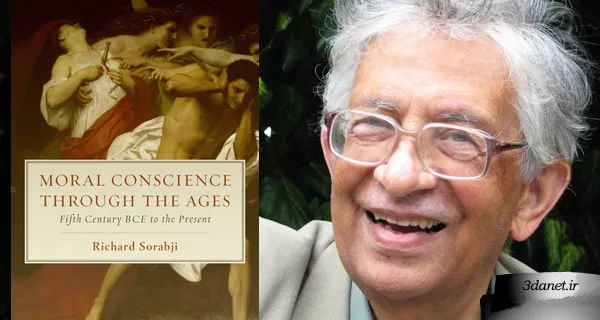
Freedom of speech was a topic in ancient Athens. The word parrhesia, meaning "saying everything" in the Greek of that era, represented the concept of freedom of speech. This did not, of course, mean that everyone had the possibility of parrhesia. In fact, in ancient Greece, very few individuals were free in their speech. Satirical poets were one of the groups that had freedom of speech; in addition to them, Athenian citizens renowned for proper conduct also enjoyed this freedom. Slaves and foreigners (such as Aristotle) did not possess freedom of speech in the sense of parrhesia. Despite the fact that, on the whole, very few people were free to say whatever they wished, many Athenians believed that freedom of speech was not good at all and should not be established. Philosophers also enjoyed this privilege in certain instances. For example, it is recounted that when Alexander the Great went to see Diogenes the Cynic, he told him, "Say whatever you wish, and I will grant it to you." Diogenes replied to Alexander, "Move aside, you are blocking the sunlight." The idea that someone could fearlessly say whatever they wanted to Alexander and survive seems impossible without the existence of parrhesia. Of course, not all philosophers were this fortunate. Socrates, for instance, lost his life for his words and was killed.
A century before Christ, the Epicureans lived in a garden-school outside the city. Every morning they had to confess the wrong things they had done during the day, and the teachers had to acquire the art of taking confessions from their students. Their motto was: The conscience of the students is lightened by confessing. These confessions were one of the instances in which the students said whatever they wanted. Freedom of speech was not confined to Greece. For example, Jeremiah (the Israelite prophet) warned the Jews that they were worshipping a false god and would meet an ill fate. But looking at the Roman era, we see that many Stoics were aristocratic senators who believed they should vote according to what they believed, though this sometimes cost them their lives. In later periods, court jesters were among those who had freedom of speech; they were free to say whatever they wanted and were usually not reprimanded. In seventeenth-century England, people could print their material in their own homes, and with such a possibility, restricting freedom of speech was very difficult. Therefore, in the seventeenth century, the issue of freedom of speech became a very important and fundamental subject in England. For instance, in this period John Milton abandoned writing poetry because he thought it was his duty to write about politics. In 1644, in his book, he defended freedom of speech (through the free printing of material). He says that Christians initially told you, 'That book is a good book, read it; that other one is not a good book, don't read it.' In fact, they advised and left the decision of reading or not reading a book to the reader's conscience. But in the seventeenth century, a new phenomenon had formed, and you were told that you must not read this book, or you must not write such material. Milton says that the printing of erroneous material is also necessary because truth can only be accessed if erroneous material is also available. (John Stuart Mill later expanded this argument). In 1791, Madison said it was better to make changes to the Constitution because the federal government had not been able to persuade all the states to go along with it. We must give the states more freedoms so they will go along with the federal government. Hence, freedom of speech was also included in the First Amendment to the U.S. Constitution. In 1792 in England, Thomas Erskine defended Thomas Paine. First of all, that every person must be allowed to tell his countrymen what opinion he has about his country, and secondly, what, in his view, is good for his country. John Stuart Mill, in the nineteenth century, made a defense of freedom of speech that is considered the most famous defense of freedom of speech to this day. The existence of freedom of speech has two possible consequences: either you realize your mistake and gain access to the correct belief, or you realize that you were right, but because you have also understood the alternatives to your opinion, your opinion becomes clearer. Mill asks us to imagine that discussing Newtonian physics were forbidden; would we still believe in his physics to the same extent? We would probably become very suspicious, because we could not find out whether Newtonian physics had a problem or not. When its critique is permitted, we can decide, and then the caliber of Newtonian physics becomes clear. The absence of freedom of speech caused the delay of reforms in England. (The event in which the Church of England became independent from the Vatican Church and the Pope). From the Protestants' perspective, the reason for the prevalence of erroneous opinions was that the Catholic Church prosecuted individuals who declared their opinions.
.
.
Freedom of Speech – Adapted from the book by Richard Sorabji
Zohair Bagheri No’parast
.



Discussion2 comments
در مورد آزادی بیان : همه می پذیرند که هر حرفی را به هر کسی و در هر جایی نشاید گفت ، مثلاً پدر و مادر همه حرف های شان را در حضور فرزندان نمی گویند یا معمولاً دانش جو و استاد سر کلاس حرف بی ربط به درس نمی زنند . افزون بر این مردم میل به قاعده سازی دارند یعنی از این یا آن مورد مشخص فراتر می روند و گزاره های کلی می سازند : دروغ نگو ؛ مردم آزاری نکن ؛ به پیمان و عهد خود وفا کن ؛ درآمد و دارایی و ایده تازه و روش کسب و کار خود را از دیگران پنهان کن ؛ نسنجیده داوری نکن ..... در مورد این که چه حرفی را به چه کسی یا کسانی بگویند یا نگویند نیز گزاره های کلی می سازند و تبصره ها را نیز به قاعده کلی تبدیل می کنند . در گستره اجتماعی تفاوت در نحوه ساخت قوانین و چگونگی اجرای آن هاست . با رشد تقسیم کار در جوامع ، هم ساخت و تدوین بسیاری از قوانین و هم تضمین اجرای آن ها ، سازمانی و غیرشخصی شده است . بر این مبنا هم محل نزاع فکری درباره آزادی بیان و هم ریشه های تفاوت آرا در این زمینه را می توان تبیین کرد .
با سلام. موضوع بسیار جالب و مهمی است . بیشتر به این موضوع پرداخته شود و متن نصف و نیمه از یک کتاب برای این موضوع کافی نیست. با تشکر فراوان