Political Science
Democracy and Freedom of Expression
Democracy rests on rational dialogue and freedom of expression; by enabling critique, free speech exposes errors and strengthens true beliefs. An essay on the relationship between democracy and the value of free expression in a democratic system.
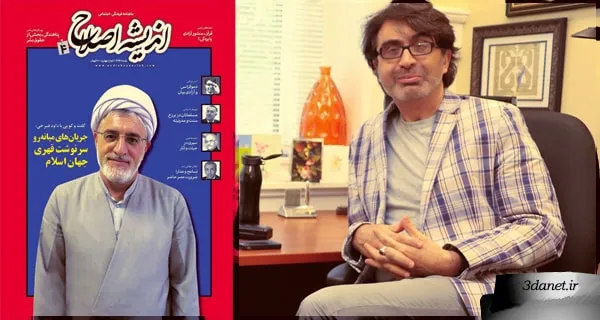
In this article, I wish to briefly examine the relationship between democracy and freedom of expression, as well as the value of freedom of expression within the context of a democratic system.
(1) Democracy
Democracy can be simply described as a method of collective decision-making, a method in which all members of the group participate in the decision-making process from an equal position. But why have human societies gradually inclined toward democratic decision-making systems? What characteristics give democracy a relative superiority over other methods of collective decision-making?
One of the most important advantages of decision-making through democratic methods is that a greater diversity of interests, benefits, and viewpoints are taken into consideration. Within the context of a democratic system, citizens find, to some extent, the opportunity to participate effectively in determining their own destiny; that is, compared to autocratic or elitist governments, a greater number of people can participate effectively in policymaking and major decision-making that affects their interests and destiny, from the standpoint of their own interests and benefits. The right to effective participation in determining one's destiny is among the fundamental rights of human beings, which is intrinsically valuable, but in addition, it is a very effective method for taking into account the rights and interests of a greater number of people in the realm of policymaking and major political, economic, and social planning.
Another advantage of the democratic decision-making method is that it significantly reduces the possibility of error—that is, it is a more effective method for discovering the right decision. The participation of diverse social groups in the decision-making process diversifies and enriches the epistemic and informational resources necessary for considered decision-making. That is, because programs and policies are built upon broader informational resources, they are often formulated more knowledgeably and deliberately, and furthermore, proposed programs and policies are tested against the touchstone of broader critique and scrutiny, and their quality becomes better known.
And finally, the possibility of citizens' effective participation in determining their destiny can effectively contribute to the growth and flourishing of the moral and civic character of citizens. Citizens who can play an effective role in determining their own destiny develop a more independent and responsible character. Civic education teaches these citizens to better learn the art of listening, to express their opinions more clearly and boldly, to exercise greater care in explaining and justifying their views, and also, at least to some extent, to take into account the interests and benefits of others in their work.
But as was mentioned earlier, the value of democratic decision-making is not limited to its instrumental aspects. Democracy is rooted in values that are important to human beings and intrinsically valuable. For example, the foundation of democracy, at least in its ideal form, is that all human beings enjoy the right to freedom or effective participation in determining their destiny. This principle rests upon respect for human dignity and honoring some of the most fundamental rights of human beings. In addition, the foundation of democracy rests upon rational and critical dialogue. Responsible citizens in a democratic society adopt their decisions through free discussion and dialogue, based on reasoning and logic. Critique and commitment to the logic of dialogue are the foundation of a just democracy. Freedom of expression is the heart of democracy. Citizens' opinions can be clearly formulated and presented to the public sphere in an atmosphere of freedom, and it is in an atmosphere of freedom that other citizens can carefully, clearly, boldly, and unreservedly critique and examine those opinions. It is in this sense that the assumption of democracy without recognizing the principle of freedom of expression appears largely meaningless and extravagant.
(2) Freedom of Expression
اما خوب است به تفصیل بیشتری به نقش مهم آزادی بیان در متن یک جامعهی دموکراتیک بپردازیم. حقیقت این است که بسیاری از مزایای دموکراسی با فرض آزادی بیان به دست میآید، و بخش مهمی از فضائل دموکراسی در واقع فضائل و مزایای ناشی از آزادی بیان است. یعنی دموکراسی در صورتی بر نظامهای خودکامه و نخبهسالار برتری معنادار مییابد که آزادی بیان را به عنوان رکن اساسی خود بهرسمیت شناخته باشد. در فقدان آزادی بیان، نظر اکثریت و صدای اقلیت امکان بروز مؤثر نمییابد. اما چرا باید آزادی بیان را پاس داشت؟
یکی از مهمترین استدلالهایی که در دفاع از آزادی بیان شده است بر فرض خطاپذیری انسانها استوار است. انسانها خطاپذیرند، یعنی در مقام کشف حقیقت همیشه به صدق دست نمییابند. بهترین شیوهی کشف و حذف باورها و گزارههای کاذب آن است که باب نقد آن باورها را بگشاییم. اما شرط نقد آزادی است: منتقدان باید این مجال و آزادی را در فضای عمومی داشته باشند که نظرات انتقادی خود را بهروشنی و بیمحابا مطرح کنند، و ما را از خطاها و نقصانهای باورهایمان آگاه کنند. ما غالباً شیفتهی خود و به تبع نظرات خود هستیم. و این شیفتگی در بسیاری مواقع مانع از آن میشود که بتوانیم کاستیها نظرات خود را به خوبی و به روشنی ببینیم. اما دیگران لزوماً چنان دلبستگی و تعلق خاطری را به نظرات ما ندارند، و این فاصله به ایشان مجال بهتری میدهد تا از موضع بیطرفانهتری نقصانها و خطاهای نظرات ما را بیابند، و برملا کنند. نظراتی که از کوران نقدهای سخت و جسورانه سرفراز بیرون میآیند به احتمال بیشتری حامل صدقاند. بنابراین، آزادی بیان در شکل آزادی نقد جسورانه در فضای عمومی، میتواند به پالایش منظومهی فکری ما از گزارههای کاذب کمک شایان کند.
از سوی دیگر، حتّی اگر باورهای ما صادق باشد، آزادی بیان به ما کمک میکند که به صدق آن باورها اطمینان یابیم، و با اعتماد به نفس بیشتری به آن باورهای صادق پایبند بمانیم. دست یافتن به صدق بهخودی خود کافی نیست. ما علاوه بر آن باید دلایل کافی و قانعکنندهای بر صدق آن باورها هم داشته باشیم. کسانی که بدون مبنای روشن و استوار باورهایی را (ولو صادق) پذیرفته باشند، کاملاً در معرض آناند که به اندک نسیم تردید و شبهه در باورهای خود سست شوند. برای مثال، این مهم است که جامعه به این گزارهی صادق باور داشته باشد که «وفای به عهد واجب است.» اما در عین حال این هم به همان اندازه مهم است که جامعه بداند چرا وفای به عهد واجب است. جامعهای که از دلایل صدق این باور آگاه باشد، در این باور و التزام به آن استوارتر است. آزادی بیان، و خصوصاً مجال نقدهای سخت و جسورانه، به ما این فرصت را میدهد که نسبت به صدق باورهای صادقمان اطمینان بیشتری بیابیم، و درک بهتری از مضمون آن باورها و اهمیتشان بیابیم.
سرکوب باورهای کاذب هم لزوماً کار درست و ثمربخشی نیست. طرح باورهای کاذب ما را وا میدارد تا از باورهای صادق دفاع کنیم، یعنی دربارهی دلایل صدق آنها تأمل بیشتری کنیم. باورهای کاذب شقوق بدیلی در پیش ما مینهند که فهم آنها و ردّشان نهایتاً درک ما را از باورهای صادق و میزان التزام ما را به آن باورها ارتقاء میدهد. بنابراین، بیان آزادانهی گزارههای کاذب هم میتواند به خیر و مصلحت عمومی کمک کند.
و سرانجام آنکه، آزادی بیان در شکوفایی خلاقیت و نیز شخصیت اخلاقی شهروندان مؤثر است. رشد و شکوفایی انسان به عنوان یک فاعل عاقل و اخلاقی تا حدّ زیادی در گرو امکان بیان خویشتن است. «بیان خود» در قالب انواع فعالیتهای هنری، ادبی، اجتماعی و سیاسی از مهمترین وجوه ممیز انسانها از سایر موجودات است. «بیان خود» به ما این امکان را میدهد که نگاه دقیقتری به درون خود بیفکنیم، زوایا و خفایای اندیشه و روان خود را صورت بیرونی ببخشیم، و آنها را به روشنای نظر عمومی درآوریم، و در رفت و آمد مستمر میان نگاه درون و نگاه بیرون، خویشتن خود را بیشتر بپیراییم و صیقلی کنیم. آزادی بیان، به انسان امکان تحقق میبخشد، و از این راه به رشد و شکوفایی او کمک میکند.
(۳) محدودیتهای آزادی بیان
اما آزادی بیان، مانند سایر حقوق و فضائل انسانی، بیقید و شرط نیست. این درست است که آزادی بیان از جمله مهمترین حقوق انسانها در متن زندگی اجتماعی است. اما این حقّ لاجرم باید خود را با سایر حقوق اساسی و مدنی شهروندان در متن یک جامعهی دموکراتیک موزون و متناسب کند.
One of the most important limitations on freedom of expression can be formulated in terms of the "harm principle." According to the "harm principle," expression is free as long as it does not lead to harm to another. That is, an individual's expression must not directly and clearly violate the rights of others. For example, slander and libel, demanding hush money, false advertising of consumer goods, advertising dangerous products (such as cigarettes) to children, lying in the context of contracts, and disclosing a country's security secrets can be considered instances of expression that, according to the "harm principle," are not free and must be prohibited.
Of course, a distinction must be made here between the legal prohibition and the moral prohibition of undesirable and wrongful expressions. The above cases are among those where moral reprehensibility can (alongside other considerations) provide a basis for legal prohibition. However, the moral reprehensibility of some undesirable and wrongful expressions does not necessarily and always provide a justified basis for their legal prohibition. It is possible that expression A is morally impermissible, yet at the same time, its legal prohibition and the legal punishment of its agents may not be considered morally commendable. One of the most fundamental principles of a free and democratic society is recognizing the right to be wrong. That is, matter A may be considered wrong from my perspective, but within the context of a pluralistic society, I must grant another the right to do what I consider wrong, without me or anyone else preventing them.
[....] Determining whether an expression is insulting or constitutes hate speech is a difficult task, and in many cases, individuals may, due to heightened personal or group sensitivities, consider this or that form of art or social or ideological criticism as an instance of insult or hate speech and demand the restriction of those forms of expression. Hence, it is entirely possible that the legal prohibition of hate speech or insulting expression becomes a pretext for expanding restrictions on freedom of expression and ultimately harms the principle of freedom of expression itself.[...]
The fundamental principle of democracy is rational dialogue among citizens from a position of equality, and therefore, any type of freedom of expression that leads to the subordination of a group of citizens, or endangers their equal human dignity, or restricts the space for rational dialogue in society, is considered undesirable from the perspective of democratic values.
.
.
Democracy and Freedom of Expression
Author: Arash Naraghi (Assistant Professor of Philosophy of Religion at Moravian College, Pennsylvania, USA)
Source: Andisheh-ye Eslah Monthly, Issue 4
.
.



Discussion0 comments
No comments yet; let yours be the first voice.