Psychology
How to Deal with People Who Undermine You Socially
Social undermining places an emotional burden on your shoulders and may come from friends or family. By recognizing the signs and motives behind these behaviors and communicating honestly, you can defend your personal goals against them.
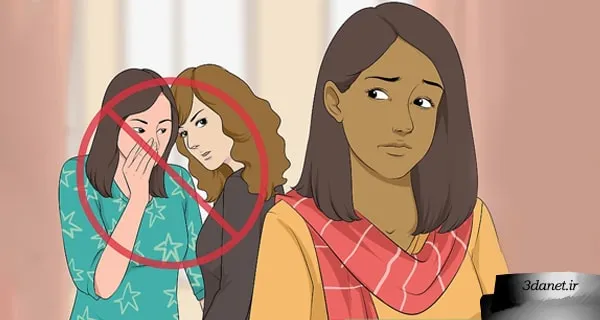
Years ago, at a gathering I attended with a friend, someone asked me what I did for a living. I replied that I was “working on a series of online video programs.” My work was demanding, requiring extensive planning, research, and interviewing various people, and it was a job from which I earned my income. At that moment, my friend murmured, “He’s a video blogger, that’s all!” and laughed. I don’t know why, but I felt humiliated.
And that, of course, was the beginning of a number of other similar attacks, whether aggressive or mild. Something you have probably experienced too, whether regarding your work, your decisions for a better life, or even the frugal choices you’ve made to straighten out your finances. Whatever the motive, many of you have encountered people among friends or family who seem to delight in finding fault with you, belittling you, or dismissing your decisions.
This is what is called social undermining, and although it may seem harmless at first glance, it can impose an emotional burden on you. Especially if you are someone who avoids conflict, you may begin to doubt yourself. In any case, it is better to corner the acquaintance in question before they push you to the limits of your endurance. Perhaps these strategies can help:
Look for the Signs
First of all, make sure you are really dealing with social undermining. The other person may have simply said something foolish. For instance, a friend once told me how much she had managed to save on her wedding expenses, and I replied that a “cheap” wedding wasn’t a bad thing. Of course, I immediately regretted the awkward remark, as it sounded more like mockery than an affirmation of my friend’s statement.
To be honest, I had made a mistake, but there was no ill intent. In social undermining, however, the primary motive is distinctly “undermining.” A study published in the Journal of Organizational Behavior describes social undermining as follows:
Behaviors intended to hinder the ability to establish and maintain positive interpersonal relationships, work-related success, and favorable reputation are called social undermining.
Essentially, social undermining uses negative descriptions to weaken an individual’s goals or belittle their successes. People who do this also have specific characteristics:
They do it to others too: You are not the only one being targeted.
You feel defensive in their presence: You constantly feel you have to prove something to them, and of course, you don’t know why!
They are constantly judging others: They love to gossip about those around them and their lifestyles, while artfully blending gossip with judgment.
They are masters of backhanded compliments: Most of their compliments are also offensive.
They overdo it in praising themselves: They present themselves as supportive, caring individuals and mentors.
They tempt you: They lure you away from your goal with seductive alternatives. When you try to stick to a diet, they push you to eat unhealthy food. When you try to save money, they invite you to splurge.
Of course, you need to know, based on your own character traits, how sensitive you are. If you are in doubt about a particular case, you can ask a neutral observer. For example, I ask my mother because she knows better than anyone how sensitive I am.
Identify the motive
Once you are sure you are dealing with undermining, you need to figure out why the other person is doing it. The initial assumption is that they undermine your goals, successes, or decisions out of jealousy. Many times this assumption is correct, but there may be other reasons as well. Including:
Competition: A study at DePaul University addresses "abusive supervision," and this is something very common in work environments. You may have a colleague, boss, or supervisor whose behavior toward you is aggressive simply because they feel weak compared to you. Another study in the Journal of Applied Psychology addresses the lowest kind of mindset. Something that makes a person willing to do anything to succeed and, of course, remove any competitor by any means possible.
Validating their own decisions: People may undermine your decisions because it reminds them of their own actions. Before I came to Los Angeles, a distant, older colleague emailed me and wrote, "This is the stupidest decision of your life, and you'll come back with your tail between your legs next year." Receiving such an email from someone I had little connection with was very upsetting. But in the ensuing conversation, he said something to the effect that we all have crazy dreams, but most of us don't pursue them because we are smart enough to know those dreams are crazy. I understood right then that his words were more about himself than about me!
Worry for you: On the other hand, I think sometimes social undermining occurs when the other person is genuinely worried about you. My parents were genuinely worried about my move to California. For a long time, they used every opportunity to undermine my decision. Of course, they had no intention of competing or validating themselves. They were worried they might witness my failure.
Knowing the reason these underminings occur can help you make the most appropriate decision in response to them.
Be direct and honest
In most cases, communication should be your first line of defense. The other person may not even know they are undermining you. When I understood that my parents were worried about my situation in a new city, I found a way to communicate with them. I explained my plans to them and said I had thought about everything they were worried about. Furthermore, I told them I needed their support. From that moment on, the undermining stopped, and they became my biggest supporters.
Explaining to friends and those around you about your goals, the importance these goals hold for you, and the impact their opinions have on you can also help them gain a better understanding of the situation.
ارتباط برقرار کردن بویژه زمانی که در محیط کار تضعیف میشوید اهمیت بهسزایی دارد. سایت dice.com اینگونه توضیح میدهد:
در اولین مرحله شما میتوانید با یک مکالمه ساده وضعیت را برای طرف مقابل شرح دهید. به عنوان مثال اگر شما را به جلسهای دعوت نکردهاند، می توانید به سراغ فرد موردنظر بروید و بگویید که مطمئن هستید این اتفاق سهوا رخ داده و از او بخواهید در موارد بعدی حتما شما را هم دعوت کند. داشتن چنین تعاملاتی باعث میشود که طرف مقابل را نسبت به موارد مشابه بعدی حساس میکند.
البته رک و راست به سراغ اصل مطلب رفتن لزوما در همه موارد جواب نمیدهد. اگر طرف شما رفتار تهاجمی نداشته باشد ممکن است به سادگی مظلومنمایی کرده و از شما بپرسد که چرا اینگونه تهاجمی رفتار میکنید. اگر کمی صراحت به کار نیامد راههای دیگری هم وجود دارد.
از دادن اطلاعات به آنها اجتناب کنید
اگر اطرافیان احساس بدی در شما بوجود میآورند، روند پیشرفت، اهداف و موفقیتهایتان را از آنها مخفی کنید. در راه رسیدن به اهداف اینرسی حرکتی بسیار مهم است. زمانی که کسی شما را کند میکند یا زمین میزند این اینرسی را از بین میبرد و ممکن است باعث شکست شما شود.
این تنها مربوط به اهداف هم نمیشود، گاهی افراد باعث میشوند نسبت به زندگی که دارید حس بدی پیدا کنید. در این حالت از هرچیزی که آنها را وارد گود میکند پرهیز کنید. گاهی باید موضوع تمرکز دوستیتان را عوض کنید.
روی چیزهای خوب تمرکز کنید. آیا فعالیتی هست که هر دوی شما را در شرایطی مثبت کنار هم نگه دارد؟ شاید اگر کارها را به صورت تیمی انجام دهید طرف مقابلتان دیگر نظرهای منفی ابراز نکند. شاید اگر هر دویتان با هم برای دویدن بروید او هم به اندازهای نفس کم بیاورد که توان گله کردن و منفیبافی نداشته باشد! این کارها را بیشتر انجام دهید و سعی کنید فعالیتهایی که باعث میشود او انتقاد کند یا جبهه بگیرد را کمتر انجام دهید.
اگر جنبههایی از زندگی شما هست که مستقیما حسادت یا رقابت طرف مقابل را برمیانگیزد و البته میخواهید رابطه را حفظ کنید، باید از آن جنبهها صرفنظر کنید.
البته میتوانید از تکنیکی شبیه تکنیکهای نرم هنرهای رزمی استفاده کنید. تکنیکی که هم تدافعی و هم تهاجمی است. شما نمیخواهید به طرف مقابلتان آسیب بزنید، فقط میخواهید از شر حمله او در امان بمانید. در هنرهای رزمی از انرژی خود حملهکننده برای مقابله استفاده میکنند. انرژی او را سد نمیکنند بلکه از سر راهش کنار میروند و اتفاقا کمی هم نیرو در جهت حمله به او وارد میکنند تا به مسیرش ادامه دهد و دور شود. مثلا اگر دوستی به شما میگوید که باید یک ماشین نو بخری و این لگن قراضه را دور بیاندازی، به جای مقابله بگویید «واقعا ماشینهای جدید را دوست دارم» و صحبت را به مدلهای جدید و خصوصیاتشان بکشید و البته لازم نیست برای خرید ماشین جدید هیچ اقدامی بکنید.
رابطه را تغییر دهید
اگر طرف مقابل شما یک آشنای دور یا یک همکار باشد به سادگی میتوانید ارتباط را با او قطع کنید. ولی در مورد اعضای خانواده یا دوستان نزدیک چنین کاری به سادگی ممکن نیست. در این صورت سعی کنید وقت کمتری را با آن فرد بگذرانید یا دوستی را موقتا کمرنگتر کنید.
به خصوص زمانی که پای رقابت در میان باشد، کمی دوری میتواند به نفع شما باشد. ضربالمثل قدیمی «دوری و دوستی» چندان هم بیراه نیست. این دوری به طرف مقابلتان کمک میکند که درک کند دوستان باید از یکدیگر حمایت کنند نه اینکه در صدد تضعیف هم باشند.
تا جایی که میشود از این تضعیفها بهره مثبت ببرید
In some ways, these acts of undermining can also be motivating. I don’t like dealing with them constantly in life, but I’ve learned ways to make them useful.
Competition can create motivation. For years, I competed constantly with one of my friends. We would often belittle each other’s achievements or successes, and this fueled the competitive drive for both of us. We worked harder to prove the other wrong. Of course, as we got older, we learned more about how to be supportive and be encouraged to strive by each other’s successes rather than seeing them as a threat. Of course, this approach can also have negative effects. In any case, it is you who must know when to stop.
The second point regarding benefiting from undermining is that they usually target your weaknesses, and this helps you better recognize your weaknesses and consequently seek to address them. Undermining is often illogical, but when someone undermines me, before confronting or dismissing it, I first ask myself if there isn’t some truth (however hurtful) in it.
Find a Support System
Certainly, being in a group that supports and validates you will always be very beneficial. In one study, researchers found that the presence of support, even when social undermining exists, can make significant differences. The study states:
Receiving useful and positive support from close friends and family is related to less depression, and undermining is associated with increased depression. In conditions where both exist together, the negative burden of undermining cannot eliminate the positive effect of positive support.
Dealing with “social undermining,” whether from friends, family, or colleagues, is distressing. Even when you think it’s not a big deal and you can handle it, its destructive effects can gradually envelop you and ultimately overcome you. You feel insecure and powerless, and you become angry. Timely action can nip this problem in the bud or at least help you manage it and have better control over the situation.
.
.
Years ago, a friend introduced me to someone who asked what I did for a living. “I work on an online video series,” I said. It was hard work, it required lots of planning, researching and interviewing, and it was how I paid the bills. My friend chimed in, “She’s a vlogger,” then giggled. I didn’t quite understand what she meant, but I felt diminished.
It was the first of what turned out to be a series of confusing, passive-aggressive incidents. You’ve probably been there, too. Maybe it’s your career. Maybe you want to eat healthier. Or maybe you’re making more frugal choices to get your finances in order. Whatever the impetus, most of us have dealt with a friend or family member who seems to enjoy knocking you down a peg.
It’s called social undermining, and it may seem harmless enough, but it can take an emotional toll. You start to doubt yourself, you feel a lack of support, and you become resentful. It’s not fun to deal with, especially if you hate confrontation. But it’s best to nip an undermining friend in the bud before you reach a boiling point. Here’s how to go about it.
Look for the Signs
Before anything, make sure you’re actually dealing with social undermining. We all put our foot in our mouths occasionally. What seems like social undermining might just be someone saying something stupid. For example, when a frugal friend once told me how much she saved on her wedding, I agreed that “cheap” weddings could be great. I felt horrible immediately after saying it, because it sounded like a criticism rather than something I admired.
That was an honest mistake; there was no motive. With social undermining, the motive is to well, undermine. Here’s how a study published in the Journal of Organizational Behavior defines it:
Behavior intended to hinder, over time, the ability to establish and maintain positive interpersonal relationships, work-related success, and favorable reputation.
Basically, social undermining uses negativity to weaken a person’s goals or successes. You’ll probably notice a few distinctive traits in someone who does this:
They do it to others: You’re not the only one to take notice.
You feel defensive around them: You feel defensive, like you have to prove something to them, and you’re not quite sure why.
They’re judgmental: They like to gossip about the lifestyle choices of other friends or family members. They might disguise gossip and judgment as concern.
They’re great at backhanded compliments: Their compliments seem oddly insulting.
They overcompensate: They oversell themselves as supportive, nurturing, or caring.
They tempt you: They steer you away from your goals by offering tempting alternatives. When you’re trying to stick to a diet, they urge you to eat unhealthy food. When you’re trying to save money, they tempt you to splurge.
Of course, you want to make sure you’re not being sensitive. I was born with thin skin, so I tend to brush off most comments I think are undermining, chalking them up to my sensitivity. But if I’m really unsure about something, I’ll ask an outsider. My mom, for example, knows better than anyone just how sensitive I can be.
Identify the Motive
Once you’re sure you’re dealing with an underminer, it helps to understand why they’re doing it. Common assumption is that people undermine your decisions, goals, or success because they’re jealous. Many times, that’s true. But not always. Here are a few other causes:
Competition: A study published at DePaul University pointed to abusive supervision, and it’s common in the workplace. You might have a colleague, boss or supervisor that just acts hostile because they feel powerless. Another study in the Journal of Applied Psychology looked at bottom line mentality: when a colleague is willing to do whatever it takes to succeed, including getting any competition out of the way.
Projection: People might also undermine your choices if it reminds them of their own. Before I moved to Los Angeles, a random, old coworker got wind of it and emailed me, saying it was the stupidest decision I’d ever make. “You’ll come back next year with your tail between your legs,” he wrote, which was a drastic thing to read from someone I didn’t know very well. But in a follow-up, he added something like, everyone has crazy dreams, but most of us don’t follow them, because we’re smart enough to know they’re crazy. I realized this was less about me and more about his own experiences.
Concern: On the other hand, I also think social undermining happens when there’s genuine concern. My parents were terrified of my move to California. And for a while, they took every chance they could to undermine my decision. But it didn’t come from a place of projection, competition, or envy. They were worried and afraid to see me fail, because they wanted the best for me.
In figuring out how to address social undermining, it helps to first understand why it’s happening. This way, you can pick the best option for dealing with it.
Be Upfront
In most situations, communication should be your first line of defense. Your friend, coworker, or boss might not even be aware they’re undermining you to begin with. In high school, a close friend of mine started dating someone and spending most of her time with him. I’d occasionally tease her about the relationship, and I didn’t really think about it. One day, she point-blank asked, “Why don’t you ever have anything nice to say about him?” I realized I was belittling what she had because I was jealous of both of them, and I wasn’t even aware I was doing it.
Once I realized my parents were scared about my well-being in new city, I knew how to communicate with them about their social undermining. I explained my plans to them and showed them I’d considered all of the things they worried about. Plus, I told them I needed their support. From then on, the undermining stopped and they’ve been hugely supportive instead.
Explaining to a friend or family member what your goals are, why those goals are important to you, and how their remarks affect you, can help them be more aware of the situation. As selfish as it sounds, when my friend called me out, I realized her relationship had nothing to do with me. It was her happiness, and I was able to separate from it my own feelings of jealousy. Her being upfront made me more aware of the situation and what I was doing.
Communication is also important when you’re being undermined at work. Career site Dice.com explains:
Early on, you might be able to address the situation with a simple conversation. If you weren’t invited to a meeting, for example, you can approach the person who left you off the invite, tell them you’re sure it was an oversight, and ask them to include you in the future. Having that kind of conversation “puts the offender on notice,” said Kathy Robinson, founder of the coaching firm TurningPoint in Arlington, Mass.
Plus, it keeps a record of the behavior, in case you’re ever thrown under the bus.
Being upfront works in some situations, but not all of them. If the undermining is passive-agressive, your friend might play dumb. Or, they might turn it around and ask why you’re being confrontational. When a bit of honesty and communication don’t work, here are some other options.
Stop Giving Them Information
Consider keeping your progress, milestones, or successes to yourself if your friend only makes you feel bad about them. Momentum is important to staying on track with your goals. When someone knocks you down, that can kill your momentum.
It doesn’t even have to be goal-related. Sometimes, underminers simply try to make you feel bad about the life you already have. Either way, it can help to avoid any topics that bring it out in them. Get Rich Slowly suggests refocusing the friendship:
Focus on the good. Is there an activity that brings the two of you together in a positive way? Maybe when you do things as a part of a group, your friend doesn’t make negative comments. Or maybe when you go for a run together, he or she is too out-of-breath to make dismissive comments! Do more of those things and drop the kinds of social activities where your friend is more prone to undermine and criticize.
If aspects of your life inevitably bring out their jealous or competitive side, it might be best to avoid those topics, if you want to keep the friendship.
In that same Get Rich Slowly piece, one reader offers an interesting suggestion for avoiding underminers:
There’s a technique, I think in judo...where you use your opponent’s energy against them – e.g., when they lunge at you, you don’t try to block them but instead sidestep and then pull them in the direction they’re already going so they can’t do anything to you until they recover. That’s kind of what I do with underminers.
Even when I totally disagree with their stance, I acknowledge it in a “wouldn’t it be nice” way and change the subject...
For example: UMer: “Don’t you know it’s useless to try and save money? Life will just find a way to take it from you.” Me: “Yeah, that could happen. Hey, did you catch last night’s episode…” Or, UMer: “You should buy a new car, yours sucks.” Me: “OMG, I’d love a new car! That’d be great.” and not bother doing anything to buy a new car.
In martial arts, it’s called the soft technique, and as the reader mentions, it’s both defensive and offensive. You don’t want to hurt your undermining friend, but you do want to get out of the way of their jabs. Shrugging off the conflict can make their attempts more obvious, forcing them to deal with it on their own.
Change the Relationship
If your underminer is a casual acquaintance or a colleague, it’s easy enough to just stop talking to them. But with a friend or family member, it’s not so easy.
If nothing else works, try a couple of suggestions we’ve made before about dealing with a jerk friend. Specifically, we recommend spending less time together or giving the friendship a break.
Especially if there’s competition, a little distance might do you some good. The cliche, absence makes the heart grow fonder may ring true. Distance could make you realize friendships should be supportive, not undermining.
Take What You Can From It
In some ways, undermining can be motivating. I don’t want it in my life constantly, but I try to make it useful in a couple of ways.
Competition can be motivating. For years, I was in constant competition with a good friend of mine. We often undermined each other’s successes, and that wasn’t pleasant, but it fueled our competitiveness. We worked harder to prove the other person wrong. Eventually, we grew up and learned to be supportive and encouraged by each others’ accomplishments rather than threatened by them. But if you don’t have a friend who’s as cooperative, it can help to use their undermining to your advantage. Of course, it can easily have the opposite effect, so you have to know when to pull back.
Second, I started using undermining as a trigger. Many times, underminers will attack your weakest spots, and that can be a good thing, because it can make you aware weaknesses you didn’t know you had. Many times, the undermining is senseless. But when someone does it now, I first ask myself if there’s any truth to it before just throwing it away, however rude it may be.
Find Support
Of course, it also helps to surround yourself with supportive people. In a study published in Social Science and Medicine, researchers found that positive support can make a difference, even when social undermining (or what they call “problematic support”) exists:
Receipt of positive or helpful support from close friends and family was related to lower depression; receipt of problematic support was related to increased depression. A positive x problematic support interaction suggested that the costs of problematic support do not cancel out the benefits of positive support.
Social undermining is frustrating to deal with, whether it’s with a friend, family, or coworker. Even when you think it’s no big deal and you can handle it, the effects of undermining can gradually creep up on you and take over. You feel insecure, powerless and angry. Taking a little action can help nip it in the bud. At the least, it helps you manage it and feel more in control.
Illustration by Tara Jacoby.
.
.
How to Deal with People Who Undermine You Socially
Original source: lifehacker
Persian source: 1pezeshk
.
.









.webp)

Discussion4 comments
سلام. مقاله جالبی بود. ولی اگر مترجم محترم در کنار ترجمه می توانست با اضافه کردن حدیث و روایت به آن جنبه بومی و مذهبی می داد و تالیف گونه ای از متن ارائه می داد جالبتر می شد. موفق باشید.
احسنت. لطف کردی وقت گذاشتی و ترجمه روان و سلیس کردی. ممنونم
موافقم
ضمن تشکر از زحمت شما، آیا نبایست منبع ، نویسنده، و اطلاعات در مورد وی ارائه شود؟