Psychology
Which People Are Most at Risk of Depression?
Transgender people, military personnel and their families, creative individuals, introverts, and perfectionists are more vulnerable to depression than others; women, immigrants, and those with chronic illnesses are also at risk and require specialised treatment.
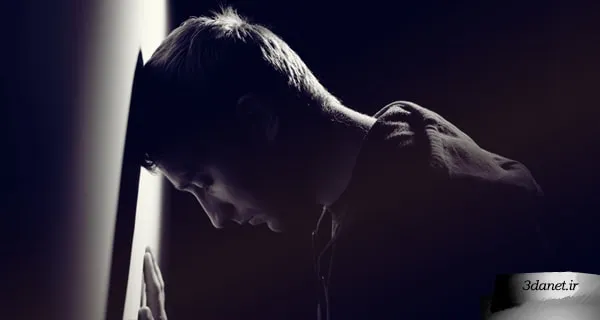
Many people complain of depression. But are all such individuals depressed? In this article, we answer the question of which groups of people are more at risk of developing this illness than others.
Depression is a mental disorder from which more than 350 million people worldwide suffer. According to research by the World Health Organization (WHO), disability is the main cause of this global illness, and those affected may even attempt suicide. Some people may be more at risk of developing this illness than others. The famous comedian and actor Robin Williams committed suicide after a turbulent period of recovery from chronic depression. Many newspapers wrote that the cause of this depression was Williams's profession and his being a comedian, but scientific research and data do not confirm this. Dr. Ramani Durvasula, a clinical psychologist at the University of California, says in this regard: "Linking the cause of Robin Williams's suicide to his being a comedian is somewhat mistaken. The shift from a dark and distressing state to a happy and joyful one is in fact a kind of interaction between depression and happiness, but being a comedian is not necessarily a reason for depression and suicide" (source).
The onset of depression is accompanied by various symptoms. The first sign is a depressed mood and a kind of dejection; in this state, the person feels sadness, emptiness, and depression. Anhedonia, or the inability to take pleasure from activities that were previously enjoyable and interesting for the depressed person, feelings of worthlessness, guilt, and self-blame are other signs of developing this illness. Thinking about suicide or attempting it, which occurs in people with severe depression, sleep disturbances manifesting as hypersomnia or insomnia, digestive disturbances evident through loss of appetite or overeating, lack of concentration, and feelings of extreme fatigue or loss of energy recognizable by sluggishness and slowed movements—all of these are symptoms of depression. Note that at least several of the mentioned symptoms must generally appear in a person throughout the day and over several consecutive days for someone to be labeled as depressed (source: webmd, helpguide, and beyondblue).
But who are these people we have been talking about? Can they be categorized? In the following, we introduce you to groups of people who are more at risk of depression than others (source).
First group: According to research published in the American Journal of Public Health, transgender individuals are among the first group in a society who may develop depression. These individuals generally suffer from depression, anxiety, and somatic disorders. Most of them have a history of trauma and have been forced to struggle with loneliness, fear, discrimination, and sometimes even endure violence since childhood. Given the persistence and duration of these factors, they lead to a sense of depression in such individuals.
Second group: Adolescents whose families are employed in the military. These adolescents experience depression, hopelessness, and suicidal thoughts far more than their peers. Of course, the individuals serving in the military themselves, especially those who suffer accidents, are also at risk of depression because harrowing scenes of war and conflict constantly replay in their minds, and they compare their current days with the years before their injury; consequently, these thoughts lead to depression and feelings of sadness in them (news.usc, cfah, veteransandptsd).
Third group: Creative individuals are at risk of mental disorder, just as was said about the famous actor and comedian Robin Williams. CNN reported that creative individuals such as Charles Dickens, Tennessee Williams, Eugene O'Neill, Ernest Hemingway, Leo Tolstoy, and Virginia Woolf all suffered from clinical depression.
Fourth group: In a scientific article published in the journal Elsevier, it was stated that a significant percentage of introverted individuals develop depression. The same research indicated that perfectionists experience anxiety and depression more than others.
According to reports from the U.S. Centers for Disease Control and Prevention (CDC), in subsequent ranks, women, people of color living in non-native environments, immigrants or strangers who have a particular accent such as Hispanics (individuals who live and speak with a Spanish language and accent in America), individuals whose education level is at the secondary or high school level and have not pursued higher education, divorced individuals, and individuals over 45 years of age are more at risk of depression than others (Sources: cdc, cdc, cdc and cdc).
Meanwhile, individuals with certain specific illnesses, such as Parkinson's, also gradually exhibit symptoms of depression as the disease progresses, due to the conditions of the illness and the sometimes difficult situation for the patient to cope. Of course, sometimes depression is a side effect of medications (source).
Whatever the case, one must accept that depression is an illness and requires treatment. Meanwhile, one should be aware that this illness, like any other illness, requires a specialist for treatment; hence, self-prescribed and home remedies may worsen the patient's condition. So if those around you show symptoms of depression (the persistence and simultaneous occurrence of several signs are necessary for diagnosis), take the person to a physician as soon as possible and before the illness worsens, so that the illness can be controlled and treated at the very outset (source).
.
.
Which People Are Most at Risk of Depression?
Compiled by the esteemed Vidoal website
Sources: medicaldaily/ helpguide/ pdf/ webmd/ helpguide/ beyondblue/ news.usc/ cfah/ veteransandptsd/ cdc/ cdc/cdc/ cdc
.
.



Discussion1 comments
ظاهرا پزشکی شده یک دین جدید در دنیایی ما.. برادران، هیچ بیماری درمان نداره. لطفا چشمانتان را باز کنید.. مخصوصا بیماریهایی ذهنی.. بنده بیست سال است که از افسردگی شدید رنج میبرم و هیچ پزشکی نتوانسته ذره ای مرا درمان یا حتی بهبود بخشد. میلیونها تومان پول خرج کشیشهای مدرن یا همان روان پزشکان کردم و آخرش مثل خر تو صورت آدم نگاه میکنند. در ضمن مصرف قرصها به مدت ده سال باعث بروز بیماریهایی تازه ای هم در من شد.. باور کنید اینها همه دکترهای کلیساهای جدیدند که مردم رو گول میزنند و می خوان بهشون سلامتی بفروشند.. تنها راه کنار اومدن با افسردگی پذیرش وضعیت اگزیستانسیالی هست که توش قرار داری و زندگی باهاش تا آخر عمر.. البته یک راه دیگرش هم خودکشیه... من الان ده سال که نه دکتر میرم نه قرص میخورم. زندگی همینطورییه. یا جزو این دسته ای یا اون دسته. کسی ازت سوال نمیپرسه. و بازگرداندن آنتروپی هم غیر ممکنه.....