Psychology
How to End a Romantic Relationship Well
Ending a romantic relationship requires courage and adherence to ethical principles to minimize harm to both parties. Taking responsibility, having a face-to-face conversation, and avoiding tired clichés are strategies for a respectful ending that reduces the pain of separation.
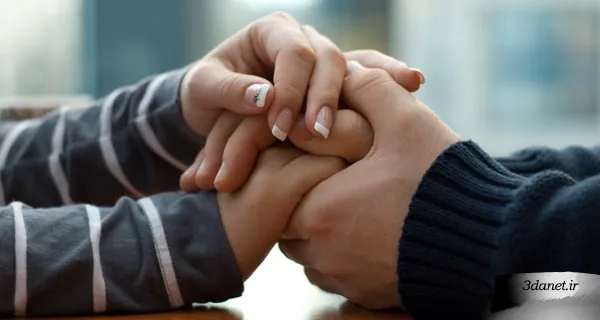
At present, there are relationships in society that, as Dr. Shariati put it, began with a spark and have now turned into a thunderbolt. The parties have come to the conclusion that they have nothing in common at all and have long been experiencing a daily grind. Now they are left wondering how to end this worthless relationship. These strategies will help you bring such relationships to a close.
Ending a romantic relationship is truly difficult because it involves giving or receiving bad news that touches upon people's deepest vulnerability: the fear that others cannot love us.
Unfortunately, most of us do not know the right way to end a relationship: for this reason, not only can we not minimize the distress of a breakup, but with wrong behaviors, we make the situation harder for the other person and also enter a state where we cannot critique our own actions.
A wise and ethical approach toward someone who once cared for and loved us requires courage, but courage is not the whole story; we must be able to respect ourselves and act in a way that both parties can return to life after this failure.
Of course, one cannot recommend a simple, low-cost formula for ending a relationship, but last week, the Canadian-published magazine Psychology Today offered some tips to help minimize the inevitable pain and suffering of a breakup so that both parties do not suffer lifelong emotional damage.
And don't forget, more bitter than all the bitterness of a relationship is resigning yourself to its continuation not out of love, but out of worry, fear, and pity.
1- Take full responsibility for initiating the breakup process
If your feelings or needs have changed, if your dreams no longer resemble each other, or if your lives are on different paths, be brave and state this clearly, rather than treating your partner in a way that forces them to say these things.
Paul Falzone, CEO of an online matchmaking service, says: "When you feel a relationship should end, you must not shirk responsibility and make the other person be the one to say they can't go on. This destroys your self-esteem; this memory will never be erased from your mind, and you will never forget that you did not act courageously."
Russell Friedman, director of the Grief Recovery Institute counseling center in California, also says: "You want to get this burden off your shoulders and you behave in a way that eventually makes the other person say enough is enough and that they are tired of the relationship, but this behavior of yours shatters that person's entire perception of life. The other person doesn't initially realize that you intend to end the relationship and starts asking themselves these questions: Am I not a worthy person? Am I unattractive? You slowly create this feeling in the other person that they are to blame. You damage their perception, and they will no longer trust what they feel, see, or hear." This kind of uncertainty can paralyze them in future relationships as well. They can no longer trust the selflessness or worthiness of the next person.
2- End the relationship face-to-face
A scientific point: Humans have evolved to favor face-to-face interaction, and this creates a closeness and calm that is impossible in a long-distance relationship.
In a face-to-face breakup, we may sense non-verbal cues that reassure us we are still lovable. Anything other than a face-to-face breakup carries the distressing message: "You don't matter."
Some may think that by emailing, texting, or announcing it on Facebook, they can lessen the bitterness of announcing a breakup, but these remote methods deal such a blow to the person receiving the breakup news that we will see its effects in their subsequent relationships. Falzone says: "When you give no explanation for the reason for the breakup, the other person spends a very long time wondering what was wrong with them and what mistake they made. This person will have a very hard time entering another emotional relationship after you."
John Cacioppo, a neuroscientist at the University of Chicago, says: "If we are broken up with remotely, we are very likely to get caught in an emotional limbo. The lack of a face-to-face breakup multiplies the pain of losing a valued relationship." Without a definitive ending, we enter endless rumination, which most often leads to depression.
Susan Nolen-Hoeksema, a professor of psychology at Yale University, also believes: "When a person has an incomplete picture of surrounding events, they are very likely to become absorbed in rumination. This can cause an emotional downward spiral. Many of those who survive this spiral become intensely suspicious of others and find it very difficult to get close to anyone."
Bernardo Carducci, a professor of psychology at Indiana University, also says: “When you don’t trust others, you invest less in them. So the person you later have a relationship with will suffer from the sins of a stranger—the previous person in the relationship.”
Interestingly, when we end a relationship from a distance, sooner or later we feel pangs of conscience because we eventually realize how we hurt the other person and how little we cared about them. John Portmann, a professor of moral philosophy at the University of Virginia, says: “Five years may pass, and you will finally feel ashamed of what you did. This feeling of guilt and shame will also affect your subsequent relationships.”
3- Act with dignity
Since ending a relationship is a potentially explosive scenario, try to think beforehand about every single insult you will hear and every single curse you might utter. This way, you will speak more reasonably during the argument. Respecting the other person makes them speak to you with more respect as well.
4- Be honest
Saying “I’m not in love with you anymore” is fine, but you shouldn’t use honesty as a club or reveal everything. If, for example, you’ve come to hate the way the other person talks and feel sick the moment they open their mouth, it’s better to keep that to yourself. John Portmann, a professor at the University of Virginia, says: “Your most important duty is to look after the other person’s self-esteem. Don’t bring such calamity upon them that they can’t have any other successful relationship. Don’t rub salt in their wounds. That is torture.”
Roy Baumeister, a professor of psychology at Florida State University, also believes: You intend to convey one message to the other person: “You are not the one I want.” That’s it. So you shouldn’t lead them to conclude that they have a major problem and are full of shortcomings.
5- Forget bad clichés like “It’s not you, it’s me”
These repetitive and irrelevant phrases only lead the other person to conclude that you have not an ounce of respect for them and have dealt with them using the most clichéd lines from movies and TV series. You owe the other person a proper explanation (even a brief one). You need to explain to them why things didn’t work out the way you wanted; meanwhile, you don’t need to force the other person to accept your reasons, especially since such discussions generally lead to violence.
6- Don’t start analyzing the situation in minute detail
According to Russell Friedman, “This is not a good idea because it’s impossible to reach an agreement. You say this is how the event happened, and the other person says no! no! You saw the event wrong ... it was different.” This constant back-and-forth most often leads to a fight or worse. Worse than a fight is losing the argument and having the other person force you to return—returning to a dysfunctional relationship that you yourself were seeking to end.
7- Make a clean break
To cushion the blow, don’t suggest having friendly get-togethers from now on. Roy Baumeister says: “Telling the person let’s just be friends from now on might lessen your guilt about ending the relationship, but it’s not a good thing for the other person.” This might mistakenly make them hopeful about the future and your return, and this hope prevents both parties from moving toward a better life.
8- Be grateful when saying goodbye
According to American journalist Friedman, it is very good, when saying goodbye or exchanging final emails, to express appreciation for the good times you shared, and it is good to show your sadness (that your shared hopes for the relationship turned to disappointment). Such actions prove to the other person that they were a valuable individual.
9- Don’t object to the other person’s decision
Don’t beg them to reconsider their decision. When someone suddenly ends a relationship with you, the best way is to accept that this relationship has reached its complete end. This way, the emotional healing process will be faster. Dr. Helen Fisher, a Canadian-American anthropologist, found in her research that a person withdraws from everyone after a breakup, but over time, this social withdrawal lessens, meaning the person is in the healing process. However, according to Fisher, this process is extremely sensitive, and any contact or attempt by the other person to return harms them.
«اگر به طور ناگهانی یک ایمیل از طرف مقابل به شما برسد ناگهان به او تمایل پیدا می کنید و دلتان می خواهد رابطه دوباره آغاز شود.» فیشر یه توصیه ساده دارد: «هرگونه ارتباط با شخصی که با شما به هم زده را قطع کنید. نامه ها و کارت پستال هایش را دور بریزید. به او زنگ نزنید و بیخود تلاش نکنید که باهاش دوست بمانید.»
10- Don't demonize your former love
This only wastes your own energy and prevents you from realizing that the deadlock in a two-person relationship was the fault of both parties, and makes you forget about revenge plots; because this causes the other person to be present in your thoughts more than before, and that means delaying the healing process.
11- Don't forcibly eliminate the pain
After the death of a loved one, the end of a long-term relationship is one of the greatest emotional blows a person can experience, so it is completely natural, and in fact necessary, for the person to mourn this loss. Portman says: "Love makes you intensely vulnerable. If you allow yourself to fall in love, you can get hurt very badly." So pain is natural. The sooner you face this pain, the sooner it will pass.migna.ir
12- Don't think you've lost the greatest love on earth
Don't tell yourself that there was only one person on earth for you and now you've lost them. Roy Baumeister says: "Love makes you think that only this person is compatible with you. Films and books also perpetuate this myth, but the point is there is nothing magical about one specific person." In fact, there are many people on earth with whom we can have a good relationship. Of course, right after a romantic relationship ends, we can't think this way, but you must accept that, in all likelihood, you will find someone else, and shortly after, you'll think that they too are the only person on earth who suits you.
.
.
How to End a Romantic Relationship Well?
Source: Success Magazine
.
.



Discussion0 comments
No comments yet; let yours be the first voice.