Psychology
Why Is Breaking Up Harder for Some People Than Others?
Stanford researchers found that those who interpret romantic rejection as a sign of a personal flaw remain trapped in the past. A negative shift in self-image after a breakup prolongs the pain and heightens fear of future relationships.
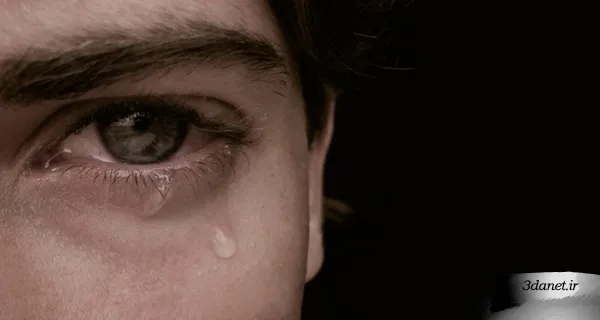
Two psychologists at Stanford University, Lauren Howe and Carol Dweck, are conducting research on why some people remain stuck in their romantic past, while others apparently continue their lives after a breakup with little difficulty. In the course of their research, they examined hundreds of personal stories about relationship breakups. Howe and Dweck asked people to talk about a time they were rejected in a romantic relationship and then to write about this question: What did you take away from this rejection?
The Atlantic — “What went wrong?” This is the question that usually plagues people after a bitter breakup. When people try to find the answer to this question, they typically create new stories about their relationship. They also analyze the events leading to the breakup and, using them, construct a coherent narrative. In some cases, this storytelling can be positive, helping people make sense of the bitter things that happened and come to terms with them. But sometimes the storytelling process can be negative, and instead of soothing the pain, it intensifies it.
My colleague, Carol Dweck1, and I are researching why some people remain stuck in their romantic past, while others apparently continue their lives after a breakup with little difficulty. In the course of our research, I have read hundreds of personal stories about breakups. These stories provide clues as to what places an individual in one of these two groups.
In a study, Dweck and I asked people to talk about a time they were rejected in a romantic relationship and then to write about this question: What did you take away from this rejection? Some people’s responses clearly indicated that the rejection had defined their personality: they thought their former partner had discovered something truly undesirable about them. For example, one person wrote: “Everything was going well until suddenly he stopped talking to me. I don’t know why; but I think he realized that I am very stubborn and this scared him and drove him away.” Another wrote: “I realized that I am very sensitive and push people away so that they won’t push me away. This trait is negative and makes people angry and causes them to distance themselves.”
In these types of stories, the rejection reveals a hidden flaw. This flaw causes people to doubt or change their self-view. They often portray their personality as toxic; such that the negative traits will contaminate other relationships as well. One research participant wrote: “I realized that a part of my personality destroys my happiness.” Another confessed: “My feelings are hurt and I feel rejected. I try to convince myself that it wasn’t my fault and the shortcoming was on the other side; but
Everything was going well until suddenly he stopped talking to me. I don’t know why.
it’s no use and I still feel inadequate.”
Many of these stories were similar to the stories I had heard from my friends after their breakups. The gist was similar: “Why wasn’t I good enough?” or “Is there something wrong with me?” When people see their ex-partner in a new relationship, they usually ask themselves: “What does the new person have that I don’t?”
After a breakup, it is a perfectly healthy reaction for people to think about what they learned from the previous relationship and what they want to improve in the next one. But this healthy behavior can become unhealthy if people blow it out of proportion and negate their overall self-worth.
اما ازدستدادن یک شریک میتواند باعث شود تا فرد خیلی راحت در دام ناامیدی از خود بیفتد. تحقیقات آرتور آرونِ روانشناس و همکارانش نشان میدهد که وقتی افراد در رابطهای صمیمی هستند، «خویشتنِ» آنها با خویشتن شریکشان در هم میآمیزد. بهبیاندیگر، ما شریک عشقیمان را بخشی از خودمان میدانیم و ویژگیهایمان را با ویژگیهای او، خاطراتمان را با خاطرات او و هویتمان را با هویت او اشتباه میگیریم. گروه آرون در سنجشی که با هدف تعیین نزدیکی یک رابطه طراحی شده، از افراد میخواهند تا خودشان را همچون دایرهای در نظر بگیرند و شریکشان را دایرهای دیگر. سپس نشان دهند این دو چقدر همپوشانی دارند.
تاحدی، همپوشانیِ دو خویشتن میتواند بخشی خیلی مثبت از هر رابطهای باشد. وقتی افراد با شریک عشقی جدیدی آشنا میشوند، دورۀ سریعی میگذرانند که در آن، غرق در علایق و هویت شریکشان میشوند، چشماندازهای جدید اتخاذ میکنند و جهانبینیشان را گسترش میدهند. یکی از لذتهای بسیار بزرگِ داشتن رابطه این است که افراد را در معرض چیزهایی خارج از برنامههای معمولشان قرار داده و از این راه، حس خویشتن فرد را گسترش میدهند.
اما این موضوع همچنین بدین معنا است که وقتی رابطه قطع شود، ازدستدادن یک شریک عشقی میتواند تاحدی موجب ازدستدادن خویشتن شود. در یک بررسی، وقتی افراد میخواستند شرححالی کوتاه از خود بنویسند، پس از تفکر دربارۀ قطعرابطه، از کلمات خاص کمتری برای توصیف خودشان استفاده میکردند. همچنین افراد، هر چه بیشتر حس میکردند که در خلال یک رابطه رشد میکنند، پس از قطع رابطه ضربۀ کمتری به خودانگارهشان۲ میخورد.
در پژوهش ما، طولانیترین ناراحتیای که افراد پس از طردشدنِ عشقی گزارش دادند، مربوط بود به مواردی که قطع رابطه باعث تغییر منفی در خودانگارهشان شده بود. همچنین افرادی که قبول داشتند که طردشدن باعث شده کیستیِ خود را زیر سؤال ببرند، غالباً گزارش میدادند که وقتی به فردی فکر میکنند که آنها را طرد کرده بود، بیشتر
ازدستدادن یک شریک عشقی میتواند تاحدی موجب ازدستدادن خویشتن شود.
ناراحت میشوند. دردِ طردشدنهای سالها قبل، هنوز در وجودشان بود. در سخن از اینکه چه چیز از این طردشدن دستگیرشان شد، یکی از مشارکتکنندگان پژوهش میگفت: «یک درد عاطفی سنگین. این درد گاهی نمیگذارد شبها بخوابم... ده سال گذشته؛ اما هنوز هم این درد باقی است.» وقتی طردشدن، حقیقت منفی جدیدی را دربارۀ فرد آشکار میکند، بار درد، سنگینتر و غمانگیزتر میشود.
وقتی طردشدن، ارتباطی تنگاتنگ با خودپنداره دارد، افراد معمولاً ترس بیشتری از آن دارند. طبق گزارشها، افراد در روابطی که با شریکان جدید دارند، بیشتر از خود محافظت کرده و «دیوار بنا میکنند». یکی از مشارکتکنندگانِ پژوهش نوشته بود: «حس میکنم دائماً خود را در روابط احتمالی در آینده محدود میکنم، از ترس اینکه مبادا دوباره طرد شوم.» این عقیده که طردشدن، عیبی را آشکار میکند، باعث میشود افراد نگران باشند مبادا این عیب در روابطِ دیگر هم دوباره پدیدار شود. آنها نگران این هستند که روابط آینده هم با شکست مواجه شوند و ترس خود را اعلام میکنند: هرقدر هم تلاش میکنیم، نمیتوانیم فرد جدیدی را پیدا کنیم که ما را دوست بدارد.
در برخی موارد هم به نظر میرسد طردشدن، نگرش افراد را به رابطۀ عشقی بهطور بنیادی عوض میکند و دیدگاههایی بدبینانه دربارۀ ماهیت ذاتی این روابط به آنها میدهد؛ همانطور که یکی از افراد نوشته بود: «از نظر من، این طردشدن مثل بازکردن جعبۀ پاندورا۳ بود و مفاهیمی همچون عشق و اعتماد، خیالهایی شدند که هیچگاه واقعاً وجود نداشتند.»
So what makes a breakup healthy—one after which a person continues their life with minimal emotional damage? In our study, some individuals forged a much weaker link between rejection and the self, describing rejection as an arbitrary and unpredictable force rather than the result of a personal flaw. One of them wrote: “Some girls just aren’t interested. It has nothing to do with you; it’s simply that they’re not interested.” Another noted that rejection has nothing to do with a person’s worth: “I learned that two people can be good people, but that doesn’t mean they belong together.” Still others saw rejection as a universal experience: “Everyone gets rejected. It’s part of life.”
Another group viewed a breakup as an opportunity for growth, typically pointing to specific skills they had learned from rejection. Communication was a common theme among them: people explained that rejection had helped them understand the importance of clear expectations, how to identify differences in goals, and how to express what they wanted from a relationship. Other participants wrote that the breakup had
This rejection was like opening Pandora’s box, and concepts like love and trust became illusions that had never really existed.
helped them accept that they cannot control the thoughts and actions of others. Some had also learned how to forgive.
So, a separation between rejection and the self usually makes a breakup easier, while linking the two makes it harder. But what leads people to do one or the other? Past research by Dweck and others shows that people generally hold one of two views about their personal traits: that these traits are fixed throughout life, or that they are malleable and can develop at any point. These beliefs influence how people react to setbacks. For example, people who believe intelligence is fixed are less likely to persist in the face of failure than those who believe intelligence can be developed.
When we ask people to talk about their past rejections, we find a relationship between those who believe personality is fixed and those who believe rejection reveals their true self. If someone believes their traits are unchangeable, perceiving a negative trait amounts to a life sentence. But believing in the capacity for change can mean that perceiving a negative trait actually fosters personal growth.
In other words, the stories we tell ourselves about rejection can shape how we cope with it. Previous research has clearly demonstrated the importance of storytelling in other domains. For instance, recovering alcoholics who tell redemption stories, in which they learn something from their suffering, have a better chance of quitting than those who tell stories without this theme. Narratives that frame pivotal decisions, including marriage, divorce, or career changes, as moving forward toward a desirable future rather than escaping an undesirable past, are associated with greater life satisfaction.
So, one way to make a breakup easier might be to consciously consider the narratives we construct about the experience. A person might think: I couldn’t communicate well in my relationship, and I think I’m not good at connecting with people. Another story could be: I couldn’t communicate well in my relationship, but that’s something I need to work on so my future relationships are better. Perhaps the healthy habit of questioning our own narrative can help us create better stories. These stories can foster greater resilience in the face of pain.
.
.
Notes:
* Lauren Howe is a doctoral student in psychology at Stanford University. [1] Carol Dweck [2] self-image [3] A box in Greek mythology that, when opened, released evil into the world.
.
.
Why Is Breaking Up Harder for Some People Than Others?
An article by Lauren Howe
Translated by Alireza Shafiei
Source: The esteemed Tarjomaan website
.
.



Discussion0 comments
No comments yet; let yours be the first voice.