Philosophy
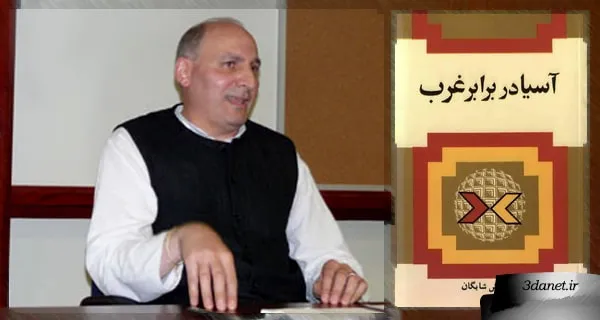
Introducing Asia Against the West by Dariush Shayegan
In Asia Against the West, Dariush Shayegan analyses nihilism and Westoxication in Asia. He argues that, in their encounter with modernity, Easterners have lost their traditions without yet attaining modern thought.
The book Asia Against the West concerns Nietzsche's nihilism and the consequences of the historical destiny of the emergence of collective Westoxication in Asia. In the final section of this book, Asian civilizations are discussed with philosophical thought. In this book, Shayegan writes, quoting Dostoevsky: "We Russians are all nihilists." The book argues that the denial of culture and history caused the Russians to become entangled with ultimate questions and to go to extremes. Marxism and socialism are the point of connection between Russian nihilism and Western nihilism, that is, an amalgam of Bakunin's anarchism, which saw the beginning of new creativity in destruction, Tolstoy's religious anarchism, and Lenin's revolutionary program, which was a mixture of Bakunin and Peter the Great. The author analyzes the situation of Eastern countries confronting modernity in today's world. Although nearly half a century has passed since the writing of this book, it is strangely still alive, active, and generalizable. The author, who is himself an Iranian and at the same time fully familiar with both Eastern and Western cultures, while analyzing the approach of today's Eastern person to modernity and the dominant Western civilization, emphasizes well that today's Eastern peoples, in confronting the course of modernity, while losing and disbelieving in their ancient traditions, have not yet attained modern belief or a modern mode of thought. He says, of course, that the West has also not yet reached the sublimity of modernity, but it has been able to attain a modern mode of thought, even if it does not utilize it optimally; however, Eastern peoples, having lost their national, religious, and ancient traditions, have moved towards modernity without the necessary intellectual backing, but not only did they not find it, they now wander bewildered and perplexed in between, somewhat like the crow that came to learn the partridge's walk and forgot its own.
Analysis of Historical Destiny
Historical destiny is discussed in this book, referring to the specific situation that has arisen by the decree of history. Shayegan writes: We, the survivors of Asian civilizations, are afflicted by both Hegel and Marx, without knowing anything of spirit and evolution, and uninformed, we engage in discussions about rational conduct, the determinism of the age, and class struggle. Our historical destiny is that we have fallen behind the history of the West, and depending on our understanding of the history of Western thought, knowing that we have fallen behind is either beneficial or detrimental, and as Hegel says, the philosophy of history and the history of philosophy are so intertwined that separating them is impossible. This unawareness stems from the fact that we have not had the opportunity to choose.
Analysis of Westoxication
Shayegan then addresses Westoxication and self-alienation, considering them two facets of a double illusion. He says that Westoxication is the result of the destiny of history and the spirit of the age, and it does not stem from an understanding of the West but rather from an unawareness of the historical destiny of the West; in other words, it is the result of ignorance about it. Among the effects of the emergence of collective Westoxication in Asia, one can point to its impacts on nationalism and the uprising of the masses. In discussing boundaries and distance, Shayegan writes about harim (sanctuary/privacy) and haya (modesty). In his view, the constitutive essence of Asian customs can be found in these two concepts. Harim is the effective factor in creating harmony, and Asian customs have sought harmony. Haya is a feeling mixed with a state of mystery, yet while concealing, it reveals. Our role is double because we must not only understand Western thought within the context of that culture itself, but we must also re-recognize the themes of our own ethnic memory, the remnants of which still somehow float in our minds.
.
.
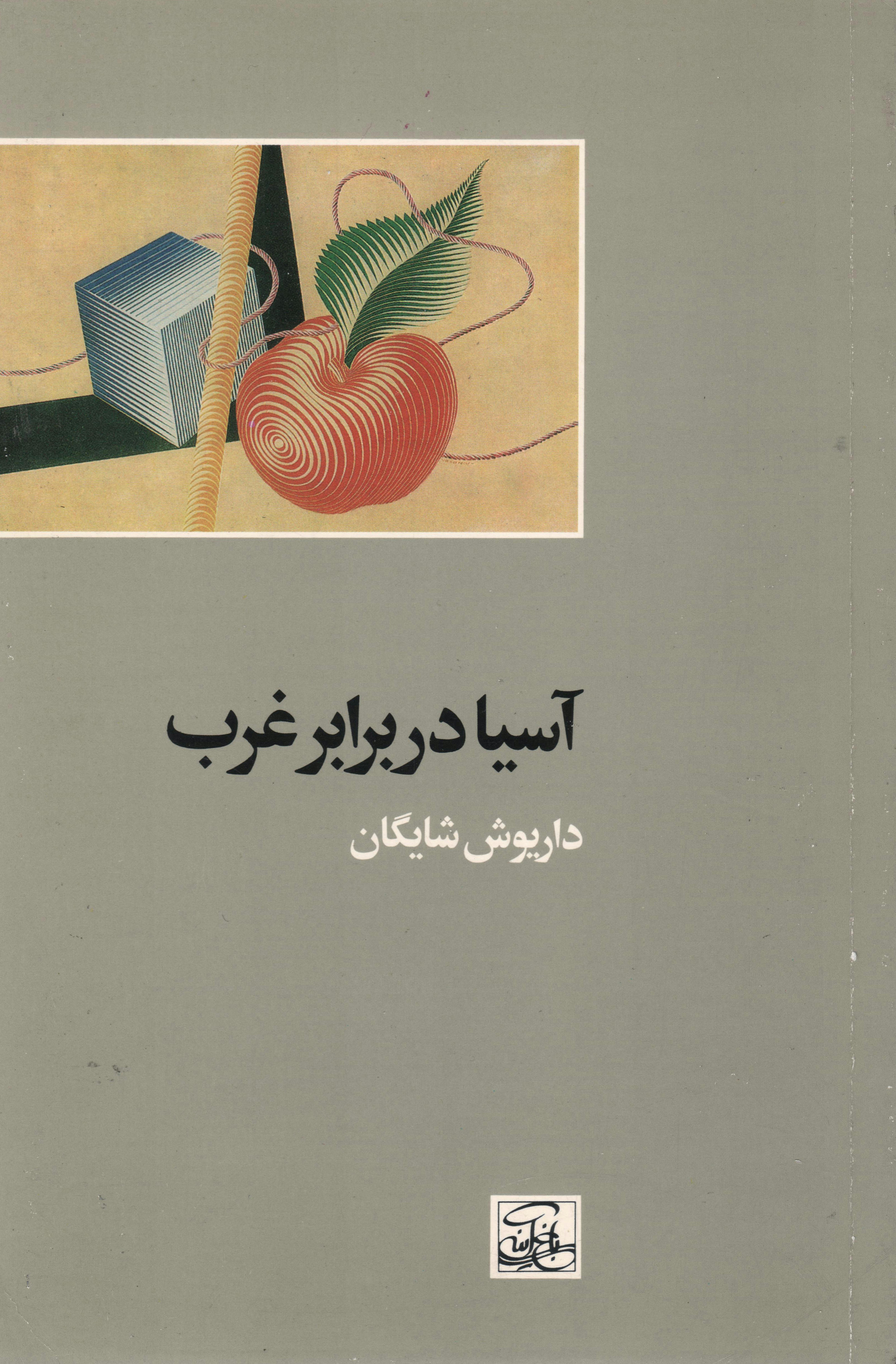
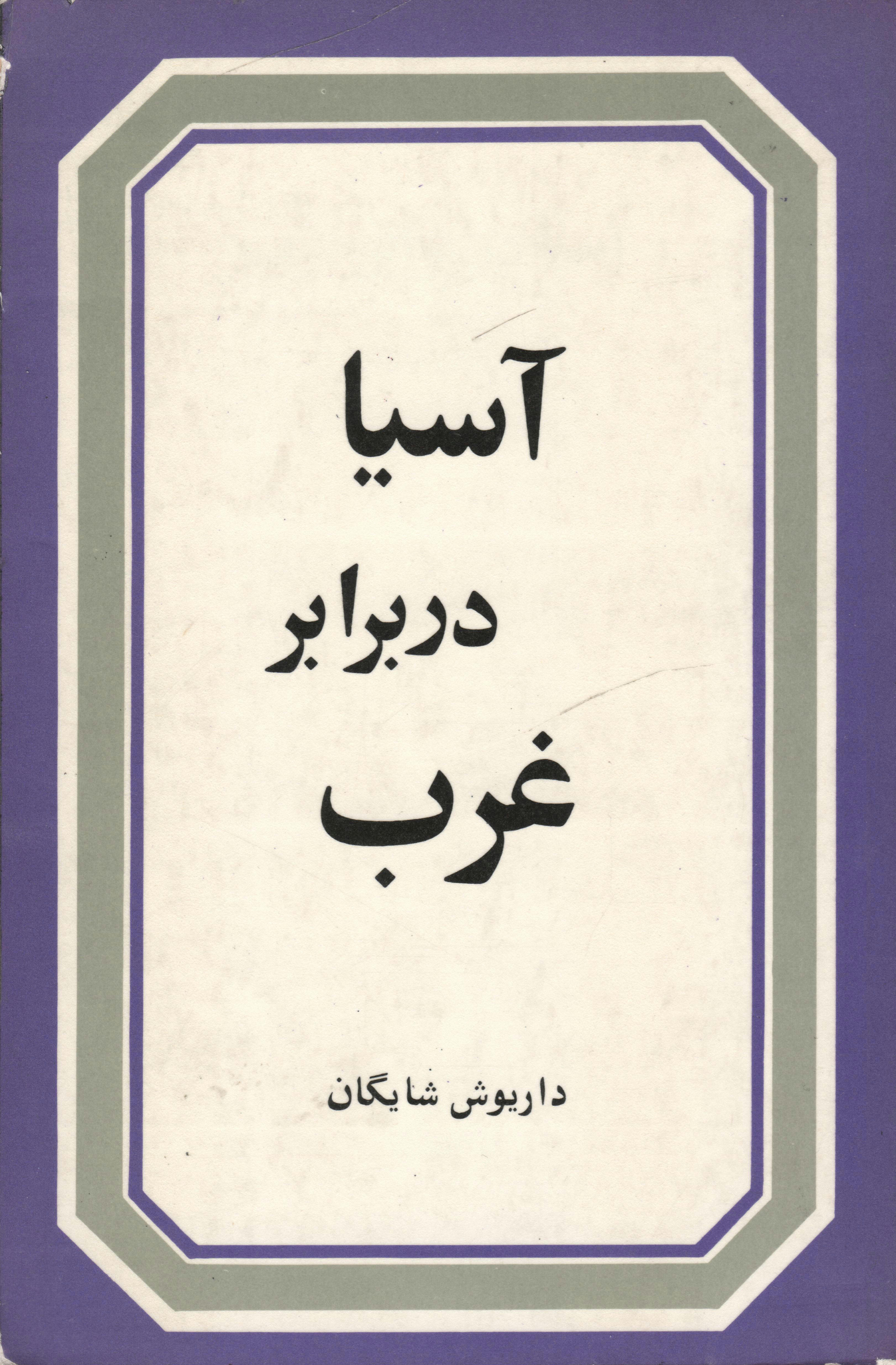
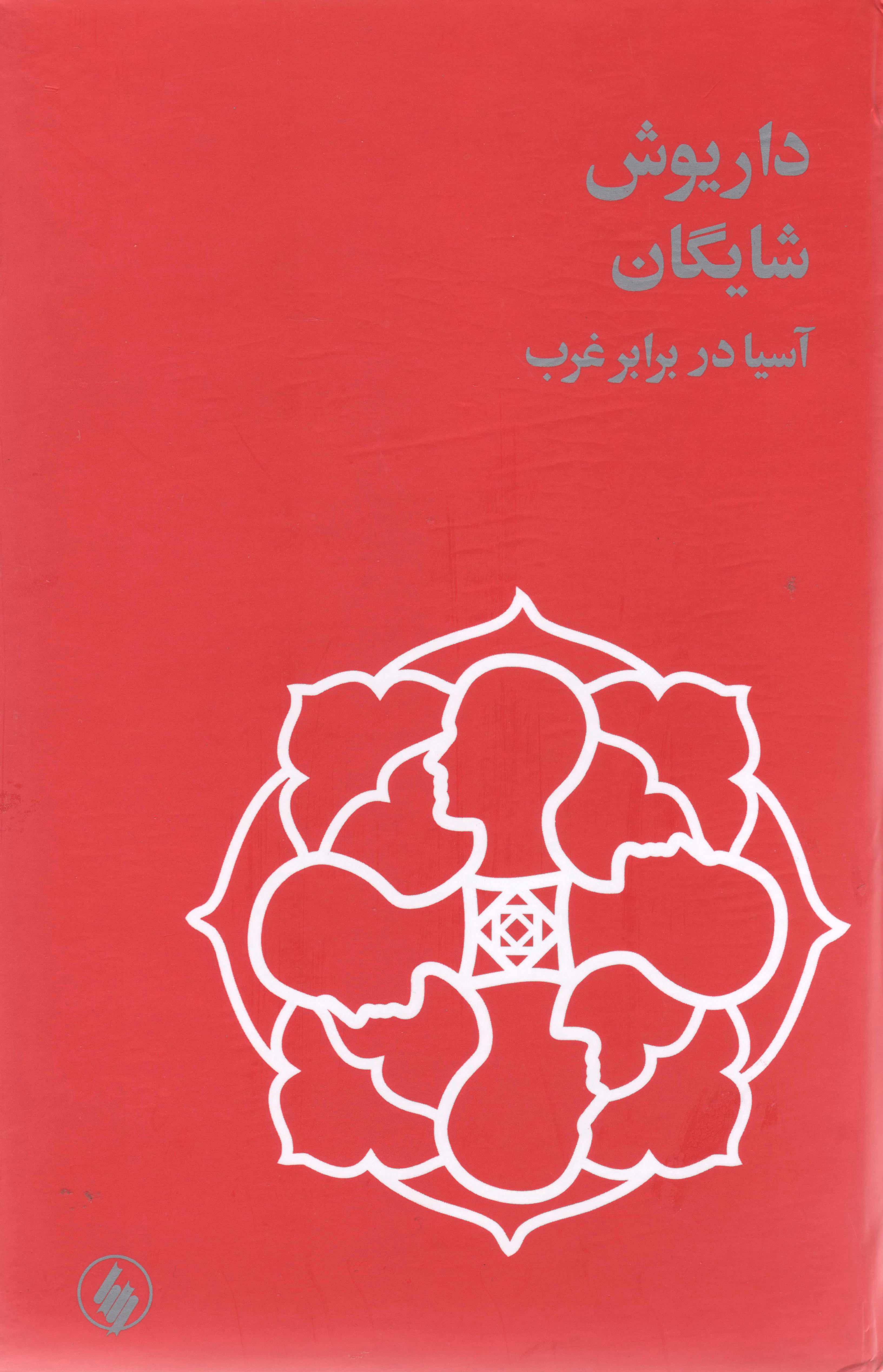
Book: Asia Against the West - Dariush Shayegan - Amir Kabir Publications - Fourth Edition - 2003 - Tehran
.
.
Related Content:
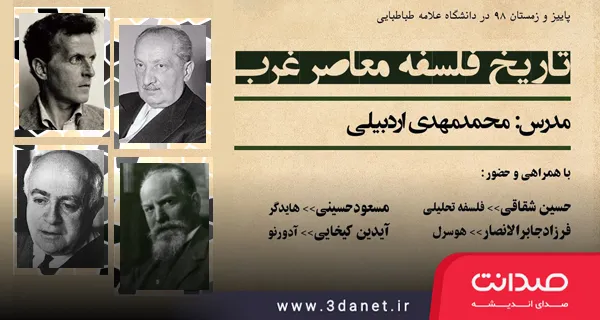
A Review of the Book Asia Against the West at the Tehran Book of the Month Session by Ramin Jahanbegloo
.
.

Discussion1 comments
از معرفی این کتاب بسیار ممنونم. در پیشگفتار نوشتهی: "هم کلامی ایوان ایلیچ و مجید رهنما" بخشی پر تامل از کتاب آسیادر برابر غرب را نقل کرده ام که در باره ی توریسم و موزه و آخرین آسیب توسعه بخشی ی غربی به فرهنگ زیست بوم های جهان صحبت می کند. در واقع از این بخش، برای نقد توسعه از راه صنعت توریسم استفاده کرده ام، چیزی که در کشور ما، فعلا برای بسیاری از دلسوزان رزق و روزی ی مردم، مانند یک آرمان سالم و پاک و حلال و طبعا توسعه زا به شمار می رود. شایگان در این جا، به خوبی داستان توریسم را حلاجی و آسیب شناسی کرده است. خواندن دوبارهی همان بخش (لااقل) و مقاله ی این کمترین را به خوانندگان گرامی پیشنهاد می کنم. آدرس هر دو متن: هم کلامی ایوان ایلیچ و مجید رهنما، در سایت "عدم خشونت": http://goo.gl/XrpfgQ www.ghkeshani.com و نظر داریوش شایگان در مورد موزه و توریسم: https://dl.dropboxusercontent.com/u/32319997/MIS/SHAYEGANtourism.pdf http://goo.gl/XrpfgQ