Philosophy
Is Human Self-Awareness Merely an Illusion?
Philosopher of mind Daniel Dennett views the human brain as a machine of neuronal robots and calls consciousness the brain's 'user illusion' about itself. For him, thinking is a biological activity born of evolutionary trial and error, not a God-given faculty.
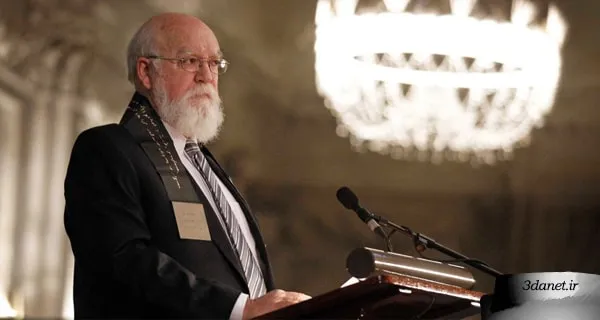
Daniel Dennett, philosopher and cognitive scientist, says the human brain is a machine composed of billions of tiny "robots"—the neurons or brain cells. But is the human brain truly a special organ? The philosopher of mind discussed human self-awareness in an interview with the BBC.
Hubert Dreyfus, the American philosopher, in a famous note notorious among philosophers, claimed in 1965 that humans would always beat computers at chess because machines lack intuition.
A few years later, Dreyfus found himself in an embarrassing situation when a computer checkmated him in chess.
After that, in 1977, IBM's famous computer "Deep Blue" defeated world chess champion Garry Kasparov.
Many who were unhappy with this result claimed that chess is a tedious logical game. In their view, a computer does not need intuition to win a chess game.
Daniel Dennett, who has produced important works in the philosophy of mind, has always believed that the human mind is a machine. For him, the question is not whether computers can become human, but rather the main issue for Dennett is whether humans are really as intelligent as they think they are.
In an interview with the BBC, pointing out that there is nothing special about human intuition, Daniel Dennett says: "Intuition is simply knowing something without knowing how we know it."
Dennett blames the French philosopher René Descartes for permanently disrupting our thinking about how we conceive of the human mind.
Descartes could not imagine how a machine might be capable of thinking, feeling, and imagining. For Descartes, these were "God-given" talents. Of course, we might forgive Descartes because he lived in the 17th century, when machines were made of gears, levers, and pulleys, and there was no such thing as a CPU, memory, or RAM.
Robots Made of Robots
The human brain is made of hundreds of billions of neurons. If we were to count the number of neurons in our brain at a rate of one neuron per second, it would take more than three thousand years.
Our brain is composed of molecular machines, which are the brain cells. Dennett says that if the fact that our brain is made of machines bothers us, it means we have little imagination.
Daniel Dennett asks: "Do you know the power of a machine composed of hundreds of billions of moving parts?"
According to Dennett, "We are not only robots, but we are robots made of robots made of robots."
Our brain cells are robots that respond to chemical signals. The protein motors inside the cells, which convert chemical energy into kinetic force or neural messages, are themselves robots. This chain continues in the same manner.
The Mobile Screen or the "User Illusion"
When talking about the human brain and mind, the discussion of self-awareness is unavoidable; especially when Daniel Dennett, a leading philosopher on self-awareness and the human mind, is one side of the debate.
Human self-awareness is a real phenomenon, and we experience self-awareness every day. But for Dennett, self-awareness is as real as the screen of a tablet or mobile phone appears to be.
The specialists who build our electronic devices call what is seen on the screen the "user illusion." This might seem like a condescending label, but there is a valid point to it.
Pressing the icons on a mobile phone screen gives us the feeling that we are in control of everything. We feel that we have mastered the device's internal hardware. But what our fingers do with the mobile screen is a rather pathetic contribution compared to the totality of a mobile phone's activities, and it certainly tells us nothing about how the mobile phone actually works.
According to Daniel Dennett, human self-awareness is in a similar situation. Dennett says self-awareness is the brain's "user illusion" about itself.
Self-awareness seems real and important to many, but it is actually not that big a deal. Dennett says, "The brain doesn't have to understand how the brain works."
'We're Not That Smart'
We know that we evolved from hominids and share 99 percent of our DNA with chimpanzees.
We know that some of our behaviors are due to our animal nature (which is generally not the aspect most of us are proud of). We tend to think that our special abilities, our intelligence, our insight, and our creativity must have a special and unique origin.
Our brain, like our body, has evolved over hundreds of millions of years and is the result of millions and millions of years of evolutionary trial and error.
According to Dennett, our ability to think is not much different, from an evolutionary perspective, from our ability to digest food. Both of these are biological activities that can be explained by Darwin's theory of natural selection.
Trial and Error
We evolved from unknown bacteria. Our mind, with all its remarkable talents, is the result of endless biological trials.
Dennett believes that our intelligence and genius are not "God-given," but the result of millions of years of trial and error.
When bacteria move toward a food source, scientists do not praise them for being smart. Such a thing seems completely unscientific. But when scientists describe thinking as a biological activity, they are met with ridicule or even anger from their audience.
This radical reductionism bothers many. For many, saying that the human mind is merely composed of a bunch of neurons is a crude thought.
Descartes also severely underestimated machines, but Alan Turing, the mathematician and computer scientist of the 20th century, compensated for his shortcoming.
Turing had predicted that by the end of the 20th century, "the use of words and general educated opinion will have altered so much that one will be able to speak of machines thinking without expecting to be contradicted."
Computers in the 1960s were not very good at chess, but today they can play the saxophone like John Coltrane.
In today's digital world, in the age of supercomputers and smartphones, it is not at all hard to imagine how a machine made of hundreds of billions of tiny parts, which are themselves practically robots, could simply be a human.
Daniel Dennett believes that a human is such a machine.
.
.
Is Human Self-Awareness Merely an Illusion?
Source: BBC
.
.

Discussion7 comments
نقل قول : " ما از باکتریهایی ناشناخته تکامل یافتهایم. ذهن ما با همه استعدادهای چشمگیر آن، حاصل آزمونهای بیپایان زیستشناختی است " سئوال: انسان چیست؟ پاسخ: بکتری تکامل ناشناخته تکامل یافته. خوب باکتری چیست؟؟ آیا تکامل انسان از باکتری ادعایی تجربی است؟آیا مشاهده شده است؟ آیا باکتری ذهن دارد؟ آیا analogy بین رفتار باکتری و رفتار انسانبر اساس مبنایی متافیزیکی برتری بر ادعای رقیب دارد؟ یا خیر نه تنها برتری ندارد بلکه اشکالات بیشماری نیز دارد؟ یا ادعای تکامل ذهن از هرجیزی در باکتری که بیالوجیست مبنای ادعای خود قرار می دهد قابل دفاع است؟ آیا tabula rasa لوح سفید (مورد ادعای تجربه گرایان ) قادر به فکر است؟ آیا لوحی سفید قادر به ادراک است؟ آیا لوح سفید قادر به generate کردن استنتاج است؟ آیا لوح سفید اصولا می تواند ارتقاء یابد؟ تکامل پاسخ ندارد و موفق نیست بلکه به ما detail زیادی می دهد و ادعا می کند تکامل بین گونه ها رخ داده است و بدون ارائه شواهد قابل قبول با تکیه بر overread کردن یک مورد به نتیجه مطلوب طبیعت انگاران می پرد و مهمتر این که پاسخ نمی دهد و ادعا می کند بایست فیزیک و شیمی پاسخ دهند. موضعی که بر اساس تقلیل گرایی قرار دارد و پس از پوزیتیویست ها حتی بوسیله طبیعت گرایان معرفت شناختی مانند پاتنم مردود شده است . سئوال: انسان چگونه پدید آمده؟ پاسخ: تکامل از آمیب. ُسئوال: آمیب چگونه پدید آمده؟ پاسخ: نمی دانم بروید از فیزیکدان و شیمیدان بپرسید! این پاسخ نیست این به تعویق انداختن پاسخ است و گیج کردن فرد پرسشگر با ارائه detail فراوان و نهایتا انداختن وظیفه پاسخ بر گردن فیزیک و شیمی . وظیفه ای که آن ها قادر به انجامش نیستند. (وظیفه تبیین حیات، ذهن، تغییر گونه ها به یکدیگر، پیچیده شدن گونه). آن چه که از تکامل ی شاید بتوان بعنوان یک نظریه ممکن پذیرفت ارائه توضیحی نظری برای فرق بین اعضاء یک گونه است نه تغییر گونه ها به یکدیگر. interspecies evolution(تکامل بین گونه ای) باintra species evolution (تکامل فرا گونه ای) متفاوت است. تکامل ممکن است نظریه ای باشد که تغییر درون گونه ای را توضیح دهد اما تغییر ماهوی را توضیح نمی دهد . همچنین تکامل تشکیل ذهن ، هوشیاری، جنسیت، چشم ، ووو ... را نمی تواند توضیح دهد. حمایت سیاسی و آکادمیک از تکامل حمایتی علمی و تجربی نیست بلکه در فضای طبیعت گرایی صورت می گیرد که موضعی متافیزیکی است. شاید توجه به این مطلب گاهی مورد غفلت است که طبیعت گرایی بعنوان موضعی ساینتیستی بسیار مبهم است و حتی قابل توضیح نیست.
سلام دیدگاه reductionistic دنت در این مصاحبه کاملا مشخصه و جالبه که پیش دستی میکنه(قبلا نقد هایی از جانب فیلسوفای دیگه شده در این مورد.مثل نیگل) و میگه که این فروکاهش شما را عصبانی خواهد کرد.(یکی از عادات این گروه فلاسفه که طبیعت گرای مادی گرا هستند،تمسخر مخافان و متهم کردن انها به این است که شما نمی فهمید و از علم چیزی نمی دانید) با اینکه نمی توان به سادگی(یا به سختی) بحث تکامل را نقد کرد اما به وضوح می توان با توجه به اشاراتش به تیورینگ و پیشرفتهای علم،علم گرایی افراطی دنت را متوجه شد و شهودا !(فلسفه نمی دانم) دریافت که تبیین اش ایراد دارد. اونی که گفته بود کامپیوتر نمی تواند انسان شهود دار را شکست دهد،نشان می دهد فیلسوفان عین ما ادم معمولی هستند فقط بیشتر فلسفه خوانده اند و دوست داشته اند و درباره مسائل فکر کرده اند.لذا نمیشود که هر چیزی را شنیدیم را بگیم ها همینه.کاری که خودم میکنم!! تشکر
شاید اگر فیلسوف بودم حدود ۲۰ سال پیش من هم در اثبات همین دیدگاه(دانیل دنت) می کوشیدم. بله همانطور که انسان برفعالیت های فیزیولوژیک بدن خود تسلطی ندارد(مثل هظم غذا)برکنش های مغز خود نیز هیچ تسلطی نخواهد داشت.انسان به تنا چیزی که می تواند دخالت کند بروجوه حیوانی زیست خود است مثل کنترل شهوت،میل به خوردن غذا، زیباسازی خود(کاری که یک گربه هم با لیس زدن خود می کند). مابقی از حیطه ی تسلط و کنترل او خارج هستند.
خیلی خوب شد فیلسوف نشدید
خیلی جالب و قابل تامل بود. اساتید نقد کنند لدفا
مطالب مفید و قابل استفادهدارید .مممنون از زحمات شما
با درود، سال نو مبارک آنچه که از بر آیند این مصاحبه با فرض بر عدم قطعیت، بدست می آید؛ همان بی اعتباریِ پا فشاری بر قطعیت یافته ها و دانسته هاست. با این حال گفته های دنیل دنت پذیرفتنی است. اما انسان ماشینی غیرقابل پیش بینی و هنوز چیستی اش پرسش بزرگِ هستیِ زمینی است. باسپاس و تشکر از مدیریت محترم خوابگرد که فرصت استفاده ار این مجموعه را فراهم نمود.