Religion
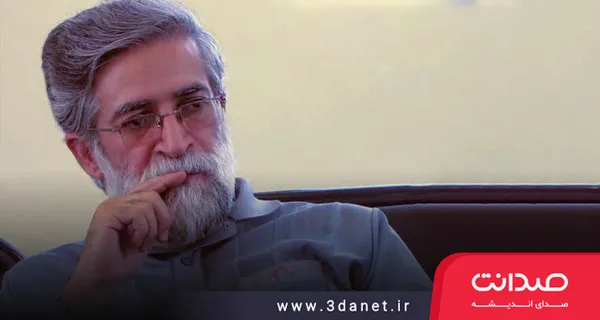
“Is the Current Approach to Hijab in Iran the Exception or the Rule?” by Javad Darvish
The flexibility of Shia jurisprudence in accommodating the theory of evolution and gender reassignment stands in stark contrast to its recent rigidity on the hijab and women's issues; the author asks whether compulsory hijab is the exception or the rule.

Author: Javad Darvish
In one of my classes this semester, I am teaching a book titled "Islam's Encounter with Modern Science," published in 2023 in the Cambridge Elements series, whose author is a Turkish-born physics professor in America. In two places in the book, he mentions Iran as an exception among all Muslim countries: One is where he considers Iran's scientific advances, especially in biotechnology, remarkable compared to other Muslim countries despite sanctions. The second, when discussing the encounter between Islam and Darwinism, he writes:
The Iranian religious establishment has no problem (even) with accepting the theory of common ancestry for non-human species. Whereas the conservative religious view of Saudi Arabia and the Gulf countries tends to deny the entire theory of evolution. (p20)
I saw a similar case a few months ago when I was in Qatar for a conference on bioethics. One of the Qatari muftis, on a panel where an Iranian professor was also present, began, without preamble or reason, to launch a fierce attack on Shia jurists who have ruled that sex reassignment is permissible. He was saying you have brought disgrace upon Islam and left nothing of the religion! A few weeks ago, I was also talking with a cultured friend about this very issue. He is well-versed in jurisprudence and has lived in Europe for years and studied philosophy. He was saying something to the effect that it is one of the wonders of Shia jurisprudence that it has permitted sex reassignment. Accepting this matter religiously requires a truly progressive insight.
In my opinion, this open-mindedness of jurists towards science and modernity is rooted in Shia rationality, about which I have previously written in the contexts of politics, philosophy, and ethics. Post-revolution political Islam, by incorporating the element of "expediency" (maslahat), has added further customary supplements to it. For example, we see that the teaching of evolution in Iranian schools in no way faces the challenges that exist in Arab countries and even in America. The translation and publication of books by Dawkins, Hawking, and Dennett, which are banned in some Arab countries and met with sharp reactions from Christian priests, is carried out in Iran. This encounter is not necessarily due to their ignorance of the content of these works, but rather more because of their lack of a fundamentalist and text-centered view. For instance, Martyr Motahhari explicitly calls the story of Adam and Eve in the Quran symbolic. (Collected Works, Vol. 1, p. 515)
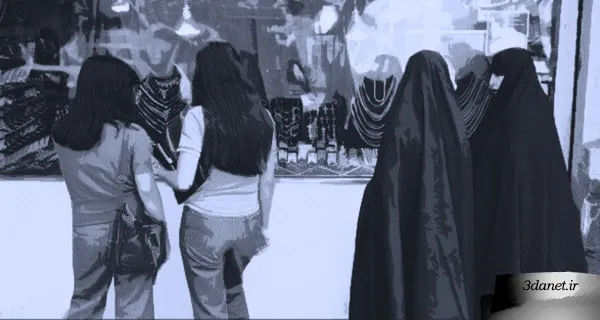
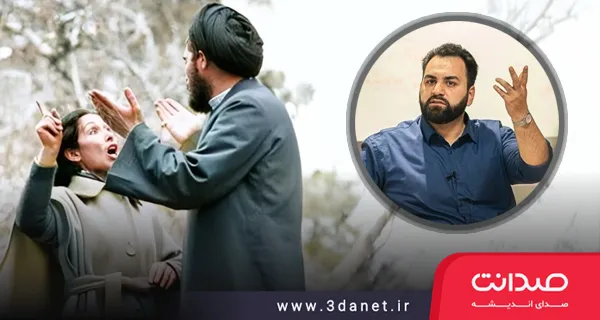
In any case, for someone who has seen more of the atmosphere of other countries, this encounter of religious custodians with modern science is a strange phenomenon. But what is even stranger to him is the manner of dealing with the issue of hijab in Iran. When he sees this great flexibility in the interpretation of theological beliefs or jurisprudential issues in Iran and places it alongside the strange rigidity surrounding the issue of hijab and the treatment of women (such as going to stadiums or women riding motorcycles), he falls into deep bewilderment at all the contradiction!
Non-observance of hijab in the view of a Sunni mufti is forbidden (haram), but sex reassignment, even with the conditions that Shia jurists accept, is a definite prohibition whose ugliness and sin are many times greater than unveiling. Now, all of these are at the level of the branches of religion. What the Shia scholar accepts by accepting the theory of evolution, human lineage, and common ancestry is, from the perspective of a Sunni mufti, practically a denial of the principles of religion.
In summary, in my opinion, compulsory hijab is a strange exception in contemporary Iranian Shia jurisprudence. I am not discussing its obligatoriness or its rightness or wrongness. My issue is this: how is it that all this flexibility on the issue of sex reassignment (as well as artificial insemination, organ donation from a deceased person, etc.), which is shaped by the principle of rationality and inherent good and evil embedded in Shia thought, and after the revolution, the element of "expediency" accelerates it, does not work on the issue of compulsory hijab? Or perhaps compulsory hijab is the rule and sex reassignment is the exception?
I truly still do not know the answer to this question; I only know that these two do not go together.

Discussion5 comments
حجاب یک حکم شرعی اسلامی است و خاستگاه قرآنی و حدیثی دارد نمی توان حجاب را در حد پیشرفت های تکنولوژیکی یا نظریه (ثابت نشده) داروین تنزل داد. این درحالی است که حجاب در جامعه ایرانی یک هنجار اجتماعی شده و قرن ها قدمت دارد... حال یک نویسنده ترک یا هر کس دیگری نظرا خاص خودش را دارد و نمی توان آن نظریات را با قرآن و حدیث و قانون یا هنجار اجتماعی مقایسه کرد. به نظر بنده اساسا این نویسنده دچار خلط بین مباحث شده است؟؟؟ این مباحث از یک سنخ نیستند تا آنها را مقایسه کنیم یا یک متفکر ترک یا آمریکایی یا ... در مورد آن نظر دهد؟؟؟!!!
دوستان، نظر فرستاده ام. متشکرم.
سلام و درود میفرستم. لطفا کامنت ها را بگذارید. فراموش نکنید. با تشکر.
تمام مواردی که موجب تعجب فیزیکدان ترکتبار شده است مسائل مستحدثه و جدیدی است که پیشرفتهای علمی باعث پدید آمدن آنها شده است درحالیکه مسئله حجاب در زمان نزول وحی و ائمه علیهم السلام وجود داشته و حکم قطعی یا نزدیک به آن توسط ایشان طرح شده است.
اشتباه نویسنده این است که حجاب را مثل سایر مثالها، صرفا مساله فقهی میداند! در حالی که در ج.ا حجاب مسالهای فقهی نیست، مساله هویتی و نمادین است. این استدلالهایی که افرادی مثل نویسنده این متن میکنند ، ناشی از فهم و تحلیل نادرست شون از مساله حجاب در ج.ا هست. اگر ایشان مساله را در صورتبندی درست آن در کانتکست ج.ا درک کند، دچار سردرگمی نخواهد شد.