Philosophy
Javad Heydari Webinar: “Introducing 12 Political Systems and How to Analyse Them”
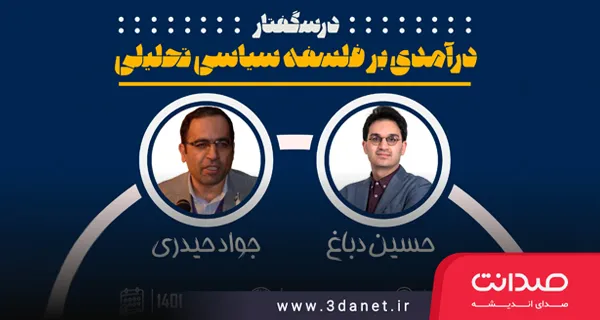
Javad Heydari, in an introductory session on political philosophy, outlined a method for analyzing twelve political systems. The aim is to clarify the criteria for evaluating theories through the lenses of ontology, human nature, political principles, justice, and citizenship, so that their distinctions become clearer.
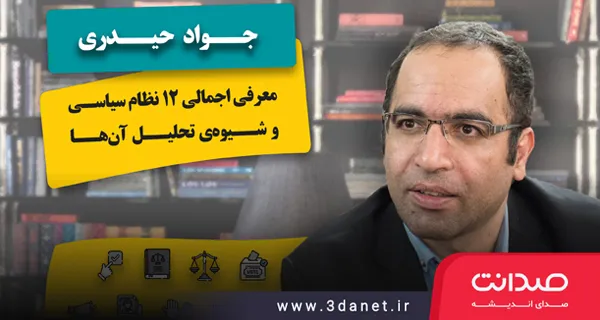
The following session serves as an entry point and introduction to a series of meetings on political philosophy and political economy. This session was held with Mr. Javad Heydari, a faculty member and researcher in the field of political philosophy. In this session, Mr. Heydari endeavored to present the geography of the discussion as well as the method of analyzing political systems. It is obvious that presenting all the information and subtleties of these theories in one session is impossible, and therefore his emphasis was on the method of analyzing political theories. By what criteria can political theories be analyzed? What are the views of each theory on citizenship, justice, society, rulers, and so on? What intellectual and philosophical foundations does each political theory have in ontology, epistemology, anthropology, and sociology? The answers to these questions will help us distance ourselves from intellectual confusion in this field and clarify the distinctions between political theories. In future sessions, we will try to have a more detailed review of these theories. To be informed of the sessions, follow Sedanet on Telegram and Instagram.
.
.
Three Methods of Discussing Political Theories:
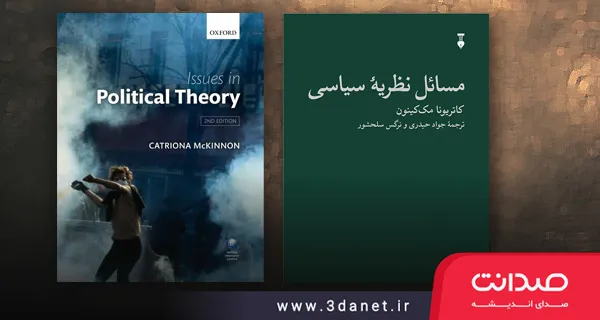
1_ Problem-oriented method: (e.g., the book Issues in Political Theory addresses 14 important issues)
2_ System-oriented or ideology-oriented method (our current discussion)
3_ Thinker-oriented method (e.g., George Klosko's book on the History of Political Theory)
Preliminary Notes
1_ Our discussion is based on this book: From Ideologies to Public Philosophies: Introduction to Political Theory[1] by Paul Schumaker
2_ The goal is, firstly, to present a general overview and, secondly, the method of analyzing political systems
3_ These systems and ideologies may combine with each other and create new forms of systems.
4_ Religion can also take the form of one of these systems.
5_ In our country, all 12 ideologies and political systems have their own adherents.
1_ Classical Liberalism: Founding democratic capitalism
2_ Traditional Conservatism: Defending the old social order
3_ Anarchism [=No-rule]: Rebellion against any authority
4_ Marxism: Seeking a classless society
5_ Communism: Struggle against imperialism in developing societies
6_ Fascism and Nazism: Totalitarian control to strengthen collective affairs
7_ Contemporary Liberalism: Reforming capitalism and democracy
8_ Contemporary Conservatism: Opposition to liberal and socialist programs
9_ Radical Left: In search of more egalitarian and communal societies
10_ Radical Right: In search of greater economic freedom and greater moral consensus
11_ Extreme Right: Return to more homogeneous societies
12_ Extreme Left: Deconstructing the new global liberalism
A Framework for Description and Analysis
Intellectual/Philosophical Foundations
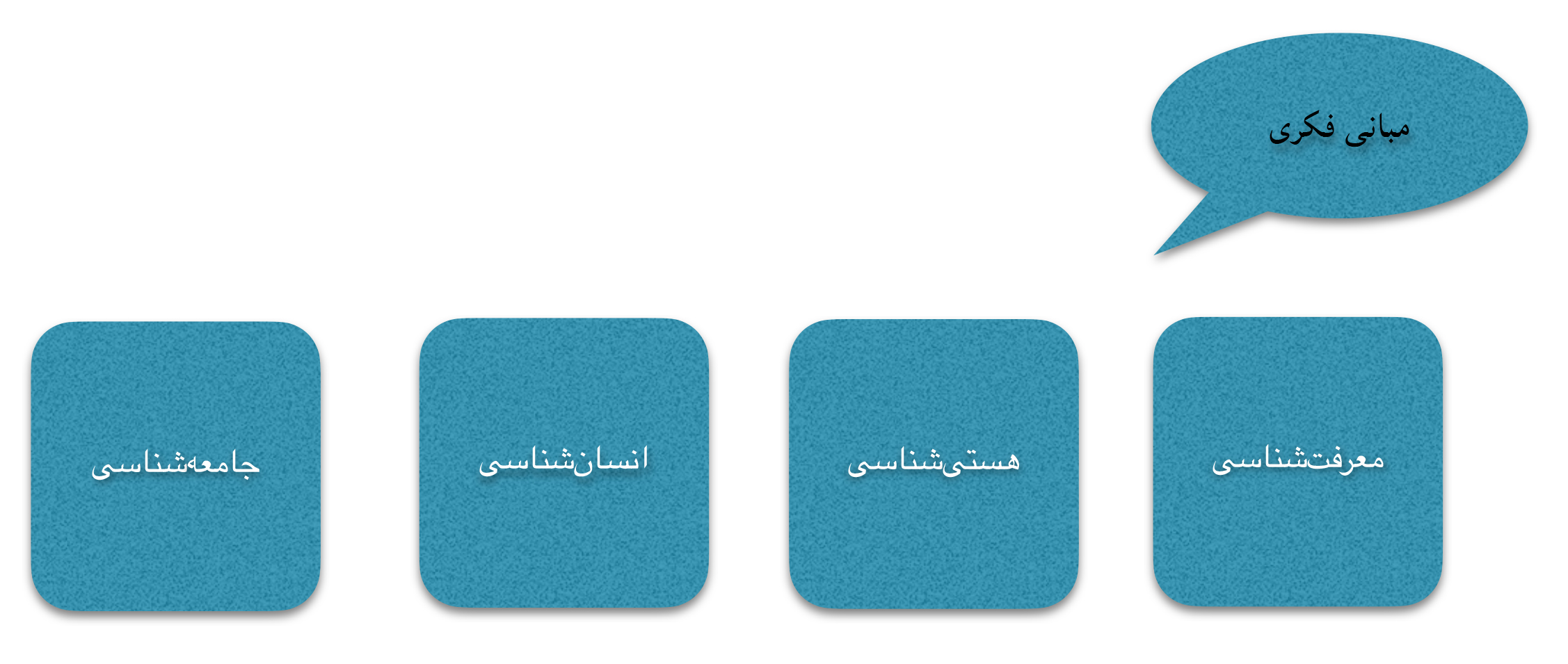
1) Ontology: Humans hold various conceptions of ultimate reality. Ontology deals with the most fundamental origin or source of the universe. Did supernatural beings or a supreme being (such as Yahweh, God, Allah) bring the world into existence? Do transcendent entities (such as God or Platonic Forms) exist that provide absolute standards for determining instances of good and evil in the human realm? Is ultimate reality merely the most fundamental natural forces? Do events in the world have material causes or non-material causes? And so on.
2) Human Nature: Thinkers hold various conceptions of the essence of human beings. Do humans have a good nature, an evil nature, or a neutral one (tabula rasa)? Are humans fundamentally equal or not? If they are equal, in what form and on what basis? What is the good life? What are the most important human goals and motivations? Do humans behave rationally or irrationally in choosing their own ends? Are they free or determined? Does society influence human conceptions of the good life or not?
3) The Nature of Society: Humans have various conceptions about the origin of social life and about types of societies. What are the main characteristics of a good society? To what extent should societies be homogeneous and cohesive? To what extent should they be incohesive? What are the primary bases of conflicts within societies?
4) Epistemology: Humans have various conceptions about cognitive matters in the realm of politics and how such knowledge can be attained. To what extent can we have certain knowledge or conjectural knowledge about politics? Should we accept uncertainty regarding the main questions of politics? How can we attain political knowledge?
Political Principles
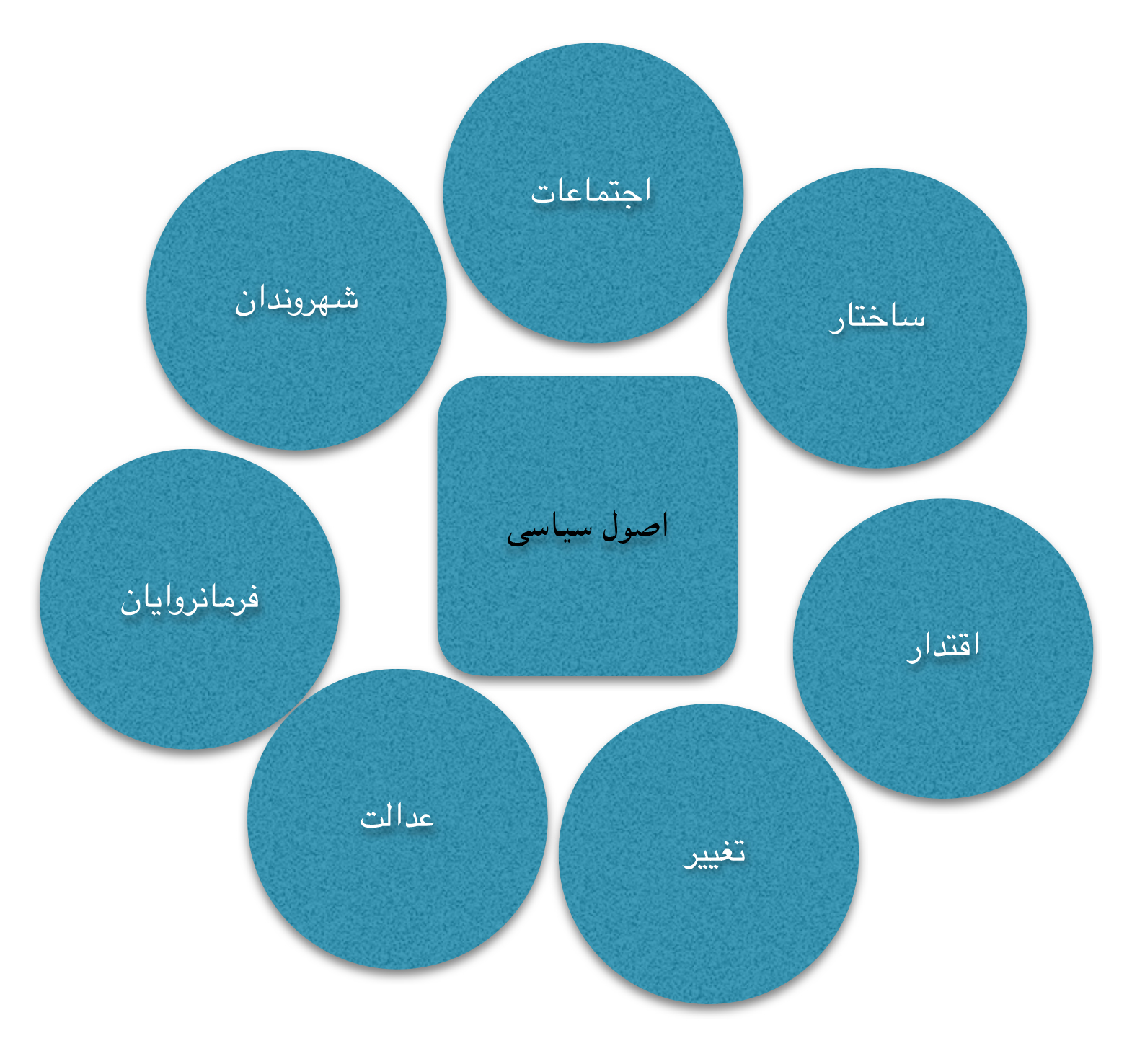
1) Communities: Humans live in various political communities, feel a sense of identity and identification with those communities, and feel duties towards them. States possess a defined territory where they enact laws and advance programs affecting the production and distribution of social goods and services. In what type of community are such policies defined? A global community and world government? Regional political systems like the European Union? States? Cities?
2) Citizens: Who can be a resident or citizen in a political community? What differences exist between full citizenship, partial citizenship, and mere residency? What benefits are available to citizens? What are the rights and duties of citizens? Should citizens' rights be increased or their duties?
3) Structures: By structure is meant the political institutions and processes in society. Which are most important in the structures of a government and polity? Commercial companies and organizations? Labor unions? Religious institutions? Military and intelligence institutions? How important is culture (accepted values and norms)? Should our lives be highly structured or not? Which structure is most important? What balance among structures is a reasonable balance?
4) Governors: Which of these actually govern or should govern? Elected representatives? Appointed officials (bureaucrats)? Owners and managers of economic organizations? Producers? The military? Promoters of ideas? Civil and social activists? Ordinary citizens? In other words, how should power be distributed in society?
5) Authority: Government can affect numerous aspects of our social and personal lives. It can influence our economic behavior, social interactions, environmental protection, religious worship, cultural values, and personal lifestyle. For what purposes should governmental authority be exercised? In which areas should governmental authority be increased or decreased?
6) Justice: Governments impose laws. What laws are just? What principles of justice should be reflected in such laws? How should human beings behave justly? How should social goods be distributed?
7) Change: Can political change be resisted? Or can this change be pursued in a limited or extensive manner? Should social changes be pursued peacefully or violently? What kind of change is desirable and what kind is undesirable?
.
.
[1] Download the PDF of the book introduced in this session, which was in a sense the source for this meeting:
High-volume download from Server 1 | Server 2 137 MB
Low-volume download from Server 1 | Server 2 | Server 3 10 MB
.
.
Webinar Introducing 12 Political Systems and How to Analyse Them, presented by Javad Heydari
Watch the webinar on YouTube
Watch the webinar on Aparat
Download the webinar audio
Download the PDF file of the above text
.
.

Discussion5 comments
با درود چقدر جذاب هستش این موضوع، علاقمند شدم کتاب را بخوانم تا با جزئیات هر نظام سیاسی آشنا شوم. ترجمه ی کتاب منبع موجود است؟
سلام و سپاس از زحمات غیر قابل احصاء عزیزان صدانت من برای پاسخ برخی سوالات خواستار ارتباط با جناب آقای دکتر حیدری هستم لطفا اگر از ایشان Email در اختیار دارید برای بنده ارسال فرمائید. ارادتمند مزرعه
سلام و سپاس از نظر لطف شما javaadheydari@gmail.com
سلام و سپاس از زحماتتان فایل ترجمه اسکن شده کتاب رو هم که استاد گفتن بذارید.
سلام اضافه شد