Philosophy
Lecture on “Modernist Ethics” by Mostafa Malekian, with Faculty and Students of the University of Isfahan
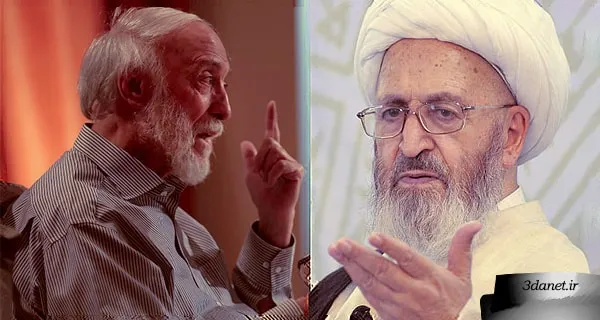
At a University of Isfahan conference on 'Modernist Ethics,' Mostafa Malekian outlined six characteristics of post-Renaissance ethics. Focusing on the plurality of ethical systems, he asked how social solidarity can be preserved in the face of diversity and how conflicts can be resolved.
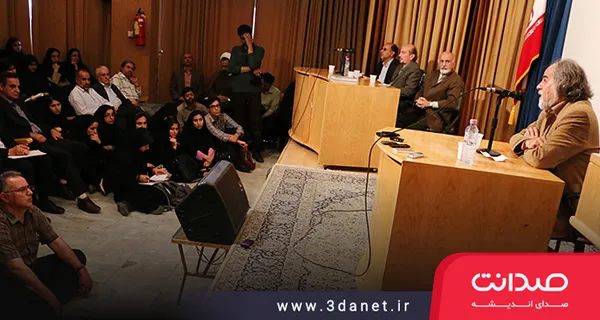
The session on Modernist Ethics, featuring a lecture by Mostafa Malekian, was held in the Saeb Hall of the University of Isfahan, attended by professors, faculty members, and students of the university.
Text of Mostafa Malekian's Lecture:
The Concern Behind Raising Ethical Discussions in the Contemporary Era
Before entering into the discussion, I must allude to a concern that lies behind all ethical discussions for many, including myself, regardless of what the ethical issues may be or how acceptable the proposed solutions are. That concern is that our society, and many societies, need progress in the realm of practical ethics, and therefore, discussions of theoretical ethics should be regarded solely as laying the groundwork for living ethically in practice.
The Meaning of Living Ethically
Living ethically in practice means setting foot on a path that leads to a point where, like one of the mystics of the Islamic world, I can say that from behind the wall of China to the shores of Andalusia, wherever a thorn pierces someone's foot, I suffer. Or in the words of another mystic from the Islamic world: May every thorn that anyone, out of enmity, places in our path, Be without thorns, like every flower that blooms from the garden of union with Him. That is, to be in this unattainable wish that even the flowers of their garden be without thorns. And statements like these mark the path for us toward living ethically, even if we do not reach its ultimate end. The issues that can be raised on the subject of modernist ethics My topic of discussion concerns an aspect of modernist ethics.
The Meaning of Modernist Ethics
By modernist ethics, I mean the ethics that began in the West and Europe after the Renaissance and differs greatly from the non-modernist ethics of the traditional era. These differences relate to a set of characteristics, one of which is the subject of my discussion today. The Issues or Characteristics of Modernist Ethics These characteristics were either not discussed in traditional ethics and were taken for granted, or because their discussion was unconscious and, of course, unacceptable, a renewed discussion of them was necessary in modernist ethics. I will state these characteristics in six points and then proceed to my discussion, which concerns one of these characteristics.
· Issues of Modernist Ethics Compared to Traditional Ethics
First Issue: The Necessity of Living Ethically
The first issue is the necessity of living ethically, considering its costs and, of course, that ethical living is not without cost.
Second Issue: Other-Regardingness and Self-Regardingness in Ethical Living
The second issue is whether, in order to live ethically, one must necessarily be other-regarding or self-regarding? In other words, does living ethically mean prioritizing others over oneself, or oneself over others? In fact, can someone who does not have an other-regarding mindset also live ethically, or not?
Third Issue: The Fruit of Ethical Living and Its Attainment
Another issue is whether the result of living ethically must manifest in this world, or can it, assuming the existence of an afterlife, appear in that world? That is, when the cost is in this world, must the benefit also be in this world? Or can the benefit of living ethically be in the world after death? In other words, can there be a secularist ethics that holds that both the cost and the benefit must be in this world?
Fourth Issue: The Ethical Living of Modern Humans in Relation to the Theoretical Issues and Practical Problems of the New World
Another discussion is that, considering the new theoretical issues raised for modern humans and the practical problems they face, is living ethically easier than in the past, or more difficult? In other words, in the overall assessment and algebraic sum of modern life, can it be said that the cost of living ethically has decreased today, or not? That is, has the era of modernism been to the benefit of living ethically, or to its detriment?
Fifth Issue: The Relationship Between Rationality and Ethical Living
The fifth issue is whether living morally is in opposition to living rationally or not? And fundamentally, do the paths of living morally and living rationally coincide, or are human beings at a crossroads where they must choose whether to live rationally or morally? Consequently, this issue arises that humans either live morally or rationally; or conversely, they either live morally and rationally, or immorally and irrationally.
The first through fifth issues are all important matters, and moral philosophers have addressed them in their works, but my talk today concerns the sixth issue, which I will now state.
The Sixth Issue: Global Solidarity in Relation to the Plurality and Diversity of Ethical Schools
The sixth issue, which is the subject of my present discussion, is that the various ethical systems that have emerged over the past six thousand years are very different.
Some Points of Difference Among Ethical Systems
Some of these systems are based on the existence of God and/or life after death; but in contrast, there are some systems that do not rely on the existence of God and life after death. Or some ethical systems are more concerned with the external behavior of humans, while others attend to the internal actions of humans. Or the addressee of some ethical systems is the individual human being, and the addressee of others is the collective of human beings. The self-awareness of ethical systems in pursuit of other-awareness Before the modern period, the various ethical systems were almost unaware of each other; for example, those who conducted themselves according to Stoic ethics were uninformed about Christian ethics. And those who had accepted Christian ethics were unaware of Epicurean ethics and its characteristics. After the modern period, and especially after the Enlightenment in Europe, a kind of other-awareness emerged in ethical systems, and this other-awareness also influenced their self-awareness. And this influence of other-awareness on self-awareness is a general rule. For instance, my knowledge of myself will be different before and after becoming acquainted with others.
The Effort to Preserve Social Solidarity, the Fruit of Other-Awareness in Ethical Systems
Acquaintance with various theories and other-awareness, regardless of value judgments about their merits and demerits, has created this problem: we understand that others are not theoretically devoted to or practically committed to my ethical system. And the result of this awareness is that this question is raised: now that ethical schools are plural and, more importantly, diverse, does this plurality and diversity not dismantle our social solidarity and expose it to danger?
It is here that a new issue emerged in ethical discussions: what should we do so that social solidarity is not lost in the face of the plurality and diversity of ethical systems? For today's human society is the most fragile society in history, and we must strive to preserve its solidarity. In other words, how can ethical conflicts be resolved or their intensity reduced?
· Proposed Solutions for Preserving Social Solidarity The First Solution: Emphasizing the Common Ground Among Ethical Systems Solutions have been proposed for this problem.
One way is to say that the systems, despite their plurality, are based on common ground, and we, in order to resolve ethical conflicts, must rely on this common ground. If such common ground exists, then in this neutral zone, representatives of different ethical schools, by relying on the shared aspects, can resolve their conflicts. And based on this very common ground, one can speak of the strengths and weaknesses of ethical systems and their preference over one another. But there was debate among moral philosophers over the existence of such common ground.
Fundamentally, referring to common ground is a successful solution for ending any conflict in human relations. And even if the conflict does not end, at least its intensity will be reduced.
For example, in the Quran, the Prophet (PBUH) addresses the representatives of religions and sects: Say, 'Come to a word that is equitable between us and you.'
Some Statements on the Common Ground of Ethical Systems
From the late 19th century onward, moral philosophers seeking these commonalities accepted certain elements as shared aspects among various ethical systems. Yet there is still disagreement among them regarding the number of these common principles. Regarding the common principles, 1 principle, 2 principles, 3 principles, 5 principles, 10 principles, 11 principles, 13 principles, and in the Universal Declaration of Ethics, which I translated years ago, 23 principles have been stated as common principles.
The Golden Rule, the Only Principle Agreed Upon by All Ethical Systems
Some accept only one rule as a common principle and consider it the golden rule. The content of this rule is that you should not treat others in a way that you would not like to be treated yourself. Of course, the Golden Rule is the only principle that all schools of thought have accepted.
The Golden Rule in Islam
This principle also exists in the ethical system of Islam. For example, Ali ibn Abi Talib, in a letter he wrote to his son Hasan ibn Ali towards the end of his life, says: My son, today I am in a situation where I must think of my own affairs, but you are my son, and I consider you a part of my own existence, indeed the whole of my existence, and I cannot be indifferent to you. He then gives his son a series of counsels, among which is a counsel whose content expresses this very Golden Rule. His expression is: ya bunayya tafahham wasiyyati, wa ij‘al nafsaka mīzānan [fīmā] baynaka wa bayna ghayrik, fa-aḥbib li-ghayrik mā tuḥibbu li-nafsik, wa akrah lahu mā takrahu li-nafsik, wa lā taẓlim kamā lā tuḥibbu an tuẓlam (tuḥibbu an lā tuẓlam), wa aḥsin kamā tuḥibbu an yuḥsana ilayk, wa astaqbiḥ li-nafsik (min nafsik) mā tastaqbiḥuhu min ghayrik, wa arḍa min al-nās [lak] bi-mā tarḍāhu lahum min nafsik. Always make yourself the measure between yourself and others, and do not desire for yourself what you do not desire for others, and desire for others only what you desire for yourself.
The Second Solution: Recourse to Rationality, Conscience, and Moral Intuition for Judging Between Ethical Systems
However, in the past 20 years, some philosophers have proposed a second solution, which, regardless of whether ethical systems have common aspects or not—and indeed they do—involves discovering, extracting, and presenting a set of conditions by appealing to human rationality, conscience, and moral intuition; so that based on these, we can first: see whether all systems claiming to be ethical systems are fundamentally ethical systems or not? That is, initially, if an ethical system possesses this set of conditions, we consider it an ethical system, and then speak of comparing it and preferring it over other ethical systems.
This is like the university entrance exam, where conditions such as a high school diploma, grade point average, etc., are set, and those who do not meet these conditions cannot enter the exam from the outset, while those who meet the conditions take the exam; some pass the exam and some do not. Even those who pass are not admitted with the same rank; but they all meet a certain threshold.
· Claimants to an Ethical System That Are Not in Fact Ethical Systems
Group One: Substituting One of the Sources of Social Norm-Setting for Ethics Here the question arises: are there indeed those who claim to have an ethical system but are not so? In response, it must be said that yes, there are two groups who claim to be an ethical system but are not. My emphasis here is only on the second group. The first group consists of those who consider one of the five sources of social norm-setting to be ethics. To explain, there are six sources of social norm-setting, and all six sources of social norm-setting are necessary for social life, but only one of them is ethics. Law, legislation, customs and the conventions and habits of society, the rituals and rites of religions and denominations, aesthetics, and expediency are the other 5 sources of norm-setting.
Group Two: Lacking One or More of the Conditions of an Ethical System
اما دسته ی دوم از مدعیان نظام اخلاقی که این گونه نیستند و البته جزء دسته ی اول هم نیستند، کسانی هستند که یکی از 5 شرط یک نظام اخلاقی را دارا نیستند.
پنج شرط لازم برای نظامهای اخلاقی این موارد است.
· شروط نظام های اخلاقی
شرط اول: هماهنگی درونی
شرط اول نظام های اخلاقی، هماهنگی درونی میان اجزای آن نظام است که از آن به کانسیستنتی یا سازگاری درونی تعبیر می شود. ومدعیان نظام اخلاقی که این گونه نیستند در واقع کانسیستنتی یا سازگاری درونی ندارند.ناسازگاری در این جا اعم از تناقض یا تضاد یا تعارض است. البته هماهنگی و سازگاری هم مواردی دارد. مثلا یکی آن است که باید باورهای اخلاقی در درون یک نظام با هم ناسازگار نباشند و یا این که وسایل عرضه شده با هدف نظام اخلاقی ناسازگار نباشند و غیره.
شرط دوم: بی طرفی نظام اخلاقی
شرط دوم این است که نظام اخلاقی بی طرف باشد، سوء گیری یا پارشالیتی در آن نباشد. نوعی جانبداری به نفع گروه خاص در آن نباشد. و در اوضاع و احوال مشابه، حکم مشابه صادر کند که در این اوضاع و احوال، هر کس کار ایکس را انجام داد، عملش درست باشد وهر کس کار ایگرگ را انجام داد عملش نادرست باشد. نه آن که درست و نادرست به نسبت اشخاص و افراد متفاوت باشد.
شرط سوم: توانایی گسترش تخیل
شرط سوم آن است که نظام اخلاقی بتواند تخیل ما آدمیان را گسترش دهد. اکثر خطاهای اخلاقی ما از آن روست که قدرت تخیل نداریم و چون نداریم نمی توانیم در پوست طرف مقابل برویم و ببینیم که از رفتار ما چه می کشد. به عنوان مثال وقتی من با شما قراری می گذارم و بعد بر سر قرار نمی آیم، چرا خلف وعده برای من آسان است؟ چون هنگام خلف وعده در اتاق خودم، زیر نور مناسب اتاق، در امنیت کافی، در هوای متناسب یعنی به اندازه سرد در تابستان و به اندازه گرم در زمستان نشسته ام و نمی توانم خودم را جای کسی که با او قرار داشته ام بگذارم که در چهارا راه روی پایش ایستاده، و هوای اطراف وی لزوما متناسب هم نیست و احساس امنیت هم نمی کند. چون نمی تونم خودم را جای او بگذارم لذا خلف وعده برای من آسان است. یک نظام اخلاقی باید به انسان قدرت تخیلی بدهد که زن بتواند خود را جای مرد بگذارد و مرد هم خود را جای زن بگذارد، دانشجو بتواند خود را جای استاد بگذارد و استاد هم خود را جای دانشجو بگذارد؛ پزشک بتواند خود را جای بستگان بیمار بگذارد و بستگان بیمار بتوانند خود را جای پزشک بگذارند. و مانند آن. برخی نظام های اخلاقی بی آن که بخواهند قدرت تخیل انسان ها را کاهش می دهند.
شرط چهارم: آگاهی بخشی از اوضاع و احوال درونی و بیرونی در حین انجام فعل
شرط چهارم نظام های اخلاقی این است که بتوانند به افراد از اوضاع و احوال روان بشری، و اوضاعی که در هر مساله ی اخلاقی دخیل است، آگاهی بدهند. انسان ها در بسیاری اوقات که می خواهند تصمیمی بگیرند که کاری را انجام بدهند یا ندهند، اخلاقی بودن یا نبودن این تصمیم، بستگی بسیار زیادی به کافی بودن اطلاعات فرد دارد.
شرط پنجم: ایجاد تعادل در خودگزینی و دیگرگزینی
شرط پنجم آن است که یک نظام اخلاقی باید بتواند با قواعد خود میان خودگزینی و دیگرگزینی در انسان ها تعادل ایجاد کند.
نقد و بررسی دکتر دهباشی
من سخن خودم را با بیان چند مقدمه آغاز می کنم.
مقدمه ی اول: رجوع به فصول مشترک، مختار ما در حل منازعات اخلاقیصحبت من ناظر به راه حل اولی است که در کلمات استاد بیان شد و آن رجوع به فصول مشترک است.
مقدمه ی دوم: فلسفه ی وجودی انسان، نقطه ی آغاز بحث های اخلاقی
Ethics and moral principles are based on voluntary human behavior, and any school or theory that enters into discussion about moral issues certainly has, in the very mind of its theorists, a philosophy of human existence in view. That is, without considering the philosophy of human existence, no theorist can enter into moral issues and explicate those guiding principles of human happiness in the specific areas suited to his nature.
Third premise: The difficulty of examining all schools and arriving at commonalities
Sometimes we wish to move from multiplicity to unity. In the present discussion, if one is a person of reason and precision, they have no choice but to study all the schools one after another and, ultimately, over a long period, extract the common chapters among the ethical schools and, based on them, create harmony and compatibility among human beings. This task is both time-consuming and difficult. Moreover, even if this kind of examination were easy for philosophers and sages, it would certainly be difficult for the masses.
Fourth premise: The simplicity of a theory is an important factor in its success.
On the other hand, as you know, in the natural sciences, when we enter into the discussion of theories, we see that over time, the theory that is simpler and more expressive prevails over all theories that may be complex, even if their principles are firm.
For example: we have many theories of relativity; but why did Einstein's theory of relativity prevail? Despite the fact that all mathematicians and physicists agree that Whitehead's theory of relativity is stronger than Einstein's theory of relativity and its mathematical foundation is more robust. The answer we heard from our expert professors was that: one of the reasons for accepting Einstein's theory of relativity was that it was simpler.
Therefore, in matters common among human beings, if we can present simpler methods with much firmer foundations, their acceptance will be easier, and as was said, moving from multiplicity to unity is more difficult.
Fifth premise: Tawhid (monotheism) as a defensible commonality from the perspective of the Holy Quran
In the verse that the professor himself recited, He says: يا أَهلَ الكِتابِ تَعالَوا إِلى كَلِمَةٍ سَواءٍ بَينَنا وَ بَينَكُم أَلّا نَعبُدَ إِلَّا اللَّهَ.
- Critique of Malekian's statements
First critique: Tawhid is the common denominator and the starting point of ethical discussions. In our view, it is better to take the common denominator of Tawhid, which has both an epistemological and an ontological aspect, in the broad sense of the word, not in a purely ritualistic sense, as the common denominator and to study the various schools under it, and also to utilize their commonalities. It seems this common denominator can serve as a shortcut, and for the acceptance of these principles or commonalities, Tawhid will be a much stronger support. It is for this reason that in this verse, the Prophet invites all the heavenly religions, [saying] that our differences lie in the matter of customs, rites, and rulings and the like, which are also based on the exigencies and conditions of the time; but in the matter of Tawhid, we have no disagreement.
Of course, I do not wish to exaggerate on this matter and only wanted to express the closer path, which is from unity to multiplicity, and the mystics have also adopted this path. Without the presupposition of unity, we find ourselves submerged in multiplicity, and day by day, theories and discussions become much more diverse, and we will get nowhere.
Second critique: An transcendental approach must be adopted in ethical discussions.
On the other hand, ethical theories are derived from the views of created human beings, even if they are scholars; and the existential sphere of these individuals who hold theories is limited to their conditions, understanding, and knowledge. And in that common denominator, we must always consider the transcendental aspect of the matter, which is to center Tawhid. Therefore, this point must always be kept in mind that theories are the constructs of the mind of created human beings who possess information whose extent of correspondence to reality and irrefutability is unknown.
Third critique: Ethical schools are based on a particular view of the existential philosophy of the human being.
The existential philosophy of the human being must also be clear to us. The differences among ethical schools largely revolve around the fact that their existential philosophies concerning the human being differ. And as a result of this difference in existential philosophy, the understanding they derive and the principles they abstract will naturally also differ. So, alongside the centrality of the issue of monotheism, the existential philosophy of the human being is also important, and in this sense, Ali ibn Abi Talib (AS) points out in a hadith that all the vigilant, the rational, and the wise—whether religious or not—have the duty to know where they have come from, where they are, and where they will go. رحم الله امرء علم من اين و في اين والي اين.
Critique and Review by Dr. Bina Motlagh
First critique: In ethics, one must seek what is common among all human beings, not merely among ethical schools. In my view, referring to common chapters can resolve differences, but regarding the instances of these common chapters, it seems they must be matters that are common not only among ethical schools but also among human beings.
Second critique: Acknowledging two beliefs that are common among human beings both enables ethical living and can be considered the common ground of ethical schools. It seems that acknowledging two beliefs among human beings can serve as this common chapter, because all human beings will acknowledge these two beliefs.
First belief: The nothingness of the human being before existence.
The first belief is one of nothingness before God and existence, if the individual believes in the existence of God, or a belief in nothingness before sheer existence, if the individual does not believe in God. Existence here means being situated between the earth, which sustains us, and the sky, which shelters us. This very seeing of oneself as nothing before existence will lead to ethical living. Second belief: The human being's need for the other and gratitude toward the other. The second belief is that I understand my dependence on the other. Here, the other does not necessarily mean other human beings; rather, it refers to anything in the universe upon which my life depends or which facilitates my living; this includes all phenomena of the actual world, from God to a glass of water. Now, if I understand this need of mine and a state of gratitude toward all of existence arises within me, then this state will lead to ethical living.
· Critique and Review by Dr. Tavakoli
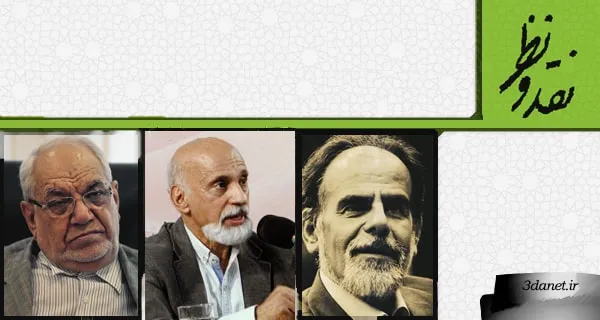
The reality is that for most of the works in the field of moral philosophy that exist in Iran, Professor Malekian has played a role, directly or indirectly, in their publication: most of the translated books in this field have either been edited by him or introduced by him. Apart from this, his various lectures and course booklets in this area are abundant. I have not seen anyone else in the field of moral philosophy who has worked this much, and students in this field are indebted to him, and if we offer any points, we must first acknowledge this debt of ours.
I will only ask a few questions, which the professor, in the explanations he will provide, can also answer.
First critique:
The five conditions stated for the criterion of ethical systems are not free of controversial presuppositions.
The first question is that regarding the second project, which the professor mentioned after distinguishing the domain of ethics from other normative domains, there are five conditions to see whether a claimant to being an ethical system is indeed an ethical system or not. My question is: have these very items and conditions not already presupposed a particular ethical system? That is, if we measure other systems against our own accepted ethical system, this is a form of begging the question, and other systems may not accept it. For example: the idea that all human beings must be equal itself has an ethical presupposition; perhaps some ethical systems would not accept this point. It seems we are introducing presuppositions into the matter.
Or you said that in similar circumstances, a similar judgment should be issued. From the perspective of Your Excellency and the overwhelming majority of those present in this session, if yesterday I issued a judgment concerning a man that you must do such-and-such a thing, but today, with all the conditions of yesterday, except that instead of a man I am dealing with a woman, I say you must not do such-and-such a thing, someone says these circumstances are no longer similar to yesterday's because there is a woman instead of a man, but we say no, the circumstances are similar. Therefore, we are taking a presupposition into consideration, and that is that all human beings, men and women alike, are equal. And this presupposition itself is a matter of dispute.
Second critique:
Ethical propositions do not encompass all human actions. Ethical propositions are propositions whose predicate must include seven or ten items such as must and must not, good and bad, duty and responsibility, etc., and the subject of these propositions must also be the voluntary action of a human being. Now, do these predicates encompass all human behaviors? For instance: in law, which is also a source of norm-setting, the subject area concerns the voluntary actions of human beings, and the difference lies only in the predicate area, with predicates such as crime and the like being relevant only in law, not ethics. Whereas the subject, as in ethics, is voluntary actions. And from this, it becomes clear that ethics does not encompass all voluntary human actions.
Third critique:
Even with the acceptance of common differentiae, points of disagreement still remain. Regarding the statement that one of the ways is to refer to the common differentia or differentiae, the issue is that the parties, in addition to accepting the common differentia, must also accept that the other principles under dispute are deduced from this common differentia; that is, they must also agree upon this referral. For example, in the discussion of abortion, proponents insist on the right of the mother and opponents on the right of the child, and both refer to that same common rule. How should this matter be resolved?
Mostafa Malekian's Responses to the Professors' Critiques
I greatly benefited from the points the esteemed professors presented.
· Response to Dr. Dehbashi's critiques
First response:
My citation of the verse was regarding the resolution of disagreements by referring to commonalities, not the discussion of ethics. Regarding the point that Dr. Dehbashi made, that it is good to make this common differentia monotheism, and the Qur'an itself says: 'Come to a common word between us and you: that we worship none but God.' Firstly: I gave this example to say that fundamentally, in all matters, referring to the common differentia is effective.
Second response:
The verse in question is not necessarily concerned with ethics. But in the verse itself, the discussion is not about ethics; rather, it is about the truth or falsehood of certain statements that the Prophet of Islam conveyed, which naturally conflicted with the statements of the Jews and Christians. The discussion there was not necessarily an ethical one. I wanted to say that fundamentally, whether in ethics or outside of ethics, referring to the common differentia is beneficial, and then I cited the verse—not as a proof, but as an example—that even in a non-ethical matter, the Prophet suggests referring to a common word.
Third response:
Tawhid cannot be the common denominator of all ethical systems. However, the core of Dr. Dehbashi's argument—that we should make Tawhid the common denominator of all ethical systems and also say that if an ethical system does not affirm Tawhid, we do not consider it an ethical system—is in no way acceptable to me. I believe that many human beings do not affirm Tawhid, yet they live ethically. One might say that belief in Tawhid provides a greater support for living ethically than the absence of belief in Tawhid or belief in the negation of Tawhid; this could be said, and in my view, it is acceptable. Someone who is, in the precise sense of the word, a monotheist has greater support for practical commitment to ethical standards than someone who either does not believe in Tawhid or believes in its negation. I accept this. But to say, no, only those who necessarily hold a belief in Tawhid are considered ethical, is unacceptable to many, myself included.
The influence of anthropological discussions on ethics is an acceptable matter.
But they mentioned another point, which was that: all thinkers hold a series of anthropological views within various ethical systems. This statement is entirely correct; indeed, differing ethical views arise from differing anthropologies. They then cited an example from the saying of Ali ibn Abi Talib: "Rahim Allah imra'an 'alima min ayna wa fi ayna wa ila ayna" (God have mercy on a person who knows from where, in where, and to where). And they said this is an important point. I also acknowledge that this is an important point; meaning, in order to present a more acceptable philosophy of ethics, we must adopt a correct position regarding the human being in relation to these three points. First, where the human being has come from; second, where the human being is; and third, where the human being will go.
· Response to the Critiques of Dr. Bina Motlagh
The nothingness of the human being before existence is a psychological support for better ethical living, but it is not the common denominator of ethical systems. Dr. Bina raised a point concerning this: that the sky is our coverer and the earth is our holder, and they considered the sky the highest and the earth the lowest, and this is a matter that is acceptable from a mystical perspective.
Then they referred to another point, that we should come and say that the human being, before God—or, if we do not believe in a personal God, before existence—is nothing. And at the same time, the human being is dependent on everything other than itself, and they pointed out that, for example, the human being is even dependent on this glass, which is an inanimate object. Both of their points are acceptable from my perspective; meaning, both that the sky is the coverer and the earth is the holder—at least this is compatible with my viewpoint—and that I am nothing before existence and dependent on everything else, is, in my view, entirely correct.
But one must see whether all others who engage in this dispute also accept this matter or not? I believe that, at least regarding the first part—that the sky is the coverer and the earth is the holder, and that the higher station belongs to the sky and the lower station to the earth—they may not share the view of Dr. Bina and myself. I truly agree with both of their points, and they do not conflict with my viewpoint. But I draw attention to the point that the nothingness of the human being before existence and the human being's dependence on everything other than itself drives the human being much more towards being ethical, and again I accept that it is a serious psychological support for living ethically. In my opinion, this gives us a far greater and deeper motivation for being ethical, but it is not the common denominator of all ethical systems.
· Response to the Critiques of Dr. Tavakoli
First response:
The criteria that philosophers have proposed as touchstones for ethical systems are not, in any case, derived from a particular ethical system; rather, they arise from our shared human moral intuitions. Dr. Tavakoli made several points. One was that no one has the right to presuppose one ethical system and then, having presupposed it, dictate terms to other ethical systems. I submit that this is entirely correct; no ethical system can dictate terms to other ethical systems and say: accept whatever I say, or else you are not moral. Is whatever is correct from my perspective necessarily correct from the perspective of others? So he is absolutely right; however, the criteria that philosophers who proceed by extracting moral intuitions—such as Gensler—have extracted, are not derived from any particular ethical system; rather, they arise from our shared human moral intuitions.
Second response:
I referred to the non-differentiation of individual human beings, not categories of human beings. Then he offered two counterexamples: one was the difference between men and women; he said some ethical systems differentiate between men and women, and some do not. Yes, but my point was that even those ethical systems that believe in the difference between men and women, when they issue a ruling for women, cannot then say that this ruling applies to, say, Zohreh but not to Zahra. In this regard, if you paid close attention to my words, I said: moral rulings cannot differ based on the difference of “individual” human beings; I did not say based on the difference of “categories” of human beings. Even ethical systems that believe in the difference between men and women, assuming such ethical systems exist, still, if they issue a ruling for men, they cannot differentiate between one man and another. Or if they issue a ruling for a woman, they cannot differentiate between one woman and another. My point was not about “categories” of human beings, but about “individuals.”
Third response:
The subject of discussion for all norm-giving sources is voluntary actions, not just ethics.
But regarding his remarks on law and ethics, there are some points to be made.
Social Norm-Giving Sources
It should be noted that there are six social norm-giving sources; this means that no human being performs a voluntary action unless, even a billionth of a second before performing that specific voluntary action, an “ought” has been formed within them. It is impossible for an “ought” not to exist within you and for you to perform a voluntary action.
Now, the question is: where do these “oughts” come from?
These “oughts” come from six sources, which are called norm-giving sources.
First source: Ethics If an “ought” is formed within me that leads me to humble behavior, this “ought” has been dictated to me by ethics.
Second source: Law But if, while driving, I tell myself I must drive on the far right side, this “ought” was not given by ethics, but by law or legislation. In this regard, if I were driving in England, for example, the law there would tell me I must drive on the far left side.
Third source: Religious rites and rituals Some “oughts” are given to us by rites and rituals. If I tell myself: I must perform the Hajj, I must perform the prayer, and so on... these “oughts” are dictated to me by rites and rituals. These jurisprudential and ritual “oughts” are not the moral duties of any human being, but rather religious, ritual, and ceremonial duties, just as if I belonged to another religion, I would have other religious duties.
Fourth source: The customs, traditions, and habits of society The fourth norm-giving source is customs and traditions; for example, if I jump over a fire on Chaharshanbe Suri, this “ought” was dictated to me by the customs, traditions, and habits of my society; neither religion, nor ethics, nor law, nor any other norm-giving source dictated this “ought.” Or, for instance, sitting at the Haft-Seen table is something I have taken from this source.
Fifth source: Aesthetics Suppose you have come from the bath and your body is clean and your clothes are also completely clean, so your body odor does not bother others; but at the same time, why do you iron your clothes? Has ethics called this a “must”? No! Ethics only says that I must not let my body odor bother anyone. This “must” is an aesthetic “must.” There is an aesthetic “must” within every person that says: Do not make the world uglier than it is, or, in its optimistic view, make the world more beautiful than it is. It is the same when I am going to be in the presence of others and I comb my hair, where the aesthetic “must” compels me to do this.
Sixth source: Prudential considerations The sixth norm-giving source is certain prudential “musts.” If I adopt any goal in life, whether small or large, important or unimportant, a “must” arises for all the unavoidable means of achieving this goal, which are called prudential “musts.” Suppose I want to be admitted to a PhD in philosophy, then they say you “must” read Kant’s Prolegomena, you “must” read Spinoza’s Ethics, and you “must” read Avicenna’s Al-Isharat wa’l-Tanbihat.
These six cases are an inductive enumeration. Every moral act is voluntary, but not vice versa. Therefore, upon some of our voluntary acts, moral predicates fall; upon some others, legal predicates; upon some others, jurisprudential (ritual) predicates; upon some others, aesthetic predicates; and upon some others, prudential predicates. Therefore, if moral acts must be voluntary, this does not mean that every voluntary act must be moral. A voluntary act can be legal, or a voluntary act can be jurisprudential.
Fourth answer:
The usefulness of common ground in ethical disputes.
Another point that was made was that on the common ground or grounds, we share, we do not dispute. That is true. And I said that to settle disputes in non-common cases, we must refer to the common cases. Now, what is the use of this? It has the same use that all dialectical arguments have. In the five arts, in dialectical arguments, we say to the other party: Sir, do you accept that A is B? He says yes. We say: Do you accept that B is C? He says yes. We say: Then, with the help of what you yourself accept, you must accept: A is C. Or, with the help of your own admissions, we prove that a certain belief of yours is wrong.
The same holds true for disputes between ethical schools and systems. We say to the other party: Do you accept this common ground? They say: Yes. We then say: Based on this common ground, you can no longer make that particular claim. Thus, appealing to common ground is useful when we can thereby demonstrate the inconsistency of the opposing view and say: You, for instance, who subscribe to the Golden Rule, why do you differentiate between a yellow-skinned, a black-skinned, or a red-skinned person? Or you, who subscribe to the Golden Rule, how do you differentiate between the free and the slave? How do you differentiate between a co-religionist and a non-co-religionist? In effect, we are saying: Since you accept this rule, how do you reconcile accepting it with accepting that other rule? In fact, I want to show, by resorting to common ground, that since an ethical system must possess internal consistency, your ethical system lacks internal consistency. Otherwise, as Dr. Tavakoli said, the common ground itself, being common ground, does nothing for a person. Unless we can show that you, who subscribe to this common ground, have something else in your system that is inconsistent with this common ground. · The second part of Dr. Dehbashi's speech A supplement to the preceding remarks: In our view, religious ethics is acceptable. Logically speaking, the more general encompasses the more specific; but no specific encompasses the general. If someone believes in Tawhid (monotheism), with all its degrees, meaning the negation of all multiplicities, this conception of Tawhid encompasses whatever ethical means serve the benefit of human primordial nature. However, one who does not subscribe to Tawhid will only possess those common grounds of their own. For this reason, we do not wish to be influenced by that theory in the West which separates ethics and religion. In our view, the ethics embedded within religious matters is acceptable. Those rituals are also for the embodiment of that intention or will which lies within them; that is, if rituals lack inner intention, they have no effect. Therefore, this is a supplement regarding voluntary behavior. Hence, my view was not that, according to every school, religion and ethics are one. And our point is that if our common ground can always be the highest and most intense, it can encompass the common ethical grounds, and we have hit two targets with one arrow; but if the common grounds, as Westerners say, have an ethical character, this no longer covers that subsequent part which is the more general.
Critique and Review of Mostafa Malekian's Speech by Students
*First question: A query on the usefulness of ethics without God and the afterlife
The ethical system of all divine prophets is based on Tawhid (monotheism). Can a spirituality without Tawhid and an ethics without God and the afterlife solve humanity's problems today and fundamentally reduce human pain and suffering?
Professor Malekian's response:
First response: The fallacious nature of the question
You began the question with a premise intended to deny me the right to disagree, and that premise was: all divine prophets subscribed to Tawhid. And if anyone wanted to say otherwise, they would no longer have the opportunity.
In response, I say: "I will assume" that all divine prophets subscribed to Tawhid. And "I will assume" your statement is correct. Then your statement shows that all "prophets" subscribed to Tawhid; from this, it follows that there is no prophet who does not subscribe to Tawhid, but it does not follow that there is no human being who does not subscribe to Tawhid. Many human beings have not subscribed to Tawhid, and many still do not today.
Second response: What is meant by God in the question
The second point is that you referred to spirituality without God and religion; what do you mean by this phrase?
Response to the question under the assumption of a specific conception of God
If you mean spirituality without the God of a particular religion, then such spirituality is certainly possible; for instance, spirituality without Yahweh or Ahura Mazda is certainly possible. Or spirituality without the Buddhist Nirvana, without the Krishna of Hinduism, is possible. Why? Because you yourself, without belief in any of these specific gods, are spiritual, and because you are a Muslim, you believe in another specific God, namely Allah. Of course, spirituality without belief in a specific God is possible, and the clearest proof of this is the questioner himself.
Response to the question under the assumption of a general and universal conception of God
اما اگر گفتید معنویت بدون یک خدای خاص را قبول دارم، اما به طور کلی باید یک نحو خدایی را قبول داشت. مرادتان از آن سؤال این است که برای معنویت، به طور کلی یک نحو خدایی را باید قبول داشت، آنوقت دو نکته را باید توجه داشت: یکی اینکه اول میروید در دامن سخن دکتر دهباشی، که به یک معنا قائلند کل عالَم موحّد هستند؛ یعنی میشود شخصی به الله قائل نباشد ولی به خدا قائل باشد.
دوم این که اگر مرادتان این باشد، آنوقت میگویم: بله، باید به یک نحوی به یک خدایی قائل بود. و آنهایی که معنوی هستند به یک تفسیر از خدا قائلند. البته معنویت شرایطی دارد، در بعضی مکاتب امکان معنویت وجود ندارد؛ مثلاً اگر شخصی ماتریالیست باشد و جهان را منحصر در قوانین مکشوف شده و مشکوف نشدهی فیزیک و شیمی و زیست شناسی بداند، نمیتواند معنوی باشد.
پاسخ سوم: مراد از دین در صورت سوال
اما یکجا فرمودید معنویتِ بدون دین امکان دارد؟ مرادتان از دین چیست؟
اگر مرادتان از دین، فقط دین اسلام باشد، بله، ما معنویان زیادی بدون اینکه مسلمان باشند، داشته ایم. اصلاً قبل از ظهور اسلام، معنویانی داشته ایم، بعد ازظهوراسلام هم معنویان غیرمسلمان داشته ایم.
قرآن خودش در باب کشیشان مسیحی میگوید اینها دو دستهاند، همهشان را یکی نکنید، لَيْسُواْ سَوَاء مِّنْ أَهْلِ الْكِتَابِ أُمَّةٌ قَآئِمَةٌ يَتْلُونَ آيَاتِ اللّهِ آنَاء اللَّيْلِ وَ هُمْ يَسْجُدُونَ.
بعضی از کشیشان در دل شب سجده میکنند، شما چرا کاسهی داغتر از آش می شوید؟ بنده خودم را به تلقیای که خدا از یهود و نصارا دارند نزدیکتر میبینیم، تا تلقیای که ما مسلمانان از یهود و نصارا داریم.
قرآن میگوید: به برخی از کشیشان مسیحی اگر خرواری از مال، به امانت بگذارید، بدون اینکه سرسوزنی خیانت در امانت بکنند، امانت را برمیگردانند، اینها را من نمیگویم،خدا اینها را میگوید.
پاسخ چهارم: کاهش بخشی از درد و رنج بشر توسط دین و معنویت
اما در پاسخ به این که آیا این معنویت به شکل ریشهای درد و رنج بشر را می کاهد؟ باید گفت درد و رنج داستان دیگری است. اصلاً درد و رنج بشر در دنیا به صفر رسیدنی نیست.
تقسیم درد و رنجها به گریز پذیر و گریز ناپذیر
زندگی یک وجوه تراژیکی دارد؛ یعنی یک درد و رنجهای گریزناپذیری دارد که بالا بروید، پایین بروید، این وجوه تراژیک وجود دارند. اما درد و رنجهای گریزپذیر هم هستند؛ مثلِ درد دندان که با رجوع به دندانپزشک رفع میشود.
اما برخی از درد و رنجهای گریزپذیر را با اخلاقی زیستن و برخی را از راه متدینانه زیستن و برخی را از طریق عقلانی زیستن و بخشی را از راه حقوقی زیستن میکاهیم. تمام درد ورنجها را از یک راه نمیکاهیم.
شما هرچقدر هم که دیندار باشید، نمیتوانید درد دندانتان را کم کنید. همهی این نهادها علی القاعده قرار است فقط بخشی از درد ورنجها را بکاهد. همهی رنجها را با دین نمی توانید بکاهید. اگر اینطور بود، در این جامعه پزشک و معمار و مهندس وجود نداشت وجودِ اینها یعنی همهی درد و رنجها با دین کاستنی نیست. مطلب بسیار واضح است.
*سوال دوم: بررسی نسبت معنویت با تلقی مسلمانان از خدا
به نظر شما معنویت با الله کارسازتر است یا منهای الله؟ پاسخ استاد ملکیان: من عمری است منطق درس میدهم، با این راهها نمیتونید مرا به جایی بکشانید. باید پرسید مرادتان از الله چیست؟ اگر مرادتان این سؤال است که معنویانی که مسلمانند، معنویترند یا معنویانِ غیرمسلمان معنویترند؟ بنده عرض میکنم که خیر، بعضی معنویانِ مسلمان از بعضی معنویانِ غیر مسلمان معنویتر هستند و بعضی معنویانِ غیرمسلمان از بعضی معنویانِ مسلمان، معنویترند.
*Third question: The question of the limits of reason Given that reason is imperfect, how can we solve our problems with it? Professor Malekian's response: First response: The limits of reason do not justify turning away from it. If human beings cannot attain something, they should not abandon it. But one should not turn away from what can be attained through human reason. If human reason is imperfect, it can at least resolve several problems.
Second response: A critique of the double standard applied to reason by some religious scholars You might suggest that we take refuge in religion. But if human reason is imperfect, it is this same imperfect reason that tells us to take refuge in religion, which is a contradiction. If reason is a source of knowledge, we must adhere to it, even if it contradicts religion. Ultimately, we must resolve this point: does reason have validity or not? Galileo's analogy on the double standard with reason Galileo used to say to Christian clerics: Suppose someone gives you a wristwatch as a gift. You are very grateful for the kindness they have shown in giving you this gift to wear on your wrist. But if your friend immediately added: "My friend! I gave you this watch, but whenever you want to know the time, come and ask me, and do not look at the watch!" Galileo would say: This gift is nothing more than a burden and a nuisance. I am to strap a heavy object to my hand, not use it, and ask you for the time.
Galileo would say: O Christian clergy! You first whisper in our ears that reason is the greatest divine gift, the distinguishing feature of humans from other animals, and you told us to be grateful to God for this gift. But as soon as we want to discover something with this reason, you say: "Sir! There is the Holy Book; what place has reason next to the Holy Book!?" If this is the case, take this reason back. If we are to ask you for the time, we do not want this watch! See for yourselves, my friends, how you reconcile this with your conscience. Ultimately, does reason have validity or not? If it does not, then even when philosophers use this same reason to prove that God exists, reason has no validity there either. How is it that when theologians and philosophers prove the existence of God, the essence of God, the acts of God, the attributes of God, the resurrection, general prophethood, and specific prophethood, you say reason is respected; but as soon as reason says something incompatible with one of the propositions of my and your religious texts, you say this reason of yours is that of a sparrow! Some say to me: All of human reason is equivalent to the reason of a sparrow, and you, Mostafa, have no reason at all! My dear, if I have no reason, then at the very moment I am proving the existence of God, that too is not reason.
We cannot say that as long as reason proves the claims of my religion and creed, its judgment is acceptable, but as soon as this same reason says something contrary to religious claims, reason becomes a dismissed judge. Reason is the only judge whose appointment and dismissal must be decreed solely by itself. Reason is the only judge whose appointment and dismissal must be decreed solely by itself, not by anyone else from outside reason issuing such a decree to it. The decree of reason's dismissal must be signed by reason itself. And, of course, reason must issue such a decree. The limits of reason are an acceptable matter.
I, in fact, believe that someone with deep rationality, not superficial, understands that reason is limited; there is no doubt about this. But the decree of reason's limitation cannot be issued by anyone else; reason itself must decree its own limitation. It is not that reason is doing its work and someone comes along and says: No! Reason is not permitted to enter this domain!! Human beings, from Plato to our time, have long understood that one of the signs of deep rationality is its awareness of its own limitations. The world has not been molded to the measure of our human reason; the world is far deeper and more complex than our human reason. But the point is this: as far as reason works, one cannot stop it and say you have no right to enter such-and-such a realm.
Continuation of the discussion between University of Isfahan professors and Mostafa Malekian
Part three of Dr. Dehbashi's speech A critique of Mostafa Malekian's recent remarks
A series of topics were raised that are controversial and need to be refined by both sides.
First critique: Failure to distinguish between universal intellect and particular intellect Sometimes we want to measure universal intellect against particular intellect; certainly, particular intellect cannot overshadow universal intellect. Therefore, these must be defined. Can that intellect which is bound to the time of nineteenth-century Kant encompass all times or not? This, too, must be defined.
Second critique: Objection to a purely historical view of Islam
But regarding the issue of tawḥīd (monotheism) that was raised, in our view all the verses of the Qurʾān must be taken into account. The Qurʾān says: “Indeed, among his followers was Abraham.” From the Qurʾān’s perspective, Islam is common to all religions, not that Islam has only a historical aspect. If we look with this view, then the unity mentioned in that noble verse is realized; but if we wish to look at the divine religions in a fragmentary and historical way, yes, the same problem arises. Hence, in that verse, too, the emphasis is on tawḥīd itself, without the accretions that have been attached to it. Therefore, if Yahweh is the same Creator God, it makes no difference; only the name differs.
· Professor Malekian’s response to Dr. Dehbashi’s critiques
I would like to say one point with the utmost respect to Dr. Dehbashi. He says we have two intellects: one particular intellect and one universal intellect. By particular intellect, he means this reasoning intellect of ours that we human beings possess as one of the faculties of the soul. This intellect perceives universals, and it is by means of this intellect that we reason.
He says there is another intellect called the universal intellect. Then he wants to attribute to the universal intellect perceptions that are not necessarily identical with the perceptions of the particular intellect; that is, he says with the particular intellect that is in our mind and consciousness, we perceive certain things; but there is a universal intellect that is at a much higher level than this particular intellect, and its perceptions correspond to reality with certainty.
First response: The universal intellect cannot be proven.
I submit that we also accept the particular intellect. I accept that I have an intellect; you, Dr. Dehbashi, yourself accept that you have an intellect, and so do others. But as for the universal intellect that you say exists, first prove its existence with the particular intellect; otherwise, I say this claim of yours (the existence of the universal intellect) is nonsense. Has it been revealed to you that the universal intellect exists? You must “prove” that the universal intellect exists, and the proof of the universal intellect must be done with the “particular intellect.” Thus, two things rest upon your shoulders: First, if the particular intellect cannot prove the existence of the universal intellect, then the claim of the existence of the universal intellect is sheer nonsense and nothing more. Second response: Proving the universal intellect with the particular intellect entails the negation of the universal intellect. Second, if the particular intellect does prove the universal intellect, and you have previously discredited this particular intellect, then the existence of this proven universal intellect becomes dubious.
I was a student of Mr. Dehbashi in high school, and emotionally I have always been and still am fond of him; but much of what goes on in our society originates in university classrooms.
If I find out that a professor says something in the university classroom and then cannot repeat the same thing in front of his peers, I am very suspicious of his work. I had a grandfather who, when I was nine years old, said: “Mustafa! If a baker’s bread is good, he tosses the bread onto the counter, and whoever wants bread puts down money and takes the bread; but if a baker says, ‘Come inside the back room of the bakery to get bread,’ know that that baker’s bread has a problem. If his bread had no problem, he would offer it right on the counter.”
Now, I submit that these things you say in the classrooms—if you can say them in front of me as well, then go ahead and say them in the classroom; not that we take students, whose knowledge is less than ours, into the classroom and plant ideas in their minds, from which a thousand corruptions arise, while on the other hand we cannot say those same things in front of our peers.
Now I say: I will sit here for ten more days, and let Dr. Dehbashi prove that we have a Universal Intellect. I, Malekian, am sitting here so that one of the philosophy professors may stand up, whether Dr. Dehbashi or any other dear and respected colleague, and prove that the Universal Intellect exists. Sir, we cannot go into a university classroom, close the door, and say whatever we want to the younger generation, who are certainly less experienced than us. Cosmic novels in university classrooms!
I will sit here for ten more days; let one person prove the Universal Intellect, and they must prove it with the particular intellect, because we only have the particular intellect at our disposal. What is the meaning of these claims of yours? You are constantly writing cosmic novels! I call these words cosmic novels! That is, they are novels, but they do not correspond to reality. I have said that I hold Dr. Dehbashi in esteem and he has been my teacher, but truth is dearer than the teacher.
· Dr. Dehbashi’s response to Malekian:
First response: The Universal Intellect is an existential matter, not a conceptual or abstract one
When we speak, we have a basis for saying: the Universal Intellect, firstly: the Universal Intellect is an all-encompassing intellect. Now, they ask, who has said this intellect exists? Well, the philosophers have said so. Therefore, the Universal Intellect has an all-encompassing existence and is not conceptual or abstract.
This world is a thought from the Universal Intellect Intellect is like a king, and forms are the messengers
Malekian: O Rumi, also provide the proof for this verse of yours. O Rumi, your words also require proof. Must Rumi also provide proof? Is Rumi exempt from proof?
Dehbashi: In any case, I have referred to what the philosophers and mystics have said, and I have not spoken of my own accord.
Second response: Our differences with Professor Malekian are foundational.
This all-encompassing intellect, like existence, is gradational; that is, it has degrees, but these degrees depend on the activity and talents that enable an individual to progress from lower stages to higher stages. Immaterial beings have no limits. We speak based on these foundations, and perhaps they differ from the foundations of Dr. Malekian.
Professor Malekian: No, our difference here is not in the foundations.
Third response: Proving the Universal Intellect is possible through the particular intellect’s acknowledgment of its own error in certain instances.
Dr. Dehbashi: Therefore, we explain the gradation of the intellect. Right now, with this very particular intellect, we can compensate for our error, recognize that I made a mistake, and then correct it. With which intellect? With this very particular intellect.
Therefore, this intellect is not so limited that we can come and say only this particular intellect exists. The particular intellect is this acquired and school-learned intellect. If we consider transcendence for the intellect, then we must also believe in a perfect, one-hundred-percent intellect. But if we do not believe in transcendence for the intellect, then my intellect must remain at the level of elementary school, university, and high school. So, this very intellect has the potential to attain perfection.
What I mean by the Universal Intellect is the divine manifestation, the flow of divine existence in the world, from which these particular intellects also partake. We are not saying anything of our own accord; rather, we are speaking. If I have set forth a model, there must be a superior model that encompasses everything. Not that I come and limit religion only to historical religion, and then when Islam is discussed, say: Yes! It was for such-and-such a year and the matter is finished. This Islam is common among all of us; this is our belief. The Quran discusses this: “Indeed, among his followers was Abraham.”
If we want to discuss historically, yes! I agree with you too; but we must consider religion with all its dimensions. These all dimensions proceed from the universal to the particular. And this universal I mentioned is not a conceptual universal; it is that very universal, now similar to the Intellect in Hegel, as some have said. That is, the Universal Intellect has manifestations in the world. If there is an objection to this, please state it so I may respond.[1]
[1] - While Professor Malekian was preparing to answer this question, the session moderator announced that due to time constraints, we could no longer continue the session, which prompted protests from the students, who demanded Malekian's response to Dehbashi's remarks, but the session ended at that moment.
.
.
Audio of the Modernist Ethics Session
PDF file of the Modernist Ethics Session
.
.
Modernist Ethics Session
University of Isfahan
Dated 93/2/16
.
.


Discussion2 comments
به نام خدا ضمن احترام به اقای ملکیان، اشکال ایشان در بحث عقل کلی و جزئی سطحی است. وجود عقل کلی دلیل نمی شود که هر چه عقل جزئی تشخیص داد باطل باشد. ما با دیدن یک تابلوی نقاشی فوق العاده هنرمندانه، به میزان هنرمندی بسیار زیاد نقاش آن پی می بریم بدون اینکه نیاز باشد تا خود نقاش را ببینیم و و میزان عقل و هنر او احاطه داشته باشیم! همان طور نیز ما با دیدن خلفت فوق العاده هوشمندانه آفرینش با همین عقل جزئی که داریم پی به وجود خالقی که او عقل کل است می بریم و این نیازی به این ندارد که با عقل جزئی بر عقل کلی احاطه داشته باشیم به عبارت دیگر آقای ملکیان دو چیز را با هم خلط و قاطی کرده است و به همین دلیل دچار تحیر شده است و آن این است که فرق است بین اینکه عقل جزئی، وجود عقل کلی را اثبات کند با اینکه عقل جزئی بر عقل کلی احاطه پیدا کند. ما داریم از اثبات وجود عقل کلی به وسیله عقل جزئی سخن می گوییم نه احاطه عقل جزئی بر عقل کلی.
حرامم باد اگر من جان بجای دوست بگزینم ۱_ شرط پنجم نظام اخلاقی که ایجاد تعادل میان خودگزینی با دیگرگزینی عنوان شده، اما مگر کنه اخلاق چیزی غیر از ترجیح و تقدم دیگری بر خودست؟! قانون حقوقی مقتضای روابط عادلانه و مساوات ست تا مانع رذایل اجباری شود. اما فضایل اختیاری، در حیطه اخلاق ست. تمایز ظرایف روحی و روانی آدمیان هم درین حیطه بارزتر میشود. ... بگزین ره سلامت ترک ره بلا کن ! ۲- اخلاق از جنس روحیه ست، لذا کیفیت اخلاقی ملهم و موثر از روانشناسی رشد ست و در عمل، عقاید نظری و فکری، تاثیر نامعلوم اندکی دارند. ۳_ شاید عقل جزوی رابطه سلبی با عقل کلی دارد، مثلا هوش کودک به اندازه عقل مهندس خلبان نیست اما قادر به درک و دیدن نیروی شگرف هواپیما یا بمب اتم و ... هست و چه بسا بتدریج در مراتب رشد تحصیلی اش بدان سطح آموزشی نیز نایل شود. آن تفاوت هست در عقل بشر که میان شاهدان اندر صور. این تفاوت عقلها را نیک دان در مراتب از زمین تا آسمان. در جان بلبل گل نگر وز گل به عقل کل نگر وز رنگ در بیرنگ پر شاید که آنجا ره بری گر شاخهها دارد تری ور سرو دارد سروری ور گل کند صد دلبری ای جان تو چیزی دیگری