Economic Sciences
Mohsen Renani: Let's Make Jokes So We Don't Develop
Dark jokes, like poison or bullets, destroy national character and solidarity. Drawing a distinction between light and dark humor, Mohsen Renani explains how ethnic and gender-based jokes kill self-confidence and erode the foundations of development.
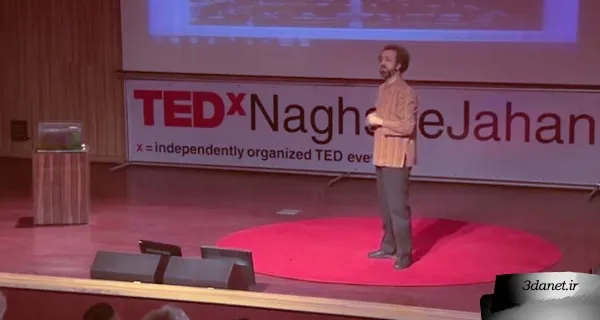
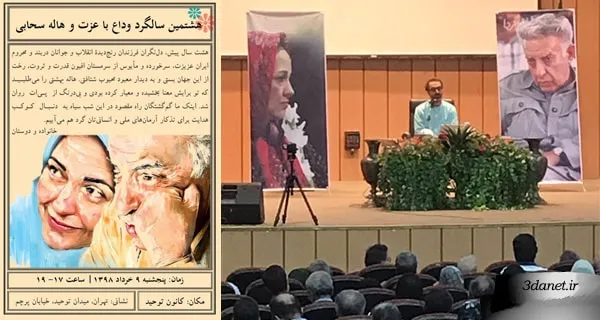
If you allow me, I will begin my speech with a joke. One day a Turk was going to work when suddenly... by the way, why a Turk? Are there any Turks here among the audience? Well, since there are no Turks here, telling a Turkish joke in the absence of Turks is far from chivalrous, so I won't tell a Turkish joke. But allow me, in honor of the patriotism of the Turks, to pour a few drops of this white dye into the water of this aquarium (the aquarium that is on stage and contains a few fish) so the water becomes beautifully colored. Now that there are no Turks here and we cannot tell a Turkish joke in their absence, allow me to tell you a Lori joke. By the way, are any of our Lori compatriots present here? We don't have any? So if no Lori compatriot is present at this conference, I won't tell a joke about the Lors either, but in honor of the zeal and fervor of the Lors, I will pour a few drops of red dye into the water of these fish. Well, surely here, at a conference in Isfahan, no Rashti compatriots are present, so I won't tell a Rashti joke either (a lady from the crowd says, "I am Rashti"). Well, so we have one Rashti compatriot here. To be honest, if we deemed it necessary to respect our Turk and Lor compatriots in their absence and did not tell ethnic jokes, it is certainly unfair to tell a Rashti joke in the presence of our Rashti compatriot. So allow me, out of respect for the presence of this Rashti compatriot, to also not tell a Rashti joke, and in honor of the Rashtis and the verdancy of their lives, I will pour a few drops of green dye into the water of these fish so the water becomes more colorful. So who is left? Kurds? Shirazis? Mashhadis? Isfahanis? Arabs? Baluchis? Do you see what a colorful nation we have? In honor of all those about whom we wanted to tell jokes and did not, we pour a few drops of various dyes into this aquarium so we have a rainbow of colors. So now that the majority of the audience are Isfahani, allow me to tell an Isfahani joke about our own fellow citizens: "They ask an Isfahani, 'Have you ever eaten anything sweeter than honey in your life?' He says: 'Yeees, free pickles.'" And another joke: "They ask an Isfahani child, 'When you open the fridge, what's the first thing you eat?' He says, 'A kick from my dad.'" Well, my jokes are finished. Is there anyone among the audience who would be willing to give me their mobile phone so I can read the jokes in their text messages? I repeat: Is there anyone in this gathering willing to give me their mobile phone so I can read the jokes in their text messages? So no one is willing, but I am sure your mobiles are full of jokes, full of various jokes. But do you know why we are not willing to hand over our mobiles? Because our mobiles are full of jokes that are of the "black joke" variety. Let us see what the types of jokes are. We have a broad spectrum of jokes that start from witticisms and continue to rumors and labeling. But in a general classification, jokes are of two kinds: one is white jokes and the other is black jokes. White jokes are jokes that, like all beautiful things, soften our lives. White jokes are witticisms that, like music, like perfume, like a fragrance, enter our minds and bestow upon our minds one of the two states of harmony or contrast, and through this give us a feeling of pleasure. In other pleasures too, we enjoy through one of the states of harmony or contrast. When a cool breeze blows in the heat of summer, it gives us pleasure by creating contrast in our sense of touch. Or when we listen to music, it creates pleasure by creating harmony in our mind and feelings. Jokes, too, create joy in us by creating one of these states in our minds. Therefore, jokes, like all other beautiful things, are a part of a normal life and have no problem whatsoever. But like all other enjoyable foods that become dangerous if they spoil, jokes too can become dangerous when they turn into black jokes. What do black jokes do? They do two things; they either shoot like a bullet and kill a personality in the blink of an eye, or they slowly settle like poison in the body of society and corrupt the blood of society. A black joke can be fired like a bullet and assassinate someone's character and destroy their entire existence in a short time. Sometimes jokes, like poison, slowly destroy the identity of society, its values, its social capital, its honors, its solidarity, its courage, and its creativity. One of the narratives about Napoleon's death is that for a period, a tiny amount of arsenic poison was poured into his food every day. After a while, Napoleon's stomach became cancerous and he died within a short time.
Black Humor: A Factor in the Destruction of Self-Confidence
What are dark jokes? Ethnic jokes, religious jokes, gender jokes, and destructive political jokes. Of course, some political jokes that can play the role of an informal media and serve as a kind of indirect messaging tool from society to the authorities are useful. But if the production of political jokes becomes aimed at destroying the personalities of a society's political figures, it turns into a harmful tool. Likewise, gender jokes are jokes through which we target the character and identity of our women and destroy their self-confidence. All tools that humans make have two kinds of functions. For example, one of the best and most important tools is the knife. If we did not have a knife throughout our lives and days, a large part of our lives would be disrupted, but this same knife can also be a tool of violence, and if a group conflict occurs, it becomes an instrument of murder. So, all good things can, under certain conditions, be used badly and turned into a tool of destruction and harm. A knife is like this, art is like this, religion is also like this. Jokes, which in principle should have positive cultural functions, are the same; for instance, they should play the role of informing, the role of indirect criticism of politicians, the role of psychological release for society, and the like, but these same jokes can turn into a destructive tool. Dark jokes either shoot at the heart of development, which is the existence of managers with self-confidence, creativity, and risk-taking, or they gradually destroy the foundation of development, which is the existence of high social capital along with national solidarity. Dark jokes do something so that we can no longer come together, cooperate, and lead the country toward development. The Connection Between Jokes and Development What does development require? Development requires several characteristics. These characteristics I am mentioning are the result of several decades of study by economists and sociologists on the development experience of various countries. For development, we need citizens, and especially managers, who possess self-confidence, risk-taking, and creativity. They must have self-confidence to enter the arena, invest, engage in activities, bring forth ideas, speak, criticize, write articles, give opinions, and in short, play an effective role. They must be risk-taking and also creative because no society develops without a multitude of entrepreneurs, and entrepreneurs are managers who are both risk-taking and innovative and creative. For development, we need entrepreneurs who make high-risk investments, investments that are slow to yield returns but create transformation when they come to fruition. These investments are usually high-risk and require innovation and creativity, but when they succeed, they create many economic opportunities. However, large and entrepreneurial investments usually require the cooperation of a large number of investors or creative managers who, in addition to innovation and risk-taking, can cooperate together over a long period, sometimes several decades, in a project, an institution, or a factory. We are one of the countries where the rate of entrepreneurship is very low and the lifespan of our companies and enterprises is very short. Unfortunately, dark jokes gradually weaken risk-taking, self-confidence, and creativity in society. Every manager, investor, or innovative individual, out of fear of being placed under the magnifying glass of rumors and jokes from peers, friends, and fellow citizens, and out of fear that if they do not succeed they will become the target of ridicule and jokes, loses their self-confidence and boldness. The Death of Public Trust Through Dark Jokes In the same vein, development requires the expansion of trust in society and between the people and the government. If we want the government's policies to succeed when statesmen announce a policy, the people must trust them. If the people do not trust the government's policies, the failure rate of those policies increases. In Scandinavian countries, when politicians say that inflation will be five percent next year, because the people trust their words, inflation becomes exactly five percent. In our country, when a politician says inflation will be, for example, 15 percent, everyone says they are talking nonsense and it will surely be 30 percent. This very conversation of ours raises inflationary expectations, and if inflation was actually supposed to be 15 percent, in practice it becomes more than 15 percent. Dark jokes destroy public trust in ourselves, in our compatriots, and in our politicians, and pave the way for the failure of useful activities and policies.
Therefore, a society can develop that has self-confident individuals, entrepreneurial and risk-taking managers, creative investors with trust and a spirit of participation, and people who have mutual trust among themselves and trust in the government. One of the things dark jokes do is destroy these characteristics.
What do dark jokes do? They assassinate characters. At one time, we began destroying one of the legends of our football history, namely Ali Daei, with dark jokes. But the English did not do this. The English revered and honored David Beckham and turned him into a symbolic asset for England; now Beckham is one of the sources of foreign currency and tourism income for the English because they did not destroy him. It is clear that Beckham's professional abilities are not tens or hundreds of times greater than Ali Daei's, but his economic income is hundreds of times greater than Ali Daei's. The foreign currency income that Beckham alone generates for England is more than the direct foreign currency income from our historical monuments. Therefore, by destroying our country's symbolic assets, dark jokes deprive us of many opportunities and benefits. In any country, symbolic assets are the main factor in attracting other types of economic and human capital. With every dark joke we produce, we destroy potential symbolic assets.
The Isolation of Women and Dark Jokes
Gender jokes are one of the destructive types of jokes. Development requires individuals with high social intelligence. Development is the product of a society whose members have high social intelligence, meaning they possess the ability for social interaction, ideation, communication, innovation, risk-taking, a spirit of participation and cooperation, and openness to criticism. The seeds of all these characteristics must be formed in childhood and at home. If our children today, who are tomorrow's activists and managers, acquire these characteristics today and they become institutionalized in them, tomorrow they can apply them in their work environment and social, economic, and political life. And these characteristics become institutionalized in our children when their mothers possess these characteristics. Mothers who lack the abilities related to social intelligence will raise children who also lack these characteristics. Why don't our women and girls dare to express opinions, criticize, or run for social responsibilities in gatherings, on the street, or in public meetings? Because they are afraid of being targeted by rumors and jokes. Our women speak less in public gatherings, do not criticize, and dare less to play roles in social arenas, because they know everyone puts them under a microscope and attacks their character with the slightest and first mistake. And this is how, by producing dark jokes, we destroy the psychological, intellectual, and behavioral infrastructures necessary for development.
Ethnic Jokes; An Epidemic
Similarly, ethnic jokes destroy national solidarity and synergy. When ethnic jokes become an epidemic or a widespread disease, all ethnicities start making jokes against each other. Persians against Turks, Turks against Persians, Kurds against Lurs, Lurs against Arabs, and this chain continues to multiply. These cause the trust of Iranian ethnic groups in each other to erode. Go and search in Isfahan and find a factory that a Turk has established; I know of none. Go and search in Tabriz and find a factory that someone from Isfahan has established; I know of none. Go and search the entire country and find a factory that was established with the cooperation and joint investment of a Turk, a Lur, an Arab, a Baloch, and a Persian; I know of none. In our country, we do not have firms and factories where large investors from across the country come together and work with each other. For this reason, the scale of our enterprises is small and the lifespan of our companies is short-term. Which private factory do we know of that has branches in all the country's provinces? Why is this so? Because national trust and cooperation among ethnic groups has not been formed. Many of our provincial capitals do not have direct flight routes to each other. This means there is no interaction between our provinces. If people travel by bus from a city in one province to another province, it is for education or visiting relatives. There is no deep economic interaction between our provinces, and part of this is due to the fact that trust, cooperation, and participation among Iranian ethnic groups towards each other has not been formed or has been destroyed, and part of this destruction stems from our historically reprehensible behavior in producing ethnic jokes.
حتی به گمانم در بلندمدت سرعت تکامل ژنهای ایرانی از سایر ملل توسعهیابنده، عقب بماند. چون تکامل ژنها از طریق اختلاط اقوام تسریع میشود و ما به علت همین مرزبندیهای قومی، ازدواجهای میان قومیتی کمی داریم. جوك سیاه ممنوع، لطفا! جوکهای سیاه از هر جنسی که باشند قومیتی، مذهبی، سیاسی و جنسیتی، یا چهرههایی را که برای آینده ما میتوانند مفید باشند را نشانه میروند و نابود میکنند یا اعتماد به نفس را، مشارکت بین اقوام را، دوستی و محبت بین مذاهب را و همبستگی ملی را نشانه میروند. بنابراین با چنین روندی کسی در جامعه ما کار ملی و فراگیر نخواهد کرد. وقتی جامعهای در تولید انبوه جوکهای سیاه متخصص میشود، نشانه بدی است یعنی جامعه دارد به دست خودش مبانی توسعهاش را تخریب میکند و برای این باید فکری کرد. البته میدانم این روحیه در سالهای اخیر به علت فروخفتگی سیاسی، اقتصادی و اجتماعی در جامعه ما تشدید شده است. یعنی مردم به علت اینکه در حوزههای دیگر دستشان بسته است و قدرتشان پایین است با این روش نوعی تخلیه روانی یا اعتراض مدنی را به نمایش میگذارند ولی متاسفانه، روش مخربی است. برای اصلاح این روند، هم باید دولتمردان دست به کار شوند و هم نهادهای مدنی و گروههای مردمی و مراجع اجتماعی. بیایید از همین جا و همین نشست شروع کنیم. بیایید به محض اینکه جوک سیاهی با پیامک وارد تلفن همراهمان شد نخست آن را پاک کنیم و یک پیامک هم برای فرستنده بفرستیم که: «جوک سیاه ممنوع. لطفا دیگر از این جوکها برای من نفرستید.» ای جماعت، جرأتش را دارید؟ اگر دارید این حرکت را شروع کنید. از همین جا باید شروع شود. توسعه از همین جا و از همین لحظه و از عزم من و شما شروع میشود. عزم ما برای اینکه خودمان را اصلاح کنیم نقطه شروع توسعه است. تا وقتی نشستهایم که دولتها ما را اصلاح کنند چیزی درست نخواهد شد. پس شروع کنیم، تحول را از پاکیزه کردن تلفنهای همراهمان شروع کنیم. در شبکههای اجتماعی نیز یک نهضت برای «پایان جوک سیاه» به راه بیندازیم و در میهمانیهایمان مانع آن شویم که افراد جوک سیاه تعریف کنند. این آزمون مهمی است برای اینکه دریابیم جامعه ما حقیقتا جامعهای توسعهخواه است یا آنکه ما هنوز استحقاق توسعه را نداریم. تهدیدی به نام خطای تركیب در پایان بگذارید نکته مهمی را بگویم. بیشتر ما احساس میکنیم گفتن یک جوک سیاه، به خودمان و به دیگران احساس نشاط میدهد. پس توجیه میکنیم و میگوییم که حالا گفتن یک جوک که به جایی برنمیخورد در عوض شادمان میشویم. اما در بلندمدت و در مقیاس ملی چنین نیست. پدیدهای داریم به نام «خطای ترکیب.» شما در ورزشگاه نشستهاید و احساس میکنید که بازی را خوب نمیبینید. بعد بلند میشوید و ایستاده بازی را تماشا میکنید. متوجه میشوید که ایستاده خیلی بهتر میبینید. آنگاه رو به جمعیت میکنید و میگویید ای جماعت اگر میخواهید بهتر ببینید از جایتان بلند شوید. وقتی همه از جای خود بلند شدند، همه بدتر میبینند. خطای ترکیب یعنی اینکه یک پدیده ممکن است در سطح فردی خوب یا مفید باشد اما وقتی در سطح کل جامعه گسترش مییابد، آثار آن معکوس و خسارت بار میشود. جوکهای سیاه وقتی یک بار گفته شوند خوبند و شنوندگان لذت میبرند، اما وقتی تکرار شد و در همه جامعه گسترش یافت مخرب میشود و مثل یک بهمن روی سر فرهنگ اخلاق و اعتماد به نفس جامعهمان آوار میشود. جوکهای سیاه همچون قطرههای رنگی هستند که من در ابتدای سخنم درون این آکواریوم ماهیهای قرمز ریختم. این قطرههای رنگی در آغاز زیبا بودند، رنگارنگ و دلپذیر. اما بعد که این قطرههای رنگ در سراسر آب پخش شد و وقتی رنگهای مختلف بر هم افزوده شد آب آکواریوم ما را تیره و کثیف و برای ماهیها تحمیلناپذیر کرد. جوکهای سیاه با جامعه ما چنین میکنند. جملات دلچسب خندهداری که وقتی تکثیر میشوند، نفرت میآفرینند. به امید آنکه روزی برسد که در تلفن همراه هیچ ایرانی شاهد هیچ جوک سیاهی نباشیم و به امید آنکه فضای جامعه ما بتواند با یک تحول بزرگ به سوی روشنی برود و ما همانند این ماهیها یکباره با دنیای روشنی روبهرو شویم. (در این لحظه، سخنران قسمت جلویی آکواریوم را که در آن رنگ ریخته بود برداشت و قسمت عقبی آکواریوم، با آب زلال و ماهیهای قرمز آشکار شد که با تشویق حضار همراه بود).
Discussion0 comments
No comments yet; let yours be the first voice.