Political Science
Morteza Mardiha: The very thing that prevented reform also prevented revolution
Blaming reformists for broken promises misses the point; people knowingly voted for modest gains. The real obstacle to change is the same for reform and revolution alike—whatever blocked reform also blocked revolution.
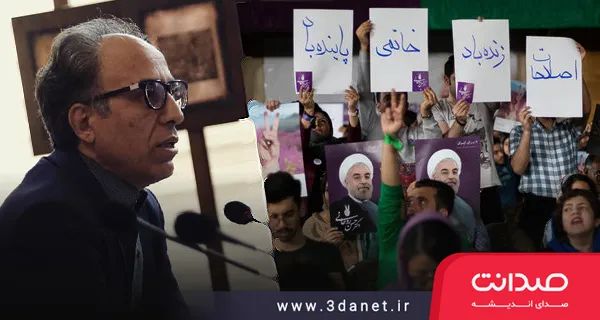
برای آنان کِی از رأی دادن پشیماناند و انگشت تحسُّر ب دندان همیگزند کِی چرا به جزای آن وفا چنین جفایی بر آنها رفت، و نیز پاسخ آوردن آنها را کِی از ماست که بر ماست!
فراواناند افراد، از عامی و عالم، که به رؤسای اصلاح بد میگویند و آنها را با اوصافی وصف میکنند که از نادان و ناتوان شروع شده، به گیج و گول میرسد، و گاهی تا دروغزن و دغلکار، و شاید حتی شریک دزد و رفیق قافله ادامه مییابد. این طعن و لعن به درجاتی هم دامن کسانی را میگیرد که زمانی به مشارکت در انتخابات ترغیب کردهاند. پرسشی طعنهآمیز هم از آنها میشود دال بر اینکه، آیا حالا دیگر فهمیدهاند که اشتباه میکردند یا هنوز هم اسیر همان خیالاتاند.
من از زمرهٔ اصلاحطلبان حکومتی نبودهام. از برخی از این جماعت، چندان دل خوشی هم نداشته، و البته خوب میدانم که از این حیث دل به دل راه دارد. ولی از آنجا که، از قضا، غیر از نیمهای از وجود آکنده از میل و خشم و تعصب و غیره، نیمهای هم از عقل و انصاف بهره داشتهام، صواب نمیبینم، چنانکه مرسوم است، این را بهانهٔ خلط مباحثی کنم که کمتر چیزی جز غوغاگری ناکارساز از آن بیرون میآید.
تا پیش از دوم خرداد ۷۶ در ایران کسی به اصلاحات فکر نمیکرد. مردم یا انقلابی بودند یا ضدانقلاب، و بخشی هم به تقریب بیتفاوت. در آن واقعهٔ خردادیه، بخشهایی شاید از این هر سه جماعت، به ویژه اکثریت خاموش، گمان بردند که شاید بشود کاری کرد، و با حِدّتی حیرتآور گرد کاندیدایی جمع شدند که بعدها به رهبر اصلاحات معروف شد. هسته سخت قدرت ابتدا کمی دست و پایش را مقابل این خیزش نامنتظر گم کرد و اندکی عقب نشست، ولی به تدریج خود را بازیافت و آفند سنگینی را آغاز کرد که اوج آن ماجرای کوی دانشگاه بود.
از نظر برخی، بهترین کار در آن مقطع این بود که رئیس منتخب با مردم بیپرده بگوید که قصد داشته بهبودهایی صورت دهد و نتوانسته، چون نگذاشتهاند، بنابراین راهی ندارد جز استعفا. یا لااقل دور بعد نامزد نشود. اما (امایی که مهم است) بسیاری از مشاهیر خیرپیشه و نیکاندیشه با این نیامدن در دور بعد مخالفت کردند. و البته آنها در این عقیده تنها نبودند، انبوه چند ده میلیونی ما مردم هم گویا همفکرشان بودیم. این را بعداً شمار آرا نشان داد.
بسیاری پرچمدار بیپرچم را به نامزدی مجدد تشویق کردند. چرا؟ بعید بود بعد از ماجرای کوی دانشگاه کسی هنوز چندان غافل مانده باشد که گمان بَرَد میتوان پشت رئیسجمهورِ اصلاحخواه جنبشی اجتماعی شکل داد و پیش برد. قدرت اصلی مستقر نشان داده بود که در سرکوبِ ساکتسازِ هر تقاضای تغییری تردید به خود راه نمیدهد. لهذا کسی به درستی ندانست چرا خاتمی نباید میرفت، یا باید دوباره میآمد؛ باری، گویا این احساس بود که بالاخره کاچی بهتر از هیچی است. یا به تعبیری فلسفیتر، با الهام از دکارت، بدترین رئیسی که در عرصه باشد بهتر از بهترینی است که نباشد. اما گویا چنین نبود. چون دور دوم ریاست ایشان به شکل بدی سپری شد: انتظاراتی که ایجاد کرده بود برجای بود و او حتی دیگر حرف چندانی هم در آن مسائل نمیگفت چه رسد به عمل؛ که البته در ید قدرت او نبود.
از انتخابات ۸۴ بگذریم. پرسشی مهم این است که هجوم انفجاری مردم به سمت کاندیدای اصلاحطلب در سال ۸۸ با چه نیتی بود. چه کاری بود که از خاتمی برنیامد و از او ممکن بود برآید؟ هیچ! اگر هم کسانی قولهایی داده بودند، به مصداق "شنونده باید عاقل باشد"، مردمی که دور دومِ رئیس دولت اصلاحات را دیده بودند باید میدانستند که لازم نیست حتماً کاندیدایی دروغگو و دغلکار باشد تا حرفهایش در مرحلهٔ حرف بماند، بلکه کافی است ناتوان باشد. پس چرا آن هجوم برای رای، در ۸۸، آن هم به چنان نامزدی که خود سابقهٔ بیپیرایهای نداشت؟ هجوم رأیدهندگان دلیلی نمیتوانست داشته باشد جز چیزهایی که کسی نبود که نداند:
نخست- استفاده از این فرصت برای ارسال یک پیام: اظهار مخالفت صریح با سیاستهای کلان؛
دوم- سپردن درصد اندکی از کارِ مُلک به اصلاحطلبان، تا اگر اوضاع بهبودی نمیگیرد لااقل چون ۸۴-۸۸ چوب حراج و تاراج با آن سرعت بر همه چیز نخورد. و روند ویرانی ملک سرعتی چندافزون نگیرد.
سوم- باقی ماندن در عرصهٔ رأی، که، بهرغمتمامی سُکُ و سوراخهایش، باری به هرجهت حسی از حضور القا میکرد.
We all know the story of that election. Anyway, what happened four years later? In 2013, you, the now-regretful voters, what motivated you to vote for Rouhani? Presumably, for the same two or three reasons we mentioned above. The same story repeated itself in 2017. Those who think the reformists made them a promise and failed to deliver, and are therefore traitors who have swindled them, would do well to judge their own caps first. We all know what is going on, but it seems that, to escape psychological pressure, we like to finally take it out on someone. Since we cannot get at some, let us not, for the time being, begrudge those we can.
These presidents (and their teams) may well have been guilty of all sorts of shortcomings, deficiencies, errors, and even selfishness, lust for power, factionalism, and self-serving expediencies, and, especially, negligence even in the formal expression of certain rights, and for these reasons they may well deserve the people's aversion; yet there is no evidence that, in the direction of an overall change of course or the serious repairs and restorations so often spoken of and demanded, anything significant was within their power and they withheld it. At most, we might ask: if they could not achieve anything, why did they come forward at all, why did they make false promises, why did some urge people to vote? This may be a valid question, but it is also a question for us, the people. We who knew they could not accomplish much, why did we bring them to power?
In these past few elections where people rushed to the ballot boxes, it was not because someone had deceived them, and now that they have realized they were swindled, they lament and curse and rebuke others for having fooled them. People participated because this participation, while costing them nothing, held the possibility of a small benefit. Of course, the prospect of benefit was not great, which is why voting became an instance of "a free stone for a free sparrow." When there is no serious cost (of life, property, time, or reputation) involved, even if there is little hope for improvement, we usually still prefer doing something to doing nothing. Partly because it keeps us occupied for a while, and partly because we might think a small probability is better than no probability at all.
Those who disrupted this reasoning, and in this struggle some gave their lives, thought that the method of reform and voting was a ruse, and that what could not be achieved peacefully would be achieved through conflict. Whereas the reason for the impossibility of both reform and revolution here is one and the same. The very thing that prevented reform also prevented revolution. So all this talk about some reform-seekers having deceived the people, and instead of the straight path of frankness and decisiveness, having stalled them with an impossible reform and led them astray, is a misguided statement.
But as for the fate of the upcoming elections in Iran, it is clear. If the situation remains as it is now, the hypothetical reformist candidate (if any) will stand no chance. Because it seems that, in the people's view, the degree to which the overall political system benefits from a broad electoral participation now outweighs the minimal hope for change that might be achieved through holding the limited power of the government and parliament. Not to mention that what happened recently blew away even the last remnants of many fond illusions.
The current government, to be somewhat fair, is not far from being detested; yet let us not forget that it was not the decision-maker in undertaking the JCPOA, nor in the other side's withdrawal from it. One reason the people have become disenchanted or disillusioned with it is that the limited power the government did have was in the financial sphere, which is now gone because there are no finances. Another is that the hard core of power's insistence on advancing its own policy despite all opposition has reinforced the feeling among the people that petty, small-scale expediencies, even if they yield a small benefit, are no longer worth it. Here, perhaps a feeling akin to honor and pride takes precedence over the calculation of interests in its conventional sense.
Party-affiliated reformists in Iran are not a normal party with competitive power. All three sides—them, those, and us—know this. They are not even subject to the rule of bad, worse, and less bad; they are simply like elders who negotiate not to draft a peace treaty but to arrange the terms of surrender. They are representatives of prisoners who make proposals to their jailer to arrange slightly better conditions of confinement; proposals that are often rejected with contempt, and sometimes a small part is accepted with contempt. This is very humiliating and painful (to the extent that one might be justified in dying of grief from the pain), but this choice is also in the hands of the voters to say that one can be pragmatic up to a point, but if the humiliation exceeds the limit, "let the flood of sorrow come and sweep the house from its foundation." Something that a vast majority of former voters seem to be doing this time.
The decision on whether voting and conveying a message of opposition is beneficial, at least from a psychological perspective, and whether minimal pragmatism in optimizing the country's situation is feasible, and, especially, if it is, whether it is worth this level of humiliation, depends on the morale of each individual voter and the general state of the country, particularly economically. That is why we might face conditions similar to '84 this time. This has nothing to do with the betrayal of the reformists or an assumed mistake in voting. There was no mistake in electoral participation, because it was not possible, and probably would not have made a difference. Of course, some behaviors and stances of reformist leaders may have caused resentment (sometimes deep resentment), with which one must certainly empathize with the aggrieved, but this is not a confirmation of being fooled in voting regarding the truth or falsehood of electoral promises.
Yes, that is how it was! We did not cast those votes in the hope of believing in the possibility of realizing the slogans. Electoral exaggeration is like poetic exaggeration. Sometimes its cause is a fondness for the slogans more than a belief in the possibility of their realization. The fact that some indiscretions, at least in the manner of speaking, from the president himself to his eclectic team, were later added to it, does not make much difference to the core of the matter.
Pre-editorial
I wrote this note about two months ago, before the recent events. I gave it to a friend to read. His reaction was a bit of a frown and silence. I understood that even if it contains a reasonable point, saying it is not quite proper, for many a true word may offend even good people.
Then, as another link in the chain of events of these decades occurred, the impropriety of such statements increased. I sheathed it. Improper not in the sense of being incorrect, but because, from an emotional perspective, there might not have been a receptiveness to it. Perhaps there still isn't. Many times I decided to let it go, and I didn't. Many times I made minor edits aimed at offending the target audience less. Ultimately, this is what came out.
.
.
Morteza Mardiha: The very thing that prevented reform also prevented revolution
Author: Morteza Mardiha
.
.

Discussion3 comments
1.نخست اینکه شما دکتر جان سالها پیشتر از آنکه اصلاح طلبان اصطلاحی به قد ت برسند، از مبارز انقلابی مدافع نطام که گاه غبطه بحال همشهریان خود که در هر خانواده گاه تا سه شهید تقدیم انقلاب_یا به تعبیرشما هسته سخت قدرت_ کرده اند،، می خورد،، به شخصیتی که مبارزات پیشین خود را حرکت در بستر جهالت می خواند، تبدیل شدید. این بنده خود این سخن را از شخص شما شنیدم. پس ما و شما میدانیم که تبری جستن شما از تمایلات اصلاح طلبانه مزاحی بیش نیست. 2.به همان علت اصلاح طلب بودنتان حوادت کوی دانشگاه را چنان صورتبندی و تحلیل نمودید که هم دامان دولت و وزارت کشور اصلاح طلب وقت از هر تقصیری مبرا گردد وهم مقصر واقعی هسته سخت حاکمیت به تعبیر شما وانمود شود، حال آنکه اگر منصف باشید از آن حادته خوانش های متفاوتی شده و می شود که گمان ندارم شما از آنها بی خبر باشید. 3.باز هم متاسفانه سوگیرانه برای اینکه بر دامن کبریایی اصلاح طلبان خدای ناکرده گردی ننشیند، از هسته سخت کذایی غولی می سازید که امید بردن هر گونه اصلاحی از آن بیهوده است، در حالی که باز بخوبی میدانید که منش ودأب آن هسته سخت و در راس آن رهبری نطام با تمام دولتهای سر کار آمده باز گذاشتن دست آنان وحمایت از انان در عمل کردن آنچه مصلحت می دانند بوده است_از این حیت احمدی نزاد و خاتمی و روحانی از دید رهبری تفاوتی نمی ک ده اند. پس ضمن جلب توجهتان به سخنان آقا مهدی درکامنت قبل_توجهتان را به امری جلب میکنم که همه مردم در این سالهای پس از 68 و حتی قبل از آن در حیات امام بدان واقف بوده اند و آن این است که متاسفانه دولتهای متصدی امور در هر دوره ای در عین اینکه بیشترین آزادی عمل را داشته اند ولی راحت از این چیزی نمی یافتند که بگویند دستهای پنهان، دولتهای قبلی یا هسته سخت یا انتصابی قدرت مقصر در همه مشکلات بوده اند و ما کاره ای نبوده ایم. عجیب است که از شما هم که دستی از قبل در این امور داشته اید به زبان کنایه و تصریح همین بهانه مندرس شده شنیده می شود. جناب مردیها انصاف حکم میکند که چشمان خود را از تعصبات جناحی برای یکبار هم شده بشویید و نعل وارونه نزنید که مردم آگاه تر از آنند که از ورای ظاهر این الفاط انگیزه های گویندگان آن را نشناسند.
مسئله مهم نه تشدید شکاف حکومت و ملت ، نه فرسایش ایدئولوژیک حکومت ، نه جابه جایی نسلی در لایه فرازین ساختار سیاسی ، نه وجود مدعیان درنده جانشینی ( که حفظ وضع موجود را روا جلوه می دهند ) ، نه آمادگی یورش طماعان دور و نزدیک بیرونی ... ؛ بل که فراتر از این هاست . تا آن جا که به فرهنگ سیاسی غالب در ایران برمی گردد ، همه طیف های موجود و مدعی در سپهری سیر می کنند که برای درک رخدادهای ژرف اجتماعی نارساست ؛ به عبارت دیگر ، واقعیت تغییر کرده است اما اندیشه و درک مردم از تغییرات همپای آن رشد نکرده است . از این رو است که همچون رعایا ، خواهان منجی هستند ، می خواهند یکی بیاید و کاری بکند ، نمی خواهند بپذیرند که ملت مالک و صاحب کشور است و تک تک مردم در مقام صاحب ، موظف به دخالت و فعالیت هستند ؛ نمی خواهند مسئولیت شهروندی را پذیرا باشند و قبول کنند که خاتمی و روحانی و نمایندگان مجلس و اعضای شورای شهر و... فقط به اتکای شهروندان با پرنسیب و مطالبه محور و کوشا می توانسته اند و می توانند عامل تغییر مطلوب باشند . توجه به سیاست در ایران فراگیر و عمق بینش سیاسی مردم اندک ، و پایبندی به همان درک سطحی هم کمیاب است .
همه داستان به مخالفت هسته سخت قدرت برنمی گرده.اصلاح طلبان و حسن روحانی در مساله حقوقهای نجومی نشون دادند که نمی خوان یا نمی تونن دور و بری های خودشون رو هم سالم نگه دارند و روی اونها نظارت داشته باشند.دیگه هسته سخت قدرت که نگفته بود حتما باید حقوق نجومی بگیرید وگرنه می فرستیمتون اوین.جالب اینکه همه نجومی بگیریان حتی بعد از علنی شدن داستان، هنوز بر صدر نشسته اند و قدر می بینند. اگر اصلاح طلبان و دولت فعلی تا مرز مقدورات و تواناییاشون پیش می رفتند، مردم انقدر ازشون عصبانی نبودند.