Sociology
The Forced House Arrest of Professors
As the president promises to open up the public sphere, the Ministry of Science has declined to renew the contracts of several university professors. Officials cite academic inadequacy, but the sidelining of critical faculty calls that claim into question.
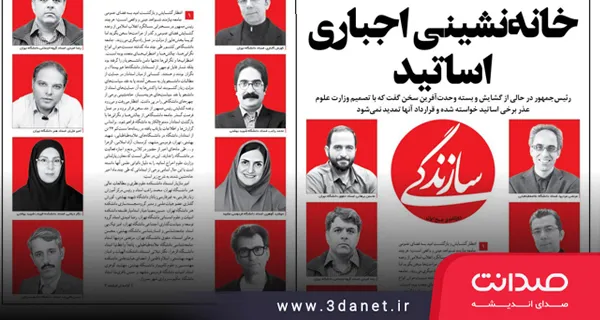
The Forced House Arrest of Professors
Sazandegi Newspaper No. 1376, Tuesday, 14 Bahman 1401
While the President spoke of an opening and a unifying closure, by the decision of the Ministry of Science, some professors have been dismissed and their contracts are not being renewed
1. The expectation of an opening and the return of hope to the public sphere of society requires objective and tangible evidence; although the President, in his speech on the anniversary of the Islamic Revolution, spoke of the promise of opening the public sphere and moving past the wounds, it seems that some parts of the government are taking a different path in practice. The country's academic community has been subject to various worries, challenges, and anxieties over the past few months. The anxieties and worries have not only affected students but a significant number of university professors have also been and remain fearful and concerned. Some among the professors spoke out in support of students' demands or criticized government policies, but the reactions to that support of professors for students or the critique of costly policies led to the house arrest of some academic figures. It was and is expected that the President's promise of an opening would go beyond mere words and, in practice, the opportunity for the academic community to move past the challenges and worries would be provided by the return of banned professors to the university.
According to reports and information reflected in the media, at least 24 university professors at Allameh Tabataba'i, Shahid Beheshti, Tehran, Ferdowsi of Mashhad, Kurdistan, Islamic Azad, Alzahra, and other universities have been banned from attending classes and are not permitted to work at the university in recent months. This is while the Parliamentary Deputy of the Ministry of Science has attributed the dismissal of professors to their scientific incompetence; however, the names of some of the professors who have been placed under house arrest in recent months are as follows:
Amir Maziar, professor at the Faculty of Theoretical Sciences and Advanced Art Studies, University of Tehran; Mohammad Ragheb, professor and head of the Persian Language Teaching Center for Non-Persian Speakers, Shahid Beheshti University; Kourosh Golnari, faculty member and director of the Sculpture Department, Faculty of Art, University of Tehran; Hossein Mesbahian, assistant professor of Philosophy, Faculty of Literature and Humanities, University of Tehran; Reza Omidi, professor in the Department of Social Development and Policy, University of Tehran; Amir Nikpay, professor of Sociology and Anthropology, Beheshti University; Mohsen Borhani, professor of Law, University of Tehran; Morteza Mardiha, professor of Sociology, Allameh Tabataba'i University; Pantea Vaeznia, professor at Alzahra University; Negar Zilabi, professor at the Faculty of Theology and Religions, Shahid Beheshti; Islam Nazemi, faculty member of the Faculty of Engineering and Computer Science, Beheshti University; Mahshid Gohari, professor of Literature, Ferdowsi University of Mashhad; and Hassan Bagherinia, professor at Hakim Sabzevari University in Sabzevar.
Also, in early Bahman, 9 professors from the Faculty of Political Science at the Islamic Azad University, Central Tehran Branch, reported their sudden and unexplained retirement and criticized this action in a statement. The Islamic Azad University professors who were placed under house arrest under the title of retirement are as follows:
Sousan Safaverdi, Ali-Akbar Amini, Dr. Sajedi, Alireza Radmehr, Hossein Tafazzoli, Didokht Sadeghi, Mohammad-Ali Khosravi, Malektaj Khosravi, and Bijan Nayeri.
The Islamic Azad University professors, in reporting their situation, had stated: "We, 9 professors of the Faculty of Political Science at the Central Tehran Branch, were left in shock by a phone call from the faculty dean's office announcing our retirement. Without any prior notice, we were told to report to administrative affairs and carry out our retirement formalities. Our courses for the upcoming semester, which had even been announced in the system, were removed, and the treatment was such as if we had never existed and whenever the system wills, it is immediately capable of erasing us from the scene."
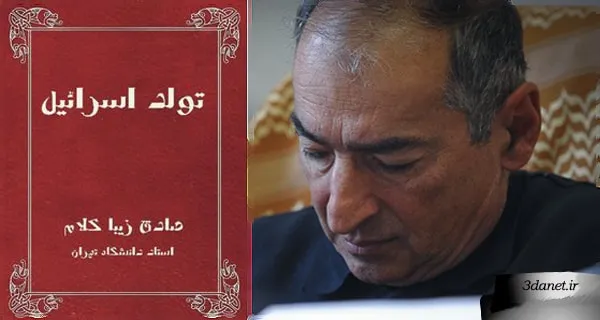
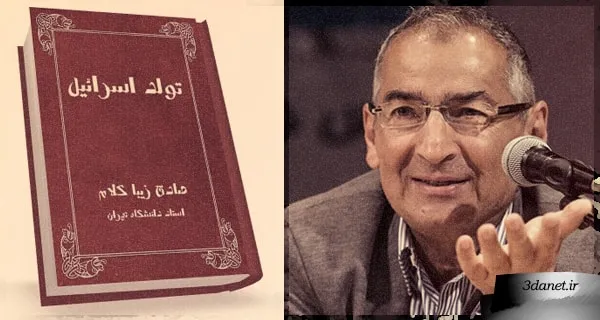
2. The list of professors who are no longer permitted to attend classes or enter the university is very long and extensive. The history of preventing teachers from attending university classes can be traced back to the years of the Cultural Revolution and the late 50s and early 60s (Iranian calendar). Over all these years, Iranian universities have faced several waves of professors being removed from classrooms; examples include the prevention of professors from teaching at the beginning of Mahmoud Ahmadinejad's administration, as well as in 2009, influenced by the protests that took place that year. The new wave of preventing professors from attending classes began a year ago with the dismissals of Mohammad Fazeli, Bijan Abdolkarimi, and Sadegh Zibakalam. This trend has accelerated in recent months, influenced by the protests of the summer and autumn of this year. The main common characteristic of the professors removed from the teaching and university environment is that most of them adopted critical stances in their classes or on official and virtual media platforms regarding the government's economic, social, and cultural policies. Responsible officials in the Ministry of Science, Research and Technology, universities, and other centers refrain from explaining and describing the prevention of professors from attending classes and the university environment using the term 'dismissal'; they use descriptions such as suspension, end of cooperation, 'completion of the contract term,' and the like as terms for preventing university professors from working. However, using any description for preventing university professors from working does not change the nature of the problem; the fundamental issue is that, by any description or explanation, professors are being confined to their homes and are not allowed to return to the university or attend classes. On the other hand, responsible officials cite administrative mechanisms and sometimes lack of academic qualifications as the reason for the removal of university professors. For example, in the most recent reaction by responsible officials to the house arrest of university professors, Morteza Farrokhi, the Legal and Parliamentary Deputy of the Ministry of Science, Research and Technology, claimed in a speech: 'If cases of professors being dismissed are raised, the reason is academic incapacity and failure to obtain [promotion] ranks within the stipulated time. According to the employment regulations for faculty members, if a professor faces [academic] stagnation, the university is obliged to give them an appropriate opportunity; then, if the professor's academic stagnation continues, the university must terminate its cooperation with them. Available information indicates that the termination of cooperation is due to academic issues.' The Deputy Minister of Science speaks citing the academic qualifications of professors and claims the reason for the house arrest of dozens of university professors is an academic matter, while the academic realities and research records of the dismissed professors indicate their commitment and dedication to knowledge and their academic standing. The professors' academic research, in the form of books, articles, and guidance and supervision of postgraduate theses, is publicly available, and this claim can be easily examined and verified by everyone.
Another issue that raises doubts and creates suspicion among the public and the academic community is this: if the claims of the responsible officials in the Ministry of Science, Research and Technology and the responsible officials in the country's major universities are true, and, in their words, the house arrest of university professors is unrelated to their critical stances or their support for the legitimate demands of citizens and students, how is it that, simultaneously with the days of people's protests, they saw fit to determine the contractual status of university professors?
3. Another aspect of the transformations at the university in recent months concerns the decisions and actions of professors who, influenced by student activities on campus, have resigned from teaching or made the continuation of their work conditional on the release of detained students. If we were to add to this list and register the professors who, of their own volition and will, influenced by the protests, left teaching in support of students' demands, their names would undoubtedly be even more numerous. Regardless of whether professors have become housebound by their own choice and will or due to criticizing government policies, the fundamental issue is that each of these professors has toiled and striven for years in the field of knowledge and learning, and their absence from the university environment inflicts enormous losses upon the country's academic sphere. Even if we look at the developments that have taken place in the university and the country's academic sphere through a cost-benefit logic, the good and benefit of professors returning to their classrooms is undoubtedly far greater than their house arrest due to a critical perspective. Perhaps some within the country's managerial currents view criticism as a cost, but even if we accept, with this same assumption and through the lens of specific political currents, that criticism is a cost, the cost of criticism is undoubtedly far less than the benefit of the presence of all professors in their classrooms. Finally, we emphasize that with the news of each professor's house arrest, a wave of support from academic associations, global university institutions, student organizations, the media, and public opinion arises for the housebound professor or professors. Given the high social capital of university professors and the respect they command in public opinion, the return of housebound professors to the university not only effectively contributes to strengthening social hope and accelerating the opening of a more open social space but also allows the institution of science and knowledge to benefit more than ever from the harvest of professors' knowledge and learning.

Discussion2 comments
در این سرزمین ، دیرزمانی است که هر که " اناالحق " گوید ، بر دار می شود . گویی ، زبانِ حقیقت ، زبانی است که هر گوشی توانِ شنوایی آن را ندارد ...
من خبری از موارد ذکر شده در این نوشته ندارم. طبق آن چه در گذشته ذکر کرده ام نیز باور دارم که له و یا علیه موضع بیان شده در مقاله فوق نیم توان سخن گفت. بیان فوق یک جنبه و یک موضع ممکن است. می دانم که فضای رسانه ها تحت حاکمیت نگاه pro-west است. اما با توجه به هراسی که رسانه و دانشگاه سعی دارد در دل مخاطبان ایجاد کند، هواداری از آزادی نظرات آشنا با نحوه strangulationism دانشگاهی و ژورنالیستی و sensationalism مجبور کردن احاد جامعه به طرفداری از آن چه دموکراسی و سکولاریسم استبدادی در غرب است آن چیزی است ایرانی ناآشنا با رسانه شاید جرأتش را نداشته باشد . بنابراین این یک وظیفه آزاداندیشی، آزادی طلبی و مبارزه با فاشیسم حاکم در جامعه لیبرال برای همه اندیشمندان است. افشاگری علیه فاشیسم سکولاریسم و دموکراسی ادعایی که بر گرده جهان سنگینی می کند اکنون شناخته شده و این وظیفه کار خود را کرده. بر کنار گذاشتن اسایتد دانشگاه و حتا دیپورت کردن آن ها در آمریکا صورت گرفته و می گیرد. نگاه ناآشنا اما عاشق ارزش های مدرن نمی تواند انتظار داشته باشد که آن چه در stronghold خودش با دلایل سست انجام می شود در نقاط دیگر جهان که مورد conspiracy و تهدید مداوم است صورت نگیرد. از هر چه بگذریم، جامعه شرق که ادعایی در این مورد ندارد. این فرهنگ مقابل است که مدعی است اما چارلی چاپلین را بخاطر یک پرچم سرخ که اتفاقی در یقه او گیر کرده از خاک آمریکا دیپورت می کند.