Sociology
Didar News Interview with Mohsen Borhani: Learning, Raising Awareness, and Demanding People's Rights
Mohsen Borhani argues that the path out of crisis lies in bringing law into everyday life, demanding rights, and legal awareness; he believes society must use the law to stand against the state's unlawful conduct and defend its own rights.
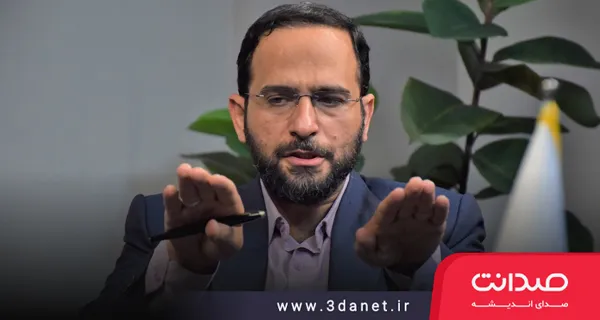
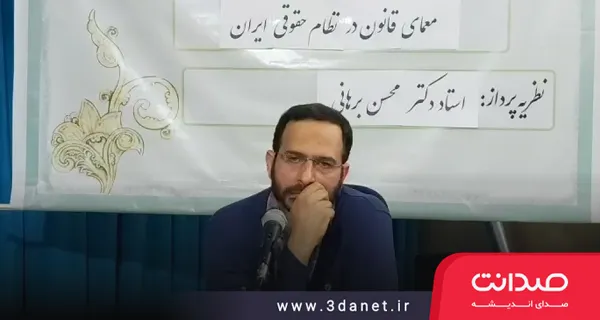
Dr. Mohsen Borhani is a familiar and renowned name for society and audiences in the virtual space; during the events of 1401 (2022), he was one of the serious critics of the government's treatment of the people; he was a guest of Didar News on one of the last days of Tir.
Didar News—Nasrin Niknam: Familiarity with the law and demanding rights was one of the key and central axes of the conversation with Dr. Mohsen Borhani; he believes that if people make an effort and become more familiar with what their rights are, in many situations they can overcome crises, meaning they must prioritize demanding their rights.
.
.
Watch the video of Part One of this conversation on YouTube
Watch the video of Part Two of this conversation on YouTube
.
.
Dr. Borhani, what made the statements and content that Mohsen Borhani shared on Twitter and in various places last year attract so much attention, and why did people react to his words? Do you think the things you said then, and which continue, were exactly what people wanted, and that is why they were heard?
I cannot say that this came about because I voiced their words. Perhaps one of the main reasons was that, in a social event, rights and law emerged from their showcase state and connected with people's ordinary lives. People saw that, based on these very laws which are understandable, they have rights and can demand them, can criticize the government, and can understand whether or not they have rights. In a way, this social event and the statements that I and other professors made caused law and rights to seemingly enter people's lives. From that highly specialized state discussed in law faculties and expert meetings, society came to the realization that a part of law and rights is current and flowing in their lives, and they felt this. My perception is that perhaps the reason for this matter was that people saw they have rights they were not familiar with, and by becoming familiar with these rights, they can avert many harms and certain incidents from themselves, and based on these same rights, they can also be demanding. The points I raised could bring rights into people's lives.
And if these events had not occurred? As before, many people would not be familiar with their rights. People's awareness of their rights and their demands is among the duties of the government; the government must provide this platform for public legal awareness. However, it seems that such a concern does not exist in official media, and many people's perception is that they essentially have no rights against the government. It is as if the relations that existed from the beginning of the formation of the modern state in Iran in the early 1300s (1920s)—the relationship between the people and that patrolman, gendarme, or the person who wanted to establish security in that area, where people were in absolute submission to him—apparently this social perception still exists. It is not the case that just anyone has the right to arrest people, or that just anyone has the right to enter people's private sphere, question them, contact them, summon them; we do not have such arbitrary intrusions into people's privacy. These actions only take place through the execution of judicial authorities, and this happens in a very specific way. But it seems there was this social perception that everyone has the right to detain, seal, and say 'come and give a commitment,' which is something we do not have in law and rights.
Regarding the event that happened last year, perhaps the subject and the reasons for its occurrence were more different than the events of 98 (2019), 96 (2017), or 88 (2009). But back then, too, regarding the realization of rights and people becoming aware that the judiciary or law enforcement cannot just contact and summon a person to come—why was this awareness not given to the people during that period? Perhaps if this awareness had been given to the people then, different events would have occurred last year?
In my view, it is exactly what you are saying; in my opinion, we must move past this stage so that people's awareness of their own rights, their demanding of those rights, and the prevention of encroachment upon them can occur. We must know that whenever this awareness falls behind, people suffer more. If this had happened sooner, we would certainly be one step further along in the process of legalism, adherence to the law, and the trial of the governing authority by a people committed to the law.
In my view, the particular event that occurred in 1401 (2022), due to its extraordinary scope across the entire country, was, as a rule, a widespread violation of rights. The media reflected this issue more, and people became involved with their flesh and blood. For this reason, they said, now that our child or friend has been arrested, summoned, and is in detention, what should we do? And then society reached a degree of awareness: what tools do I have now?
But society has no tools except the law. We must accept that this current of legalism and demanding is about this very existing law. The point is that there is a law, I have rights, and the governing authority must observe these rights. And if it encroaches upon my rights, I will use my own tools, which the law itself has given me, within the legal mechanism against you and demand my rights. Because you do not have the right to shut down anything, summon anyone, and disrupt people's lives.
But these events happened, these summonses were carried out, and these irrational punishments occurred
because we have not learned the way to confront them. In several instances, I have practically taught people that if such an event occurs, you can file a complaint and you can argue: by what right did you summon me or by what right did you shut it down? The growth of legalism and the enactment of law in a country requires a collective effort and a public will to be realized by a segment of the people, and for people to invest time, saying, 'I want to stop an illegal procedure.' For example, fundamentally, no one has the right to search anyone's vehicle. If you tell people this, they are surprised, asking, 'Is such a thing possible?' The vast majority of checkpoints are illegal. We have a ruling from the Administrative Court of Justice stating that a search is only possible with a specific judge's order, meaning, for example, the judge says, 'Search Mr. Borhani's car,' not to search every car. Now, they stop our car on the street, and anyone says, 'Open the hood,' and people say, 'Yes, sir,' and so on...
People must accept that to establish legalism in Iran, we also need to be somewhat persistent, to become familiar, to demand, and to pursue instances where the law is violated. Now, in some places, a person has been unjustly beaten and has hired a lawyer or pursued the matter themselves, found the one who caused the harm, brought them to court, and had them punished. For us to say, regarding our rights, 'We don't have the patience' or 'Securing our rights is impossible' is a mistake.
In a partial affirmative sense, people have seen what things are possible, and this is a suitable ground. Legal demand and the defense of individual and social rights is the only ground. What sense does it make that a headquarters is formed and issues orders to shut down and collect? Why does no one file a complaint? No headquarters is a legislator, nor does it have the right to legislate. I want to say that we can, in the legal arena, have an appropriate demanding of rights to protect our own rights and the rights of others. Why? So that three years from now, we can say we have moved 10 steps forward, we have fulfilled our social duty, but other individuals will take these 10 steps and make them 20 or 30 steps. Through this, a society gradually becomes law-abiding, where no one, especially from the governing authority, would want to violate our rights. (If I violate against you, you file a complaint against me.) Where does our problem lie? Our problem lies where people's rights are violated by a part of the governing authority. Here, people imagine they have no rights at all. On the contrary, demanding rights and pursuing them is precisely here, and wrong procedures take shape here, and it is here that we must solve the problem.
Don't people have the power to do this? Why wouldn't they? It's a matter of filing a complaint, following up, stating the reasons, and demanding. A few days ago, an ordinary citizen in the northern provinces filed a petition, and with their lawsuit, obtained a ruling from the Administrative Court of Justice annulling a deputy president's decree, and it was proven. The same thing could happen for several other decisions. Often, some criticize me, saying, 'Should we appeal to the judiciary?' They have a negative perception of this. The judiciary is full of independent judges. Criticizing some rulings does not mean criticizing the entire judiciary. The judiciary is full of independent judges, where an individual goes to demand, complain, and take action. If these actions, demands, complaints, and petitions increase, can anyone resist this flood? After that, people also become aware, and as soon as people become aware, that part of the governing body that wants to violate people's rights becomes cautious, realizing that these people are informed. So they go and say, 'Where is your judicial order? By what order did you summon me?' It shouldn't be that whenever someone comes to our door and wants to search our house, we hand over our home, life, and car to them.
In the new bylaw that the head of the judiciary issued for law enforcement officers, one of its articles explicitly states: you entered people's homes with a warrant to search for coins and dollars; you went and searched people's homes, so why are you confiscating and reporting alcohol bottles? Why are you taking their satellite receiver? Where was the root of this statement? The root of this statement was in Imam's eight-article decree. Why didn't we demand it? Ask, 'I must see your warrant.' If everyone did this, they could no longer carry out such actions.
We must stand somewhere, spend time, and get our nerves frayed to take a step forward. We must become aware. Did we say everyone must become a jurist? But the articles that are involved in people's lives are 40 to 50 articles. Learn these few articles so that if someone aggresses against us, you can stand up to them, seek justice against their aggression, and ask, 'What is your warrant? Why did you seize it and why did you close it?' A part of the law is completely technical; the complex matters are for judges, lawyers, and professors. But what pertains to our lives, the things that are supposed to protect our rights, freedoms, and property against the governing body, are these very 40 to 50 articles. We must spend time, read them, and follow up. Then, the one who wants to aggress will say, 'These people know their rights and will cause trouble for us.'
In the matter of the Guidance Patrol, for a long time, we saw them in various parts of the city, and people had come to the conclusion that the Guidance Patrols must exist and that people must observe what they said. Mostly on Thursdays, the police force or Basij would stay around the city and inspect people's cars. I think the conditions that the governing body created for the people made them think that following these behaviors and their demands was correct, and they didn't know the law and didn't pursue the correct law.
As a rule, a part of the governing body wants to have a free hand, which is why it prevents awareness-raising. But people want to know whether they have the right or not. It was in the late 70s [late 1990s] that the Administrative Court of Justice issued a ruling and the police force issued a bylaw that annulled the right to search cars and stripped them of this right, making it possible only with a judicial warrant. Where a judicial authority orders it, it must be done. But being summoned by a phone call from somewhere is not correct. Am I supposed to go just because someone calls? By what right did you summon me? Which branch authorized you? One must only be answerable to a judge, prosecutor, and judicial authority, and that too after an accusation has been directed at us. But our people are mostly like this: they go when called from anywhere. Should you go just because someone from a building called and asked you to? Perhaps the person is a kidnapper? Why don't we want to understand this simple logic? A summons is carried out through the Sana system with a deadline for appearance. People must become familiar with their rights, and they say, 'If we don't go, they will take us.'
Who should teach this familiarity? The government and the IRIB should have taught it, but they did not. How many legal programs do we have on the IRIB about these rights? There are a few programs just talking about divorce—that is also good—but the IRIB must teach me how to speak up for myself against you. You tell me, when an officer confronts me, what rights do I have? When I am summoned, what rights do I have? When charges are explained to me, what conditions and stipulations apply? If someone grabs me on the street and hits me unlawfully, what should I do? If I was walking down the street and someone forcibly took my phone, what should I do? These are things the government should have taught, but for whatever reason it did not, and the IRIB did not teach them either, so what is our duty? We must learn; we ourselves must have compassion for ourselves.
No one has the right to search our pockets or our car. What right do they have to ask us where we are coming from? I want to say that those relations that existed at the beginning of the formation of the modern state, when there was a guard somewhere and someone passing by would be afraid, no longer exist. That is not the news now; we have laws, and they stand by the law, make demands, respond, report, and I pick up my phone, record, and ultimately file a complaint. I want to act according to the law and I do not want to break the law. In my opinion, we must resolve this issue for the people.
But they say that filming and recording audio is not very reliable as evidence and cannot be relied upon? No, it is among the evidence that brings knowledge to the judge. What other evidence do I have? Do I have a witness or a recording? Now, independent media must create this concern among the people, to teach them their rights and the method of lawful demanding. And this demanding certainly has a cost. What have I said other than rights, law, and jurisprudence? All my tweets are about law and jurisprudence, and this does not suit the taste of some. I cannot just stand by and watch the rights of the people of my country being violated, knowing that this act is incompatible with a certain article, and just stand by watching the rights of dozens of women and men be violated.
One of the criticisms leveled at me is: why should these matters be spoken of in the social sphere? So where should they be spoken of? Should we speak in specialized circles and in whispers? When I issued criticisms regarding some death sentences, parallel to my statements, some professors sat in debate sessions at certain universities and agreed that these sentences were not correct. What effect did that have? At that same time, I wrote something and said, how is it that those who execute and flog, and even express their words from the pulpits, have no problem, but we, who are critics, must speak in each other's ears and in private meetings lest, God forbid, society be disrupted? Therefore, you speak as well. If we are not to speak, then let no one speak, because now they say this person is disturbing the psychological security of society. Expressing jurisprudence and expressing law does not disturb psychological security. What disturbs it is bullying and law-breaking, and what disturbs it is acting against Sharia; it disturbs the psychological and financial security of society. Speaking of law creates security, and speaking of law does not disturb psychological security, which some gentlemen have used the statements of certain elders as a pretext to silence others.
With legal admonition, there must be no dissemination of falsehoods, and moving within the path of the law is essential for all of us. I want to speak of demanding. We should not expect our people to become jurists; that is not right. But we must educate the people, and the people must develop this concern to seek out the laws, to inquire, and legal professionals must make an effort to familiarize the people with their rights. Which rights? Those rights that are usually violated by a part of the government. For example, a property dispute occurs, a person hires a lawyer, and it is concluded in court. But when a matter is widespread—summons, phone calls, threats, pledges, car searches, seizures, etc.—it is a societal affliction. We must know these things, because it is only 40 to 50 articles that we need to learn.
I have two journalist friends who were arrested in the very first days after the events surrounding Mahsa Amini and have been in prison ever since. Over the past ten months, a lot of news has been published, but if something has happened or they have committed a crime, say what their crime is. Because I was very close friends with one of them and am in touch with his family, I know that his family is suffering greatly. After immense pressure was brought to bear on him, they held a closed trial, and that trial also resulted in a conviction. Now, how can a person like these two seek their rights? Who hears their voice, and who listens to what they have to say? They were very easily slandered with the accusation of being spies. I say, come forward and say that we have tried these two individuals, hold a public trial showing that they committed a crime, and we will examine their sentence and send them to prison. But now, under these conditions, people see that this is the situation for individuals who are somewhat well-known, who are talked about, and whose voices are heard somewhere. Woe betide our children, for if they are arrested, their voices will reach nowhere.
I accept what you are saying. Some of these bitter events may produce despair, but we have no choice but first to become aware, second to raise awareness, and third to demand. In any case, the first task is to be able to inform society. In the cases of both individuals, the law states that the investigation and preliminary stage is confidential, and you cannot disseminate information while the case is with the prosecutor's office. What about after the indictment is issued? Why did their families or lawyers not disseminate information? Because they always say that if these things happen, the reactions will become more severe. No, a social demand takes shape. Issue the indictment; let me see what evidence you have? Let the evidence be made public, and let lawyers and jurists in the public sphere offer their opinions. When this discourse catches fire in society, it has an effect. What does it mean that you arrest someone, place them in prolonged temporary detention, and a disconnect forms between them and society? The process works like this: from the prosecutor's office, they go directly to the court, then to appeal, and then are transferred to prison—this happens in some cases. Here, a demand arises: why does the judiciary act this way? I have said before, why don't you change this cycle, and why is the discussion always in specific branches? This demand is a real and acceptable one. We must change these procedures. How do procedures change? First awareness, then raising awareness, and then demanding. If, in this case, from beginning to end, I announced the indictment and the summons to trial, and we held sessions and roundtables, and I presented the indictment for them to sit and discuss—and it is not confidential, because the law says it is not confidential in the prosecutor's office. I made a suggestion that the lawyers in your security cases publish the indictments and let society, as a judge, become informed of this, and know that part of it is problematic. Let professors speak and offer their opinions, and involve law professors in the case (in all matters, of course). At that time, if they were guilty, society would also be convinced. But unfortunately, what is the benefit of placing a closed security cycle from beginning to end? How many indictments have you seen published in newspapers so far? Not a single one! Why, at that time, did we criticize some of these charges and find several titles through interpretation that act like a universal wrench, including: assembly, collusion against the system, corruption, etc.? Expose these to the public. The state broadcaster (IRIB) does not do this; only free media do. Perhaps it will not have an effect in this specific case.
You got very involved in the case of Mohsen Shekari, but once again, people reached the conclusion that the ruling establishment does whatever it wants.
There was a case where this bitter event happened and he was executed. Why do you say it had no effect?
Because the actions were repeated.
اما به نظر من مقداری اثر گذاشتند، چند حکم اعدام صادر شد؟ چند حکم اجرا شد؟ علی القاعده صحبت کردنها و نقد کردنها اثر میگذارد نه این که این کار را بگویم من انجام داده باشم بلکه جمعی از اساتید و حوزویها و افراد مختلف و قضات دیوان صحبت کردند و دقت کردند چرا که آدمهای محترمی در دیوان هستند که آنها حرفها را میشنوند و در تایید یا نقض رای اثر میگذارد، اگر این موضوع اطلاع رسانی میشد آیا این اتفاقات میافتاد؟ آیا زمانی که کیفر خواست برخی از حضرات صادر میشد این کیفر خواست به سمع و نظر عموم رسید؟ یا برخی از جامعهها بعد از اعدام جامعه مطلع شدند، چرا وکلایشان این کار را انجام ندادند؟ چرا زودتر تقاضای فرجام خواهی کردند و از مهلت استفاده نکردند؟ چرا خودشان در این تسریع کمک کردند؟ ما هیچ ابزاری جز حقوق و فقه نداریم البته در جوامع دیگر فقط از حقوق میگفتیم، اما الان جامعه ما ترکیبی از فقه و حقوق است، ما باید آشنا شویم و مطالبه کنیم، چون که اثر میگذارد.
آیا پرونده توماج که میگفتند مفسد فیالارض است و حکم آن حتما اعدام است، الان حکم آن به ۶ سال حبس تغییر کرد نتیجه این آگاهسازی و پیگیریها است؟
به صورت موجبهی جزئیات تاثیر داشته و فکر میکنم این طریق بخشی از رنج مردم را کاهش میدهد.
آیا مطالبهگری میتواند حقوق از دست رفته مردم را به آنها بازگرداند؟
یک فرد از جامعه با مطالبهگری و آگاهی، میتواند از تضییع حقوقاش جلوگیری کند. یعنی چه که ماشین شما توقیف شد؟ باید در جواب بگویید: "توقیف کردید پس من هم علیه تو و وزیری که این دستور العمل را به شما داده شکایت میکنم".
اما الان به خاطر بیحجابی میآیند و ماشین را در خانه افراد قفل میزنند!
ایرادی ندارد، هر کس اقدام به این کار کرد از او حکم بخواهید و بگویید فردا شکایت میکنم. چرا این کار را انجام نمیدهید؟ چرا همیشه به دنبال پارتیبازی و پیدا کردن آشنا برای انجام کارتان هستید؟ به دنبال احقاق حقتان باشید نه این که بگویید چه کسی حق ما را میدهد؟! مگر یادتان رفته که خانمها باورشان این بود اینها حق دارند برای ما کلاس آموزشی بگذارند، چه کسی گفته شما میتوانید برای مردم کلاس آموزشی بگذارید؟ آن چه که قانون است را باید بگویند و من طبق همین قانون عمل میکنم و طبق همین قانون مطالبه گری میکنم، باید بایستید و مطالبه گری کنید که رویهها اصلاح شود.
در بحث حجاب ما با یک نهاد روبه رو نیستیم بلکه چند نهاد هستند که در مورد حجاب به آنها دستور داده شده و حتی نام بهزیستی در آن لیست قرار دارد، مساله حجاب به این گونه نهادها چه ارتباطی دارد؟
اشکال ندارد؛ بگویند که ما به این چند نهاد دستورالعمل در مورد حجاب دادهایم، اما اگر میخواهید به سراغ من بیایید و حقوق و آزادیهای من را نقد کنید با کدام قانون این کار را انجام میدهید؟ با مصوبه ستاد حجاب و عفاف که نمیشود ماشین را توقیف و مغازه پلمب کرد. اگر این کار را کردند غیر قانونی است و من میتوانم از آنها شکایت میکنم، به چه دلیل؟ چون طبق قانون مجازات اسلامی این مجازاتی که شما در نظر گرفتید: ۱. نقض حقوق اساسی مندرج در قانون اساسی است، یعنی شما حق اشتغال من کاسب یا کارفرما را به استناد مصوبه وزیر کشور نقض میکنید چرا که وزیر کشور حق این کار را ندارد، حتی ستاد هم حق این کار را ندارد. اشکالی ندارد که توصیه و حجاب را نهادینه کنند، اما چرا زندگی مردم را مختل میکنید یا چرا ماشین من را توقیف میکنید؟ نمیتوانند این کار را انجام دهند، بعضی اوقات سوء استفاده از موقعیت شغلی شان است، اگر مطالبه بخواهد عمیقتر شود طبق قانون حق ندارید به واسطه مصوبات محرمانه حقوق من را نقض کنید. مصوبه را بدهید اما من هم میتوانم به دیوان عدالت اداری مراجعه کنم و بگویم که این مصوبه خلاف قانون است، مگر حق توقیف دارند؟ مگر حق اختلال در زندگی مردم دارند؟
They say this is an economic war, and then they set fire to these very meager livelihoods of the people, and afterward they complain and request the annulment of the ruling. We must accept that we have to set aside emotion and morality and know that we have no path but the law. Someone who wants to make a revolution has a different path, but as a rule, making a revolution and overthrowing the system does not proceed through legal channels, because revolution itself is an unlawful act. But the other path is the path of legal demand, in the sense that individuals stand up, be aware, make demands, file complaints, and seek annulments. In this regard, the duty of the legal community is certainly great, and professors, lawyers, and jurists must speak out, raise awareness, and teach the people the ways and means of defending their rights.
On the issue of hijab, which is a serious challenge between the government and the people, and every day various things are said about it—we hear opinions from an official of the country as well as from various ordinary people—but when these same people want to oppose this matter, they are told that this is in accordance with the law, and if they insist that we have no hijab law, then they are told it is custom, and custom has dictated that we have an Islamic government and society. In this matter, people no longer know what is custom and what is law? Respecting which one is correct?
This precisely indicates that our society has crossed a certain threshold, and the gentlemen, in order to justify their behavior, are compelled to be accountable and are forced to say that their conduct is based on law, jurisprudence, or custom. But it must be spoken about and discussed, and we must pay the cost. Spending a few days in prison does not carry these words. What happens in the world if we end up in prison? We generally refrain from speaking out of fear of being detained. But I tell you that I speak legally and jurisprudentially, and I will pay its cost. When we say the law has spoken and we endorse their words, this behavior of ours is also mistaken.
No society will undergo positive change without cost. Those who defend the status quo say, 'Don't move, we are not feeling well.' So to whom should we turn? I have demands, and you commit transgressions against me, and I want to resist and will pay its cost. We cannot say, 'Come softly, go softly, so the cat doesn't scratch you.' It is fine to go a bit faster so that you might realize your actions are wrong. We must accept this.
We cannot stand by and do nothing, allowing anyone to detain or summon as they wish. The wise elements of the system must certainly accept that the people's awareness and standing on the law is also in their own interest. And if a part of them does not accept it, it is fine if they don't, but we must strive and make the nation understand this. It should not be that you only make clips about hijab, saying the law is the honor of society! Is the law the honor of society only regarding hijab? If you speak of the law, your treatment of the people must also be lawful, and patrols must also be lawful. Do you only recognize the law as honor on this side of the issue? You too, act according to the law.
It is strange that a special branch issues bizarre rulings for women who do not observe hijab. Now, a woman is taken to court for not observing Islamic hijab—of course, that is good; previously, they used to hold classes for them at the police station! But to say that this law for punishing non-observance of hijab is insufficient and we must expand it and make it harsher, and impose travel bans, and declare that you lack mental health, and seize your car and your job, that is against the law. There must be public information and a retrial. If they deal decisively with one to ten people in this manner, these rulings will no longer be issued. Non-observance of hijab has a specific punishment.
What is the punishment for not wearing the hijab? The punishment is imprisonment or a fine. But to imprison someone, impose supplementary and exile penalties, and pile a hundred other laws on top so that the accessory outweighs the principal, is not right. The legislator has specified these limits of punishment, but if the accessory becomes ten times greater, what does that mean? This is certainly a mistake; you have acted against the law, while this punishment is not the view of the majority of judges, and I emphasize again that these are specific branches. In the Ershad Complex, a specific branch issues specific rulings, but there are other judges as well; in a specific branch elsewhere, they have appointed someone as a law enforcement officer who issues rulings that are fundamentally unenforceable. In this case, this ruling must be overturned and pursued.
For example, they have taken a doctor of the country and given them forced labor. And told them to do cleaning work?! Where in the world do they do such a thing to people? It is shameful to take a doctor, bar them from practicing medicine, and tell them to become a cleaner! By what logic do you do this? Or to write in the verdict that this woman lacks mental health? This is an insult to the people. If this individual becomes aware, they will demand their rights, write, criticize, and ultimately make their voice heard by the judiciary.
During Judiciary Week, the gentlemen spent a week trying to explain the efforts of the judiciary, which is indeed hard and exhausting work. Suddenly, all the efforts they explained to the people, and even the entire judiciary, are made a laughingstock by a few wrong rulings. Why does a judge sit and weaken the judiciary and ruin everyone's reputation? This demand must be voiced, and the media must tell the judiciary officials that we love you and do not want your position to be shaken.
So, the head of the judiciary does not know what ruling a judge has issued?
Some senior managers do not know. If a ruling is issued in a court, we should not assume that the judiciary is necessarily aware of it.
But now everything becomes media news, even if a glass falls from someone's hand!
Yes, it is only recently that such rulings are becoming media news. Until a while ago, it was not like this. These criticisms, letter-writing, and demands are all possible and effective, but how many of the official media outlets do this? Do not look at what one person writes on Twitter. The media must take the legal aspect seriously, to the extent of bringing in professors and holding roundtables, which is itself a form of informing. Informing is helping the judiciary and helping the people, and it should not stop. For the artist of the country who was wearing a hat, with a bit of their neck visible and their head covered, they issued an indictment stating, "Because you are an artist, that punishment is too light for you," so they punish them with other legal articles? What does that mean? That because they are an artist, they must receive a harsher punishment?! What kind of logic is this?
But such a ruling was also issued for Ms. Riahi, and even for other artists. Therefore, the head of the judiciary must be aware of such rulings, isn't that so?
Incidentally, the piece I wrote titled "Women Are Not Objects" is about the recent cases. I want to ask, how much have the media addressed the recent cases? Newspapers and journalists must address these issues, hold meetings, provide scholarly criticism, and deliver it to the judiciary and its head. We must demand and do journalistic work that concerns people's rights so that it is realized. When demands are made, the head of the Judges' Disciplinary Court will say to that judge who issued the incorrect ruling, what are these things you have said in your verdicts? We impose a travel ban on a woman whose life is abroad because we suspect she might fall into the trap of corruption and prostitution there? Why do you insult the women of this country? I wrote about this issue: do not humiliate the women of your own nation, by God, it will come back to haunt you. Society can tolerate humiliation up to a point, then it will spring back like a coil. And when it springs back, you keep saying it was the work of enemies. Each of these wrong rulings and treatments adds to the number of your opponents and adversaries. Do not do this, because it is not in the interest of this country and your people.
اما راه ما چیست؟ بشناسیم و بایستیم و تلاش کنیم. برخی از اساتید میگویند چرا رسانهها نقدها را پخش نمیکنند و فقط وارد کانالهای حقوقی میشود؟ رسانهها باید این موضوعات را پخش کنند و تحلیلها را بگویند و اطلاع رسانی کنند، مشکل از ما حقوقیها و مقداری هم از رسانهها است. از حاکمیت و صدا و سیما هم خیلی انتظاری نمیتوان داشت.
ما در کانال یوتیوب دیدارنیوز اعلام کرده بودیم که قرار است مهمان ما باشید و مردم پرسش فرستادهاند. یکی نوشته که شما میگویید مطالبهگری کنید اما سال قبل که در جریان اخیر یک سری آدم بیرون ریختند و تعداد زیادی را گرفتند که اکثرشان سیاسی و اجتماعی بودند، به هر حال اینها مشمول عفو رهبری قرار گرفتند. اما در یک ماه اخیر چند نفر با این که شامل عفو بودند مجددا احضار شدند و همان جا دوباره به زندان رفتند. دادگاه گفته دلایل بیگناهی شما ثابت شده نیست و باید به دادگاه انقلاب بروید. اسم این کار چیست؟
اوایل بهمن سال گذشته ریاست قوه قضائیه نامهای درباره عفو عمومی به رهبری نوشتند و ایشان هم موافقت کردند. رهبری در نامه خود اعلام کردند که هم محکومان و هم متهمان مشمول عفو هستند، ماهیت این عفو حکم حکومتی بود. عفو خاص رهبری آن چیزی که در اصل ۱۱۰ قید شده نبود بلکه حکم حکومتی بود. همان زمان نوشتم که با تفسیرهای من درآوردی برای مردم مشکل ایجاد نکنید، چون که پیش بینی چنین رفتارهایی را کرده بودم.
این کاری که بعضی دارند انجام میدهند تقلب نسبت به قانون است، وقتی حکم حکومتی است یعنی همه چیز تمام شده است، وقتی متهم و محکوم مشمول عفو هستند پس آن کسی هم آن زمان هنوز پرونده اش تشکیل نشده بود هم مشمول عفو خواهد شد، در این مسئله من هم مطالبه کردم. من به این کار تقلب نسبت به قانون میگویم، تقلب نسبت به قانون چیست؟ یعنی من این دستور و عفو را به شکل دیگری انجام بدهم، به طور مثال؛ بنی اسرائیل دستور از طرف خداوند برایشان آمد که شنبهها ماهی نگیرید، اینها گفتند شنبه ماهی نمیگیریم، ولی تورهایشان را شنبه پهن میکردند و ماهی وارد تور که میشد یکشنبه ماهیهایشان را میبردند! آن جا تقلب نسبت به قانون بود، الان هم همین اتفاق افتاده است، وقتی که گفتند مجازات متهم و محکوم به طریق اولی تمام شد کسی که تازه پرونده هم تشکیل داده هم شامل عفو است،. اطلاع رسانی، مطالبه، کار حقوقی و طبق قانون عمل کردن باید رویه باشد و به اطلاع سران نظام برسد که اینها بر خلاف عفو صادر شده مردم را احضار میکنند و بعضیها را میبرند.
تکلیف حقی که از اینها ضایع شده چه می شود؟
ما باید رویهها را با مطالبهگری اصلاح کنیم، حتما افرادی این میان آسیب دیدهاند، اما میروند و پیگیری میکنند تا این حق برای دیگری هم ضایع نشود. شاید یکی از عرایضی که من گفتم مورد قبول بخشی از جامعه بود و برایشان جالب بود این بود که تلاش کردم هم قانون و هم شرع را بگویم و این مطالبه را جامعهفهم کنم. وقتی این دو با هم پیوند بخورند آن فرد مذهبی که از بستر سنت و شرع نگاه میکند و آن شهروند مدرنی که از بستر قانون پیگیری میکند با خود میگویند مطالبات ما یک چیز است و به نوعی همپوشانی پیدا میکنند و در دفاع از حقوق و دفاع از مالکیت و آبرو و حرمت تعرض به جان و ناموس، قانون و فقه منطبق میشوند. سوال را بهانهای قرار دهیم برای این که خیلی جاها بتوانیم از ظرفیتهای هر دو اینها (هم شریعت و هم قانون) استفاده کنیم و آن که اهل شریعت است میگوید مع الحرام است، نمیتوانیم بگوییم این حرام است، اما من انجام میدهم و در مورد قانونی هم به همین نحو است اگر ما بتوانیم بین قانون و فقه همافزایی ایجاد کنیم مسیر خیلی خوب و مشترکی ایجاد میشود. باید بازگشتی کنیم و نگاهی به فقه بیاندازیم، خیلی از جاها میشود از ظرفیتهای فقه برای حقوق مردم استفاده کرد.
در مورد مسائلی که نظر مردم با آزادی منافات دارد و بر فقه منطبق است چه باید کرد؟ به طور مثال؛ اگر بر فرض محال ۹۵ درصد مردم خواهان حجاب اجباری باشند میتوان این امر را تحمیل کرد یا باید مانند اتفاق مشابهی که در کشور سوئیس رخ داد این گونه رفراندومها را باطل کرد؟
When we speak of people's rights, it does not mean that if a 55 or 60 percent majority reaches an opinion, they can do whatever they want with the minority. There are red lines concerning the minority that the majority cannot cross. For example, the majority cannot say, because we have the most votes, we can throw the minority into the sea. When we speak of the people's will, we mean the people's will while observing the red lines in defense of minority rights and freedoms. However, if the majority of the people want something, in many parts of the world that will is applied and put into effect. For example, they say this behavior is prohibited according to the majority's opinion, such as regarding private and public schools, abortion, etc. But there is a time when I want to create a prohibition, and a time when I want to violate rights, and there, a set of red lines exists for the minority that is non-negotiable.
So, holding a referendum does not work in some situations?
No, in some places it does not work. I cannot hold a referendum about a minority, to expel that minority. The right to life and property of people cannot be given to the majority. There are three things that human rights place great importance on: 1. Life 2. Property 3. Honor. In jurisprudence, they say: "Blood, property, and chastity." Meaning no one has the right to confiscate the property of others, even a minority. That is, even if I own something, can I allow you to take my property? No, even jurisprudence does not permit this. We have not explained these issues well to the people. The majority can intervene, but their will is not applied and effective in everything, especially regarding the fundamental rights of the minority.
They asked about the sealing of shops and the impounding of cars, whether this action is legal or not?
If the blessing of these discussions is that when anyone contacts people, summons them, or wants to impound their car or property, they do not just blindly obey, that is enough. It is necessary to discuss: Why should I come? Where should I come?
How should our daughters deal with the Guidance Patrol and even individuals who meddle on the streets and, for instance, enjoin the good?
I think "meddling" is not a good term. You certainly feel a duty that if I have done something wrong, you should forbid me from evil. But this has conditions. Assuming you are forbidding evil, in return I can say thank you, I appreciate you saying that. But if they continue and insult me, I will file a complaint against them. We must not create a situation where people turn against each other. They say, I want to guide you, so I forbid you from evil, and in response, I say to them, thank you very much, you forbade evil, I heard your words, but I do not wish to act on them. Your duty ended right there. Let people learn this: the one forbidding evil performed their duty, the other party thanks them and says your duty ended here, and beyond this, they have no further duty.
Next question: Tell us about the execution of individuals who commit insult to the Prophet. Do you agree with the execution? How should the judicial proceedings be conducted? We are not concerned with whether you agree with the ruling itself, but I want you to speak about the punishment for insulting the Prophet.
Regarding execution, I believe we must utilize jurisprudential capacities and reduce the number of execution sentences currently in the country. I have written articles and pieces on this subject, which are available. One of the instances of this issue is the matter of insult, which is a detailed story, and I have previously written and explained about it on Instagram. The matter of insult must be approached with jurisprudential precautions.
The basis is this: many of the executions mentioned in jurisprudence are practically executions meant not to be carried out. The execution ruling is established, but the path to reaching execution has so many obstacles that it generally does not reach that stage. Usually, when we examine some of the verdicts that are issued, we see that those jurisprudential and legal points have not been considered; otherwise, execution could certainly have been avoided. Sharia-based execution punishments are usually punishments meant not to be carried out. If their conditions are met, implementation is possible, but it is almost impossible.
In the current situation, can anything be done to eliminate this punishment (execution)?
In a legal system based on jurisprudence, we certainly have capital punishment. The dispute is over whether the maximalist nature of this punishment also stems from the jurisprudential system or not. In my view, with the jurisprudential structure, we can reduce execution sentences, meaning we can legally remove up to 95 percent of capital punishments. But something else is happening now, which is a social problem. On one hand, we have a social demand for execution, and these demands go to the parliament. This social demand aligns with the will of a part of the governing body, and execution sentences are produced. One of the important aspects is that we must first resolve the issue within society.
I once wrote an article called Execution Therapy Syndrome. In our society, whenever anything happens, they say we must execute two people for everything to be fixed! No, why should we execute? Not that so-and-so be shrouded so the homeland becomes a homeland. Which homeland became a homeland through shrouds? Where in the world has this happened? Wasn't the Sultan of Coins executed? When the Sultan of Coins was executed, the dollar was 3 million Tomans; how much is it now? Execute the Sultan of Dollars so that 55 Tomans becomes 5 Tomans. Where are the newspapers that headlined this entered that channel and so on? Is the economy fixed by execution? No, it is not fixed. Was the drug problem solved by execution? How many people did you execute? What happens in the end? This is a social malady that demands execution. The social demand for execution exists in many countries, but the governing body in many places resists it.
Sometimes, gentlemen in high positions say we carried out executions so the turmoil subsided. We ask, what is your proof that your executions quelled the turmoil? They say it is obvious. Where is this matter obvious? They make a criminological claim that I imposed a severe punishment and this outcome occurred. By what rule do you establish the link between the execution and this outcome? When it comes to this point, they say it is clear and obvious. One of the gentlemen had said, we carried out executions, and the drug situation is now like this; what would have happened if we hadn't? These are just claims. Let sociologists come and debate whether your claim has validity. Now, there are some gentlemen who explicitly say that when we carried out executions, the country calmed down, and this is an unfounded claim.
Many sociological studies worldwide believe that severe punishment has no effect, and the statistics and figures are available. Well, how many people should you kill for prices to come down? Why don't you kill them? We have problems and our inflation is high, so reduce this inflation and these problems with a few executions.
Social issues have contexts. The contexts must be changed. When the cause changes, the effect also changes. You say the story of Woman, Life, Freedom is over. It does not end just by saying it is over. Are there now demands and wounds on the body of society? What do you want to do about these problems? Some of your men are facing challenges regarding the hijab issue. Will holding 50 public gatherings for hijab and chastity solve this problem? With this action, you only provoke society further. They say, how is it that they now say these things, but if I want to speak my mind, they beat me over the head? Do you want to persuade society, or do you want a segment of society to flaunt power against the majority of society? Do you gather 200,000 or 300,000 people so cameras can film from above, and this film is broadcast, and society sees these films so this goal is achieved? If you hold this gathering on Saturday, will the women of Tehran become veiled on Monday? These behaviors are not the solution to the problems. Do you want to solve the problem, or do you want to assert dominance?!
In the hijab bill, a conversation took place among those who drafted it, and a certain person asked, “Do you want to convince society?” They replied, “No, we have force and we intend to use force.” Having force and throwing one’s weight around is no longer a matter of sociology, law, or jurisprudence. When you speak of force, you must test that force in the streets, and in that case, turmoil, conflict, and other costs arise, and hundreds of problems are created for yourselves and the people. This is not the way. You must move toward social persuasion. How is social persuasion achieved? It is achieved through dialogue. Let the arguments be presented and let dialogue take place so that society is convinced, not that I speak and you immediately open a case, and an institution like the judiciary comes and opens cases against professors. What kind of behavior is this? Either you want dialogue or you don’t; do you want it to be a monologue? If it’s a monologue, you speak yourselves, and we will also have our say. But you must create the conditions. For social persuasion, you must create dialogue and let the people speak so they are convinced.
Those who open cases for speaking out, tomorrow when people take to the streets, let them not go looking for journalists again, asking, “Did you take photos? Did you know that person would die?” or leveling the accusation that “You created a hybrid war!”
No society or country has been able to progress by not hearing the voice of the majority; this is clear. If it does not happen today, it will happen tomorrow and show its effects elsewhere, and in those places where you need the people to step up, they will not come.
Like the matter of the parliamentary elections, where they have been seeking votes for some time now.
You must convince society, not with threats and force. Do you want the people to step up or not? Do you want to bring people to the scene with rallies? It is like someone showing me disrespect, so society also shows disrespect. Is any problem in society solved by showing disrespect? Therefore, you must adopt dialogue and persuasion and allow the people to speak. Let the security officials also exercise some restraint and spend their time elsewhere. Is going after professors an art?
On behalf of the ruling establishment, who should take the initiative for dialogue?
In my opinion, the most important entity that can do this is the judiciary. If it does this, then the law enforcement officers will, so to speak, “tie up their sacks of yogurt” and say that the judiciary officials are in dialogue with the society’s elites. Because our problem is precisely those law enforcement officers who write reports saying this individual is part of the enemy’s perceptual warfare and that person is part of the enemy’s puzzle. They said to the late Akhund Khorasani, “You advocate constitutionalism, and the British also advocate constitutionalism.” The late scholar replied, “If the British pray, must I, out of spite against the British, abandon prayer?” It is clear that when we speak, someone on the other side of the world agrees and someone disagrees. You must engage in dialogue on this side of the world. Can it be that whenever anyone speaks, you immediately say they have entered into perceptual and cognitive warfare? My understanding is that if dialogue and persuasion take place, and if the judiciary undertakes this, it would be a great deed.
And now, the final questions. I will name a few people, and you say a sentence about them.
_ Judge Salavati?
He should leave the bench.
_ The law?
The lost property of the Iranian nation.
_ Ebrahim Raisi?
An honest man whom I hope will be successful.
_ Hassan Rouhani?
A president who was able to consolidate certain things.
_ The University of Tehran?
My beloved, for whose sake I will not abandon my convictions, even if I am expelled.
_ Hojjat al-Islam Ejei?
A manager in the process of becoming.


Discussion0 comments
No comments yet; let yours be the first voice.