Sociology
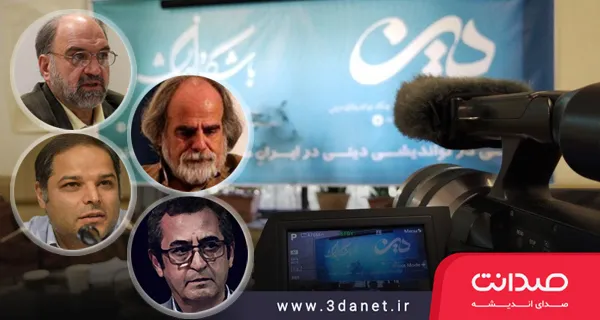
Panel Discussion: “From Radicalism to Tragic-Thinking” – On the Polarisation of Iranian Society, with Hossein Sheikhrezaei, Babak Abbasi, and Amir Maziar
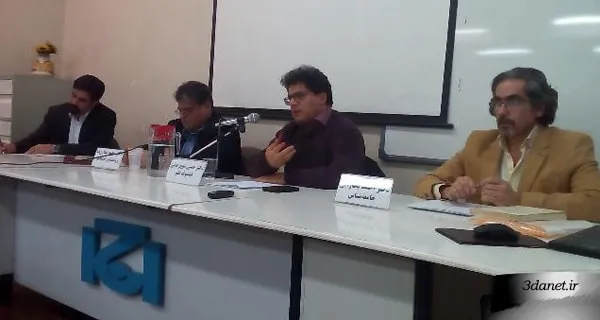
The roundtable 'From Radicalism to Tragic Thinking', featuring Sheikh-Rezaei, Abbasi, and Maziar, examines the polarization of Iranian society. The discussion focuses on the mindset of the generation of the 1350s and their experience of the transformations from 2 Khordad 1376 to the year 1401.

Panel Discussion: “From Radicalism to Tragic-Thinking” – On the Polarisation of Iranian Society, with: Hossein Sheikhrezaei, Babak Abbasi, Amir Maziar
Andisheh-ye Pouya, No. 92, Mehr 1403
In the analysis of the presidential election, it was said that this election was driven by the middle-aged, not the youth. A generation largely born in the 1970s, whose first collective political memory perhaps dates back to the 2nd of Khordad, 1376. A generation that, from the year 1401, found itself in a historical situation. They do not consider themselves the children of a generation from the 1970s who had seemingly begun a different politics and other concerns. Let us speak of the public mentality that shaped the generation of the 1970s, a concern whose polarisation crystallised in the developments from 1376 onwards and became a generational experience in the political and intellectual mentality of this generation.
Babak Abbasi,
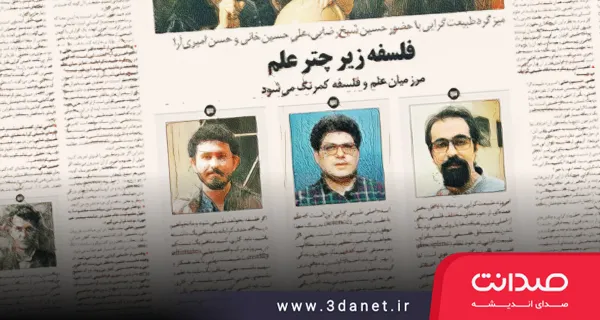
Born in 1348, he earned his Master’s degree in Philosophy from the University of Tehran and his PhD in Western Philosophy from the Iranian Institute of Philosophy. Currently, in addition to teaching at the university, he is the editor of the “Good Life” section at Kargadan Publishing and runs a Telegram channel titled “@eudemonia,” which reflects his contemplations on the nexus of philosophy, life, and politics.
Hossein Sheikhrezaei,
Born in 1355, he is a graduate of Philosophy of Science from Sharif University of Technology and a faculty member of the Iranian Institute of Philosophy. He is the editor of the “Dialogical-Thinking” section at Kargadan Publishing.
Amir Maziar,
Born in 1356, he holds a Master’s degree in Western Philosophy from the University of Tehran and a PhD in Philosophy of Art from Allameh Tabataba’i University. He has now returned to his students at the University of Art after a one-year suspension from teaching.
.
.
Download the PDF file of this panel discussion report from Andisheh-ye Pouya magazine
.
.

Discussion0 comments
No comments yet; let yours be the first voice.