Political Science
The Birth of Israel by Sadegh Zibakalam
After a four-year wait for a publication permit from the Ministry of Culture, Sadegh Zibakalam has released his book The Birth of Israel as a serialized work online. Instead of conspiracy theories, the book examines four thousand years of Jewish and Palestinian history up to the founding of Israel.
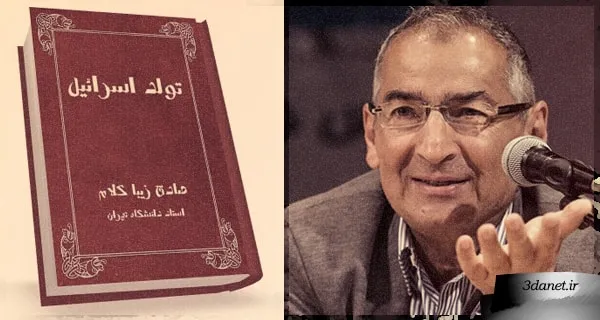
Sadegh Zibakalam: The last time I submitted a petition regarding the license for the book “The Birth of Israel” to the esteemed servants of His Excellency Ali Jannati, the honorable and powerful Minister of the Eleventh Government—may it endure and its might be strong—was on the eve of the current academic year, in late Shahrivar. As has been the case for the past four years, no response was received from the trustees of that illustrious ministry. With the assistance of Mr. Alireza Beheshti Shirazi, the director of the esteemed “Rowzaneh” publishing house, we put our minds together and concluded that if the Ministry of Guidance’s censorship board were to arrive at an answer regarding what could or should be done with “The Birth of Israel,” they would, in principle, have reached a solution after four years. From among the available options—publishing the book abroad or distributing it illegally (considering that neither of us lacks much in the way of skill, experience, or knowledge in smuggling!)—we decided to publish it as a “serial” in cyberspace, and at the end, we will present you with the entire PDF.
Fifth of Azar, one thousand three hundred and ninety-four
.
.
PDF file of the preface to the book The Birth of Israel
.
.
Introducing the second published section of the book “The Birth of Israel” – Chapter One
Sadegh Zibakalam: Hello friends, Before anything else, I would like to thank you for your kindness in posting the first section of the book “The Birth of Israel.” Many friends had asked me to provide a bank account number so they could pay for the book. I am grateful to you for this, both on my own behalf and on behalf of the publisher (Rowzaneh Publications). To be honest, the publisher and I have not yet discussed the financial arrangements. I will inform you of whatever decision is made. For now, please read the book “on credit.” A few friends also offered a moral reminder concerning the trampling of Palestinian rights. To these friends, I must say that the subject of the book is by no means the trampling of Palestinian rights, nor an endorsement of the occupation of their land, nor the treatment that the current right-wing Israeli government, in particular, inflicts upon Palestinian residents. The subject of the book is the history of the Jews and the history of the land of Palestine, from the migration of Prophet Abraham (PBUH) 4,000 years ago to the establishment of the state of Israel in 1327 [1948]. This section, which is about 35 pages long, contains the following: an examination of the theories and hypotheses that exist in Iran regarding the causes and reasons for the creation of Israel and the flaws in these theories; why, to understand the causes and reasons for the creation of Israel, we have no choice but to refer to Jewish history and the history of the Middle East; the problems with a historical approach; and finally, posing the question of what fundamentally were the causes and reasons for the four-thousand-year survival of Judaism. Sixth of Azar, one thousand three hundred and ninety-four
.
.
PDF file of Chapter One of the book The Birth of Israel
.
.
Introducing Chapter Two of the book “The Birth of Israel”
Sadegh Zibakalam: In the first chapter of the book, we became acquainted with the prevalent views and theories in Iran regarding how Israel came into being. The summary of all of them is that the colonialist Westerners, through collusion and scheming, created Zionism, and then, with the participation and cooperation of Zionism, occupied the land of Palestine and established the state of Israel in 1327 (1948). Various reasons and motives are attributed to colonialism for creating Israel. From the oil and gas of the Middle East to the suppression of Islamic movements and popular, anti-Western uprisings, to creating discord and division among Muslims in the Middle East, and so on. The only point absent in Iran regarding the means, causes, and reasons for the emergence of Israel is the most elementary and obvious questions concerning the human beings who went there or were taken there. Who were these people? Why did they come to Palestine? Why didn't they go somewhere else? Did they come of their own accord? Or were they brought by force? Where did they come from? Did they come to Palestine from one country and one land, or from various countries and regions? Were the reasons for all of them coming the same, or did they come to Palestine for different reasons? Considering the fact that Palestine in 1327 was a predominantly agricultural and extremely backward land, why did the immigrants choose that place? And a dozen other fundamental questions. In fact, the conspiracy theories and Napoleonic uncle hypotheses prevalent in Iran regarding the means and causes of Israel's emergence make no reference to the 4,000-year history of the Middle East, nor, by extension, to the 4,000-year history of Judaism. The starting point of all theories existing in Iran on this matter is the early twentieth century and, at the latest, the final years of the nineteenth century when Zionism takes shape. They essentially have neither much knowledge nor awareness of the 1,800 years of Jewish life in Europe (before their departure from Europe to Palestine), nor, by extension, of the more than 2,000 years of Jewish history in the Middle East before their diaspora and arrival in Europe. After concluding the conspiracy hypotheses, we begin our work with the second chapter, which is an introduction to the geography of the area of dispute, that is, an introduction to the geography of the Middle East.
.
.
PDF file of the second chapter of the book The Birth of Israel
.
.
Introduction to the third chapter of the book "The Birth of Israel"
Sadegh Zibakalam: In the previous chapter, we became acquainted with the geography and climatic conditions of the Middle East region. We said that the temperate climate has, since ancient times, created very favorable conditions and possibilities in this region in terms of food supply, agriculture, animal husbandry, and trade. Access to, or more accurately, proximity to the Mediterranean Sea from the north provides a neighborly connection with Europe, and from the south with North Africa and the great Egyptian civilization. At the same time, the Middle East has also been in contact with Eastern civilizations since ancient times. These factors have always caused the Middle East to be of constant interest to civilizations, powers, tribes, and various peoples from distant and nearby lands throughout history. If we exclude China, all the great powers and empires that arose in the East came without exception towards the Middle East and also succeeded in occupying it for a short or long period. The Assyrians, Babylonians, Phoenicians, Sumerians, Iranians, Arabs, and Ottoman Turks, at the height of their power, occupied the Middle East (Palestine). Powers that came from Mesopotamia (Sumerians, Babylonians...) ruled the Middle East for between one and two centuries, the Iranians for nearly two centuries, and the Arabs and Ottomans each for nearly 500 years. Even the Mongols, after conquering Iran, headed towards the Middle East, where they were defeated and halted in the area of present-day Erbil in the Kurdistan Region. It was not only Easterners who were powers heading towards the Middle East. Western powers and empires also found their way to the Middle East. The Greeks and Romans, at the peak of their authority and conquests, also seized the Middle East. The Greeks ruled the Middle East for two centuries and the Romans for nearly 800 years. It goes without saying that the climatic conditions and favorable location of the Middle East caused so many other powers to strive to capture it. The attached table shows the powers and civilizations that have captured and ruled the Middle East over the past 4,000 years. The next table, which in fact constitutes the subject of our book, details the important developments of 4,000 years of Jewish history, from its emergence in 2,000 BC to the establishment of the State of Israel in 1948. But not everyone who came to the Middle East did so in the form of great powers and empires. Millions of people also came to the Middle East in the form of large and small tribes and groups. Some would stay for a while and then move elsewhere; and others would settle right there. These groups often migrated to various parts of the Middle East without war or conflict. Just like today, the reasons for migrations from various points to the Middle East were the deterioration of living conditions in the migrants' homeland or region. Just as great powers and empires marched to the Middle East from various points east and west, ordinary migrations also took place from numerous regions and lands: from the far west, the coasts and islands of the Aegean Sea and the regions of modern-day Greece; the Caucasus and Anatolia regions; the south and west, which included the regions of Mesopotamia and the Arabian Peninsula. Our story begins with one of these migrations, which occurred 4,000 years ago from the region of "Ur" in the south of modern-day Iraq. The migration of this group to present-day Palestine, like thousands of other migrations that have occurred in the Middle East over thousands of years, should have faded away, and we should have had to search for their traces at most in the form of a name in history books or in the remnants of objects or inscriptions left by them in museums; but this did not happen; and this group, which numbered no more than a few thousand at most, not only were not buried in history, but became one of the most important developments in human history. Sadegh Zibakalam December 22, 2015
.
.
PDF file of the third chapter of the book The Birth of Israel
.
.
Sadegh Zibakalam's note on the fourth chapter of the book The Birth of Israel
Sadegh Zibakalam: In the past three chapters, we became acquainted with the common views in Iran regarding the causes and reasons for the creation of Israel, which were mainly “conspiracy theories.” We saw how these, upon serious examination, encounter major contradictions and collapse. We arrived at the point that any serious effort concerning the causes and reasons for the creation of Israel is inevitably compelled to refer to the history of the land of Palestine on the one hand, and the 4,000-year history of Judaism on the other. In the second chapter, we became acquainted with the geography and natural situation of Palestine. We saw how these characteristics have influenced its long history. Among other things, due to its climatic conditions, the land of Palestine has always been of interest to all the powers that have risen throughout history. The great powers and empires that emerged to its east (Asia), its west (Europe), Egypt, and Mesopotamia, all, in the course of their expansion and conquests, made the land of Palestine one of their first targets. The Egyptians, Assyrians, Babylonians, Persians, Greeks, Romans, Arabs, Ottoman Turks, and Europeans were among the powers that, over the four-thousand-year history of the land of Palestine, seized it and sometimes ruled it for centuries. Another important point we realized during our acquaintance with the land of Palestine was the fact that alongside military campaigns, many also migrated there without war and bloodshed; sometimes they would reside for a while and then leave, and sometimes they would stay forever. The subject of the book “The Birth of Israel” is, in truth, the story of one of these migrations.
In the third chapter, we saw that about 4,000 years ago, a not very large group of Semitic peoples migrated from a region called “Ur” in the south of present-day Iraq, via the historical route of the Fertile Crescent, to the land of Canaan, or later Palestine, and settled in the area we today call Jerusalem. We know the leader of this group today as Prophet Abraham (PBUH) and the people themselves as the Jewish people, the Jews, or the Children of Israel. During their migration from “Ur” to Jerusalem, God manifested to Prophet Abraham (PBUH) and told him that if he and his children believe in the unseen God, God will make that land theirs. The children and descendants of Prophet Abraham (PBUH), or now the people of the Children of Israel, stay in Canaan and live a peaceful life for nearly 400 years without war and bloodshed; but around 1600 BC, due to a drought, a number of them migrate to Egypt, and the rest remain in Canaan. The Jews’ stay in Egypt lasts 400 years. Initially, the Egyptians’ treatment of them seems to have been better, but gradually their lives become more difficult and the Egyptians’ behavior towards them more hostile, to the point where they decide to flee Egypt. That historical flight or exodus takes place around 1200 BC under the leadership of Prophet Moses (PBUH). The Jews remain in the Sinai Desert for 40 years, and after the death of Prophet Moses (PBUH), under the leadership of one of the prophets of the Children of Israel named “Joshua,” they finally return to Canaan. Apart from his prophetic office, Joshua was also very talented militarily and succeeds in conquering parts of the land of Canaan. In fact, it can be said that after the return from Egypt and as a result of Joshua’s conquests, the Jews, for the first time in the 800 years since their migration to Canaan, succeed in establishing a government in parts of it. The chapter before you, or the fourth chapter, is in truth an examination of this historical turning point, namely the rise to power and the formation of the first government by the Jews nearly 3,200 years ago.
Twenty-sixth of Dey, one thousand three hundred and ninety-four
.
.
PDF file of the fourth chapter of the book The Birth of Israel
.
.
Preface to the fifth chapter of the book The Birth of Israel
Sadegh Zibakalam: The Formation of the First Jewish Dominion in the Second Millennium BCE In the previous chapter, we saw that the first attempts to establish a government in the land of Canaan, or present-day Palestine, took place in the second millennium BCE, after the return of the Jews from Egypt under the leadership of the Prophet Joshua (PBUH). He succeeded in conquering large parts of Canaan; however, the first Jewish government, referred to in Jewish history as the rule of the "Judges," came into being after his passing. The Judges were executors of the law, and the center of their "governance" was in Jerusalem. Each "Judge" of the twelve tribes ruled in a sheikh-like manner, and their sovereignty lasted for nearly two centuries. They gradually realized that the system of governance needed to be under the leadership of a single commander. Finally, they chose one ruler for all twelve tribes. The name of this king was Saul. After his defeat by the enemies of the Jews, the Jewish elders chose one of his commanders named "David"; a figure we know as the Prophet David (PBUH). With his remarkable military genius, Prophet David quickly formed a powerful "army" and made considerable progress in terms of economic growth and development.
After forty years of Prophet David's reign, Prophet Solomon (PBUH), his fourth son, succeeded him. The expenses of Prophet Solomon's vast and extensive government apparatus exerted great pressure for tax collection, which led to public discontent with the rule. In general, the Jewish community was divided into two groups: those who had returned from Egypt and had mainly settled in the northern regions of the land of Palestine, and the Jews who had remained in Canaan and lived in the southern areas, including Jerusalem. Government officials and religious leaders were predominantly from the southern Jews. The government's pressure to collect taxes had deepened the discontent of the northerners. Therefore, after the death of Prophet Solomon, they did not accept his successor as the new king, and the northern and southern parts of the Jewish empire, after nearly eighty years, entered into a fierce campaign against each other. The southerners were defeated, and the great Jewish empire was divided into two northern and southern parts. The northern region of the land was named the "country" of Israel, and the southern part, whose center was Jerusalem, was called Judea, both of which considered themselves descendants of Prophet Abraham (PBUH). The fifth chapter continues the history of Judaism after the collapse of Prophet David's empire and the creation of two independent Jewish states named Israel in the north and Judea in the south.
.
.
PDF file of Chapter Five of the book The Birth of Israel
.
.
PDF file of Chapter Six of the book The Birth of Israel
.
.
PDF file of Chapter Seven of the book The Birth of Israel
.
.
PDF file of the Introduction to Chapter Eight of the book The Birth of Israel
PDF file of Chapter Eight of the book The Birth of Israel
.
.
Publication of the remaining chapters of the book The Birth of Israel during the holy month of Ramadan
Sadegh Zibakalam: Greetings to friends, and may your devotions be accepted. As you know, nearly three months have passed since the presentation of the eighth chapter of The Birth of Israel. During this time, many have complained: what happened to the rest of the book? The reason for the delay, for which I apologize, was the volume of other work. Chapters nine, ten, and eleven are now complete. These three chapters, especially ten and eleven, are very important, for they in fact constitute a crucial connecting link in the 4,000-year history of Judaism. These sections connect the history of ancient Judaism to the modern era. In other words, if we loosely divide the history of Judaism into the period before Christ and the contemporary era, or the twentieth century in which Israel is born, chapters ten and eleven, by detailing the situation of the Jews during the Middle Ages and in the new age or "modernity," connect the history of Judaism before Christ to the contemporary era. I will try to present these three chapters to friends during the holy month of Ramadan. Khordad 20, 1395
.
.
PDF file of Chapter Nine of the book The Birth of Israel
.
.
PDF file of Chapter Ten of the book The Birth of Israel
.
.
PDF file of Chapter Eleven of the book The Birth of Israel
.
.
Introduction to Chapter Thirteen of The Birth of Israel
We said that the dawn of modernity finally brought the promise of an end to the harsh medieval era for the Jews of Europe. It seemed that the medieval malevolent view of Jews and the practice of all kinds of discrimination and enmity against them had come to an end. The gates of the "ghettos" (the neighborhoods designated for Jewish life during the Middle Ages) were opened. No longer was anyone regarding them as the murderers of Jesus Christ (PBUH), usurers, money-worshippers, rootless cosmopolitans, and so on; and Europeans were willing to accept them as "compatriots." But that honeymoon did not last very long, and once again the dark clouds of hatred and enmity against the Jews gathered. This time, the "sin" of the Jews did not have a religious origin. Because, fundamentally, with the triumph of secularism, religion and religious beliefs played no role in social interactions. Instead of religion, morality, culture, civilization, and above all, race, had become the reasons for hatred of the Jews. The new round of hostility toward the Jews led to the emergence of various reactions among them, including emigration from Europe. In the period between the second half of the nineteenth century and the beginning of the First World War in 1914, nearly 3 million of the 10 million Jews living in Europe emigrated. Two million went to America and the rest to Argentina, Canada, Australia, Africa, and Palestine; but leaving Europe was not a solution upon which everyone agreed. There was a concern that in the new lands, the same resentment and hatred toward the Jews would gradually emerge. The more fundamental solution was that the Jews could migrate to a pristine and sparsely populated land and, with the help of their knowledge and wealth, develop it for themselves. Several factors contributed to the formation of this idea. The first was that very concern about the emergence of hostility toward the Jews. The second factor was the rise of powerful waves of nationalism in Europe. Many nationalities had acquired countries of their own, and given the unwanted status of the Jews in Europe, why couldn't they also find a land of their own? Another factor was the movement of Europeans to new lands in Africa, America, and other regions. The idea of creating a land for the Jews had appeared in the works of many Jewish writers in Europe since the early nineteenth century. Benjamin Disraeli, Judah Pinsker, Moses Hess, and George Eliot were among the writers who, decades before Theodor Herzl, had raised the aspiration of creating a homeland for the Jews in their works.
.
.
PDF file of Chapter Twelve of the book The Birth of Israel
.
.
Chapter Thirteen of the book The Birth of Israel
The Formation of Jewish Nationalism and the Idea of Establishing a Jewish State, 1880-1918
... Who was "Theodor Herzl"? Our literature regarding the Arabs and Israel is full of conspiracy delusions and Da'i Jan Napoleon-esque hypotheses surrounding Herzl. He is introduced as the mastermind and founder of "Zionism" and the State of Israel, and an extraordinarily mysterious and complex figure and personality. On the one hand, he is connected to Freemasonry, to England, to old and new colonialism, and on the other hand, to the West, to the enemies of Islam, and to sinister conspiracies to strike at Muslims and take Palestine from the Muslims; but who was he really? First, Herzl's personality is neither as complex and enigmatic as we have made him out to be, nor was he fundamentally the one who first proposed the idea of creating a land and a state for the Jews. That idea, as we have seen, had been raised decades before Herzl, from the early decades of the nineteenth century and after the start of a new round of anti-Jewish waves in Europe, by a number of Jews. So what was Herzl's importance?...
.
.
PDF file of Chapter Thirteen of the book The Birth of Israel
Audio file of Chapter 13 of the book The Birth of Israel, read by the book's author: Sadegh Zibakalam
.
.
PDF file of Chapter Fourteen of the book The Birth of Israel
Audio file of the introduction to Chapter 14 of the book The Birth of Israel, read by the book's author: Sadegh Zibakalam
Audio file of Chapter 14 of the book The Birth of Israel, read by the book's author: Sadegh Zibakalam
.
.




Discussion14 comments
در قسمتی از مقاله از مهاجرت یهودیان به کشورهای زیادی یاد شده ازجمله امریکا آرژانتین و استرالیا و دراخر فلسطین ولی انچه در فلسطین شده در هیچ کدام از آن کشورهای دیگر نشده آقای زیبا کلام به زیبایی نکات مهم و تاثیر گذار بر مساءله ایجاد بزور اسلحه است را کلاً حذف کرده وبا واگوییهای تاریخی و خیالی میخواهد منطق درت تشکیل اسرائیل را طبیعی و حقیقی و حق ظالمانه یهودیانر مظلومانه نشان دهد من ئتعجب میکنم چرا کسی اورا نقد اساسی نمیکند میگذارند در رسانه ها هم بیاید از دولتهای کودتای پهلوی هم تعریف و تمجید میکند دولهایی که دست نشاندگی اظهر من الشمس است ؟!
دوست عزیزداعش حاصل تفکر ایرانیان نیست حاصل تفکر اسلام است داعش تفسیری از اسلام وقران است که بشدت نص گراست وبا مصادیق شرک وکفر مبارزه وجهاد میکند حتی اهل کتاب را برنمیتابد همانطور که قران میگوید قران متاسفانه بشدت در گیر زمان ومکان است وبنا به وضعیت حکم صادر میکند وهمین موجب تناقض گویی قران شده است وباز به همین دلیل نمیتواند کتابی برای همه ی اعصار باشد در جایی اهل کتاب را اهل رستگاری میداند ودر جایی کافران را به خودشان وا میگذارد ودر جایی توصیه میکند که با کافرانی که با شما نمیجنگند شما هم با انها نجنگید وحتی دوستی با انها ایرادی ندارد ولی در جاهای دیگری میگوید هر کجا کافر ومشرک راگیر اوردید بکشید ودر جای دیگری حکم قتال با اهل کتاب را هم صادر میکند حتی هنوز انها جنگ را اغاز نکرده باشند ودر جای دیگری از دوستی با پدر وبرادر کافر ومشرک هم نهی میکند ودر جایی توصیه میکند که قتال راحتی از نزدیکان کافر ومشرک خود اغاز کنید که دیگران استقامت را در شما ببینند همه ی این ایات را اگر خوستید برایتان مینویسم دوست عزیز قران میگوید برتری دادیم ودر جای دیگری میگوید که سرزمین مقدس راخدا به نام انها سند زده است هیچ ایه ی دیگری در قران نیامده که بگوید از این به بعد ان سرزمین متعلق به یهودیان نیست یعنی ایه سند زدن سرزمین مقدس به نام یهودیان هرگز نسخ نشد بلی یهودیان پس از انکه حاضر نشدند برای ورود به سرزمین مقدس بجنگند چهل سال اواره شدند بعداز ان به سرزمین مقدس رفتند وانجا ساکن بودند وان منطقه یهودی نشین بود تحت قیمومیت کنیسه های یهود روزگار میگذراند وحتی دولت مرکزی که مسیحی بود درانجا خل وتصرفی نداشت وعملا انجابه دست یهودیان اداره میشد قران راضی نمیشود یهودیان بر مسلمانان تسلط یابند ولی همین قران نگفته انها را از سرزمین مقدس بیرون کنید ویا دیگر از این به بعد سرزمین مقدس مال یهودیان نیست مال مسلمانان است هرگز قران چنین نگفت وان ایه نسخ نشد اینکه فعل زمان گذشته است تمام قران متعلق به گذشته است خود قران میگوید اگر بخواهیم ایه ای را نسخ کنیم ایه ی دیگری بهتر از ان میاوریم در ارتباط به تعلق سرزمین مقدس به یهودیان ایه ی مربوطه نسخ نشد پس تا ابد پا بر جاست اگر شما قران را برای تمام اعصار میدانید ان ایه هم برای تمام اعصار است
واقعا چجوری قبول کنم داعشی که برای بریدن سر ایرانیان له له میزند حاصل تفکر خود ماست .چجوریه که داعش یک گلوله سمت اسرائیل شلیک نمیکند مگر نمیگویید حاصل تفکر ماست.اقای جانان عزیز قران میگوید برتری دادیم ولی فعل زمان گذشته است و دقیقا ایه بعد میگوید انها را لعنت کردیم و دلهاشان را قسی کردیم و انهارا تا ابد ذلیل و بی مسکن .اگه خواستید ایات رو بگم.مگر قران نگفت که دشمن ترین نسبت به مسلمانان یهودیانند . و راضی نمیشوند از شما تا بر شما تسلط یابند . اگه خواستید ایات رو بگم
با سلام و ضمن تشکر از دکتر زیبا کلام 14 فصل کتاب را امروز تمام کردم خیلی مطالب جالب و جدیدی یاد گرفتم ولی چند نکته خیلی برام قابل توجیه نیست 1- در این کتاب هیچ نکته منفی و انتقادی در مورد جامعه یهود مخصوصا از 1800 سال پیش تا کنون وجود نداشت و مرتبا از انها به عنوان نژادی با فرهنگ و تمدن وسواد بالا یاد شده که اگه به انها نسبت بدی هم داده میشده بخاطر بخل و حسادت بوده حتی در اروپا ! ایا انها واقعا اینقدر معصوم بودند و هیچ اشتباه کوچکی هم نداشتند که اقای دکتر در کتاب ذکر کند 2- توجیهاتی که در مورد قانون جرم بودن نفی هلوکاست و تحقیق در مورد انها در کتاب ذکر شده برای این حقیر قابل هضم نیست
شما هم تخم وترکه عرب هستید همه ی ایران را حاضرید فدا کنید تا بیت المقدس را به زور وناحق بگیرید توان مقابله فکری که ندارید فقط بلدید تهمت بزنید منطق هم با شما بیگانه است یادتان نرود داعش از متن دینی شما وبه استناد ان برخاسته است
وای وای چه ملته مظلومی کلی اشک ریختم براشون. مشکل یهود برتری بینیه خودشه . خداوند یک روز سرزمینی به اونها بخشید و یک روز بر اوم ها حرام کرد. در ضمن ابراهیم یه پسر دیگه داشت به نام اسمعیل که اکثر این اعرابند. فک کنم اقای زیبا کلام خودشو به ندیدنه این همه جنایاته یهودیها میزنه
اقای داود خداوند چه روزی ان سرزمین را بر یهودیان حرام کرد ؟ کجا چنین مطلبی نوشته شده است ؟قران میگوید ان سرزمین متعلق به یهودیان است وباز قران میگوید که بنی اسرائیل قوم برگزیده هستند که بر عالمیان برتری داده شدند توجه کنید اینها را تورات نمیگویدها قران اینها را میگوید ولی قران در هیچ جا نگفته که ان سرزمین بر یهودیان حرام شده است برعکس قران میگوید سرزمین مقدس بنام انها سند زده شده است خدا بنام انها نوشته است ایات را برایتان مینویسم یا بنی اسرائیل الذکرو نعمتی التی انعمت علیکم وانی فضلتکم علی العالمین ای بنی اسرائیل من نعمت را بر شما تمام کردم وشما را بر عالمیان برتری دادم این ایه سه بار در قران تکرار شده است یا قوم الذخلوالارض المقدس التی کتب الله لکم ولا ترتدوا علی ادبارکم فتنقبلو خاسرین ای قوم داخل شوید در سرزمین مقدس که خدا برایتان نوشته وپشت به حکم خدا نکنید که از زیانکاران خواهیدشد این ایه هرگز نسخ نشد وهمچنان تا ابد پابرجاست
با کسره ی اضافه آشنا شوید. با احترام.
تذکر به کاربر "داود" : با ﮐﺴﺮﻩ ﯼ ﺍﺿﺎﻓﻪ ﺁﺷﻨﺎ ﺷﻮﯾﺪ! ﺑﺎ ﺍﺣﺘﺮﺍﻡ.
آقاي دَاوُدَ ، ، تاريخ و وقايع تاريخي را نميتوان تغيير داد، شما با ستنقاد يك كتاب ( قران ) نميتوانيد وقائع تاريخي را كه صدها كتاب در آن زمينه نوشته و ثبت شده را فقط با ستنقاد بعضي آيات قران نپذيريد. من با چند سوْال ساده ثابت ميكنم كه با لحظه اي تامل حقيقت تاريخي برايتان روشن خواهد شد . اگر واقعا به دنبال حقيقت باشيد ،بايد تعصب ديني را كنار گذاريد،ولي قبل از سوْال ،لازم ميداني مختصرا وقائع تاريخي در مورد ابراهيم را ذكر كنم .ابراهيم ٨٥ساله بود كه ساراي به ابراهيم گفت ،من پسري ندارم برو با كنيز من هاجر ( كه زني مصري بود) هم بستر شو ،تا براي من فرزندي به دنيا بياورد ،لازم به ذكر هست كه در آن زمان اين سنت رواج داشت اگر زني بچه دار نميشد . و ابراهيم پذيرفت و با هاجر هم بستر شد و اسماعيل به دنيا آمد ، ولي زماني كه ابراهيم ٩٩ ساله بود كه خداوند بو او ظاهر شد و به او وعده داد كه از تنها زن رسمي خويش ساره پسري به او ببخشد و در ( و خدا فرمود او را ديگر ساراي مخوان . نام او از امروز ساره ، يعني شاهزاده خواهد بود چون من او را بركت خواهم داد و از او پسري به تو خواهم بخشيد ) ،در آن زمان ساره ٩٠ سال داشت و در ٩١ سالگي صاحب فرزند شد ، ولي چند سال بعد ،ساره ديد كه اسماعيل ،إسحاق را اذيت وآزار مبكند و به ابراهيم گفت ابن كنيز و پسرش را از خانه بيرون كن و ابراهيم هاجر و اسماعيل را از قوم خود بيرون كرد. حال سوالي كه دارم .ابراهيم هيچ گونه علاقة اي به هاجر نداشت و فقط به خواست همسرش با او هم بستر شد و اسمائيل فرزندي نبود كه از روي عشق و علاقة به دنيا آمده باشد ،و اگر ابراهيم هاجر را دوست ميداشت هرگز او را از قبيله خود بيرون نميكرد. خداوند به جهت امتحان إيمان به ابراهيم گفت كه فرزندت را براي من قرباني كن ،به نظر سما ابراهيم إسحاق را بيشتر دوست ميداشت كه از همسر واقعي او بود يا اسمائيل را كه از كنيز همسرش بود ؟ هاجر با اينكه بچه دار شد باز هم كنيز ساره بود و حضرت ابراهيم او را به عنوان همسر خويش نپذيرفت و هرگز ديگر با او هم بستر نشد ،و اگر او و اسماعيل را به اندازه همسرش دوست ميداشت چرا حاضر شد كه او و پسرش را از قبيله خود بيرون كند ؟ هدف خدا از قرباني كردن فرزند ابراهيم آزمايش إيمان بود ،بنابراين براي ابراهيم قرباني كردن اسماعيل بسيار آسان تَر بود تا قرباني كردن إسحاق كه از زن رسمي او و با معجزه خدا به دنيا آمد ، پس خدا براي آزمايش ابراهيم ، دست روي عزيز ترين چيزي كه براي ابراهيم با ارزش بود گذاشت يعني فرزند واقعي او إسحاق و به ابراهيم گفت إسحاق را براي من قرباني كن ، و اين دروغي بئس نيست كه مسلمانان ميگويند خدا به ابراهيم گفت اسماعيل را قرباني كن ، اثلا در آن زمان اسماعيل از قبيله ابراهيم با مادرش رانده شده بود. أصلا اگر قرار بود كه از طريق اسماعيل و نسل او خدا قومي بزرگ به ابراهيم ببخشد، چرا بايد در سن ١٠٠ سالگي و ساره كه ٩١ ساله بود، خداوند به آنها پسري عنايت كند و چنين معجزه اي را انجام دهد ؟ انگيزه خدا از ابن معجزه بزرگ چه بود ؟ در آخر از اسماعيل قوم أعراب بوجود آمدند ،ولي چرا حتي تا قبل از پيامبر اسلام، تمامي پيامبران بعد از ابراهيم از نسل إسحاق بوده اند ،تا عيسي مسيح كه از يك مادر يهودي به دنيا آمد . چرا بايد خداوند تا چند قرن بعد ، به نسل اسماعيل توجهي نكند ، و پيامبران ديگر: يعقوب ، كه از يعقوب قوم اسرائيل بوجود آمدند و از قوم اسرائيل خداوند موسي را برگزيد، كه يك يهودي بود وبعد از او هم بقيه پيامبران همه يهودي بودند . چرا خداوند بايد از قوم اسرائيل پيامبري برگزيند.( موسي ) و براي اولين بار شريعت خود را به او بدهد ، خوب همان زمان ميتوانست از قوم اسماعيل كه در اسارت فرعون هم نبودند ، پيامبري انتخاب كند ،ولي اين كار را نكرد و حتي پيامبران بعدي هم همه يهودي بودند. أصلا چرا بايد خداوند اينقدر نظر لطف به قوم اسرائيل داشته باشد و انها را از دست فرعون با معجزات بيشمار آزاد كند و با معجزه از دربا آنها عبور دهد و انها را به سرزمين اسرائيل هدايت كند و آنجا را به قوم اسرائيل ببخشد؟ در شهر أورشليم خداوند توسط حضرت سليمان ، معبد خداي يهوديان بِنا شد . سالها بعد كه قوم اسرائيل توسط امپراطوري بابل به مدت ٧٠ اسارت برده ميشود ، ولي خداوند كوروش پارسي را مسح كرده و قوت ميبخشد كه امپراطوري بابل را ساقط كند و يهوديان را آزاد مبكند و دستور ميدهد كه به يهوديان از خزانه سلطنتي هر چه ميخواهند بدهيد تا معبد خداي خود را كه توسط سليمان بِنَا شده بود ،دوباره باز سازي كنند. وَ زماني كه اسلام ظهور كرد ،همانگونه كه به ايران و خيلي كشورهاي آسياسي و اروپايي حمله ميكرديد ،كشور اسرائيل و كشور ابران و كشور هاي ديگر را به زور شمشير اشغال كردند و ببعد از مرگ پيامبر اسلام توسط عمر ،مسجد القصي در نزديكي معبد حضرت سليمان بِنَا شد . در حقيقت اشغال كنندگان واقعي اسرائيل أعراب بودند نه يهوديان. تصور كنيد كه أعراب از آن زمان تا كنون در كشور ابران ساكن ميبودند و ايرانيان با يكديگر متحد ميشدند تا كشور ابران را دوباره از دست أعراب آزاد كنند ،آيا ميتوان گفت كه ايرانيان كشور ابران را اشغال كرده اند ؟ همين اتفاق براي كشور اسرائيل رخ داده است ،بعد از جنگ جهاني دوم كه از درست كشتار نازيست هاي آلماني يهوديان كشور اسرائيل را از ترس جان ترك كرده بودند، بعد از جنگ جهاني دوم خواستار سكونت مجدد در كشور خود شدند ،ولي متاسفانه با مخالفات فلسطيني ها مواجه شدند .
اگر کتاب رو در قالب یک پی دی اف قرار می داد خیلی بهتر و راحت تر می شد...چرا این شکلی رو نمی فهمم
عزیزان پس از ظهور اسلام سایر ادیان تاریخ مصرفشان تمام شد البته منظور از اسلام هم اسلام شیعه ۱۲ امامی است اینکه در اروپا توجه به نوع ادیان بی اهمیت شده است بخاطر نفوذ و شیوع تفکرات فراماسونری مردم توجه خود را از دین به سوئ علم پرستی و طبیعت پرستی و شیطان پرستی و جن پرستی (بت پرستی مدرن) تغییر دادند جهان چاره ای بجز گرایش به اسلام شیعه ندارد متاسفانه برآیند نیروهای شیطانی تمامی جهان بر علیه ایران شیعه خواهد بود جون اشرار همیشه بدنبال آزار ابرار هستند تا زمانی که تمامی مفهوم شر در زمین به امید خدا بتدریج نابود شود اسرائیل برای بپا کردن شر در جهان ایجاد شده و حالت تهاجمی دارد. غرب فعلا همان امپراطوری دجال است و آمریکا و اسرائیل درست مثل یک روح شیطانی در دو کشور هستند مثل اژدهای دو سر. فعلا آمریکا و اسرائیل و به هیچ چیز بجز شیطان پرستی اعتقاد ندارند و تمام داستان های دینی را مسخره میکنند سکولاریسم هم به مفهوم دین زدایی از سیاست به نفع وارد کردن شیطان پرستی در سیاست است! دموکراسی غرب هم دروغین و فریبکارانه است فراماسونری بعنوان یک شیطان پرستی هوشمند و طبقه بندی شده صد ها سال است که وارد عرصه دین ستیزی و نفوذ در قسمت های حساس تمام کشور ها شده است. اسرائیل چه دستاوردی در افزایش امنیت معنوی و هوش معنوی در جهان داشته است؟? هیچ!متاسفم.
از فصل هشتم فقط مقدمه آن موجود است در ضمن فهرست فصل نهم به بعد نیز موجود نیست
سلام و درود فصل هشتم اضافه شد در نسخهای که در سایت ایشان بود نیز فهرستی وجود نداشت