Art
Mostafa Malekian's Lecture at the 'Art and Peace' Symposium
At the 'Art and Peace' event, Mostafa Malekian argued that art reduces violence and fosters tolerance by generating pleasure and enabling self-transcendence. He identified imagination as a prerequisite for moral living and attributed repressive regimes' hostility toward literature to its capacity to strengthen the imagination.
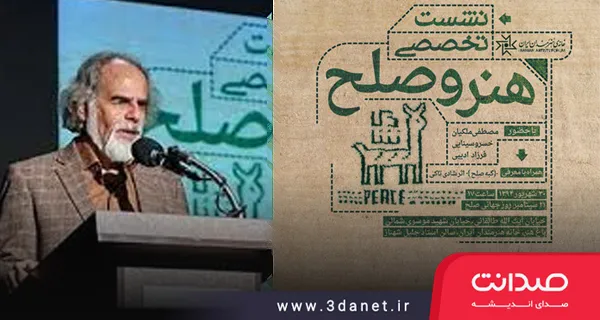
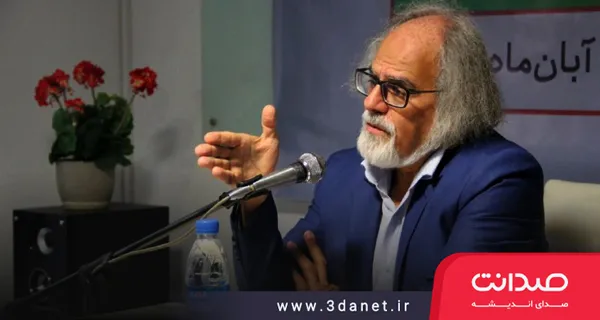
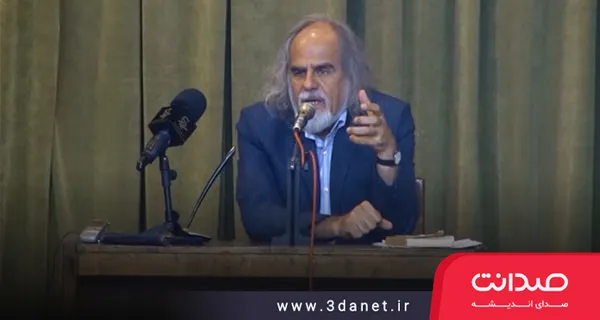
Mostafa Malekian, professor of moral philosophy, said at the specialized symposium "Art and Peace": The nine arts—namely literature (or the written art), cinema, theater, photography, painting, music, dance, sculpture, and architecture—usually deal with three phenomena: "beauty," "imagination," and "creativity." Plato and the Neoplatonists believed that art is related only to the element of "beauty," but today, philosophers of art reject this theory and believe that all three phenomena have a serious presence in art, although a major part of art deals with beauty. He added: With these descriptions, if a philosopher or artist is optimistic, they believe that art and literature add to the beauty of the world, but if they are pessimistic, they believe that art diminishes the ugliness of the world.
The author of the book "Enduring Kindness: Essays in Ethics," referring to the psychological effects that the element of "beauty" has on humans, said: Dealing with beauty has three psychological effects on humans, all three of which are factors for the development and deepening of peace. The first effect is that a person becomes "filled with pleasure." The greater the perception of beauty, the more intense and deeper the pleasure. Most people who are inclined toward destruction, conflict, and violence are those who have enjoyed less pleasure throughout their lives.
Malekian continued: The more we become filled with pleasure, the lower violence becomes in us. Therefore, the more we enjoy literature and art, the less our potential for violence is seen. The second psychological effect that beauty has on humans is the category of "self-forgetfulness" or "going out of oneself." This category also deepens pleasure. The establishment of peace among humans is also achieved through this going out of oneself, not thinking of oneself, and forgetting oneself.
The translator of Charles Taylor's book "The Variety of Religion in Our Time" also pointed to the third psychological effect of the element of beauty on humans and said: We all know that there is no final judgment in art. Even the most beautiful works of art in the world have been disliked by some. For example, many critics have criticized Homer's "Iliad and Odyssey" or Shakespeare's plays, which are among the highest and most beautiful literary and artistic works in history. Accordingly, anyone who is more artistic realizes that they should not speak decisively and dogmatically. This lack of final judgment has caused people of art to be pluralists and, in practice, to be tolerant. Therefore, the more artistically you live, the more you respect the opinions of others.
The Element of Imagination and the Ethical Living of Humans In another part of his speech, Malekian referred to the phenomenon of "imagination" in art and literature and its impact on the ethical living of humans, saying: The more imagination humans have, the more artistic they are. To live ethically, one must have a high power of imagination. To better understand this issue, I invite all the audience to read Hannah Arendt's book "The Banality of Evil."
Malekian added: The book "The Banality of Evil" was the result of the participation of Hannah Arendt, the great contemporary philosopher, in the trial of Adolf Eichmann, one of the executioner officers of Nazi Germany, after the war. Eichmann was responsible for the "Department of Jewish Affairs" in the Reich Main Security Office and killed nearly 400,000 Jews. After the formation of Israel, the Jews abducted this person and took him to Israel for trial. Arendt, who was personally present at this trial, wrote in the book "The Banality of Evil" that Eichmann had no individual moral vices and that the lack of "power of imagination" in him caused the killing of 400,000 Jews. According to Arendt, if Eichmann had the power of imagination, he could have imagined himself in the place of a Jewish mother whose entire family had been taken to the crematoria, and thus he would have refrained from crime.
Why Repressive Governments Hate Literature This professor of moral philosophy, continuing with the point that literature increases the power of imagination in humans and this has a direct relationship with the reduction of violence, said: All repressive regimes, like the Soviet government during Stalin's era, are opposed to literature, because literature increases individual power of imagination, and this issue is intolerable for these regimes. If a human being can, with the power of imagination, put themselves in the place of others, they will certainly have more respect for their opinions.
Malekian also touched upon the element of creativity: the artist's task is to bring an artwork into existence. Anyone who comes to understand what a laborious task "bringing into existence" is, becomes more cautious about "destroying."
The Spanish Civil War and the Production of Fine Literary Works Khosrow Sinai, the veteran Iranian filmmaker and director of films such as "Bride of Fire," was another speaker at the event. In a part of his speech, referring to the civil wars of Spain, he said: Spain was caught in devastating civil wars between 1936 and 1939, which finally ended with the victory of General Franco's forces.
He added: These wars led to the creation of the most important literary works of the twentieth century, such as some novels by Ernest Hemingway, who actively participated in this war as a reporter, as well as the poems and plays of Federico García Lorca.
Sinai continued: During the Spanish Civil War in 1937, the air force of Nazi Germany bombed the small town of Guernica in Spain, killing many people. The most important medium that broadcast and immortalized this event throughout the world is Pablo Picasso's painting of this incident. In this painting, everyone — including the animals — is suffering.
.
.
Audio of Mostafa Malekian's Lecture at This Event
.
.
The Relationship Between the Enjoyment of Literature and the Reduction of Violence
Mostafa Malekian's Lecture at the Specialized Symposium "Art and Peace"
Source of the text report: Iran Book News Agency (IBNA)
Jalil Shahnaz Hall, Iranian Artists' House
Monday, September 21, 2015
.
.

Discussion1 comments
با تشکر از جناب استاد ملکیان. من هر وقت سخنرانی های جناب ملکیان را گوش می کنم,, لذت می برم از انسجامِ ذهن و کلامِ ایشان. در مورد رابطه و نسبت هنر و صلح که بیان فرمودند,, به نظرم در اینجا مفهوم (حقیقت) مغفول افتاده است. اینکه چه رابطه ایی بین( هنر , صلح و حقیقت ) وجود دارد؟ آیا این 3 عنصر در راستای یکدیگر هستند و یا در عرض هم؟ آیا با یکدیگر همپوشانی دارند یا خیر؟ آیا هنر "تجلی و مظهری از مظاهر حقیقت" می باشد و یا هنر " وسیله ایی برای گریز از حقیقت" است؟ به گمانم اگر با افلاطون و نوافلاطونیان هم داستان باشیم , هنر به نوعی" تجلی حقیقت " محسوب می شود. و اگر با ارسطو و سایر فیلسوفان همدل باشیم , هنر هم می تواند تجلی باشد و هم راهی برای گریز و فرار از حقیقت. به نظرم اگر هنر وسیله ایی برای" فرار از حقیقت" باشد و هنرمند با هنرش بخواهد از حقیقتِ وجودش بگریزد ,, این هنر و هنرمند نه تنها صلح و آشتی پدید نمی آورد بلکه به نوعی موجب تکثر گرایی ,آشفتگی و جدایی خواهد شد. جناب استاد ملکیان فرمودند: هنگامیکه انسان از لذت سرشار شود ,, استعداد آشتی و صلح پیدا می کند ولی نفرمودند چه گونه لذتی؟ لذت معنوی یا لذت مادی و یا هر دو؟ آیا لذت صرفاً مادی هم می تواند این صلح را در سطح فردی,, اجتماعی و جهانی پدید آورد؟! اگر صلح در معنای رهایی از آشوب و بی نظمی است , آیا فقط سرشار شدن از لذت و از خود بی خود شدن می تواند صلح درون و صلح بیرون ایجاد کند؟ عنصر (آگاهی) در اینجا چه جایگاهی دارد؟ چنانچه هنرمند از آگاهی خود به خودآگاهی اش برود,, آیا حقیقتِ وجودش متجلی می گردد؟ آیا هنرمند واقعی ,, هنرمندی است که آثار هنری اش در خودآگاهی اش به ظهور رسیده است؟ در هنر مدرن و معاصر که بیشتر تاکید بر عنصر خلاقیت و تخیل است ,, به نظرم در اینجا دیگر برای هنرمند صرفاً ( تجلی حقیقت) مطرح نیست ,, بلکه هنرمند با هنرش به خودبیانگری و برون ریزی خودش می پردازد. و اشخاصی که نظاره گر این برون ریزی و خودبیانگری هنر این هنرمند هستند ,, خودشان نیز در ارزشگذاری آثار هنری این هنرمندان دچار نوعی سردرگمی و حیرانی می شوند,, زیرا دیگر با" حقیقت "سروکار نداشته اند بلکه اینجا به نوعی "واقعیت "بازنمایی شده است. به نظرم عنصر خلاقیت و تخیل بدون " تجلی حقیقت" نمی تواند صلح و آرامش در سطح فردی,, اجتماعی و جهانی ایجاد کند. اگر افلاطون و نوافلاطونیان به عنصر زیبایی بیشتر تاکید داشتند تا خلاقیت ,, زیرا هنر را "تجلی حقیقت "می دانستند. فکر کنم هنگامیکه "حقیقت" متجلی گردد , در تجلیاتِ خودش صلح و آرامش(فردی,اجتماعی و جهانی) پدید می آورد..