Religion
Mostafa Malekian's Lecture: The Unhealthy Society
If Imam Hussein were alive today, he would see the greatest evil as people's inability to secure a dignified life through eight hours of work. The solution: entrusting affairs to the competent and the rule of rationality over loyalty and power, so that citizens' equality is preserved.
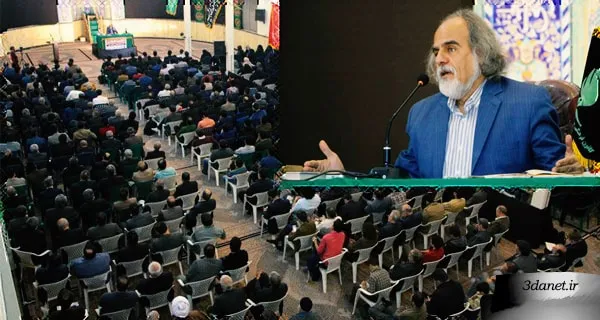
*All of you have heard it recorded in the histories that during the days of their journey from Medina to Karbala, Husayn ibn Ali (AS) frequently uttered statements such as: “My aim is to reform society as far as I am able”; “I wish to set the affairs of my grandfather’s community in order”; “I wish to enjoin what is right and forbid what is wrong.” *In tonight’s session, I am not concerned with refining the concept of enjoining right and forbidding wrong, nor with what moral judgment or assessment can be made of it, nor with what conditions apply to enjoining right and forbidding wrong and who has the right to do so or not. My sole discussion concerns what things a person who intends social reform and enjoining right and forbidding wrong must pay the most attention to, and which wrongs they must regard as the most important of all.
For years now, after the fall of the monarchy in our country, during the first ten days of Muharram, in commemoration of the very words of Imam Hussein that I cited at the beginning of my talk, this period has been called the decade of enjoining good and forbidding evil. They interview intellectuals and introduce certain matters as evil which, in my opinion, are either not evil at all or are far less significant than other evils. Tonight, I intend to present a list of evils and, in fact, suggest that if someone truly intends to reform their society, they must pay attention to these points. *A group of Christians say that we need no guide or leader, nor any book. There is only one question that guides our actions, and that is: if Jesus Christ were among us now, what would he do? That is what guides our actions. I want to phrase this sentence in this way: if Hussein ibn Ali were in our society, how would he act? What would be the evils and reforms he had in mind? It is obvious that everyone can refer to themselves and find an answer, and naturally, tonight I too will give my answer to this question. *In my opinion, the greatest social evil in our society is that a person cannot manage and provide for the livelihood of themselves and their family with eight hours of entirely honorable work. That is, a life that cannot meet all the needs of themselves and their family. In my view, the source of all social problems traces back to this evil. Of course, by life, I do not mean a luxurious life; rather, I mean a life accompanied by contentment. Now, if I cannot meet my needs with eight hours of work, then two paths remain for me: first, to maintain the quality of my work, commit no wrongdoing in my work, and on the other hand, increase the quantity of my work, meaning working double or even triple shifts. This destroys a person both morally and psychologically. If I work like this, I cannot offer free services to my society, meet the needs of my spouse, children, and those around me, help a needy person, and so on. Then, I can neither attend to my spiritual and inner needs, including worship, prayer, poetry, mysticism, etc., nor will I have the opportunity to perform unpaid work in my society. This is one path, but most people do not do this; instead, they maintain the eight-hour quantity but reduce its quality: they resort to cheating, turn to overcharging and shortchanging, commit embezzlement and fraud. *A healthy society should not place its citizens before this dilemma, and this is while, if we look at the matter from an intra-religious perspective, numerous hadiths have been narrated stating that excess in attending to one's livelihood causes a person not to see well-being and salvation. Because earning an income is a prelude to life, not its goal. In my opinion, if Imam Hussein were among us now, he would say that our citizens cannot have a dignified life with eight hours of work, and this would be the greatest evil in his view. *But what is the reason that we cannot have a dignified life? Are we facing a shortage of resources and human capital in our country? No—this leads us to the second factor. In our society, work is not entrusted to the competent. Do not think that societies that have achieved an acceptable standard of living with eight hours of work differ from us in terms of natural resources, human capital, or intelligence quotient. These societies do not offer a job to a person unless they ascertain that they have the competence to perform that work, and on the other hand, the person offered the job does not accept it as long as they cannot be productive in that activity. If you see that we are like this, it is because each of us, in our occupations, has not been up to our task and lacks the expertise for it. Therefore, our problem is that individuals are not in their proper places. *The next question that arises is why we do not entrust work to the competent. This is where we are led to the third evil. In society, the competent must take on the management of society, not those who show loyalty to a certain official, a certain minister, or a certain representative. The greatest problem of communist societies, of which only a few now remain, was that they paid no attention to competence and expertise, and only loyalty to the party mattered to them. If we accept competence, yes, and loyalty, no, that is how society will become healthy. *But why is competence not prioritized over loyalty in our society? The reason is that in our society, instead of reasoning demonstrating who is competent, power has replaced it.
We must look and see whose word is backed by the power of reasoning. Whenever reasoning and rationality disappear, two things take their place: one is violence and the other is deception. Deception works for the majority of people in society, because they can be fooled with superficially deceptive words and by creating biases, prejudices, dogmas, and rigidities; but there is also a minority whose depth of understanding, experience, and knowledge is too great to be deceived, and that is when violence is employed. When the Qur'an seeks to refute the Jews in a certain passage, it says: "Say, 'Produce your proof, if you should be truthful.'" Therefore, if we want competence to replace loyalty, we must value reasoning and rationality. The disparagement of reason in the face of love or faith is among the misunderstandings that some have created, consciously or unconsciously. Faith pertains to a person's relationship with themselves, but in the social arena there is only one measure, and that is reason. Reason has two virtues: first, it is a scale to which everyone consents and is acceptable to all parties; and second, in reason, no one can say, 'I am superior to you.' Reason creates egalitarianism. Reason knows no rich or poor, man or woman, rural or urban, old or young. There are two things that make human beings equal throughout life: 1- reason, 2- death. The first makes us equal for life, and the second for what comes after life. *When reason rules, because reason is an equalizer, then there will be no first-class and second-class citizens, and this is another evil of our society. Do not think that only religious minorities are considered second-class citizens. Between men and women, too, we have first-class and second-class citizens, and the same goes for the clergy and the laity. Ali ibn Abi Talib says: A people will not prosper if among them someone stammers out of fear of another. *When all these matters come together, it is then that the interests of the people are sacrificed for the interests of a specific group, which they refer to as the interests of the regime. *These evils are far, far, far more important than bad hijab. *We must all ask ourselves this question: why are some citizens drawn to addiction, drugs, prostitution, smuggling, theft, and so on? *The uprising of Imam Hussein (peace be upon him) was not solely because Yazid played with monkeys and drank wine. Imam Hussein's uprising had more important causes. It was the appointment and dismissal of officials based on connections, and the squandering of the Muslims' public treasury, that compelled Hussein ibn Ali to rise up against Yazid.
.
.
Audio of Mostafa Malekian's Lecture Titled The Unhealthy Society
.
.
Mostafa Malekian's Lecture Titled The Unhealthy Society
Tenth Special Program of the Mourning of the Sun - Night Three - Kashan - November 15, 2016
.
.



Discussion2 comments
1 ـ « ... ما کار را به کاردان نمی سپاریم. اینجاست که ما به سومین منکر رهنمون می شویم. در جامعه کاردانان باید مدیریتِ جامعه را بر عهده بگیرند نه کسانی که به فلان مقام و فلان وزیر و فلان وکیل وفاداری نشان می دهند. بزرگترین مشکلِ جوامعِ کمونیستی که الآن تنها تعداد معدودی از آنها وجود دارند آن بود که کاری به کاردانی و تخصص نداشتند و تنها وفاداری به حزب برایشان مهم بود. اینکه ما بپذیریم کاردانی بله و وفاداری خیر، اینگونه است که جامعه سالم خواهد شد. *اما چرا در جامعه کاردانی بر وفاداری مقدم نمی شود؟ ... » آیا « کاری به کاردانی و تخصص نداشتند و تنها وفاداری » برایشان مهم بود ( ؟! ) یا « کاردانی بر وفاداری مقدم » نبود ؟ گذشته از این ، اساساً کاردانی مقدم بر وفاداری است ؟ یا وفاداری به فرد مشخص فرادست ( وزیر و ... ) یا وفاداری به حزب باید به وفاداری به جامعه تبدیل شود ؟ به گمانم در تخصص محورترین جوامع هم وفاداری به قانون ، کشور و نظام اقتصادی ـ اجتماعی مستقر اولویت دارد اما نه در همه زمینه ها و در همه سطوح و به صورت ثابت ، مثلاً در امور نظامی وزن وفاداری در برابر تخصص بیشتر و در زمینه فرهنگی کمتر است ، یا در دوران جنگ وزن وفاداری افزایش می یابد . 2 ـ « چرا در جامعه کاردانی بر وفاداری مقدم نمی شود؟ علت آن است که ما در جامعه مان، به جایِ آن که استدلال نشان بدهد کاردان کیست قدرت جایگزینِ آن شده است » و لابد چاره کار این است که « استدلال » و نه « قدرت » کاردان را مشخص کند . می توان پرسید که در گزینش بر پایه وفاداری ـ حتا وفاداری به شخص حقیقی ـ استدلال جایی ندارد ؟! استدلال کردن خود نوعی توان و قدرت نیست ؟ و آیا « قدرت » فاقد استدلال است ؟ ... اما بهتر است بپرسیم که « چگونه می توان کار را به کاردان سپرد ؟ یعنی بهترین راه سپردن کار به کاردان کدام است ؟ » پرسشی که متضمن پرسش های دیگر است : کاردانی چیست و کاردان کیست ؟ کار کاردان چگونه ( با چه معیاری و از سوی چه کسانی ) بررسی و ارزیابی شود ؟ ... 3 ـ امروز با همکارم بحثم شد . او گفت « اکثر مردم ایران تنبل و از زیر کار در رو هستند » ؛ پرسیدم چرا ؟ گفت « همیشه این جور بدند ، ذاتاً این جورند » ... ؛ در ادامه به این جا رسیدیک که کار با پاداش تناسب ندارد ، همین « آدم های تنبل » در محیط اداری ، آن جا که منافع آشکاری در یک کار ببینند یا به کشوری بروند که کار مجرای توزیع ثروت و منزلت است ، رفتارشان تغییر می کند . مادامی که کار را یکی انجام می دهد و بهره اش را کس دیگر می برد که کاری بلد نیست جز بله قربان گویی و بدگویی از دیگران نزد فرادست و انجام کارهای شخصی او ؛ انتظار نداشته باشیم کار و کارکن گرامی و عزیز باشد . از این دیدگاه فرآیند اجتماعی و سازمانی گزینش و برکناری افراد در کانون توجه قرار می گیرد ، نه صرفاً « چابکی و تنبلی » یا ارتقای توان استدلال و ...
دو نکته ی اول را که ظاهرا از سخنرانی تکرار کردید اما درباره ی نکته ی سوم مایل بودم مطلبی را اضافه کنم. مدیران جزئی و کلی شرکت های دولتی معمولا به این شیوه عمل می کنند که کار کردن یا نکردن کارمندان بسیار اندک برایشان اهمیت دارد و واقعا به قول شما کار اهمیتی ندارد. اما مساله اینجاست اگر واقعاً در چنین شرکت هایی روال این چنین باشد آیا باید اصلا ورود به چنین شرکت هایی کرد یا نه؟ دو راه حلی که ملکیان درباره ی انتخاب کار بیان کردند کاملاً درست است اما باز هم راه حل اول یعنی انجام کار با تعداد ساعات زیاد بهتر از حضور در شرکت های دولتی است که فقط به گمان من سهم خواهی افراد از دولت است. بیایید اگر دولت، کار ایجاد نمی کند، به مراکز و شرکت هایی که کار و کارمند و یا کارگر اهمیتی ندارد ورود پیدا نکنیم. من و شمای نوعی هستیم که با عضویت غلطمان در چنین مراکزی، این مراکز و سازمان ها را با رکود نیروی انسانی مواجه نمی کنیم. اگر ما به قصد سهم خواهی خودمان از دولت به این مراکز نرویم مسلما آنها کم کم با رکود نیروی انسانی مواجه می شوند و روز به روز خصوصی سازی بیشتر و بیشتر می شود.