Religion
Mostafa Malekian's Responses to Some Critics' Questions – Part Two
Mostafa Malekian stresses that while jurisprudence evolves, to be called Islamic it must retain a minimum commitment to the Quran and the Sunna. Disagreeing with juristic consensus is permissible, but contradicting the definitive teachings of the Quran undermines a Muslim jurist.
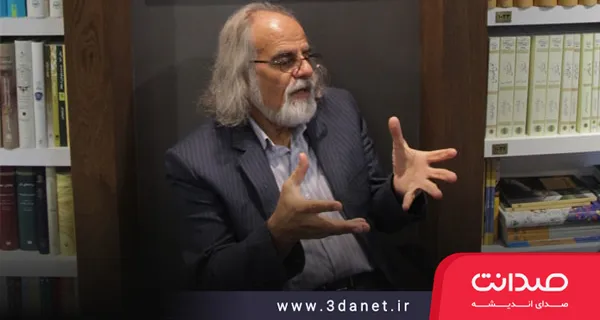
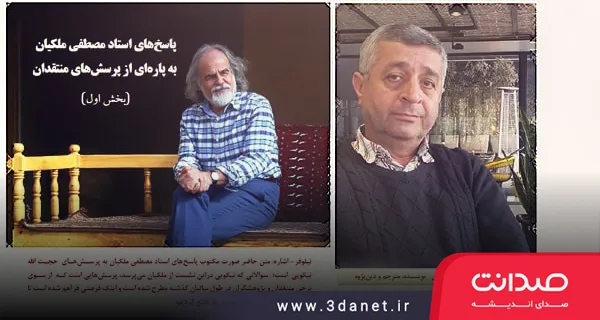
The present text is the written transcript of Professor Mostafa Malekian's responses to critics' questions; the questions posed to Malekian in this session by Mr. Hojjatollah Nikouei are questions that have been raised by critics and researchers in various contexts, and now an opportunity has been provided for us to learn of Malekian's answers to these questions:
Nikouei: In an interview you had with the Farhang-e Emrooz website, published under the title "What Do You Do with Your Paradox?" on the Niloufar website, you first stated that jurisprudence has a set of axiomatic principles, and then you referred to the efforts of neo-traditionalist jurists to reform jurisprudence based on modern rationality and asked, in that case, what remains of jurisprudence? What kind of jurisprudence is it that suspends hudud, qisas, diyat, muzara'ah, musaqat, and mudarabah, and sets aside a major part of the rules governing sexual relations in favor of modern sexual ethics? In what sense can someone who sets all these aside be called a "jurist"?
From the critics' perspective, it seems you do not have a historical view of jurisprudence, jurisprudential schools, and jurisprudential rulings, and you do not consider the fact that many of the rulings and fatwas of jurists were issued based on calculations, conservatisms, relations with political power, wars between countries, and such matters. Jurists, at the time of issuing their jurisprudential opinions, were not uninfluenced by epistemological presuppositions and external factors. It appears you believe in a kind of perfection and evolution of jurisprudence, or the essence of jurisprudence, in the past, and you hold that religious intellectuals and neo-traditionalist jurists have acted against that essence. The result of this is that, firstly, ijtihad must be suspended, because, in your belief, these would be contrary to those axiomatic principles, and secondly, that great figures like the late Mr. Montazeri and the late Mr. Qabel were not jurists. Of course, it is true that you have not explicitly said they were not jurists, but this is the logical implication of your statement. To believe in a rigid skeleton and framework and not consider those who step outside these frameworks as jurists is, from the critics' viewpoint, not justified.
Malekian: I do not at all subscribe to the presupposition that jurists have not been influenced by the circumstances of their time, or that they have not brought their own presuppositions to their jurisprudential derivations, or that jurisprudence does not undergo evolution. I believe that jurisprudence does evolve, and that jurists are captive to their presuppositions in their derivations. Time, place, and cultural and social circumstances are influential in the fatwas of jurists. I accept all of this. The only point of contention is whether you want your jurisprudence to be Islamic jurisprudence or not. If you want it to be Islamic jurisprudence, then you cannot transgress the Quran and the Prophetic hadiths; otherwise, on what basis do you call your jurisprudence Islamic jurisprudence? When you say Islamic jurisprudence, it means jurisprudence that is committed, at the very least, to the Book and the Prophetic Sunnah, or even lower than that, at least to the Book. Otherwise, if you are not even committed to the Book of the Quran, then what meaning does attributing the adjective "Islamic" to this jurisprudence have? Why do you call it Islamic jurisprudence? Well, call it Hindu jurisprudence, Jewish jurisprudence. So I fully accept that jurisprudence evolves and that the presuppositions of jurists are influential in their jurisprudential derivation. Indeed, the very science of the principles of jurisprudence is replete with the presuppositions of its scholars, and these presuppositions affect the method of juristic derivation. I accept all of this. I only want to ask: must there not be a minimum threshold, a minimal commitment to the Book and the Prophetic Sunnah (we are not even saying the Sunnah of the Fourteen Infallibles)? I say, however much jurists undergo jurisprudential evolutions, must not what they say be at least compatible with the Book of the Quran? Now, I say that if our jurisprudence is committed to the Book and the Sunnah, it is Islamic jurisprudence, even if it contains a thousand conflicting viewpoints. In that case, if a jurist wants to issue a fatwa on some of the things we, for example, currently need, he would then lose his commitment to the Book and the Sunnah. The Islamic nature of jurisprudence requires a rationale for its designation; what do you see as this rationale? That is, even if it is not compatible with the Quran, do you still want to call it Islamic jurisprudence? My entire point is that even if jurisprudence undergoes a thousand evolutions and jurists have a thousand differences of perspective among themselves, all of them can claim to be Islamic jurists, engaged in Islamic jurisprudence, and having a theoretical and practical commitment, only on the condition that their fatwas are at least compatible with the definitive teachings of the Quran and the Prophetic Sunnah. If this minimum threshold is not met, I do not know in what sense you call yourselves Muslim jurists and your jurisprudence Islamic.
Let me give an example. One of the definitive Quranic teachings is that the Quran has rejected homosexuality. We can no longer reject this. I am not stating my own opinion; I stated my own opinion three years ago at the University of Isfahan. I want to say that if a jurist claims to be a Quranic jurist, he can no longer ignore the definitive teachings of the Quran and issue a fatwa incompatible with the Quran. Therefore, he cannot issue a fatwa permitting homosexuality. Of course, note that I do not agree with this statement at all. I hold the same opinion whose details I elaborated on in Isfahan. But I am saying that you, who consider yourself a Quranic jurist, cannot agree with homosexuality, which is subject to the Quran's severe condemnation. You cannot agree with usury, because the Quran explicitly says, "fadhanu bi-harbin min Allahi wa rasulih" ("then be warned of war from God and His Messenger"), meaning you usurers are effectively declaring war on God and His Messenger. And again, you cannot oppose the fact that the Quran believes we do not own our bodies, and therefore the Quran believes you have no right to commit suicide, because you are not the owner of your body. Your body is a trust that God has placed at your disposal, and you must only ask the one who placed that trust at your disposal what kind of disposition can and cannot be made of this trust, and God has said that you cannot perform the kind of disposition that involves killing this body. Therefore, I, looking from an ethical perspective, might issue a permission for suicide. But that jurist who looks from the perspective of Islamic jurisprudence cannot issue a permission for suicide. And similarly, a jurist speaking from the Quran's perspective cannot consider men and women legally equal, because the Quran does not consider men and women legally equal.
Therefore, I do not consider opposition to mashhūr (widespread renown) among jurists to be absolutely incorrect from an Islamic perspective. If a jurist comes along and disregards all the mashhūrāt (widely held opinions) of all other jurists, one can still say he is an Islamic jurist. If he opposes hadiths other than those of the Prophet of Islam, I still say he can claim to be a Muslim jurist. But opposition to the Qur'an and the Prophetic hadiths—and I will go further, I say that if someone opposes the Qur'an, I can no longer say he is a Muslim jurist. Therefore, opposing mashhūr poses no problem whatsoever. That is, if on a certain issue all the jurists in the history of Islam have a consensus (ijmā‘), but I reject their consensus, whether I had the right to reject that consensus or not, I am still a Muslim jurist. I have rejected mashhūr. I have issued a ruling contrary to all the mashhūrāt of the jurists; I am still a Muslim jurist. I have issued a ruling contrary to the sayings of the Prophet's Companions. One can still say I am a Muslim jurist. But if I issue a ruling contrary to the Qur'an, at this point I can no longer say I am a Muslim jurist. Being a Muslim jurist entails that I at least accept the Qur'an.
Therefore, I do not subscribe to any of those presuppositions that are attributed to me. I agree with the critics and believe that jurisprudence (fiqh) undergoes evolution. I do not say takāmul (progress/perfecting); I always avoid the word takāmul. Jurists are influenced by their presuppositions. Jurists are influenced by social and cultural circumstances. I accept all of this, and from this perspective, I also accept that there can be, God knows how much, jurisprudential pluralism. I say only one thing: in all this jurisprudential pluralism, one thing cannot be forgotten, and that is what the Qur'an itself has said. No one can oppose what the Qur'an itself has said. This alone is sufficient for our jurisprudence to be Islamic jurisprudence.
Nikouei: Here, this question may arise that you believe in the explicit, definitive clarity (naṣṣ or ṣarāḥat) of some verses...
Malekian: Some verses...
Nikouei: Yes, but in the theory of Contraction and Expansion, it has been said that we have no such thing, and everywhere we encounter an understanding of the verses, and we can never say that this content is exactly and definitively the content of the Qur'an. We refer to the Qur'an, but everywhere we arrive at an understanding of the Qur'an, and that understanding is other than the text. We must distinguish between religious knowledge and religion itself, which here is the Qur'an and the Prophetic tradition.
Malekian: First, this statement that we are dealing with the understanding of others' words is not exclusive to the Quran. From the dawn of humanity on this earth until now, and until the morning of resurrection, whoever said or wrote something, those who hear that saying or read that writing deal with an understanding of it. This is not a new statement, nor is it exclusive to the Quran. Has anyone ever believed otherwise? Whenever someone speaks, the listeners understand that speech. The speech itself does not fly into their minds. The understanding they have of that speaker's words enters their minds. And readers who read a book, an article, or a treatise are the same. This is not exclusive to the Quran and is not a novel statement at all. Whenever I hear this, I am always reminded of a similar statement by the late Allameh Tabatabai, who says at the beginning of Al-Mizan Commentary that the Quran is a book where one part interprets another, one piece of the Quran interprets another piece, and for this reason we must refer to the Quran itself. That is, to interpret one piece, we must refer to other pieces. I am not concerned with whether Allameh Tabatabai himself absolutely adhered to this method. But it is a strange thing for him to say the Quran is like this. Every book is like this. If you read Kant's book, you can only interpret a sentence from the book when you pay attention to the rest of its sentences. Allameh Tabatabai speaks as if this is exclusive to the Quran. No, sir! Every book has one part interpreting another. Let alone the fact that the late Tabatabai himself did not adhere to 'the Quran, one part interprets another.' In Al-Mizan Commentary, he attributes countless things to the Quran that have no Quranic evidence. But I am not concerned with that. Every book is like this. Is there any book where one part does not interpret another? I can say the exact same thing here. Is there any written or spoken word where those who read that written word or hear that spoken word have the written or spoken word itself enter their minds? It is obvious that an understanding of that written or spoken word enters their minds. This is not a strange, novel statement, nor is it exclusive to religious texts and religious knowledge. Physical knowledge is the same. Those who read a physics or mathematics book gain an understanding of that physics or mathematics book. Logical and mathematical knowledge, and knowledge in the natural and human empirical sciences are the same; knowledge in mystical, historical, literary, and artistic sciences is also the same. We always deal with the understanding of a text, whether that text is a written text or a spoken text. Therefore, it is strange that we make such a fuss about it.
اما مطلب بعدی این است که درست است که ما وقتی قرآن را میخوانیم، به فهمی از قرآن میرسیم، اما از این برنمیآید که همه فهمها صحیحاند. بله شما اگر قرآن بخوانید و عربیتان ناقص باشد، فهمی از قرآن پیدا میکنید، اما آن فهمتان درست نیست. باز اینجا یک توهم بزرگ پیش آمده است که مثل اینکه حالا که ما فهمی از قرآن در اختیارمان است، پس همهمان علیالسویهایم. اصلا و ابدا. ما با فهم یک متن سروکار داریم. چه متن مکتوب، چه متن ملفوظ. چه کتاب و رساله و مقاله و چه سخنرانی و تدریس. فرقی نمیکند. ما با فهم سروکار داریم. ولی از این برنمیآیدکه حالا اگر n نفر متن را خواندند، فهمی که هر n تایشان پیدا میکنند، معتبر است. علم هرمنوتیک برای این پدید آمد که نشان بدهد بعضی از فهمها از متن درست، و بقیه فهمها نادرست است. توجه کنید که نگفتم فقط یک فهم درست است، گفتم بعضی از فهمها از یک متن درست، و بقیه فهمها نادرست است. همانطور که علم منطق پدید آمد که بگوید بعضی از استدلالها صحیح است، و بعضی از استدلالها صحیح نیست. به همین ترتیب هرمنوتیک آمد تا بگوید بعضی از فهمهایی که شما از متن دارید، خواه آن متن، متن دینی و مذهبی باشد، و خواه متنی در منطق یا ریاضیات یا در علوم تجربی طبیعی یا علوم طبیعی انسانی، یا در تاریخ یا در عرفان یا هنر و ادبیات، بعضی از این فهمها درستند، و بعضی از این فهمها نادرستند. هرمنوتیک برای این پدید امده است. آدمها قبل از ارسطو هم استدلال میکردند. قبل از آن هم بعضی از استدلالهای مردم صحیح بود و بعضی سقیم بود. ارسطو فقط قوانیناش را مدون کرد که آقا وقتی میگوییم استدلالی صحیح است به این جهت صحیح است و وقتی میگوییم استدلالی سقیم است، به این جهت میگوییم سقیم است. حالا هم هرمنوتیستها همین را میگویند. باز توجه کنید که وقتی میگویم هرمنوتیک، منظورم علم تفسیر متون است. این را به جهت این میگویم که فضای ما امروزه طوری است که فکر میکنند، هرمنوتیک یک مکتب است و نمایندگانی دارد. نه، یک علم است. علم تفسیر متون. هرمنوتیستها میگویند بعضی از تفاسیری که از یک متن داریم، تفاسیر معتبری است، بعضی تفاسیر نامعتبر است. هرمنوتیستها قواعدی ابداع کردند که بر اساس آن قواعد، میگویند کدام فهمها صحیح است و کدام فهمها ناصحیح. از اینجا دو تا نتیجه میخواهم بگیرم که در عین حال که ما با فهمی از قرآن سروکار داریم، ولی اولا از این برنمیآید که همه فهمها به لحاظ اعتبار، به لحاظ حجیت و به لحاظ وثاقت علیالسویهاند، اصلا و ابدا. فهمهای درست داریم، فهمهای نادرست هم داریم. کما اینکه اگر شما یک لغت عربی را بلد نباشید و یک آیهای در قرآن حاوی آن لغت باشد، شما فهمی از آن آیه دارید، ولی فهمتان غلط است چون لغت را بلد نیستید. اگر ما صرف و نحو بلد نباشیم، باز هم فهمی از آن آیهی قرآن داریم، اما چون صرف و نحومان ضعیف است، فهممان غلط است. بنابراین همه فهمها درست نیستند. از آن طرف هم، هرمنوتیک علمی نیست که لااقل تا وضع فعلیاش، بتواند نشان بدهد که فقط یک فهم درست است. نه، هرمنوتیک میگوید هر فهمی که این قواعد را رعایت کرده باشد، آن را باید پذیرفت. ولی از این برنمیآید که تعداد این فهمها به یک برسد. از این نظر من هم به یک پلورالیسم هرمنوتیکی قائلام. اما میخواهم بگویم همه آن فهمهایی که درستاند، در رعایت قواعد هرمنوتیک با هم مشترکاند. همهشان چون آن قواعد هرمنوتیک را رعایت کردند، فهمشان درست است. حالا آن قواعد هرمتونیک چه میگویند؟ میگویند اول چیزی که لازم است برای اینکه فهم شما درست باشد، این است که شما باید لغت آن علم را بدانید، دوم، باید صرف آن علم را بدانید، سوم، باید نحو آن علم را بدانید. چهارم، باید علوم بلاغی آن علم را بدانید، یعنی معانی، بیان و بدیع بدانید. پنجم، باید زمینه تاریخی صدور یا نزول آن سخن را بدانید. و این معنایش این است که من اگر صرف و نحو عربیام ضعیف است، البته من هم فهمی از قرآن دارم، اما فهمام نادرست است. بنابراین یک حد نصابی از قواعد هرمنوتیک است که این را همه کسانی که مدعیاند فهمشان درست است، باید رعایت کنند. وقتی قرآن میگوید "یا ایهاالذین آمنوا اصبروا و صابروا و رابطوا"، خیلیها وقتی الان این آیه را میشنوند، میگویند خب قرآن گفته "ای کسانی که ایمان آوردهاید، شکیبایی پیشه کنید و یکدیگر را به شکیبایی سفارش کنید و با هم پیوند برقرار کنید". ولی من و شما که لغت عرب را میفهمیم میدانیم که مرابطه به معنای پیوند برقرار کردن نیست. بنابراین این هم فهمی از قرآن است که خیلیها هم دارند و برخی از مفسران هم در کتابهایشان نوشتهاند که حالا من اسمشان را نمیبرم.
ولی خب معلوم است که لغت عرب را بلد نبودند. مرابطه به معنای آمادگی برای برای جنگ است، نه ارتباط با هم برقرار کردن.Now I return to my point. I also accept that we are dealing with an understanding of the Quran, and an understanding of hadith, but that does not mean these understandings are all on the same level. It means that some of these understandings are unacceptable and some are acceptable. And the debate is over the fact that if a jurist wants to say that he is a Muslim, the understanding he derives from the sacred texts must be a correct understanding that then manifests itself in the form of a fatwa.
Nikouei: Here the necessity of case-by-case discussions is felt. It would be good for religious intellectuals and non-religious intellectuals to enter into case-by-case discussions. For example, religious intellectuals believe that we can offer an interpretation of the Quran that is compatible with human rights. Whereas non-religious intellectuals, and on the other side even traditionalists, do not hold this view and say that this understanding is an incorrect understanding. Do you not feel the necessity here to enter into a specialized discussion with religious intellectuals? And likewise in other cases.
Malekian: Why not. I completely accept, but there is one point: attributing certain things to the Quran is fundamentally incompatible with the entire worldview of the Quran. It no longer requires a case-by-case discussion. Not those, but in the remaining cases you are right. We must examine them one by one; for instance, these matters such as the consultative assembly, consultation, freedom, social justice, tolerance, pluralism, democracy, the concept of human rights, the concept of global ethics, the concept of modern rationality, the concept of humanism—these are concepts that many religious intellectuals believe can be extracted from the sacred texts, and I believe they can never be extracted from the sacred texts. These must be discussed; either I must show them that, sir, your interpretation of the Quran is not correct, or they must show me that my interpretation of the Quran is not correct. But there are some things that should not even be entered into discussion. For example, someone might say that, sir, I hold that there is no otherworldly reward and punishment. I do not think we are then obliged to have a case-by-case discussion. Because anyone familiar with the ABCs of the Quran knows that the Quran speaks of torment and bliss.
Nikouei: It has been said that your claim that rationalism is the essence and constitutive element of modernity is not the opinion of all thinkers and intellectuals of recent centuries. The rationalism you speak of is a kind of evidentialism with which not all philosophers in the analytic philosophy tradition necessarily sympathize. For instance, the later Wittgenstein, in his book "On Certainty," speaks of certain justified beliefs for which there is no evidence at hand, but this does not prevent us from considering them justified and knowledge-conferring.
Malekian: I must say two things in response. This is a familiar and well-known question. If what x says is incompatible with what y says, it logically follows that what y says is also incompatible with what x says, and this means that if something I say is incompatible with something Wittgenstein says, only one conclusion can be drawn from this, namely that what Wittgenstein says is also incompatible with what I say. But it does not follow from this that what I say is wrong and what Wittgenstein says is right, or vice versa. One of the problems that friends do not pay attention to is that one cannot appeal to authority in philosophy. These gentlemen still look at philosophy through the lens of religion and faith, as if in philosophy one must not say anything that contradicts Kant or Wittgenstein. Well, if Mostafa Malekian's words contradict Wittgenstein's, only one conclusion can be drawn, which is that Wittgenstein's words also contradict Mostafa Malekian's words, that is all. One cannot conclude more than that. They still look at philosophy through the lens of religion and faith. Because whatever a religious and faithful person says or does must at least not contradict the words of the Prophet of Islam, they also think that a philosophical thinker can do whatever they want, no problem, but they must not contradict Kant, they must not contradict Wittgenstein. Well, when have I, Malekian, committed myself anywhere? When have I signed something saying that I accept Wittgenstein's theory of language games or family resemblance? When have I signed something that you can hold me to that signature? At most, you can show that my words contradict Wittgenstein's. If someone held Mostafa in very high regard, do you know what they would do? They would go to the Wittgensteinians and say, 'Sir, your Wittgenstein's words are wrong because Mr. Malekian contradicts them.' That would also be unfounded. We have no authority in philosophy. These gentlemen still analogize philosophy to religion and mysticism. Because authority exists in religion and mysticism, if the sheikh, elder, spiritual guide, or founder of a religion says something, no matter how much intellectual freedom you have, you must not contradict them; they want us not to contradict a philosopher. I do not believe we have authority in philosophy. I have said time and again that philosophy is the free rational journey, and one of the aspects of the freedom of this journey in philosophy is that it is free from authorities. You say my words do not align with Wittgenstein's, well, why should I adapt myself to Wittgenstein? Let Wittgenstein come and adapt himself to me. See, this does not mean that I do not understand there is a galactic distance between me and Wittgenstein. Do not think I have developed some kind of vanity. No, I understand that there is a galactic distance between me and Wittgenstein and Kant. Who am I, and who is Wittgenstein? I understand this. My only point is that we have no authority in philosophy. I too can say to a giant of philosophy, 'For what reason should I accept what you say?' And that giant cannot, like our clerics, say, 'There is no discussion between the learned and the ignorant.' In philosophy, we do not have 'There is no discussion between the learned and the ignorant.'
Therefore, the first thing I want to say is that the fact that my words contradict someone's words only proves that that person's words also contradict mine. Nothing more than that. And from here I want to draw a conclusion: that many have said this is not the essence of modernity; I have not come to speak the words of many, I am not a loudspeaker for others. Many have said the essence of modernity is not rationalism. I say it is. When have I signed something saying I must speak the words of others? I, Mostafa, must speak my own words. My word is that the essence of modernism is rationalism. This is my word. You say many contradict it; well, yes, I also contradict them.
Nikouei: When you say "the essence of modernism is rationalism," do you mean nominal essence?
Malekian: Yes, nominal essence. I have nothing to do with Aristotelian essence at all. I have always said so. That is the first point. But the second point you raised is that the argumentationism I speak of is a kind of evidentialism or, in my own terms, a kind of seeking-evidence. They want to say that you call a kind of Evidentialism argumentationism, and that, for instance, Wittgenstein does not accept this. I absolutely and in no way believe that the argumentationism I speak of means evidentialism (or seeking-evidence). From this perspective, I also do not at all fault Wittgenstein for having said that some statements, while acceptable, lack evidence. But I say that these statements that these gentlemen want us to accept are not acceptable even by those criteria. That is, even if someone is not an evidentialist and, in your terms, is not a seeker of evidence or an evidentialist, and suppose they hold a Wittgensteinian view, the Wittgensteinian view also says that some statements that lack the evidentialists' justification are acceptable; it does not say that every statement that lacks the evidentialists' justification is acceptable. In other words, Wittgenstein does not say that there is an anarchy where, if you do not have evidentialist justification for any statement, it is fine and acceptable. He says some of those statements are acceptable. And my entire point is that, sir, the claims that I say are contrary to reason—you are welcome to explain them using other schools of justification, no problem. I say that the statements I believe are reason-opposing or objectionably reason-evading, you are welcome to explain these statements using another school of justification, not the evidentialist school you attribute to me. Explain them using Quine's views, using Goldman's views, using Gettier's views. No problem. You think that I have accepted only one explanation, and that is evidentialist explanations. Firstly, I do not accept this. But I say, suppose I am an evidentialist. Well, there are n other schools in justification. That which I say is reason-evading, you come and show, using one of those other schools that exist in justification, that it is not reason-opposing or objectionably reason-evading.
Therefore, if I am not a seeker of evidence and an evidentialist, it means that I can consider some statements that evidentialists do not deem justified as justified, but not that I can consider every statement that seekers of evidence do not deem justified as justified. In simpler terms, all these various schools and theories that have emerged in justification accept that we also have unjustified statements. However, this school says the unjustifiability of a statement lies in this, that school says the unjustifiability of a statement lies in that. So everyone accepts that there is such a thing as an unjustified statement. The schools differ. Whether you look at it holistically or foundationally, these differ from one another, but it does not mean that we have a school in justification that says whatever anyone says is correct.
But I absolutely and in no way accept that my view is evidentialist, yet I do accept that ultimately, in epistemology, whatever school you belong to in justification and whatever school you belong to in truth, some of these statements are unacceptable and are reason-opposing.
Nikouei: You have proposed three ways for the rationality of referring to a specialist in your writings and lectures. Some believe that we can apply these three to the very deference that exists among people in the realm of religiosity. For example, in the first way, they say we accept Einstein's physical views. Why? Because other physicists consider him the primary authority in physics. Well, now, can't average and ordinary religious people say that we accept the authority of the religious leader because many profound mystics and philosophers consider that religious leader an important authority in the domain of spiritual matters? Imagine a Muslim who accepts the authority of the Prophet because insightful and profound human beings like Rumi, Ibn Arabi, Mulla Sadra, Suhrawardi, Hallaj, Bayazid Bastami, Ayn al-Quzat Hamadani, and others consider the Prophet a reliable source and affirm the worth and value or the authenticity of his mystical unveilings and intuitions. Well, is there an unbridgeable gap between these two types of belief acceptance? What is their difference?
Malekian: I will give you two answers. Let me first take the primary path. All of these individuals you named, for three or four reasons I have elaborated elsewhere, exhibit a merely outward adherence to the Prophet of Islam. Ibn Arabi, who says there is no torment in Hell—now, no matter how much he says that in an unveiling he saw the Prophet of Islam, and no matter how much he says he met him in a true dream, no matter how much he says so-and-so inspired the Futuhat al-Makkiyya to him—has, in any case, spoken a word contrary to the Quran. Look, Ibn Arabi, who interprets the story of Noah in that way and says the disbelievers, because of the steps they took in the path of God, drowned in the sea of divine mercy; Ibn Arabi, who says 'adhab (torment) comes from the root 'adhb meaning sweet—if he says five hundred thousand times, 'I am committed to the Prophet,' I say: Ibn Arabi, for one of those three or four reasons I mentioned, you must profess adherence to the Prophet. But in reality, you are not a follower of the Prophet. Shams Tabrizi, who constantly says 'Only Mustafa, only Mustafa,' yet this same Shams Tabrizi asks, 'Why did the Prophet say,
اما نکته دوم: فیزیکدان بودن انیشتین را ما که فیزیکدان نیستیم، از قول فیزیکدانان میگوییم، من میپذیرم. یعنی عرف هر علمی را باید برای وثاقت و حجیت یکی از اهل آن علم پذیرفت. فیزیکدانان حق دارند بگویند که انیشتین فیزیکدان بزرگی است و سخن او در نظریهی نسبیت عام یا نسبیت خاص پذیرفتنی است. این درست است. اما آیا به نظر شما متخصصین کشاورزی هم حق دارند این را بگویند یا نه؟ نه. عرف هر علمی برای وثاقت یکی از چهرههای آن علم، درست است. بنابراین برای وثاقت پیامبر، پیامبران باید بگویند، نه عارفان، نه فیلسوفان. این را توجه نمیکنند. فکر میکنند هر آدم بزرگی که گفت دیگر باید قبول کرد، چون آدم بزرگی است. اگر یک عارفی را بخواهید تایید کنید، عرفا اجماعشان کفایت میکند. اگر فیزیکدانی را خواستید تایید کنید، فیزیکدانان اجماعشان کفایت میکند. اگر پیامبری را خواستید بگویید، باید پیامبران اجماع بکنند. همانطور که من از یک متخصص شیمی، ولو بزرگترین شیمیدان جهان هم باشد، نمیپرسم که به نظر تو انیشتین فیزیکدان معتبری است یا نه. به همین ترتیب هم عارفان فقط در عرفان میتوانند اظهار نظر کنند. اگراینطور باشد، از انیشتین بپرسیم که آیا عیسی را بپذیریم یا نه؟ دیگر از انیشتین بزرگتر شما آدمی دارید؟ اما انیشتین هم سخناش درباره عیسی پذیرفتنی نیست. چرا؟ چون نمیخواهد بگوید که عیسی فیزیکدان است. میخواهد بگوید که عیسی فرستاده خداست یا خداست یا پسر خدا یا هرچی میخواهید تعبیر کنید. ما سخن انیشتین را درباره عیسی نمیپذیریم. چرا؟ چون میگوییم سنخیت ندارد. تو اهلالذکر به تعبیر قرآنی نیستی. تو باید اهلالذکر باشی که بپذیریم. تو چطور میتوانی تشخیص بدهی که عیسی پیامبر است یا پیامبر نیست؟ تو فقط راجع به فیزیک میتوانی این حرف را بزنی که فلان شخص فیزیکدان هست یا نیست. بنابراین من نمیتوانم این سخن را بپذیریم.
نیکویی: جناب استاد، عدهای معتقدند که یک نوع سنخیت میان عرفا و پیامبران هست. آن سنخیت به جهت تجربهی دینی است.
ملکیان: اصلا و ابدا، تجربهی عرفا تجربهی دینی نیست، تجربهی عرفانی است، تجربهی یگانگی موجودات یا تجربهی موجود یگانه است. تجربهی وحیانی مطلقا تجربهی موجود یگانه یا یگانگی موجودات نیست. باز اشکالی که دوستان من دارند این است که فکر میکنند هر تجربهی فوق عادی با هر تجربهی فوق عادی دیگری همسنخ است. ما 21 نوع تجربهی فوق عادی (abnormal) داریم. که به آن میگویند حالات دگرگونییافتهی آگاهی. تجربه پیامبران غیرعادی است، تجربه عرفا هم غیرعادی است. اما هر دوتجربهی غیرعادی که از یک سنخ نیستند. از بین آن 21 نوع تجربه غیرعادی، یکیاش تجربه وحیانی یا تجربه نبوی است و یکی هم تجربه عرفانی است. تجربهی مبتلایان به صرع هم به همین معنا غیرعادی است. آنهایی که پیشآگاهی دارند، آنهایی که نهانآگاهی دارند، آنها هم تجربههای غیرعادی دارند. اینها فقط در غیرعادی بودن مشترکاند. فیلسوفانِ عرفان و روانشناسانِ عرفان میگویند تجربه عرفانی به معنای دقیق و اخص کلمه به معنای تجربه یگانگی موجودات یا تجربه موجود یگانه است. اما تجربه نبوی پر از کثرات است. کدامیک از آیات قرآن، که تعبیر آن تجربهی وحیانی است، یگانگی موجودات یا موجود یگانه را دلالت میکند، همهاش کثرات است. تجربه وحیانی همهاش کثرات است. یعنی تجربهی اینکه یک فرشتهای هست غیر از من رسول، خدایی هست غیر از آن فرشته و من رسول. پیامی هست. اینها اصلا با یگانگی موجودات و موجود یگانه سازگاری ندارد. این 21 حالت با هم فرق میکنند. تلهپاتی هم یک تجربه غیرعادی است ولی نه وحی است و نه تجربه عرفانی. اینها فکر میکنند چون هردو تجربهی غیرعادی دارند، پس معلوم میشود که تجربهشان واحد است. اصلا و ابدا همچین حرفی رو نمیتونم بپذیرم. ببینید اگر دقت بکنید، تمام چیزی که من از آن دفاع میکنم این است که دلیلهایتان وافی به مقصود نیست. مدعا حرف دیگری است، میگویم اگر ادلهی شما اینهاست، این ادله را من میخواهم رد کنم. به نظر من این ادله وافی به مقصود شما نیست.
Nikoui: Let us turn to the second way. Can the religious not claim that the experiences of the religious of the past show that one can accept the teachings of the leader of a religion based on authority? Again, for example, imagine a Muslim who, by referring to the spiritual and moral life of people like Rumi, Hallaj, Ayn al-Quzat, and other mystics and moral human beings in past eras, concludes that one can trust the teachings of the Prophet of Islam and act upon them?
Malekian: I think I have already answered this question in the course of my previous remarks, and there is no need for repetition.
Nikoui: Very well, according to the third way, the religious can claim that whenever they were committed to the doctrinal and moral teachings of the leader of the religion, they also experienced the effects of this commitment and dedication to a spiritual and religious life. It has been said that you seem to set conditions for the permissibility of referring to a specialist that are also met in the realm of religious devotion.
Malekian: Yes, one of those conditions was that the students say, "Since we held the musical instrument the way our master told us, we have been able to play better." Now we want to see if this holds true here as well? Firstly, whether you have succeeded or not will not be known as long as you are in this world. I am speaking your own words, gentlemen; you yourselves say that until God makes the final assessment on the Day of Resurrection, it will not be known who has reached the goal and who has not, who was perished and who was saved. Do you see? Before dying, you do not understand who is saved and who is perished? It is after death that the saved is distinguished from the perished. The Quran constantly emphasizes that you should leave judgment for when the Most Just of Judges judges. That is, it is not known in this world. How can you say we have seen that these people have reached the goal? That is firstly. Secondly, you might say, we have nothing to do with otherworldly perdition and salvation; we see right here that, for example, the person has peace. In response, I say that the followers of Buddha, Krishna, Zoroaster, Moses, Jesus, and others also have this peace. Is it only the followers of the Prophet of Islam who have peace? Firstly, none of these count as a criterion, because, as has been said, religion believes in eschatological verification, as you yourselves also know. Eschatological verification means that until the end comes, it is not known who is in the right and who is in the wrong. Now, you say we have disregarded right and wrong and are flaunting these apparent states of peace? Well, the followers of Buddha also have apparent states of peace. Just as there are people among the followers of Islam who do not have this peace, there are people among the followers of Buddha and Krishna who do have this peace. This does not at all lead to a commitment to a specific religion.
Nikoui: Even atheists may reach a kind of peace.
Malekian: Yes, that is correct.
Nikoui: You say the outcome of the prophets' teachings becomes known in the afterlife, but the outcome of referring to a specialist, for example, a doctor, becomes known in this very world. Well, an objection has been raised here regarding the example you give, which is that your example is selective. We can give another example that might contradict your view. It has been said: suppose a completely illiterate or uneducated person, who has no aptitude for understanding physical matters and issues and, moreover, lacks even simple, basic knowledge of physics, goes to visit a prominent physicist and asks him to explain Einstein's theories of general and special relativity. Well, it is clear that the physicist's effort to make the theory of relativity understandable to this person will be doomed to failure. And it is also clear that this person will never be able to understand the theory of relativity for the rest of his life. Well, in this case, he can do two things: either give up trying to understand relativity or accept it devotionally. If such a person accepts the theory of relativity, we cannot consider his action irrational, even if he can never understand the theory of relativity for the rest of his life.
Malekian: That is completely correct; he must practice devotion. I, who do not know physics, must practice devotion to the physicists; there is no doubt about that. Why? Because the physicists have said that the theory of our colleague Albert Einstein is correct, and I accept it.
Nikoui: So you do not consider this to contradict your own words?
Malekian: No, I don’t know. But I say, if this is the case, then according to your example, other prophets must confirm the Prophet of Islam. Because there, other physicists can confirm a physicist, and they have done so. Here too, if other prophets confirm, we will accept it.
Nikoui: The last question in this part is that you have demanded a reason for submission. Well, the religious cite the miracles of the prophets. But you say that, logically, the reason and the claim—or the premises and the conclusion of the argument—must be related, whereas in this argument there is no relation between the two. Now, the religious might say that the best explanation for the occurrence of these miracles is divine assistance and confirmation. Based on the best explanation, can we not accept their view and accept this as a kind of argument to confirm that very claim?
Malekian: Again, I cannot accept this statement for two reasons. Here I give two answers: First, this assumption is based on the claim that the miracle actually occurred, and that this is its best explanation. But I say that the claim itself—that the miracle actually occurred—is the very point in question, a claim without proof. Do you see? And following Spinoza, and to some extent following Hume, I can never accept that a miracle has ever occurred or will occur. They say a miracle occurred, and this is its best explanation. But I say, has a miracle occurred for this to be its best explanation? Regarding rain, I see that everything is wet. I cannot deny that everything is wet. I see the wetness of the door, the wall, the window, the street, the gutter, the trees, the people, the cars, everything, and I cannot deny it. Then I say this situation has three explanations: one is that it rained; one is that the government ordered water to be sprayed over the city of Tehran by airplane; and one is that all the pipes burst at once and water sprayed from north to south and left to right. Then I see that among these three explanations, the first (rainfall) is the best explanation. But in the discussion of miracles and their implication, the very point in question is whether a miracle occurred at all. That is the first point. But the second point is that even if a miracle does occur, who says its best explanation is divine confirmation and assistance? Its best explanation is that the person has a genius, either a genius of the category of knowledge or a genius of the category of power. And well, this genius is a much more natural explanation, because one of the aspects of accepting an explanation is that its presuppositions are presuppositions that our reason accepts more readily. Our reason accepts natural explanations more readily than supernatural explanations. But the third point is that I assume both that the miracle occurred and that the miracle proves prophethood—though of course I accept neither this nor that—but let us assume we accept it. Well, now we have a number of people who are all prophets, but they make contradictory statements. What do we do? They all carry God's decree, because they all performed miracles. Therefore, they are all prophets, and they make conflicting, contrary, and contradictory statements. In short, there is one of these three types of incompatibility among their statements. Now, what on earth are we to do? Is it their God who is speaking in a conflicting, contrary, or contradictory manner? The assumption is that God's knowledge, power, and benevolence are absolute and infinite. A God who has these three attributes cannot speak incompatibly; His words cannot have contrariety, contradiction, or conflict with one another. But we see that their words have contrariety, contradiction, or conflict with one another. Now what do we do? I want to say that we have a reductio ad absurdum argument for the fact that their speech is not the speech of God. Because if it were the speech of God, all the words would have to be compatible with one another. But we clearly see that the words are not the same, so by reductio ad absurdum we say that their speech is not the speech of God.
Nikoui: What do you say if the claim of distortion is raised? Muslims say that the previous holy books, such as the Avesta, the Torah, the Gospel, etc., have all been distorted, and only the Quran has remained protected from distortion. If the originals of those books were available now, you would see that there is no conflict or contradiction whatsoever among any of these books.
Malekian: Well, the claim of distortion is a claim that implicates everyone. You say their scripture has been distorted, and they say your scripture has been distorted. In that case, the discussion leads nowhere. How do you prove that all previous books have been distorted, but no distortion or alteration has found its way into our scripture?
Nikouei: There is another point here, and that is that your main objection to that argument is the irrelevance of the premise to the conclusion. It has been stated here that the situation is the same in non-religious adherence to authority, meaning we make an argument in which the irrelevance of the premise to the conclusion is evident. That is, if we ask why we should trust the consensus of scholars in a scientific field, the answer will probably be that the scholars of that science have devoted many years of their lives to researching the issues of that science, and therefore the results of their research are reliable. Well, it has been said that here too, there is not much proportion between a specific scientific claim and our reasons for accepting it.
Malekian: Why is there not? There is, because the only people who have the right to comment on the physical proposition "A is B" are physicists. And these physicists have a consensus. Just as regarding the quality of a bread, if bakers reach a consensus, we must accept it, regarding the quality of a physical theory, physicists must reach a consensus; we have no one else. Physicists are the most knowledgeable human beings regarding a physical proposition, and they have reached a consensus; why should we not accept it?
Nikouei: Let us move on to the points raised by Mr. Arash Naraghi. He has said that we can posit two levels for rationality: maximal rationality and minimal rationality. He then stated that the condition for maximal reasonableness is that belief A is rationally justified from an extra-religious perspective if and only if a strong proof or evidence is presented in its support. This is the condition for maximal reasonableness, but we also have a condition for minimal reasonableness, which is that belief A is rationally justified from an extra-religious perspective if and only if the reasons and evidence that defeat that belief are refuted by a strong proof or evidence. In other words, he says that the maximal rationality of a religious doctrine is not a necessary condition for the minimal rationality of that doctrine; that is, it is entirely possible that a religious believer never attempts to persuade non-believers and their approach is not confrontational, or their attempt to persuade non-believers ends in failure. However, one cannot necessarily conclude from this that the minimal rationality of their religious doctrines is thereby negated after that failure and that they are no longer rationally permitted to adhere to their religious beliefs. Again, in a more precise formulation, he has said that according to this model of rationality, the situation is more or less as follows: opponents and critics of religion claim that the system of religious beliefs, or at least some of its propositions, is false, and therefore belief in those doctrines or the continued commitment to them is rationally unjustified, and hence religious believers, on condition of commitment to reason, must necessarily abandon those doctrines. Well, in this situation, either state one: religious believers can refute the defeating reasons presented against their beliefs, in which case their belief or continued belief in those doctrines is rationally justified. The next state is that religious believers cannot refute the defeating reasons presented against their beliefs. Well, in that case, their belief or continued belief is rationally unjustified. In fact, according to this model, our religious beliefs are innocent in the court of rationality unless proven otherwise. The duty of religious believers, insofar as they are religious believers, is not to prove the innocence of their beliefs, but to negate the accusation of guilt. That is, here, the duty of presenting a defeating proof or evidence, or in other words proving the guilt of religious believers, rests upon the opponents of religion, and the duty of religious believers is to show that the reasons and evidence presented against their religious beliefs are invalid. Do you accept this model?
Malekian: In my view, the distinction between minimal rationality and maximal rationality is theoretically unproblematic. However, this distinction is not effective and does not solve the problem. Why? For three reasons. The first reason is that if you want to say that a weak argument does not mean the claim is false, this is quite obvious and not a new idea. From time immemorial, we have been told that from the strength of an argument one can infer the truth of a claim, but from the weakness of an argument one cannot infer the falsity of a claim. From the truth of a claim, one cannot infer the strength of an argument, but from the falsity of a claim, one can infer the weakness of an argument. This is part of the ABCs of logic and is nothing new. Therefore, if religious people cannot demonstrate the strength of their arguments, it does not follow that their claim is false. But now, since I cannot infer the falsity of your claim from the weakness of your argument, I also cannot infer the truth of your claim. Therefore, you must be agnostic. If your argument is weak, you must be agnostic, meaning you must say, 'I do not know whether my claim is true or false.' Mr. Naraghi's assumption was that when the argument is weak, since one cannot infer the falsity of the claim, one can therefore infer the truth of the claim. Yes, from the weakness of an argument one cannot infer the falsity of a claim, but in any case, from the weakness of an argument one also cannot infer the truth of a claim. Therefore, when a religious person's argument is weak, they must become agnostic, meaning they must say, 'I do not know whether this claim, belief, or conviction is true or false.'
Nikouei: What if their belief is experience-based? Because Mr. Naraghi says our beliefs may be experience-based and we may not be able to provide reasons for them. In other words, some of our beliefs may not be based on propositions, but rather on a direct relationship with the object of knowledge, which we call experience-based beliefs. He gives an example like this: Suppose we are in a region where white tigers do not live at all, or at least no one has ever seen a white tiger in this region. Now suppose I have seen a white tiger, but I cannot in any way show you or prove that a white tiger really exists here, and you, due to the specific circumstances, have the right not to believe it. But ultimately, if I believe in the existence of that white tiger, my belief is reasonable because it is experience-based. Well, we can apply this to religious beliefs. A religious person may not be able to demonstrate the truth of their belief, but they may have arrived at that belief based on their personal experience. What is your opinion on this?
Malekian: The principle of this statement is not incorrect, but you must first provide evidence that our beliefs are of this type. Which empirical belief do we have? Ask the religious practitioners which of their beliefs are empirical. Mr. Naraghi's point here is correct, but he has used a concept without a referent. In the realm of religiosity, we simply do not have beliefs of this type. Do you see? Outside of religion, we have such beliefs, but within the realm of religiosity, we do not. That is the first point. The second point, however, is that this type of reasoning contains a logical error called the fallacy of shifting the burden of proof onto the opponent. One of the logical fallacies occurs when I say "A is B," and then, instead of providing evidence for my own claim, I say: whoever believes that "A is not B" should provide evidence for "A is not B." This is called shifting the burden of proof onto the opponent. Ultimately, this is unacceptable; if you have no reason for A being B, epistemologically you have no right to say "A is B," even if your saying "A is B" happens to be correct. Let me give an example. You have no doubt that every human being born has a father. But children up to the age of thirteen or fourteen, despite having a father, do not have the right to say "I have a father." That is, although ontologically every child has a father, children up to the age of thirteen or fourteen should not claim "I have a father." Why? Because in biology, a father means someone who has slept with the person's mother, and this person is solely the result of that intercourse. Yes, if father meant the person we are afraid of at home, or the person who yells at mother, or the person we get money from whenever we need it, then indeed, any five-year-old child could claim "I have a father." But biologically speaking, when we say every human has a father, it does not mean every human has someone who gives them money, or every human has someone who yells at their mother. Father, in the biological sense, means someone who has had intercourse with the person's mother, and this person is solely the result of that intercourse. A child who, until the age of thirteen or fourteen, does not know biology and physiology, is unaware of fertilization, and does not know the process of conception, does not have the right to say "I have a father." So, it is a mistake if we assume that everything which is ontologically true is something we also have the epistemological right to claim. This is the same thing our predecessors used to say. They said: distinguish between the realm of actualization and the realm of demonstration. Many things are realized in the realm of actualization, but you do not have the right to claim their realization in the realm of demonstration. Now, my second objection to his statement was that he thinks if an "A is B" exists ontologically, everyone has the right to claim that "A is B." But this is not the case. We have many propositions that are ontologically true, but I do not have the right to express an opinion about them. Why? Because I lack the necessary premises. Now, I want to conclude from this that when the reasons for these claims become weak, we must remain silent about them and adopt an agnostic stance, regardless of whether the claim actually corresponds to reality or not. Epistemologically, we have no right to put forward a claim for which we have no evidence. Let me give you another example. Ontologically, we know that there is no largest prime number. But epistemologically, I have no right to claim that there is no largest prime number. Why? Because while it is true that ontologically there is no largest prime number, if I want to make such a claim, I must have gone through all the necessary mathematical preliminaries, and since I have not, even though in the realm of actualization there is no largest prime number, in the realm of demonstration, I do not have the right to make such a claim and must remain silent and say I do not know whether a largest prime number exists or not. So, my second point is that when my reason becomes weak, logically my claim does not become false without a doubt, but my claim also does not become true. I must remain silent regarding that claim.
Nikouei: Of course, one area remains, and that is if we have experienced it, and here, as you say, in the realm of religiosity and religious beliefs, it actually becomes a concept without a referent.
Malekian: Yes, that's right. But the third point is that he has thought all the objections to sacred texts pertain to the unfounded statements within them. However, this is only one type of objection to sacred texts; out of four types of objections, you have only paid attention to one, which is that there are propositions in sacred texts for which we have no reason.
Nikouei: Propositions that are reason-evading, in fact.
Malekian: Yes, reason-evading. But in sacred texts, we have three other types of propositions as well. One type consists of propositions we consider reason-opposing; there, the discussion is no longer just about us not having a reason, so we say it's fine, let them believe it. In sacred texts, there are also statements inconsistent with the sacred texts themselves. Look, the Quran (in verse 30 of Surah Al-Anbiya) says: "We made every living thing from water." The jinn, who according to the Quran are also living beings, were created from fire: "And He created the jinn from a smokeless flame of fire" (Ar-Rahman/15). Now, what do we do with these two together? For reason-evading and reason-opposing propositions, their correspondence with reality is doubtful, but in this third type, we have nothing to do with reality at all; the statement itself, from beginning to end, does not cohere: on one hand, it says every living being was created from water, but then it says the jinn are also alive but were created from fire. Well, how do we reconcile these two? So, this is another point, that we have statements that are inconsistent with each other. But we also have a fourth type of statement, where the discussion is not about truth or falsehood at all, but rather irrelevance, meaning these statements do not connect with us. I have said many times, if you find a pamphlet from three thousand years ago in China that says the way to repair a chariot wheel is this, you certainly cannot say the content of that pamphlet is wrong. But, well, there is no chariot today for that repair method to be right or wrong. Here, the discussion is no longer about truth or falsehood; the discussion is about whether this matter, even if true, is relevant to us. Do you see? A large part of sacred texts is irrelevant to us. Well, what should we do with these? These gentlemen think the problem with the propositions of sacred texts lies only in the reason-evading ones, and then they say: it is true that we have no reason for the reason-evading ones, but we also have no reason against them. Whereas the discussion is not only about the reason-evading ones; there are also internal inconsistencies in the text, which are obtained through internal criticism of the texts. Furthermore, many things said in sacred texts are simply irrelevant to us; why should we believe in them and commit to them?
Nikouei: In some cases, logical irrelevance is also seen among the propositions within a sacred text. What can be said about them?
Malekian: Those belong to the first type, where there is a gap between their premise and conclusion that cannot be filled by any argument.
Nikouei: The next question is that you consider the argumentative form of ta'abbud (uncritical adherence) invalid. If an unavoidable component of modernity is that all arguments of a modern individual must be logically valid, then the modern individual would have to consider all empirical sciences, which are based on probabilistic and inductive reasoning and inference to the best explanation, as fallacious and unreasonable, and even doubt the existence of the external world. But it is not at all reasonable to claim that an unavoidable component of modernity is the denial of empirical sciences. However, if we understand the characteristic of being argumentative in this way: that the modern individual wants reasons for their beliefs that can confer rationality upon them, not necessarily guarantee the truth of those beliefs, then your claim necessarily becomes that the belief "A is B" cannot gain rationality through the belief that "X says A is B." Well, what is your reason for this claim that it cannot gain rationality?
Malekian: Here again I must make three points. The first point is that I have never said that reasoning means only deductive reasoning. Time and again, when I enumerated the sources of knowledge, I said we have six sources of knowledge: sense perception, introspection, memory, intuition, testimony, and reasoning. Time and again I said that reasoning itself has three types: deductive reasoning, inductive reasoning, and inference to the best explanation. Therefore, when I say reasoning, I do not mean only deductive reasoning, so that you could ask, what do you do with inference to the best explanation? What do you do with induction? These gentlemen have thought that when I say reasoning, I mean only deductive reasoning. Induction and inference to the best explanation are also forms of reasoning and are therefore valid.
Nikouei: Valid in the logical sense does not mean that the truth of the premises guarantees the truth of the conclusion?
Malekian: No, no, no. That is only in deduction.
Nikouei: In deduction, validity means this, so here a confusion has occurred between the concept of validity in logical deduction and in inductive reasoning.
Malekian: We say here that one of the sources of knowledge is rational reasoning (reason), then we say reasoning has three types: deductive, inductive, and abductive (inference to the best explanation). The idea that the truth of the premises necessarily guarantees the truth of the conclusion is a process that exists only in deductive reasoning.
Nikouei: And since reasoning from authority actually takes a deductive form, when you say it is invalid there, that invalidity pertains to deductive reasoning, and we cannot say that in inductive reasoning it is also invalid in that deductive sense.
Malekian: But, well, we don't have induction there; there we only deal with deduction. That was the first point I wanted to make. The second point is that if you lower the wick of your expectation and move from the truth of a proposition to its justification, and then lower it further and move from justification to reasonableness—which is where you are now—then you must pay attention to this: when your concern was truth, if 'A is B' was true, then certainly 'A is not B' was not true. If 'A is B' was justified, then certainly 'A is not B' was no longer justified. But now that you have lowered the wick of your expectation and moved from truth to justification and from justification to reasonableness, you must consider that if 'A is B' is reasonable, then 'A is not B' is also reasonable. You must note that truth is not like this. If 'A is B' is true, then certainly 'A is not B' is not true; rather, it is false. If 'A is B' is justified, then certainly 'A is not B' is not justified. But this is not the case with reasonableness. Therefore, someone who says 'A is B' is reasonable and that reasonableness suffices—well, their opponents' belief is also reasonable. Why? Because reasonableness here means possibility. 'A is B' is reasonable means it is possible, nothing more. And for any proposition that is possible, its contradictory is also possible. If a proposition is necessary, its contradictory is impossible, and if a proposition is impossible, its contradictory is necessary. But if a proposition is possible, its contradictory will also be possible. Therefore, to the same extent that 'God exists' becomes reasonable, 'God does not exist' also becomes reasonable. Well, this doesn't prove anything. It merely places the religious and the non-religious on an equal footing epistemologically. Do you see? Because 'God exists' is reasonable, and 'God does not exist' is also reasonable. So it proves nothing. That is the second point. And the third point is that here, too, the entire discussion is about the proposition and the reasonableness of the proposition. Right? But we must not think that if a proposition becomes reasonable, then this proposition can be accepted from just anyone. They thought that once we disregard truth and disregard justification and arrive at reasonableness, then it is unproblematic to assert reasonableness based on anyone's word. Why? Because for reasonable propositions, their contradictories are also reasonable. So, merely because Hasan has said 'A is B,' we cannot say that since Hasan has said 'A is B,' which is also reasonable, therefore its dogmatic acceptance is also reasonable. We say, yes, Hasan has said 'A is B,' but there is a Hossein who says 'A is not B.' That is also reasonable. Therefore, your dogmatism has no reasonableness at all. Why? Because if a proposition and its contradictory can both be reasonable, one person practices dogmatism toward the one who said 'A is B,' and another practices dogmatism toward the one who said 'A is not B.' In my view, this proves nothing.
Let me also add one point here. It has been said that, according to you, every modern person can provide arguments for all of their statements, and because they have assumed I mean only deductive reasoning, it is as if my claim is that every modern person can or must provide a deductive reason for all of their statements. I have said no, by reason I do not mean only deductive reason; it also includes inductive reason and inference to the best explanation. Now I want to add another point, which is this: look, if Mr. Nikouyi considers humility morally right and arrogance morally wrong, it does not at all follow that he himself is humble. It only follows that when he himself is not humble, he is ashamed, that is all. If I, Mostafa, say that lying is morally wrong and telling the truth is right, it does not follow that I do not lie. I can believe that lying is wrong and telling the truth is right and still lie. The only difference between me and a person who does not believe that telling the truth is right and lying is wrong is that he lies without being ashamed before himself, and I lie with shame before myself. We must pay attention to this point, meaning that if you truly believe that trustworthiness is morally a human duty, it does not necessarily follow that you are trustworthy. However, when you betray a trust, you are ashamed before yourself (with this belief). Someone who does not believe this may, like you, fail to be trustworthy, but he is not ashamed either. So the difference between a person who believes in a moral system and one who does not believe in that moral system is not that the believer necessarily acts according to that moral system. The difference between the believer and the non-believer is only that if the former violates one of the moral rules, he is ashamed, and the latter is not ashamed. Now I say the exact same thing about modern man. Look, being modern does not mean that a modern person has an argument for every statement, absolutely not. We do not even have one modern person in this sense. The only point is that if someone truly subscribes to modernism, when they make a statement without an argument, they are ashamed before themselves. The traditional, obedient person was not like this. Therefore, the difference between modern man and traditional man does not necessarily manifest in their actions. A traditional person might accept a statement out of obedience, and a modern person might also accept a statement out of obedience. But when a modern person accepts a statement out of obedience, firstly, they want to hide that they are saying this out of obedience. If it becomes known, they are ashamed, and even if it does not become known, they have a guilty conscience before themselves. But if a traditional person accepted a statement out of obedience, they had none of these three phenomena. They neither concealed that they had accepted this statement out of obedience, nor were they ashamed before people when it became known, nor did they even have a guilty conscience before themselves. Therefore, the fact that modernism is rationalist does not mean that every modern person has an argument for each and every one of their beliefs. It means that when they say or write something for which they have no supporting argument, firstly, they try to conceal its lack of argument; secondly, if its lack of argument becomes known, they feel ashamed before people; and thirdly, even if it does not become known to people, they have a guilty conscience before themselves, thinking, 'Why am I speaking without an argument?' A traditional person might also speak without an argument, but they neither concealed it, nor felt shame, nor had a guilty conscience.
Nikouyi: You have said that the obedient person is other-commanded or other-ruled, and another commands over them, but the reasoning person is self-ruled. It has been asked: why should we think that being other-ruled is epistemically bad? Suppose we know that an individual is an expert and reliable in a specific field; why is believing their statement epistemically wrong?
Malekian: The answer to this is clear. If I know that you are a physics expert and I refer to you, I am in fact self-ruled, not other-ruled.
Nikouyi: Now, it has been said here that perceptual experience has authority over the rational person. It does not seem that being under the authority of perceptual experience diminishes anything of a person's rationality or modernity. So why should we differentiate between being under the authority of our own perceptual experience and being under the authority of another rational individual, and consider one a requisite of rationality and the other an enemy of rationality?
Malekian: This is a kind of anthropomorphism. Look, in psychology and physiology you say the brain commands the nerves, or you say red blood cells attack white blood cells and white blood cells defend themselves. These are anthropomorphisms. There is no attack. Attack and defense are the work of a being that possesses knowledge and will. The brain does not command. What you want to say is that when an action occurs in the brain, an action immediately follows in the nerves. Then you interpret this as the brain commanding the nerves. Whereas commanding is a human act; the brain cannot command. Command requires knowledge, will, subjective constructs, and convention. None of these four exist in the brain. It is anthropomorphism, meaning you first imagine the brain as a human, then you say, just as a human orders their child to do something, the brain commands the nerves. Whereas there is no command at all. Red blood cells do not attack white blood cells, and white blood cells do not defend themselves. Attack and defense are a subjective matter, requiring convention. We have used the interpretation of war and attack to describe the action and reaction that takes place. Now, the same story exists here. They say that if I look at this—suppose my eyes are healthy—I look at this white plate, no matter how much I want to say this plate is red, I cannot. So it is as if I am under the rule and authority of my own sense perception. They say, look how your sense perception is forcing you, because no matter how much you look at this and want to believe that this plate is red, you cannot. So your sense perception has taken you under its command. But this is anthropomorphism. They do not pay attention to the fact that sense perception is not a human to command anyone. Wittgenstein has a sentence in his Philosophical Investigations; he says: Look at a brown table and see it as red. Can you? No! A person cannot look at a brown table and become convinced that it is red. These gentlemen have used this example and said, look, your sense perception has authority over you. Well, now that you have accepted the authority of sense perception, accept the authority of Mr. X as well. I say there is no authority at work here. Because we are incapable of seeing this white thing as red with these eyes, instead of saying that a human with this perceptual apparatus of the eye cannot see a white thing as red, we say we are under the force of our sense perception, whereas there is no force at work.
Nikouei: The last question I have in this session is that you have previously said that theologians also reason for their claims, but they have made their decision beforehand, and this differs from a philosopher's reasoning. But does the fact that someone has made their decision beforehand affect the validity or soundness of their reasoning? That is, in confronting that reasoning, must we first see whether the reasoner believed in something beforehand or not?
Malekian: No, it has no effect whatsoever. The difference manifests in another way. Suppose a philosopher argues that "A is B," an argument with n premises, n steps to reach the conclusion that "A is B," and suppose you come and demonstrate the weakness of that philosopher's argument. The philosopher says, well, now that it is clear my argument is weak, then regarding whether "A is B" or "A is not B," I remain silent, because the weakness of the reason does not indicate the falsehood of the claim. So now that I have a weak reason, this does not show that "A is not B," but it also does not show that "A is B." So what do I do? Silence. But suppose a theologian claims "A is B," and then you demonstrate the weakness of their reason. Right? In this case, they say: I do not abandon "A is B"; I just have to go look for another reason. They say, yes, I could not prove that A is B, but if Allameh Tabatabai were present here, then I would tell you... A philosopher does not say these things. A philosopher says, yes, my reason is weak, and although this does not show that my claim is wrong, it also does not show that my claim is correct. So I remain silent and adopt an agnostic position. But the theologian says, I do not abandon "A is B," but now that you have taken this reason from me, I will go find another reason, and tomorrow, or the day after, I will come to see you with a new reason. That is the only difference.
Nikui: I am very grateful, Professor, for giving us your precious time.
.
.
Mostafa Malekian's Responses to Some Critics' Questions – Part Two
Source: Niloufar Site
.
.
Related Content:
Mostafa Malekian's Responses to Some Critics' Questions – Part One
.
.


Discussion22 comments
درود و ادب ممنون از مطالب بسیار مفیدتان. امیدوارم همچون قسمت اول، قسمت دوم و پرسشها هم به همان زیبایی که در سایت نیلوفر به پی دی اف تبدیل شده بود، این دو نیز پی دی اف شوند و در اختیار علاقهمندان قرار گیرد.
اقای سید عصمت هندوانه دربسته نیست که بخواهم به همان صورت انرا بپذیرم شما گفتید معصومین . برای این گفته تان باید دلیل ارائه نمایید من میگویم هیچکس معصوم نیست نه پیامبر ونه امامان معصوم نیستند شما برای ادعایتان که این افراد با بقیه متفاوتند ومعصوم هستند باید دلیل ارائه نمایید مطلب بعدی اینکه حدیث وروایت به تواتر رسیده باشد مشکلی را حل نمیکند احادیث وروایات متونی تاریخیند که در ظرف زمان ومکان خود ودرشرایط وعرف منطقه خود گفته شده اند وخود انها تفسیر پذیرند ومعرفت یقینی حاصل نمیکنند از انها محکم تر قران است که انهم بدلیل تاریخی بودن وتفسیر پذیر بودن معرفت یقینی حاصل نمیکند دیگر حدیث وروایات جای خود دارد همانطور که میدانید سنگ محک حدیث وروایت قران است وگفته اند که اگر با قران در تقابل قرار گرفت ان حدیث وروایت را به دیوار بکوبید قران به اتفاق حدیث وروایت هردو باهم نمیتوانند معرفت یقینی حاصل کنند چون هردوی انها تاریخی اند ودربستر تاریخی خود امده اند واگر میتوانستند اینهمه اختلاف بین علمای دین نبود دلیل اختلاف تاریخی بودن متون است که قابلیت فهم یقینی ندارد اما اینکه میگویید که شما نه ولی علمایی هستند که بتوانند پاسخگوی اشکالات باشند خوب همان علما وارد شوند وپاسخگو باشند واینکه نوشتید من با پیش فرض اینکه درست میگویم واشکالاتم بجاست وارد میشوم خوب طرف مقابل هم همینطور است شما ویا هر کس دیگر حتی ان علما که مد نظر شماست هم بخواهد وارد بحث شود پیش فرض این را دارد که تفکرش درست است همه چه مخالف وچه موافق همینطور هستند کسی با ذهن خالی که وارد مباحثه نمیشود منتها باید انسان از هر دو طرف بدون غرضورزی حتی الامکان اصرار بیجا بر گفته اش نداشته باشد واگر دلایل قانع کننده بود بپذیرد واین مربوط به هردوطرف گفتگوست
بزرگترین دلیل عصمت پیامبران و امامان معصوم داشتن چشم برزخی یا چشم باطن است. کسی که چشم باطن داشته باشد، باطن خطا و گناه را با چشم باطن می بیند و گناه نمی کند.حتی ممکن است عارفی به مقام عصمت برسد ولی از آنجایی که عصمت مراتب دارد ، مراتب عصمت پیامبران اللهی و امامان معصوم از مراتب عصمت عارفان بالاتر است و این به مراتب وجودی برمی گردد.
سخنی با سید گرامی و امثالهم : سید گرامی متاسفانه قواعد منطق " ملکه " ذهن شما نشده . مثلا شما اثبات الهی بودن قران را تحویل میکنی به ائمه . این شیوه در خود کتب معتبر حوزوی هم وجود ندارد . در واقع این دو مسئله هیچ ربطی به هم ندارند . محتوای تلویحی سخن شما اینست که قران خودش قدرت اثبات خودش را ندارد . من با شما بحث نمیکنم چون در محاسن شما نشانی از گامسپاری در مسیر منطق وجود ندارد . - ببینید ! من و شما فرقی با هم نداریم . بنده به قواعد اخلاق پایبندم ، و شما هم . یعنی در سلوک عملی زندگی ، ما هیچ فرقی با هم نداریم . و البته هم کلام شیعه و براهین عقلی و تجربی موید استقلال اخلاق است . اخلاق قائم بالذات است . یعنی مثلا حتا اگر خود خداوند هم وجود نداشته باشد ، ظلم به دیگران بد است . حالا دین که دیگر یک مسئله جزئی است . - ببینید ! اگر قران کتاب خدا بود ، باید یه دلیلی جلوی انسانها ( اعم از بد و خوب ) میگذاشت که بدیهی تر از هر بدیهی ای باشد . یعنی تصورش موجب تصدیق شود . بشر میگه دو دو تا چهار تا . خود خداوند هم نمیتونه ناقض دو دو تا چهار تا شود ( اراده خداوند برمحالات تعلق نمیگیرد ) . حالا خداوند ( نعوذ بالله ) از بشر ضعیف تره ؟؟؟!!!! مسلمه که نه ! پس چه جوری یه که قرآن عرضه ارائه یه دلیل بدیهی نداره . دلیلی که هم من و توی بیسواد بفهمیم و هم نوابغ ریاضی و فیزیک و فلسفه . - ضمنا شما غصه اثبات یک کتاب را نخور . یک کتاب نه رنج داره نه شادی . این انسانهای بدبختن که رنج و شادی دارن . شما دغدغه ات را خرج انسانها کن . خرج گسترش عدالت اقتصادی ئ سیاسی و فرهنگی کن . جناب اسلام نه گشنگی داره نه تشنگی داره و نه چیزهای دیگه . معنویت وجودی ات را معطوف کسی و چیزی کن که درد و رنج براو عارض میشه . کتبی که مثلا اسمانی اند درد و رنجی ندارند . خداوند هم که اظهر من الشمسه که بری از هر نیازمندی ای است . والسلام علی المحققین .
اقای سید لطفا پیامبر را به طریق عقلی اثبات نمایید شما نوشتید که اینکار ممکن است پس لطفا اینکار را انجام دهید
به جناب منوچهر سلام اقای منوچهر یه سوال شما قبلا تو انجمن خانه فلسفه که توسط فرشاد نوروزی مدیریت میشد حضور داشتین؟! ممنون میشم اگه جواب بدین
احلام گرامی ! بله این منوچهر همان منوچهر است . فرمایشی داشتید ؟
اقای سید معصومین به شما امده اند وگفته اند که قران الهیست ؟شما اصل عصمت معصومین را میتوانید اثبات نمایید ؟ به صرف اینکه روایات واحادیثی به نقل از امامان گفته شده است مسئله حل میشود ؟ شما توانایی دفاع از متن قران را دارید؟ ایا میتوانید به اشکالاتیکه به احکام وایات قران میشود پاسخ بگویید ؟
آقای جانان. بسیاری از آنچه از دین به ما رسیده در قالب نصوصی است که بسیاری از آن به حد تواتر توسط افراد موثق انتقال یافته. اگر به عصمت اهل بیت اعتقاد داشته باشید بله حل میشود. بنده به تنهایی خیر اما علمای بسیاری هستند که آنها میتوانند پاسخ بگویند. البته پیش فرض کلام شما این است که شما قرآن را درست فهمیدید و اشکالاتتان وارد است.
اقای رضا امیدی نسب عزیز سلام از شما دوست بزرگوار انتظار دارم احترام اهل معرفت را نگه دارید استاد ملکیان از نوابغ این مرز وبوم هستند وبه معنای واقعی کارشناس زبده دین میباشند ایشان نه تنها اندر خم کوچه نیستند بلکه کوچه وخیابان وشهر دین را پیموده اند ولی برای اینکه تناقض در گفتار دینفرمایان را بنمایانند که اصول دین تحقیقی است واگر فردی دراین تحقیقات بجایی رسید که خدا وپیامبر و... قبول نکرد کسی حق مجازاتش را ندارد واصولا دلایل عقلی به سود این مباحث عقیدتی وجود ندارد پس باید طور دیگری نگریست وعمل کرد وقتیکه گروهی تندروی میکند واساس تفکرش برمدعایی است اگر ان مدعا را ازانها بگیرید از درون خالی میشوند وپوچی اعمالشان درنظرشان هویدا میشود که به کجا چنین شتابان ؟
قربان! حجت آقای گرامی، اوون تعبیر مِن بابِ "تجاهل العارف" بود و از جنس تمثیل. شما که دیگه باید این نکات رو متوجه بشید که! نگاه از دید کسی بود که داره صحبت های آقای ملکیان رو همچون زبانه های آتش دوزخ می بینه.
اقای sdn شما اصلا میدانی منطق یعنی چه ؟ اصلا میدانی استدلال یعنی چه ؟ اصلا میدانی فرق تحقیق و تقلید ( تعبد ) چیست ؟ - شما نوشته ای :" از دلایل الهی بودن قرآن تأکید و سفارشات بسیار ائمه معصومین علیهم السلام است." حرف شما اینه که چون ائمه گفته اند قران کلام خداست ، پس قران کلام خداست . الان مشکلی حل نشد بلکه مشکل تازه ای بوجود امد که عبارت است از اینکه : قران ، خودش قدرت اثبات خودش را ندارد . ولی چون ائمه گفته اند باید بپذیریم . حال سوال تازه اینست که چرا باید حرف ائمه را بپذیریم . ثانیا وقتی هنوز خود قران اثبات نشده ، چیزی بنام ائمه و امثال ذلک بلاموضوعه . ثالثا تایید یک شخص ( ولو خیلی بزرگ ) جای استدلال را نمیگیرد . مثلا اگر اینشتاین بگوید تورات کتاب خداست ، ما باید بپذیریم یا باید استدلال بخواهیم . - شما نوشته ای :" اگر هم اعجاز ادبی و علمی قرآن را ولو به موارد کم قبول ندارید باید در بعضی چیزها شک کنید " . خب معلومه که قبول ندارم و معلومه که شک میکنم . شک کردن اصل الاصول خردمندی یه ، و تجزم و زودباوری اصل الاصول حماقته . شما که سهل است ، کل علمای مسلمان همه جهان هم که جمع شوند ، چیزی برای رو کردن ندارند . اگر چیز درست و حسابی ای دستشان بود تا حالا همه دنیا مسلمان شده بوند .از برکت اینترنت و ماهواره و غیره ... ارائه دلیل کاری ندارد که . - شما نوشته ای : " اگر هم میتوانید آیه ای مثل آن بیاورید وگرنه بپرهیزید از آتشی که هیزم آن مردم هستند " . اخر مگر من عقب افتاده ام که حرفهای هزار و چهارصد سال پیش را تکرار کنم . بگویم دست دزد را ببرید . بگویم کفار را بکشید . بگویم خدا دست دارد ( یدالله فوق ایدیهیم ) . بگویم خدا نور است . بگویم خدا سادیسم دارد و گنهکاران را جوجه کباب میکند . بگویم بهشت تایلند به توان صد است ( + 18 ) . من میگویم دمکراسی ، من میگویم ازادی انتخاب دین ( و حتا بیدینی و حتا بی خدایی ) ، من میگویم تمام گنهکاران بیمارانی هستند که بر اثر خانواده و محیط وتربیت بد و ژن معیوب و غیره فاسد شده اند . هیچکس بد بودن را انتخاب نمیکند ، بلکه " بد " میشود . والسلام علی المتشککین و العالقلین و امثال و ذلک .
سلام علیکم آقای منوچهر. در ابتدا باید بگویم که لحن مناسبی ندارید متأسفانه و گویا خود را دانای منطق و استدلال میدانید و دیگران را بی نصیب. اگر حرفتان درست است آرامش خودتان را حفظ کنید. ائمه معصومین علیهم السلام به دستور پیامبر خداوند معین شده اند آنهم به احادیث متواتر و پیامبر خداوند هم به طریق عقلی قابل اثبات است. شما مسیر را اشتباه رفتید برادر یک راه این هست که از قرآن به اهل بیت برسیم. واز این غریب تر مثال اینیشتین است که اگر کمی تأمل بفرمایید شاید مشکل شما حل بشود. انیشتین در مورد کتب فیزیک میتواند نظرهایی بدهد اما سخن ما یا پیامبر خداست که ماوراء این هاست. منظور بنده از شک کردن شک به چیز دیگری بود که شما متوجه نشدید. وگرنه بله ما هم میدانیم شک کردن خوب است. و از شما بعید است که با ادعای دانش منطق و استدلال به چنین چیزی تمسک میجویید که اگر کل علمای اسلام چیزی داشتند رو میکردند و همه عالم مسلمان است. اولا علمای مسلمان کتاب بسیار نوشته اند اما مخاطب کتاب های دیگران را میخواند و ازدور نظر میدهد چیز دیگری است. ما فقط حدود 110 جلد بحارالانوار داریم با روایات ضعیف و قویش بعید میدانم جناب عالی نصف آن را هم خوانده باشید بعد میگویید علما چیزی ننوشته اند؟! الآن یک مسئله حسی مثل کشیدن سیگار یا خوردن فست فود که انسان ها به علم حضوری و حصولی دریافتند ضرر دارد این همه رایج است. بعد توقع دارید همه به امر هدایت الهی که غیر حسی است و نیاز به سعی و تلاش فراوان و شرایط دیگری ... دارد روی بیاورند. البته این به معنای دور از دسترس بودن نیست بلکه به لحاظ منطقی نمیتوان تنها دلیل مسلمان نبودن عالم را دلیل نداشتن علما تلقی کرد. و در مورد تحدی قرآن: در ابتدا میگویم مگر تمام آیات قرآن مربوط به بهشت و جهنم است؟ همین است که میگویم بی اطلاعید. در ثانی حرف اگر درست است اصلا دو میلیون سال پیش چرا بهانه میآورید. سوما سخنانی که فرمودید پرت و پلا هستند. خداوند همینطوری نگفته کفار را بکشید. اینکه میگوید نور است بعدش مثال میآورد و مثالش هم معارف عمیقی دارد. خداوند هیچ جا نگفته بهشت تایلند است. اصلا این عبارت زشت و قبیح است و برخاسته از عقلی ناقص است که پنداشته خداوند بهشت را با آنطور چیزها زینت داده چرا که آنها زینت نیستند. امااینکه میگویید بد میشوند خود نشان دهندهی اندیشه های زیادی مثل جبر است که قابل بحث بسیار است. اما پایان سخن آنکه سعی کنید با لحن مناسب تری سخن بگویید که همین لحن شما خیلی چیزها را نمایان میکند.
اقای سید حامد اشتیانی دین مسلمات ندارد اصول دین تحقیقی است توحید ونبوت وعدل وامامت ومعاد تحقیقی است تقلیدی نمیباشد پس میتوان روی اصول دین اشکال کرد بحث وبررسی کرد وحتی نفی نمود اینکه بپندارید که همه چیز را روی دین ببندید ووصل به خدا کنید و خدا را هم در حاشیه امنیت نگه دارید که کسی نتواند چون وچرا کند انگاه هرقدر خواستید با نام خدا ودین یکه تازی نمایید پستها ومقامها را بانام خدا اشغال کنید با نام خدا اختلاس کنید و بانام خدا بدون اجازه این مردم سرمایه وبیت المال متعلق به این کشور را در ممالک دیگر خرج نمایید تا طرفدار جذب کنید وبرایتان هورا بکشند وبه ریشتان بخندند زهی خیال باطل است انوقت است که حتی خدایتان هم باید بیاید وپاسخگوی اینهمه ظلمی که بانام او انجام میشود . باشد
حجت جان سلام, آقا حامد سلام درست می گید که مسئله ی اول رساله ی اهل تشکچه, می گه که اصول دین مسلم نیست بر آدم, و باید شخصا معرفت حاصل کرده باشه. یعنی بحث های آقای ملکیان در بالا یا آقای ایکس یا ایگرگ همه می تونه در راستای تامین شرط اول رساله باشه. البته بعد از معرفت پیدا کردن به اون اصول, این آقا یا اوون خانوم, برای آدابِ بیت الخلا، وضو و شک بین یک و دو حتما و حتما به آیات بعدی رساله رجوع کنه. اما این بیچاره ها(امثال ملکیان) هنوز به اون مرحله از تعالی نرسیده اند و هنوز اندر خم کوچه ی اول مانده اند. البته این احتمال رو می شه داد که آقا حامد الانه با همه ی اوون خلاف های مالی و سیاسیِ فعلی ناهمدل و مخالف باشند, اما در عین حال همه ی اون مقدمات قبلی رو بهش راضی باشند و از همه بدتر, از اون رانت هایی که تا الان در خدمت شون بوده استفاده کرده اند و تامل نکرده باشند که در مسابقه ی انسانیت ( انی ...مکارم الاخلاق) جِر زنی و دوپینگ بزرگترین خلاف است. یعنی ایراد در اون جاست که ممکنه که آدم به نام دین, خودش شاکی باشه نسبت به یک سری خلاف کار اقتصادی -سیاسی, اما چشم ببنده به روی رانت خور بودن خودش و ده ها نسل قبلی اش. رانتی که این روز ها به دین داران محترم داده می شه, در تاریخ سابقه نداره. بعدهمین دوستان بزرگوار تحمل تامل ورزی فکری این یا اون آدم را هم ندارند و انتظار دارند تا پل صراط, همه خفه خون بگیرند. به امید هدایت همه ی جهانیان به سوی رعایت آدابِ ... از روی کتب اهل دشکچه! براستی!؟ آیا روزی می رسد که آن روز را نمرده، ببینیم؟!
در يَوْمَ تُبْلَى السَّرَائِرُ آن روز كه رازها [همه] فاش شود،،مالک یوم الدین فقط "الله " است. نه شما و نه هیچ شخص دیگر نمی تواند گریبان دیگری را بفشارد. از این خیالات و اوهام خارج شوید. این لعنتها نیز در زمان ابن سینا و ملاصدرا زیاد بر علیه ملاصدرا و ابن سینا توسط برخی از افراد بکار برده می شد...
البته بر علیه ابن سینا و ملا صدرا به کار برده میشد.
لعنت بر کسی که مسلمات دین را زیر سوال میبرد.. اگر نه در این دنیا, که در قیامت گریبان شما را خواهیم گرفت و به سختی خواهیم فشورد, تاعبرتی باشد برای سایرین... والسلام...
البته منظورتون از گریبان، گلو بوده! ایرادی نداره. گلو ها را بفشارید, تا خفه شوند. و چرا موکول می کنید به آن دنیا. همین دنیا دست به نقد , آستین بالا بزنید و یا علی بگید و عشق را آغاز کنید. اما این جا نه جای این جور یا علی گفتن هاست و نه جای نفرین. این جا فقط جای نشان دادن پایبندی به خرد و اخلاق مستقل خود- بنیاد است و بس. قرن هاست که از رانت فشار افکار عمومی خورده اید و دم برنیاورده اید در این مسابقه ی انسانی, در این دوران مشعشع عروسی دین ودولت هم که برای تان رانت از زمین و هوا باریدن گرفته است، تازه طلبکار و مشتکی الی الله هم هستید؟! یاللعجب از این همه اشتها! ایرادی نداره. امااز شما و همه ی دوستان مخاطب شما قبل از رفتن به اون دنیا خواهشمندم این نوشته رو بخوونید و نخونده از دنیا رو مگردانید: قرآن قدرت، قرآن معرفت؛ اثر سترگ محمدرضا نیکفر: http://zamaaneh.com/idea/2007/11/post_191.html با خوندن این نوشته, خیلی از دعاوی از میان برخواهد خواست و همه به راه راست هدایت رهنمایی می شیم.
- البته این را هم بگویم که اگر کارکرد "دین " منحصر به " ارامش روانی " بود ، هیچ منتقدی کاری به کار "دین " نداشت . ولی متاسفانه دین کارکرد داعش پروری و استبداد پروری و دمکراسی ستیزی و دست بریدن و غیره نیز دارد . دوازده نفر در شورای نگهبان مینشینند و بجای هفتاد ملیون تصمیم میگیرند . یعنی هر یک نفر برای خودش " شش ملیون " حق قائل است .رییس کل مملکت هم که برای خودش هفتاد ملیون حق قائل است ، یعنی کل مملکت هیچ !! - سروش و امثال ذلک قصد دارند صرفا این بخش " ارامش بخشی " دین را حفظ کنند . به بیان دیگر معایب دین را تصفیه کرده و محاسن ان را برجسته کنند .
بنظرم ملکیان یگانه متفکر راستین زمان ماست. امیدوارم سالیان سال سلامت و به هوش بمونند.
شما با معارف دینی از نزدیک آشنا باشید میفهمید که اصولا سخنان ایشان درباب عرفان و فلسفه اسلامی و نگاه و گوهر دین و تفسیر المیزان و بسیاری مسائل دیگر، تنها و تنها از عدم آشنایی عمیق بااین معارف سرچشمه میگیرد... بنده هم زمانی همین نظر را داشتم، تا اینکه از نزدیک با این بزرگان و معارف آنان اشنا شدم و دیدم در فضایی بسیار متفاوت با آنچه ملکیان بیان میکند، سخنان نغز و لطیف و دقیق بسیاری دارند...