Political Science
Questions on Armed Struggle, Babak Ahmadi
Reviewing the debate over the Fadaiyan and Mojahedin, Babak Ahmadi raises questions about the necessity, efficacy, and ethics of armed guerrilla struggle—a discussion not confined to history, whose repercussions extend through the 1980s and into today’s discourse.
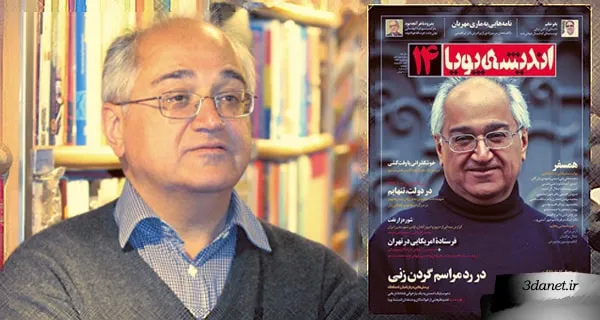
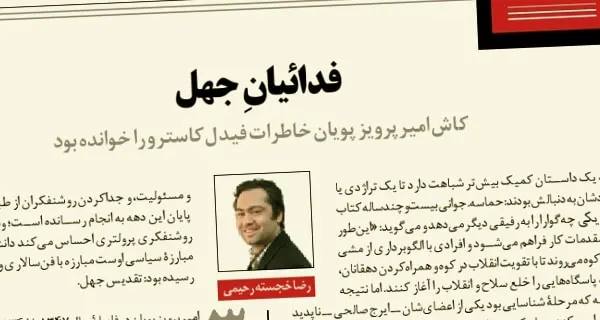
Reza Khojasteh Rahimi's article in the twelfth issue of Andisheh-ye Pouya concerning the armed struggle that was primarily initiated by two political and guerrilla organizations known as the Fadaiyan and the Mojahedin in the late 1340s and had consequences up until the Iranian Revolution, is an important article. The central aspect of the discussion, particularly regarding Amir Parviz Pouyan, one of the founders of the Fadaiyan organization and one of its most knowledgeable militants and theoreticians, adds to the article's significance. The argumentative power of the article should not be overlooked, despite its polemical tone and especially its inappropriate title, "Fadaiyan of Ignorance." The article provoked sharp reactions, which led to a response by its author in the subsequent issue of the same publication. In both pieces, the necessity of initiating a fundamental discussion (which has always been postponed) is recalled, and I suggest you read them carefully. The questions that arise regarding the armed struggle in pre-revolutionary Iran are very important. They are not confined to historical discourse but encompass the scope of political and ethical discourses and, in a word, remain important and useful. Let us recall that it was, at least on the part of the Mojahedin leadership after the revolution, due to remnants of the belief in the legitimacy of armed struggle that the bloody confrontations of the 1360s occurred. Of course, that belief was only one of the causes of that historical catastrophe, and various other aspects must also be considered and will eventually be raised one day. The belief in guerrilla warfare (or, in other words, resorting to terror, violence, kidnapping, and hostage-taking in the struggle against a repressive and corrupt regime) has not exacted a small cost from Iranian fighters for the path of democracy, freedom, and socialism. In short, this discussion is not merely a historical subject but has political actuality. During my student years in Iran, I was ideologically, intellectually, and morally close to the Fadaiyan organization, and on this path, I lost a number of my dear friends. One of them was Anoushiravan Lotfi, whose loss I have mourned in my heart for over forty years. Today, as I look back on those distant years, in this sorrowful gaze, the memory of Pouyan, the Ahmadzadehs, and especially Shoaiyan makes my heart tremble. Although I cherish this personal and emotional memory, in examining the record of the guerrillas, I seriously strive to set it aside. Khojasteh Rahimi's article raises important questions. I bring up some of them below: - Is armed struggle or military engagement by members of a clandestine organization, small in number, with a not-so-democratic structure (which inevitably takes such a form under the conditions of clandestine and armed struggle) against a repressive government that, with military, police, and security tools, has closed all avenues of free political activity to its opponents and critics, and under conditions of extreme repression, absolutely necessary, and does it achieve the desired result of the guerrillas? Does it truly foster a spirit of resistance in the hearts of segments of the people? Does it lead to its main goal, which is to awaken the people? - In modern political culture, besides the idea of a driving engine that ultimately leads to a popular uprising, are there other form or forms of armed struggle by the masses of the people? Are those forms, which logically must be defensive, compatible with the offensive form of armed actions by a small group that calls itself the "vanguard" and "pioneer"? - Is there a similarity between the elitism of the guerrillas, who considered themselves conscious elements and were testing what they called politico-military methods to awaken the people, and the elitism and voluntarism of Leninism, which considered party members the vanguard of the class, and the elitism of Stalin, who said, "Comrades, we Communists are of a special mold"? - Is resorting to killing, kidnapping, and violence in political struggle fundamentally justifiable? Are there exceptional and special conditions in which such actions can be considered justified? Can it be said, according to a rule left over from the era of the French Revolution's Terror, that the end justifies the means? Is resorting to violence and killing (which in most cases includes the lowest military and police ranks of the government, down to a police officer on a city street or a gendarme in a remote outpost, and sometimes, rarely, encompasses high political and security ranks or a foreign agent) justifiable? Are its news and media results (especially under conditions of the government's monopoly over the media) consistent with the popular ideals of guerrilla organizations and do they yield their desired results? - Considering the political and social conditions of Iran at the end of the 1340s, was undertaking guerrilla struggle the right course of action?آیا «سیاست شکیبایى و انتظار» یعنى چشمانتظار شرایط مساعدتر ماندن، لزوماً بهمعناى دستکشیدن کامل از هرگونه مبارزه با رژیم بود و صرفاً باید آن را انفعال سیاسى دانست؟ آیا گزینش چنان سیاستى باید فقط ناممکن ساختن گشایش سیاسى آینده ارزیابى شود؟ آیا با توجه به انقلاب ایران مىتوان بر درستى احکامى که در بالا آمدند صحه گذاشت؟ - آیا مبارزۀ چریکى تأثیرى در گسترش آگاهى دموکراتیک مردم یا دستکم لایههاى تهیدستى یا اقشارى چون دانشجویان و «روشنفکران» داشت؟ آیا مىتوان در نمایش این تأثیر اسنادى دقیق ارائه کرد؟ - آیا کوشش در انطباق الگوى امریکاى لاتین و درسهاى رژى دبره و چهگوارا (در زمینۀ جنگ چریکى روستایى) و آموزههاى امثال کارلوس ماریگلا (در حوزۀ جنگ چریکى شهرى) با شرایط ایران، منجر به این نشد که مبارزان چریک از کوشش در فهم دقیق جامعۀ ایران، ساختار طبقاتىاش و ماهیت نظام اجتماعى، فرهنگى و سیاسىاش بازبمانند؟ - آیا در گسترۀ گفتمان مارکسیستى مبارزۀ چریکى راهى درست براى بنیاد نهادن حزب یا احزابى کارگرى بود یا هست؟ آیا مخالفت شمارى از نیروهاى چپ با مبارزۀ مسلحانه (نظیر حزب توده، تروتسکیستها و برخى از مائوئیستها) کار درستى بود و دلایل آنها در توجیه این مخالفت پذیرفتنى بود؟ آیا با توجه خاص به حزب توده و وابستگى آشکار رهبرىاش به اتحاد شوروى مخالفت آن حزب با مبارزۀ چریکى را باید یکسر نادیده گرفت؟ مىتوان فقط آن را به حساب اپورتونیسم یا سیاست سازش با لایهاى از حاکمیت گذاشت؟ - آیا در برابر استراتژى چریکى (عنوان یکى از مهمترین جزوههاىشان را به یاد آورید «مبارزۀ مسلحانه هم استراتژى هم تاکتیک») راههاى مسالمتآمیزى که نامهاى سیاستمدارانى چون مهدى بازرگان و خلیل ملکى یادآور آن هستند، در تضعیف قدرت حکومت و گردآوردن عناصر بالقوه مخالف رژیم مؤثر بود؟ آیا فقط یکى از این دو راه درست بود؟ - آیا دقت به فعالیتهاى تروریستى و نظامى کمیتۀ مجازات در انقلاب مشروطه و تداوم ترورهاى سیاسى در جریان آن انقلاب تا ترورهاى دهۀ ۱۳۲۰ توسط سازمانهاى مسلح کوچک که جملگى در تقابل با سیاستهاى بیشوکم مسالمتآمیز و اصلاحطلبانۀ آزادىخواهان و متفکران بودند، هیچگاه درسى براى رهبران و اعضای دو سازمان چریکى بود یا نه؟ - آیا درپیشگرفتن مبارزۀ چریکى و تبدیل سازمان مسلح به ارگانیسمى استوار به مرکزیت مخفى و «آهنین» سبب نشد که دو سازمان اصلى در درون خود نیز سیاستهاى غیردموکراتیک را چه بسا به گونهاى ناگزیر پیش ببرند؟ آیا کشتار درونى سازمان فدائیان که اسناد آن منتشر شده و «کودتاى خونین» شهرام و یارانش در سازمان مجاهدین هیچ ارتباطى به سیاستهاى خشنى نداشت که در جریان مبارزۀ مسلحانه در خارج از سازمان و در رویارویى با رژیم شاه انجام مىشد؟ - آیا مىتوان ادعا کرد که انقلاب ۱۳۵۷ نتیجۀ آن مبارزۀ مسلحانه بود؟ یا مىشود گفت که آن مبارزه نقشى قابل توجه در ایجاد آگاهى انقلابى (به قول لوکاچ آگاهى امکانپذیر) در تودههاى تهیدست و همراهانشان در لایههاى میانى جامعه داشت؟ - آیا امروز، بررسى کارنامۀ مبارزات مسلحانه، فعالان سیاسى چپگرا را به انتقاد از آن سیاستهاى خشن کشانده یا نه؟ آیا هنوز هم کسانى در میان چپگرایان به ضرورت یا درستى مبارزات مسلحانه بنا به آن الگو باور دارند یا نه؟ آنچه آمد فقط شمارى از پرسشهاى مهمى است که با دقت به تاریخ مبارزات چریکى در ایران در ذهن مطرح مىشوند. طرح چنین پرسشهایى آنجا که از ذهن یک فرد به گسترهاى وسیعتر راه یابد و سرآغاز بحثى دموکراتیک میان نیروهاى سیاسى و فکرى شود ازجمله وظایف یک نویسندۀ مسائل اجتماعى و تاریخى نظیر خجسته رحیمى است. او به این وظیفه عمل کرده و اکنون هدف انواع حملههاى تند و اتهامها قرار گرفته است. دو پرسش دیگر در این میان مطرحاند که با دقت به سرنوشت مقالۀ خجسته رحیمى به گونهاى جدىتر مطرح مىشوند: - آیا شکنجهشدن و کشتهشدن در راه عقیده توجیه صحت عقیدۀ کسى است که از جان دست شسته و در این راه مرگ را پذیرا شده است؟ آیا کسى که شجاعانه و قهرمانانه در راه عقیده و آرمانش جان داده مقامى چنان خاص مىیابد که دیگر نمىتوان (یا نباید) دربارۀ درستى یا نادرستى عقیده، هدف و روشهایش بحث کرد؟ - آیا در شرایط سیاسى امروز ایران امکان بحث دموکراتیک و منصفانه دربارۀ جنبههاى تاریخى و سیاسى مبارزات دو سازمانى وجود دارد که بههرحال با حکومت مستقر در ایران نهفقط همراه نبودند و نیستند بل سخت مخالف آن هستند. همین که شما این نوشته را مىخوانید نشان مىدهد که این امکان دستکم تاحدودى وجود دارد. باقى مىماند یک مسئلۀ تلخ و دردآور. واکنش برخى از چپگرایان به مقالۀ خجسته رحیمى که او را مأمور و... خواندند، نشان مىدهد هنوز کسانى هستند که روشهاى استالینستیى یعنى تهمتزدن، توهین و تحقیر مواضع مخالف خود را براى بستن فضاى مکالمه به کار مىبرند. هنوز هم کسانى از درگیرى در بحثى که به مبانى اعتقادىشان بازمىگردد در هراساند. هنوز هم زدن انگ مأمور و غیره بهعنوان مانعى در راه بحثى آزادانه و استوار به نیکخواهى طرفین و کوشش آنان در راه دستیابى به حقیقت به کار مىرود. هنوز هم کسانى هستند که بنا به بینش اسطورهاى و شخصیتپرست خود از اجراى وظیفۀ درگیرى در بحثى عقلانى و رعایت موازین انصاف و احترام مىگریزند. پوستۀ جدلى مقالۀ خجسته رحیمى را کنار بزنیم و به هستۀ عقلانى درون آن دقت کنیم. او نکتههایى را پیش کشیده که هر فرد دموکرات، لیبرال، سوسیالیست و کمونیست باید به آنها بیندیشد. مقالهاش پرسشهایى را پیش کشیده که ما باید بتوانیم به آنها پاسخ بدهیم و مهمتر این پاسخها را در جریان بحثى نقادانه و در گفتوگویى دموکراتیک به بوتۀ نقادى و آزمون دیگران بگذاریم.
.
.
Questions on Armed Struggle
Babak Ahmadi | Andisheh Pouya 14 | April 2014
.
.


Discussion0 comments
No comments yet; let yours be the first voice.