اندیشهفلسفهخردگفتگوحکمتمعناپرسشفرهنگ
Philosophy
Showmen, the Irreligious Pious, and the Amoral Famous
Three phenomena—showmen, the irreligious who feign piety, and amoral celebrities—are the damaging faces of Iran's philosophical scene today: people who treat philosophy not as a source of knowledge but as a tool for fame, income, or status, and who remain far removed from ethics and openness to criticism.
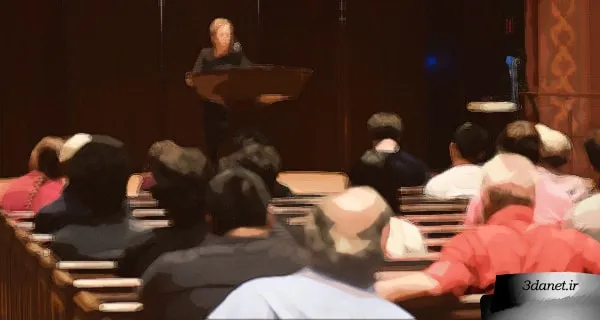
In this note, I intend to enumerate three phenomena confronting philosophy in the current climate of philosophy in Iran; three phenomena that are certainly neither exclusive to this period of history nor solely the product of our society and geography, but have existed both in the past and probably exist in other developing or underdeveloped countries as well; yet perhaps these days they have gained greater intensity and strength in our country. Therefore, this note is not a philosophical text and is merely the result of the author's personal observations and experiences in the academic and non-academic sphere of philosophy in Iran.
Furthermore, the author intends to compose such a text while believing that one of the most important origins of philosophy is ethics, and a philosopher is someone who, while questioning and taking steps toward attaining truth, must regulate their attitude, thoughts, behavior, and overall lifeworld in accordance with ethical standards. Now, with the above presupposition in mind, I will describe the three phenomena in question:
1. Showmen: In the Mo'in Persian Dictionary, a "showman" refers to an individual responsible for hosting a television program or show. Based on this definition, a philosophy showman is an individual who appears in society in the role of a philosophy professor or researcher but, like a capable television host or film actor, performs in academic and non-academic philosophical settings, and while engaging in pseudo-scholarly and bombastic shows, their lectures and teachings are devoid of value and substantive content.
Moreover, a philosophy researcher and scholar lectures and teaches on a subject when that subject has previously been part of their research and study program and they possess sufficient mastery and knowledge to present it; but a philosophy showman speaks of phenomenology today and Islamic philosophy tomorrow; in one place discusses hermeneutics and its relation to the postmodern, and elsewhere speaks of rationality in the modern world; in one session talks about Heidegger and Foucault, and in another about Kant and German Idealism! In short, they merely seek fame and renown, not philosophy and the concerns of a philosopher. For them, philosophy is merely an intellectual gesture and a tool for self-promotion, not an epistemic source that gives meaning to their life, let alone something for which they would be willing to die, like Socrates.
2. The Irreligious Pious: By using this term, I mean those for whom philosophy is merely a source of income and a tool for acquiring and preserving status and position. Such individuals have neither a concern for religion nor for ethics; they neither understand the meaning of ideology-laden humanities nor have they ever tasted philosophizing free from religion and ideology; they simply exist to sell philosophy, even at the cost of destroying the religion and piety they profess.
3. The Amoral Famous: This third group are those who are very famous and, unfortunately, as amoral as they are famous! They have many philosophical books and articles, but what use is it when, during a lecture, upon having their views criticized, they hurl such insults and irrelevant words at the critic like foul-mouthed street brawlers that the attendees and listeners not only doubt the origin of philosophy and flee, but if they left their hat behind in that session, they would not return for it. And how tragic and painful is the inability to accept criticism and the intolerance of opposing views by someone who bears the name of philosopher. How is it possible to spend a lifetime reading philosophy, practicing philosophy, and speaking philosophy, yet show no sign of flexibility, self-correction, and openness to criticism?! If so, one must doubt the essence of such philosophy; the philosophy of our country these days.
.
.
Showmen, the Irreligious Pious, and the Amoral Famous; Three Phenomena of the Philosophical Sphere in Iran These Days
Author: Mohammadreza Vaez
.
.



Discussion4 comments
شیخی به زن فاحشه گفتا مستی هر لحظه به دام دگری پا بستی گفت شیخا هرآنچه گویی هستم آیا تو چنان که مینمایی هستی منظور هم شما و هم من اون موقع که این یادداشت رو زدید میدونیم برای کدوم بنده خدا زدید چند سالی میگذره و این یادداشت رو اتفاقی دوباره دیدم تمام مواردی که ذکر کردید به چیزی که ما از شما میبینیم جناب شهرستانی نزدیک تر هست یک نگاه به کارنامه ی کاریتون بندازید بی انصاف نباشم ، جز خصوصیت آخر شما نزاکت دارید که به قول آندره کنت اسپونویل به ادب یک شکنجه گر نازی میمونه قلب انسان رو بیشتر ب درد میاره دوستی که از اشتباهاتم بود از دستش دادم هیچ یک از این خصوصیات رو نداشت جز آخری در جمع خصوصی نامودب بود اما هم باسواد بود ، هم میتونست انقدر متنوع درس بده و خوب درس بده، شما که سر کلاسش نبودید چطور قضاوت کردید، پدر اخلاق و هم معرفت داشت و هم مهمتر از همه خودش رو پشت یک ردای پاک و تطهیر یافته پنهان نکرده بود خودش بود شما هم سعی کنید خودتون باشید سلیمان با چنان حشمت نظر ها بود با مورش فقط به وظیفه ی اخلاقیم عمل کردم.
با خواندن این نوشته، آدم به یاد تلنگر سیمون وی می افتد، سیمون وی، این عارفِ عامل، کنشگر اجتماعی، فداییِ همدلی که به همه ی اهل اندیشه و کتاب و خواندن و نوشتن و از جمله به من، به تو، به او و به... هشدار می دهد: «آیا کتب یا مقالات زیادی هستند که این احساس را در ما پدید آورند که نویسنده از خود با دغدغهای واقعی پرسیده باشد: «آیا در مسیر حقیقتام؟» آیا خوانندگان زیادی هستند که پیش از گشودن کتاب، از خود با دغدغهای واقعی بپرسند: «آیا میخواهم در این کتاب، حقیقت را بیابم؟»» (سیمون وی، فروزان راسخی، ویراسته مصطفی ملکیان، نگاه معاصر)
سپاس از نویسنده ی محترم، که به آفت جلوه گری در حوزه ی اندیشه، آن هم اندیشه ی «به نرخ روز» پرداخت. و سپاس از سایت صدانت، که به این نوشته، فرصت نشر داد. و چه درست گفته اید که: «چه غمانگیز و دردناک است نقدناپذیری و عدم تحمل نظر مخالف توسط کسی که نام فیلسوف را یدک میکشد. مگر میشود عمری فلسفه خواند و فلسفه ورزید و فلسفه گفت، اما نشانهای از انعطافپذیری، خودتصحیحی و انتقادپذیری نداشت؟! اگر چنین است باید به ذات چنین فلسفهای شک کرد؛ فلسفه این روزهای کشور ما.»
نشانه ها و مولفه ها کم است. بهتر بود از چند نمونه بدون نام بردن فرد استفاده می شد.