Philosophy
An Essay by Mohammad Reza Vaez Shahrestani: “Reflections on an Ethical Dilemma Concerning Social Media: The Case of Azadeh Namdari”
The release of unveiled photographs of Azadeh Namdari has created a moral dilemma between the right to privacy and the public interest in exposing hypocrisy. A logical analysis of this event examines the conflict between personal privacy and the duty to critique the conduct of public figures.
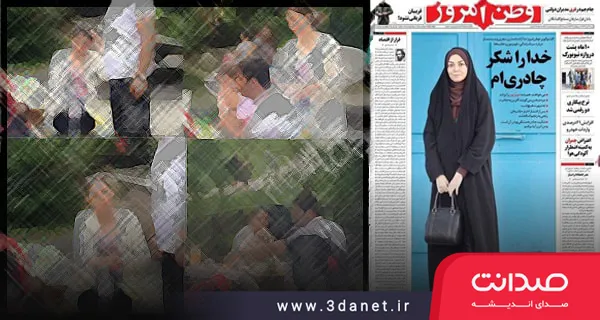
In this note, I aim to address an ethical dilemma concerning technology (social media) and examine the question of whether the recent publication of Azadeh Namdari's photos on social networks constitutes an invasion of her privacy or is a necessary step toward transparency and criticizing her conduct—a critique that would lead to the condemnation of hypocritical and sanctimonious behaviors in society. In other words, in this ethical dilemma, which can be chosen: the invasion of privacy or the public interest? And is such a choice even possible?
In this regard, I initially intended to categorize the opinions presented on this matter, but I realized that this had already been done well by Taha Parsa in a note published on the Zeitoon website. In this categorization, the first group believes that publishing Azadeh Namdari's photos is an explicit violation of her privacy and an unethical act.
Kambiz Nowrouzi, a jurist and secretary of the legal committee of the Association of Iranian Journalists, holds this belief and writes on his Telegram channel: "Photos of Ms. Azadeh Namdari have recently been circulated in cyberspace showing her wearing ordinary clothes but without a headscarf or veil. These photos show her with her husband, sitting and standing around a dining table. The captions of these images also contain ironic references, including to the hijab. The dissemination of these images, however, is an unethical act and definitely a violation of privacy. The domestic life of individuals in places where they reside temporarily or permanently, whether a house, hotel, camping site, car, or any similar place, constitutes their private sphere and is to be respected. Publishing photos related to individuals' private sphere is not informing but rather an act of indecent exposure and immorality."
The second group believes that because she was without a hijab in a public park and an open space, such public spaces cannot be called a private sphere, and therefore they do not consider the publication of these photos a violation of privacy. The third group fundamentally considers the emphasis on the concept of "privacy" a diversionary point in this event and believes that the main motive in revealing such images is the exposure of "lies, duplicity, and hypocrisy," and that such revelations are the primary mission of journalists. My aim in this note is precisely in relation to the views of the fourth group. Taha Parsa, in defining the views of the fourth group, has written:
But the fourth group considers the matter more complex and points to a conflict that can exist between "protecting privacy" and the "public interest," believing that "the public interest in revealing the photos and the public discussion about them probably outweighs Ms. Namdari's personal privacy." Saeed Kamali Dehghan, a journalist working for The Guardian, after mentioning examples in Britain and reviewing their legal cases, addressed this specific case on his Facebook page and wrote: "What about Azadeh Namdari? Personally, if I saw her in public without a hijab, I would not take a photo of her, but it seems to me that considering her hypocrisy regarding the hijab and considering that she was a promoter of compulsory hijab and this hypocrisy was not merely in the realm of her personal life but extended to the public sphere of her profession, the public interest in revealing the photos and the public discussion about them probably outweighs Ms. Namdari's personal privacy. If Ms. Namdari were merely an ordinary employee of the IRIB and did not have that history of championing compulsory hijab, then I think her personal privacy could not be invaded. The only issue that might complicate the media ethics of the matter is the discussion of the consequences of this revelation on Ms. Namdari's personal life, and considering the unpredictable punishments for offenders in Iran, I think perhaps the sin of her hypocrisy outweighs the personal consequences of this revelation."
In my opinion, such an event falls into the category of ethical dilemmas, and its analysis and examination require great precision and scrutiny, and one cannot simply issue a general ruling on matters of this kind. Fundamentally, when analyzing ethical dilemmas born from the application of technology, two points must be examined. First, the ethical dilemma in question must be analyzed and examined logically; second, the parties involved and the degree of value of each must be scrutinized.
Considering such an approach, if we wish to analyze this matter logically with regard to the parties involved, we will encounter the following form of reasoning:
Azadeh Namdari, during a trip to Switzerland, was present in a park with her family without a hijab.
Photographing and filming well-known individuals in private spaces and publishing it on social media by media professionals and journalists, without their permission and knowledge, is an invasion of their privacy.
Invading the privacy of well-known individuals will have unpredictable and usually irreparable consequences in their personal and social lives.
Journalists should not invade the privacy of well-known individuals.
Ms. Azadeh Namdari, in social media and on television, has always been a promoter and encourager of the hijab to individuals.
If a well-known individual is always a promoter of the hijab in their social life but is seen without a hijab in public places in their personal life, this act is an instance of hypocrisy, lying, and duplicity.
Exposing the unveiling of someone who has been a promoter and encourager of the hijab is an exposure of hypocrisy and duplicity and serves the public interest.
Journalists must engage in exposing hypocrisy, lying, and duplicity in society.
From items (1) to (4), it can be concluded that exposing Azadeh Namdari's photos is an unethical act.
From items (5) to (8), it can be concluded that exposing her photos is an ethical act.
Items (9) and (10) contradict each other.
As you can see, when logically analyzing the situation at hand, in order to understand what action is correct and ethical and what action is incorrect and unethical, we are faced with a logical contradiction. Now that we are not reaching a conclusion through the logical analysis of the subject in question, it is better to further scrutinize and modify the components of this event through the proposed approaches for addressing ethical dilemmas.
The first approach is the virtue-based ethical approach. In this approach, moral characteristics such as integrity, compassion, respect for the rights of others, etc., are the reference for decision-making and choice. When using such an approach, we will again encounter the problem of logical contradiction. Because according to the first group's view, respecting the privacy of others is a virtue; therefore, invading the privacy of others is reprehensible and unethical. Conversely, based on the third group's view, virtue dictates that lying and duplicity be fought against in society, and one of the groups that bears such a duty is the profession of journalists and media people. Therefore, this approach will also not be responsive to this issue.
The second approach is the consequence-based approach. In other words, in this approach, consequences are the foundation of ethical decisions. In the various readings of this ethical perspective, an act is often considered ethical if it yields the greatest benefit for the greatest number of people. Examining an ethical dilemma based on this approach requires estimating the sum of all impacts on all individuals involved in the matter, in order to clarify which decision has the best consequence. Taking such an approach, we return to the issue under discussion. In expressing the views, it was mentioned that the fourth group believes that "the public interest in exposing the photos and the public discussion about them probably takes precedence over Ms. Namdari's personal privacy." This claim means that exposing Ms. Namdari's photos has greater benefit for a greater number of people. In fact, an individual who holds such a belief, when comparing the two sides of the ethical dilemma in question, compares the following two states:
Exposing Ms. Azadeh Namdari's photos will lead to the condemnation and denunciation of duplicity and hypocrisy in society and has great public benefit for many individuals in society.
Exposing her photos has irreparable consequences for her, both in her personal life and social life; Ms. Namdari will likely be banned from appearing on screen in the future; she will no longer have popularity among the people; talk about her will become the topic of various circles; in her personal life, she will likely suffer from depression and painful consequences, and so on.
As can be seen, the third approach, by presupposing Ms. Azadeh Namdari’s guilt in hypocrisy and lying, in comparing her social life with her personal life, and that she must pay the price for this sin, deems the public interest superior and ignores the consequences of this exposure on her personal and social life. This is because the proponents of this belief hold that such exposures in society will lead to the condemnation of such behaviors and prevent their occurrence in the future.
Finally, the third approach is the rule-based approach. In this approach, rules are considered the central core of ethical decision-making. For example, the rule “do not kill,” “always be truthful,” and so on. Immanuel Kant is one of the most important renowned philosophers who proposed the rule-based view in the field of ethics. According to his categorical imperative, one can say: “Always act in such a way that you could will that everyone should act in the same way.” Now, we can address the fifth group’s opinion on the issue at hand:
Finally, there is also a fifth group that fundamentally considers famous individuals, including politicians and artists, to lack “privacy” in the conventional sense, and believes that the privacy of politicians should not remain protected because they are connected to power and are more exposed to corruption, and that artists and celebrities, because they sometimes make part of their private lives a means of earning income and fame, have less privacy, and the responsibility for any potential violation and intrusion into that part of their private lives that has taken on a public aspect lies with them.
Now suppose, in accordance with the above argument and based on Kant’s categorical imperative, we establish such a rule: “Journalists may always intrude upon the privacy of prominent individuals.” Now, we must see whether, according to Kant’s categorical imperative, such a rule would be ethical or not?! In a society where journalists could always scrutinize the private lives of prominent individuals, not necessarily for the sake of public interests, transparency, and oversight, but rather to address marginalia to boost their own work and attract more audiences, certainly a journalist who is also a prominent individual would not be safe from such an intrusion into privacy. In other words, they could not will that everyone should act in this way! Therefore, such a rule again does not seem ethical.
One way to resolve such an ethical dilemma in this specific case is to make the above rule more and more restricted. For example, let us say:
In cases where prominent individuals behave in their personal lives contrary to what they display in their social lives and encourage and urge people toward, such that this behavior is interpreted as duplicity, lying, and hypocrisy, journalists may intrude upon their privacy in order to expose such unethical instances.
It seems that this version of the ethical rule is more consistent with Kant’s categorical imperative, and everyone can act in this way for the purpose of having a more ethical society. By establishing such a rule, prominent individuals, including film actors, television hosts, athletes, and politicians, will also know that their privacy and personal lives are secure as long as nothing contrary to what they encourage and urge people toward in their social lives occurs on their part. That is, their private lives, like those of others, are their own concern, but if they wish to unethically commit hypocrisy, duplicity, and lying in their social lives compared to their personal lives, they must be held accountable in public and before public opinion. For any claim in social life places a heavy responsibility on their shoulders, and they must be careful about what they say and do. It is quite clear that a prominent individual, compared to ordinary people, just as they enjoy more social advantages and benefits due to their fame, must also exercise greater care and caution in their personal and private lives.
.
.
Reflections on an Ethical Dilemma Concerning Social Media
Mohammad Reza Vaez Shahrestani (Philosophy Researcher, University of Bonn)
.
.


Discussion10 comments
با سلام با تشکر از تحلیل فلسفی شما . در اینجا لازم دیدم به عنوان یک دانشجوی فلسفه که در ایران تحصیل میکند چند نکته را متذکر شوم . الف- به نظر من اگر شما اخباز ایران را رصد میکردید به این صراحت در مورد فضای خصوصی - که اتفاقاً همان پارکی که این خانم در واونجا به سر برده-حکم نمی کردید و آنرا را جزء فضای خصوصی و زندگی شخصی افراد قلمداد نمی نمودید . در جائیکه در حال حاضر حتی در خصوص داخل اتوموبیل شخصی از نظر علما و پلیس اختلاف نظر هست که آیا جلو اتوموبیل جزء فضای خصوص هست یا فقط صندوق عقب آن و یا کل اتوموبیل. ب - احتمالا خانواده های شما در شهر های بزرگ مثل تهران یا کرج و یا اصفهان و غیره با چیزی به نام کلمه گشت ارشاد حد اقل به صورت استماعی آشنائی دارند . زمانیکه این خانم پشت تلوریون به تبلیغ حجاب می پرداخت همکاران خواهر و برادر وی به شکنجه و آذار و اذیت خانمها (البته نه با این نوع بی حجابی ) می پرداختنمد 3 مسئله ریا و ریاکاری (چاپلوسی و مداحی و فرهنگ مداحی گری )چندی ست که در جامعه ایرانی به شدت رواج یافته و این امر به پدیدارشناسی بیشتری نیاز دارد چرا که وقتی که عقل جای خود را به مدح دهد نتیجه روشن خواهد شد . بامهر
بسیار عالی گفتی، ممنون.....
به علاوه اینکه، ایشان اگر با همین “سر و وضع” و در حال “شرب خمر” در وسط یکی از همین پارکهای تهران دستگیر میشدن، الان محکوم به ۸۰ ضربه شلاق بودند.. آنوقت یهو تو سوئیس، “پارک” میشه “فضای خصوصی” و “شرب خمر” هم میشه “زندگی شخصی” ؟؟؟؟؟؟؟
از کی تا حالا «پارک» فضای خصوصی شده؟!! جنابعالی می بایست پیش از این نوشتار یک تعریفی از فضای خصوصی و عمومی ارائه می کردید!
بنظر من نویسنده این متن قصد داشته تنها رویکردهایی که ما در تحلیل اتفاقات داریم را بیان کنند و موضوع خانم نامداری بهانه ای برای بیشتر فکر کردن و بحث کردن در این موارد شده.و نویسنده. در یک دسته بندی قضاوتهایی را که در جاهای دیگر خوانده بودیم را تحلیل کرده بنظرم اگر شما خودتون را بجای زنهایی بذارید که همیشه بخاطر حجاب دلخواهشان مورد انتقاد گروهی قرار میگرفتند که حجاب را چادر میدانند از جمله خانم نامداری که این باور را دارند قضیه را شکل دیگری میدید.
من هم از انتشار این متن تا حالا دارم فکر می کنم که بردن آبروی ایشون چه فایده ای داره به عموم که ایشون نتیجه گرفتن که مفیده؟!!! اگر من پزشکی باشم که به دیگران از مضرات دخانیات بگویم و خودم در خفا از دخانیات استفاده کنم باید رسانه ها بیایند و ریای منو افشا کنند؟!!! شاید افشای فساد مالی کسی که به زودی قراره مسئول مالی یا خزانه داری یا بانک یا جایی که امکان سوءاستفاده هست بشه، مفید باشه گرچه آنجا هم باید به حداقل اکتفا کرد لازم نیست در فضای مجازی پخش شود، اما درینجا بر فرض اینکه ایشون کار اشتباهی کردند چه لزومی داره اونو پخش کنیم، البته من عکس ها و کلیپ پخش شده رو ندیدم چون مطمئنم ایشان راضی نیستند بنابراین نمی تونم بگم ایشون بی حجاب بوده اند یا نه شاید ایشان در یک فضای خصوصی بوده اند شاید ... ای کاش نویسنده محترم توضیح بیشتری می دادند من هم مثل آقای ایمان فکر می کنم این همه سر و صدا فقط به خاطر عقده گشایی گروه های مختلف است، عده ای که مخالف حجابند یا مخالف نظامند یا عده ای بی اخلاق که از سرزنش دیگران لذت می برن، کسانی که خودشان با خیلی از تجسس ها و دخالت ها مخالفن ولی...
قیاس شما مع الفارق است. چرا که جنبه های مختلف اجتماعی، فرهنگی، سیاسی مسئله رو در نظر نگرفتید و ارتباط آن را با مناسبات قدرت و تحکم حاکمیت نادیده انگاشتند...
دسته بندی و تحلیل خوبی انجام شد. سپاسگزارم. پیش فرض اساسی انتهایی این بود که افشای دورویی ثمراتی دارد. آیا ما از دورویی بی خبر بودیم? آیا ایشان مصداق اصلی دوررویی اگر ثابت شود، هستند یا بالادست ایشان مسئولیت بیشتری دارد? در رویکرد اخیر حتی اگر عکسهایی داخل خانه فرد بیرون می آمد باز هم دورویی را عاملی می دانست که بر حفظ حریم خصوصی می تواند بچرید. همانطور که برخی توضیحات خانم نامداری را نمی پدیرند که در کنار محارمش حجاب نداشت، من هم دستکم برای برخی این ادعا افشای دورویی را صرفا پوششی برای عقده گشایی از سیستم ناکارآمد داخلی می دانم که مصداق خوبی را انتخاب نکرده. من عدم انتشار این تصاویر را در مجموع پرفایده تر می دانم و برایندش را اخلاقی تر.
ممنون، جالب بود..
من نفع عمومی از انتشار عکسهای و دورویی آزاده نامداری نمیبینم لزوما نباید اخلاق ما در مواجهه با چنین پدیده ای تخریب یک فرد در جهت منفعت عموم باشد حتی کرامت آن فرد هم گرچه بی اخلاق و دورو باشد مهم است و باید حفظ شود