Sociology
Soroush Dabbagh and Abazari's Controversial Remarks on the Late Pashaei
Soroush Dabbagh calls Abazari's analysis of the Pashaei phenomenon monocausal and the comparison between celebrity and intellectual a false analogy; he argues that the cultivation of taste is possible not through disparaging popular music, but through dialogue and media.
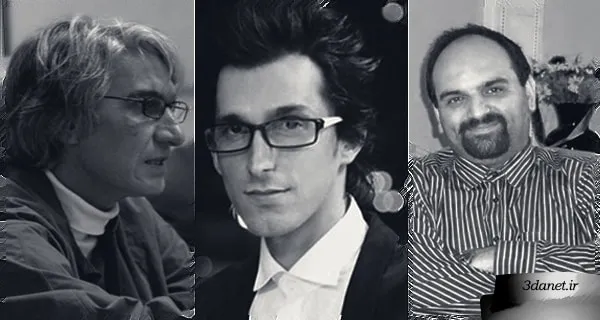
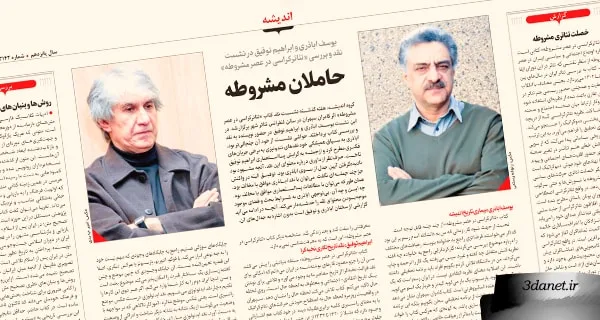
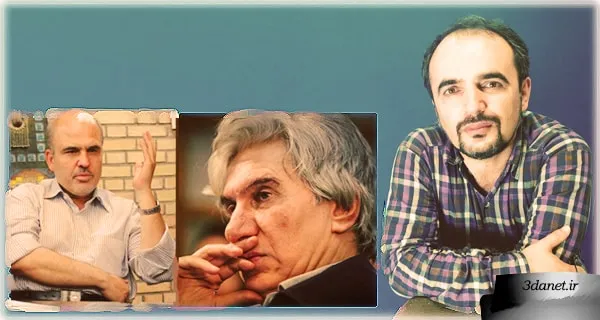
Soroush Dabbagh
AuthorI want to bring you into the conversation, given your history of friendship with Dr. Yousef Abazari. Some time ago on your Facebook page, you named Mohsen Chavoshi and Ehsan Khajeh Amiri as your favorite pop music singers, and well, you have also heard Abazari's interpretation regarding this type of music, especially Pashaei's music. How do you confront his harsh critique of this musical taste, of which you yourself are a part?
You have caught me somewhat off guard. Yes, I had written that I like both pop music and traditional music. If in traditional music I admire Shajarian, Nazeri, and Salar Aghili, in pop music I like Chavoshi and Khajeh Amiri. I have listened to Yousef Abazari's remarks twice; I had intended, and friends at various publications had also suggested, that I write my observations on this subject; the opportunity had not arisen before, but now I will briefly offer my opinion on the matter. I do not know why Dr. Abazari was so angry that day and expressed his observations in such a manner. Although I have not been in Iran for four years and am not physically present in the country, I see and follow what is published in cyberspace and various publications.
I disagree with his analysis of why people gravitated towards the late Pashaei. As I understand it, the Pashaei phenomenon and the public's embrace of him was not necessarily out of empathy with his music, although he did have fans who liked his style. Primarily, this phenomenon occurred because, in a country with our political, social, and cultural coordinates, an opportunity was provided for people to gather together, see one another again, and declare solidarity and togetherness. Of course, this does not diminish the importance of the late Pashaei and those who loved his music; but I believe this phenomenon should not be analyzed through a single factor.
I had personally heard the name Morteza Pashaei, but until his death, I had not heard even one song by him; my acquaintance with him belongs entirely to the period after his early, one-way journey. Moreover, the logic of public adulation for famous people is more or less the same everywhere in the world; one should never compare an intellectual, a writer, or a translator with famous people (celebrities).
In the West, we have singers whose Facebook pages have millions of followers. This popularity bears no relation to the recognition that, for example, Habermas receives. Or compare Chomsky's position as a university professor and intellectual with these celebrities; they are not comparable. Footballers, actors, and singers have this status everywhere in the world. It is a false comparison to note how many people attended the funeral of a certain writer versus the thousands who came for Pashaei and others like him; this is a false analogy and leads nowhere. Another point is that we must try to elevate people's musical taste so that, as Dr. Abazari says, young people listen to Bach, but I do not agree with this method and the potential disparagement of popular pop music.
Tastes differ; both types of music must exist so that, through dialogue about different musical styles, people's taste gradually improves. This is exactly like poetry. On one hand, we have the poetry of Hafez, Saadi, Rumi, Shamloo, Forough, Akhavan, and Sepehri; connoisseurs read these works, derive rhetorical and literary pleasure from reading these poems, and also engage in scholarly discussions about them. On the other hand, some people do not have elevated poetic taste and pleasure and are not very familiar with magnificent and brilliant poems; one cannot tell them not to read popular poems. One must strive to elevate people's poetic taste and level by expanding and disseminating sublime poetry.
Of course, for this purpose, especially in our society where private networks have no standing, the national broadcasting service (IRIB) plays a central role, and any other effort made is like a marginal note written on the main text; but well, the way is for this elevation of taste to happen gradually with the help of mass media and social networks. I do not think confrontations of this kind will lead anywhere.
I will not address the points Dr. Abazari made about politics, but regarding my own musical taste, I must say that alongside traditional music, I am fond of the voices of Chavoshi and Khajeh Amiri.

Discussion1 comments
به نظر من هم جناب دکتر دباغ و هم جناب دکتر اباذری در انتخاب نوع موسیقی ,, انسانهای با سلیقه ایی هستند. فکر کنم جناب دکتر اباذری , طرفدار موسیقی کلاسیک باشند. شخصی مانند جناب دکتر اباذری عزيز که گوشش به موسیقی وزین و زیبای کلاسیک عادت کرده است,, قطعاً به شنیدن موسیقی مبتذل رضایت نمی دهد. گوشِ مبتذل ,, موسیقی مبتذل می خواهد و گوشِ آسمانی و متعال ,, موسیقی آسمانی و والا می طلبد. به نظرم اول باید رابطه ((موسیقی و حقیقت)) مشخص شود. آیا موسیقی تجلی ""حقیقت"" است و یا وسیله ایی برای فرار از ""حقیقت""؟ فیلسوفان جهان هر کدامشان در مورد موسیقی نظرات متفاوتی دارند. افلاطون معتقد است که موسیقی نقش موثری در تعلیم و آموزش کودکان دارد. ارسطو از افلاطون فراتر می رود ,, و موسیقی را لازم و ضروری می داند. او موسیقی را به دو سبك (دوريسي) و (فروگيايي) تقسيم ميكند و موسيقي "فروگيايي" را موسيقي رايج برای فضاهايي مناسب ميداند كه مردم براي طرب و فراغت از امور روزانه گوش ميدهند. او مخاطبين اين موسيقي را مردمان خستهای ميداند كه ميخواهند با موسيقی تغذيه شده و توان خود را احيا كنند. مانند: موسیقی پاپ امروزی در عوض موسيقي "دوريسي" را برای مخاطبينی از اقشار فرهيخته مناسب می داند كه فارغ از دغدغههاي مادی به امور فرهنگي و هنري بها ميدهند. ارسطو موسیقی را به نوعی ""تجلی حقیقت"" می داند. مانند: موسیقی کلاسیک بی اعتنایی به موسیقی بعد از کانت موجب شد که موسیقی از" تجلی حقیقت" به "فرار از حقیقت" فرو کاسته شود. نیچه که خودش موسیقیدان بود ,, یگانه راه فرار از زندگی را موسیقی می داند,, اما شوپنهاور موسیقی را "تجلی اراده و حقیقت" می داند. در ایران نیز فیلسوفان و حکما نیز از طرفداران موسیقی بودند,, اما آنان موسیقی را نه (فرار از حقیقت )بلکه (تجلی حقیقت )می دانستند. فارابی و ابن سینا موسیقی را با ریاضیات ممزوج می دانستند. ابن سینا سه رساله در موضوع موسيقي نگاشته است كه در آن به تعريف موسيقي، ابعاد آن، نسبت موسيقي با رياضيات، دستگاههاي موسيقي، وزنهاي موسيقيايي و ابزارهاي موسيقي ميپردازد. . عارفانی نظیر شمس و مولانا که موسیقی را" تجلی حقیقت" می دانند ,, چرا که با" سماعِ حقیقت" به رقص سماع رسیده اند,, یعنی اوج شنیدن لذتِ حقیقی موسیقی. موسيقی در ميان فلاسفه جايگاه متفاوتی داشته است. گاه مهجور بوده است و گاه در حد اعلا. گاهی ""بازتاب و تجلی حقيقت"" بوده و گاهی ""گريزگاهي از جهان حقيقت"" . به نظرم موسیقی مبتذل امروزی به نوعی "فرار از حقیقت " است. انسان معاصر با مبتذل شنیدن به نوعی از (حقیقت) می گریزد . ولی انسانِ اندیشمند هیچگاه به موسیقی مبتذل تن نمی دهد , او در مقابل موسیقی مبتذل با جسارت و شجاعانه می ایستد و گوشش را به مبتذل نمی سپارد. گوشِ حقیقت طلب,, ""تجلی حقیقت"" می طلبد و گوشِ ناحقیقت و مبتذل ,, به دنبال ""فرار از حقیقت"" است..