Religion
The Article “Religious Diversity: The Cognitive Penetrability of Religious Perceptions” by Hamid Vahid Dastjerdi
Religious beliefs are often neglected from the perspective of their inputs; Hamid Vahid Dastjerdi shows how the cognitive penetrability of experiences diminishes their epistemic capacity and affects the rationality of beliefs.
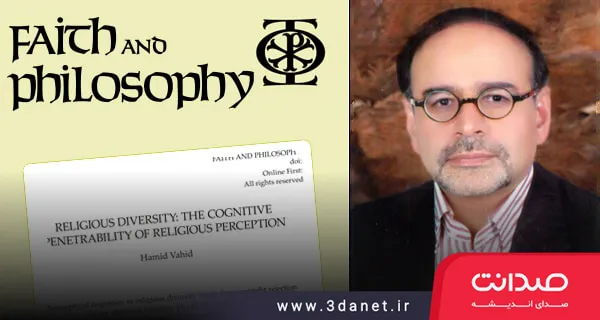
The aim of this article (Religious Diversity: The Cognitive Penetrability of Religious Perceptions) is to point to a problem that is usually overlooked in the issue of the rationality of religious beliefs, namely the cognitive penetrability of religious experiences. My main claim is that recent discussions concerning the rationality of religious beliefs have focused more on the output side of the formation of religious beliefs and, consequently, have neglected its input side—that is, the experiences on the basis of which religious beliefs are formed. If it can be shown that religious experiences can be subject to cognitive penetration, this will have important implications for the rationality of religious beliefs as well as the epistemic significance of religious diversity. According to the theory of cognitive penetrability, just as sensory experiences influence our beliefs and desires, our cognitive states also have an internal, causal influence on perceptual experiences. Thus, an individual's background states can transform the content of their perceptual experience. This, under certain conditions, leads to a reduction in the epistemic capacity and valence of sensory experience. The theory of cognitive penetrability is also applicable to religious experiences. The aim of this article is to examine the conditions under which the cognitive penetration of an individual's mental states may lead to a reduction in the epistemic capacity of religious experience.
.
.
PDF file of the article "Religious Diversity: The Cognitive Penetrability of Religious Perceptions" from Server 1 | Server 2
Article language: English
.
.
Religious Diversity: The Cognitive Penetrability of Religious Perceptions
Author: Hamid Vahid Dastjerdi
Religious Diversity: The Cognitive Penetrability of Religious Perception
Faith and Philosophy
March 2018
.
.





Discussion0 comments
No comments yet; let yours be the first voice.