Philosophy
The Article “To Stay or Not to Stay? That Is the Question!” by Hossein Dabbagh
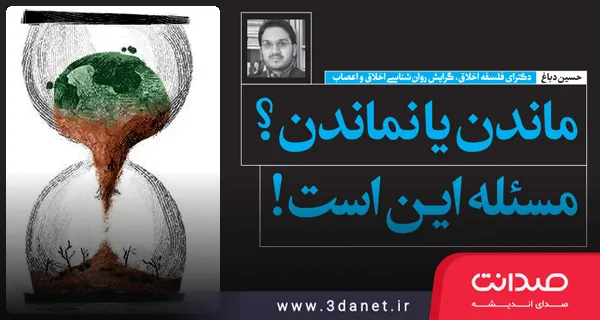
By comparing three parallel worlds, Hossein Dabbagh shows that the human mind perceives the pain of death for some beings as greater than the extinction of the entire universe. Bringing about the means of extinction is morally impermissible, and we must choose the world that endures.
Hossein Dabbagh
AuthorTo Stay or Not to Stay? That Is the Question!
Hossein Dabbagh; Institute for Cognitive Science Studies
In the Fusus al-Hikam (The Bezels of Wisdom, the chapter on Seth), Muhyiddin Ibn Arabi, without providing any reason, strangely claims that the extinction of the world, that is, the birth of the last human child, will begin in China, such that all men and women will become infertile! Now, in the present day, a virus whose outbreak appears to have begun in China has turned our human world upside down. The apocalyptic circumstances that have occurred revive the fear in the mind: are we approaching extinction? If we humans are responsible for the spread of this dangerous entity, which of course we are, what is our moral duty regarding the event of extinction? In this brief article, I have discussed this weighty question and argued that providing the means that lead to the extinction of the creatures of this world is morally impermissible.
Consider the following three parallel worlds:[1]
The Enduring World: In this world, affairs are arranged such that no further war occurs and no creature perishes in a catastrophe. Peace persists in this world, and creatures live alongside one another in tranquility until nature removes them.
The Semi-Enduring World: In this world, by ill fortune, a third world war breaks out, and through a painful catastrophe (such as a nuclear war[2]), eighty percent of the world's creatures suffer death and are destroyed.
The Non-Enduring World: In this world, just like the Semi-Enduring World, a third world war occurs, but through an agonizing catastrophe (such as a microbial war), all the world's creatures become extinct and are destroyed. Nothing remains of the world's creatures.
Now compare these three worlds with one another: assuming that death is a painful and agonizing phenomenon, which of these worlds entails less pain and suffering? The moral intuitions of the general public attest that the Enduring World entails less pain and suffering than the other parallel worlds.
Now let us make pairwise comparisons between these worlds and take their difference as the criterion. Does the Semi-Enduring World contain more suffering and pain than the Enduring World? Does the Non-Enduring World entail more pain and suffering than the Semi-Enduring World? The initial intuitions of the general public say that the Semi-Enduring World contains more pain and suffering than the Enduring World, and the Non-Enduring World entails more than the Semi-Enduring World. It is clear that the death of eighty percent of creatures in a catastrophe is more painful than the perishing of none of the creatures; and the perishing of all creatures is more agonizing than the perishing of eighty percent of them. Therefore, if pain and suffering are our moral criteria for decision-making, it is morally preferable to choose the Enduring World in comparison with the Semi-Enduring World, and likewise the Semi-Enduring World in comparison with the Non-Enduring World.
Now consider the "difference" between these worlds: compare the Enduring World and the Semi-Enduring World and calculate their difference. Also, compare the Semi-Enduring World and the Non-Enduring World and calculate their difference. In your belief, does the difference between the Semi-Enduring World and the Enduring World entail more suffering, or does the difference between the Non-Enduring World and the Semi-Enduring World? It is clear that the difference between the Semi-Enduring World and the Enduring World is the death of eighty percent of creatures, and the difference between the Non-Enduring World and the Semi-Enduring World is the perishing of twenty percent of creatures. Which of these two differences entails a greater amount of pain and suffering?
Social psychologists have discovered that most people perceive the pain and suffering resulting from the difference between a semi-permanent world and a permanent world as greater than the pain and suffering resulting from the difference between an impermanent world and a semi-permanent world. The reason is clear: the loss of eighty percent of beings is more agonizing than the death of twenty percent of beings. But more importantly, the difference between a permanent and a semi-permanent world is the difference between two situations in neither of which does extinction occur, and what is relevant is short-term pain and suffering. Since most of us humans think with a mind for which short-term pain and suffering is more salient, when we think about the death of eighty percent of beings that might perish in the future, we imagine and conceive of greater suffering. In contrast, the difference between a semi-permanent and an impermanent world is the difference between two situations in one of which extinction occurs and a world will be destroyed forever. What is relevant in imagining the extinction of all beings in the universe is long-term pain and suffering, to which epistemic access is more difficult for our minds, and for this reason, our minds find it easier to reject it and make the twenty percent difference between a semi-permanent and an impermanent world appear less significant than the eighty percent difference between a permanent and a semi-permanent world.[3]
Furthermore, neuroscientists have shown that when humans picture their own death and contemplate and reflect upon it, the brain, through a defense mechanism, tries to "shut itself down" to preserve itself.[4] In fact, when our brain experiences seeing the death of others, it tries, by "shutting itself down," not to bridge the gap between the death of another and itself, and not to attribute death to itself. It is as if the brain does not accept that death will one day seize us too and is relevant to us. The brain tries to seek death only in others, as if death does not happen to us and is an event exclusive to others. This is why the demise of eighty percent of other beings is more digestible for the brain than the demise of all beings in the universe, which includes ourselves. This neuroscientific explanation shows why short-term pain and suffering, which encompasses the death of others, is more salient in our moral judgment than long-term pain and suffering, which includes the death of all humanity, including ourselves.[5]
But can it also be argued ethically that the eighty percent difference between a permanent and a semi-permanent world entails more pain and suffering than the twenty percent difference between a semi-permanent and an impermanent world?
Let us manipulate the numbers a little so that the answer to the above question becomes easier to grasp with another analysis. Suppose that in the semi-permanent world, this time ninety-nine percent of beings will perish in a third world war, and in the impermanent world, all (one hundred percent) of beings will become extinct. We calculate again: the difference between the semi-permanent and permanent world has become very large; that is, ninety-nine percent, but the difference between the semi-permanent and impermanent world is very small; that is, one percent. If we ask which difference entails more pain and suffering, what would your answer be? You will certainly say, as in the example above, the difference between the permanent and semi-permanent world, because in the current example, the difference has increased from eighty to ninety-nine percent. However, a point has become clearer in this example, and that is that the semi-permanent and impermanent worlds do not differ much in terms of the number of deaths, but they have an important difference in another respect. In the semi-permanent world, no matter how much the death toll resembles the impermanent world, extinction does not occur. In the impermanent world, by contrast, everything is destroyed, and all human capital will be rendered futile. Now, what do you think? Although the difference between the semi-permanent and impermanent world is small, in one, the destruction of everything is at stake with no possibility of return, and in the other, there is still a way to return and carry on. Does the difference between the permanent and semi-permanent worlds still entail more suffering than the difference between the impermanent and semi-permanent worlds?
Some philosophers, including Derek Parfit, as a rule-utilitarian, have argued that assuming death is a painful and distressing phenomenon, even if the difference in mortality and the amount of pain and suffering between the survivable and semi-survivable world appears greater (eighty percent in the first example and ninety-nine percent in the second), there is a morally more significant difference between the unsurvivable and semi-survivable world, involving greater suffering and pain. Why? Because in comparing the semi-survivable and unsurvivable worlds, we are in fact faced with a total annihilation that changes the moral equation. If we accept that our moral duty is to prevent pain and suffering, and if we further accept that extinction, since it entails the destruction of human capital in art, science, politics, etc., creates more pain and suffering than other parallel worlds, then we must accept that the difference between the semi-survivable and unsurvivable world results in more pain and suffering than the difference between the survivable and unsurvivable world. In fact, Parfit's point is that the pain and suffering caused by extinction is morally more important in the
اما دلیل دوم شاید مشکلآفرین باشد. ممکن است کسی اشکال کند چرا اساسا رنج و درد موجوداتی که هنوز نیامده اند مهم است؟ چرا باید در محاسبات اخلاقی خود موجودات جهان آینده را در نظر بگیریم؟ آیا جز این است که سرمایههای انسانی مثل هنر و علم زمانی به کار می آیند که در خدمت موجودات باشند و عالم خالی از موجودات نباشد؟ وقتی موجودی در کار نباشد و همگان منقرض شده باشند درد و رنجی مطرح نیست که از لحاظ اخلاقی به آن بپردازیم! فرض این اشکال این است که تصمیم گیریهای اخلاقی ما منحصرا باید برای موجوداتی باشد که "وجود" دارند. کیفیت زندگی موجوداتی که هنوز پا به صحنه "وجود" نگذاشتهاند و قدم در این عالم ننهادهاند اخلاقا مهم نیست چرا که این موجودات هنوز "وجود" ندارند که بخواهیم به کیفیت زندگی آنان فکر کنیم. این فرض به گمان من باطل است و شهودهای اخلاقی بسیاری از ما آن را تایید نمیکند. عموم آدمیان به کیفیت زندگی فرزندانی که ممکن است در آینده داشته باشند و هنوز به "وجود" نیامده اند می اندیشند و برای آن تصمیم می گیرند. حکومتگران برای نسلهای آیندهای که هنوز به "وجود" نیامده اند برنامهریزی می کنند و به فکر کیفیت زندگی آنان هستند. به عنوان نمونه، بحث در مورد اخلاق و اقتصاد تغییرات آب و هوا در زمره این برنامهریزیها برای نسلهای آینده است. خلاصه اینکه، تا جایی که چنین افعال و تصمیم گیریهایی برای نسلهای به "وجود" نیامده اخلاقا معنادار باشد، که هست، استدلال آمده در این مقاله به سود ترک انقراض کارگر است.[6]
این مقاله را با نکته ای فلسفی به پایان می برم. به نظر می رسد رای و تلقی عصبشناسانۀ آمده در این نوشتار درباره پس زدن اندیشه مرگ توسط مغز با تحلیل بسیاری از فیلسوفان سازگار نیست. اجازه بدهید توضیح دهم که برخلاف آنچه به نظر می رسد در حقیقت ناسازگاری وجود ندارد.
فیلسوفان بسیاری را می توان مثال آورد که قائل بودند ما آدمیان درباره مرگ خود اندیشه می کنیم. هایدگر معتقد بود فرد (دازاین) وقتی درگیر جهان ظاهری و روزمره می شود و موقعیت اگزیستانسیال خود را از دست می دهد احساس غربت و بیگانگی می کند. آنگاه رفتهرفته اضطراب مرگ به سر وقتش می رود و او را به تنهایی خویش آگاه می کند. دازاین می فهمد که در مرگ خود تنهاست، هیچ کس قادر نخواهد بود او را از مرگ برهاند و مرگ یعنی مرگ من! اضطراب مرگ زمانی شدت می گیرد که فرد را تعارضی اگزیستانسیال در بر می گیرد؛ تعارض میان آگاهی از اجتناب ناپذیری مرگ و آرزوی ادامه زندگی. اینکه فرد اکنون وجود دارد ولی روزی فرا می رسد که دیگر نیست. غیر از هایدگر فیلسوفان بسیار دیگری تامل در مرگ خود را نوعی فلسفهپردازی می دانستند. سیسرون، سیاستمدار و فیلسوف رومی، فلسفهپردازی را آماده شدن برای مرگ و میشل دومونتنی، از فيلسوفان فرانسوی دوره رنسانس، فلسفه را آموختن چگونه مردن و البته هگل که تاریخ را شرح رویارویی انسان با مرگ خود می دانست. به باور این فیلسوفان مرگ چنان با زندگی عجین است که بدون اندیشه مرگ خود نمی توان زیست. هر دو به هم وابسته اند. مرگ زیر پوست زندگی جنبش دارد. همان که سهراب می گفت: مرگ گاهی ریحان می چیند/گاه در سایه نشسته است به ما می نگرد.
با چنین تحلیلی است که برخی فیلسوفان اضطراب از مرگ خود را اضطراب از نازیستهها می دانند. در این تلقی، کسی که زنده بودن را تجربه نکرده باشد قادر نیست با مرگ خود مواجه شود. چه بسیار آدمیانی که قبل از عارض شدن مرگ دچار «مرگ» می شوند. به تعبیر حافظ: هر آنکسی که در این حلقه زنده نیست به عشق/ بر او نمرده به فتوای من نماز کنید! نیچه درست می گفت که آنچه رسیده و پخته می شود، خواهان مرگ می شود و آنچه نارس است، خواهان زندگی است. انسان در صورتی می تواند مواجهه با مرگ خود را تاب آورد که زندگی را به تمامه زیسته باشد. فیلسوفان به ما میآموزانند مرگ با اینکه زندگیکُش است اما اندیشه مرگ می تواند رهاییبخش باشد. بحقیقت، مرگآگاهی می تواند زواید شخصیتی آدمی را هویدا کند به طوریکه فرد متوجه می شود چه اموری به او تعلق ندارد و خود حقیقی او کدامست؛ گویی اندیشه مرگ، هویت جعلی آدمی را آشکار می کند و سپس آن را می زداید و پاکیزه می کند. چنین اندیشهای البته زندگیآور است.
Now let us ask: is there an incompatibility between the philosophers' acceptance of death and the neuroscientists' evasion of it? No! Both can coexist amicably; with the explanation that one targets the thought of death in the manner of "fast thinking," and the other in the manner of "slow thinking." What neuroscientists point to is, in fact, the thought of death in moments when the brain reacts quickly and, striving for self-preservation, attempts to suppress the thought of death. But the philosophers' argument about death pertains to occasions when the individual has moved past the rapid reaction to death and is engaged in reflection and contemplation upon it. With this account, it can be acknowledged that both explanations of death relate to different cognitive domains of the human being, which are not necessarily in conflict with one another.
.
.
[1] I have presented this thought experiment here, with slight modification, influenced by Derek Parfit's argument about the "badness of extinction." See Reasons and Persons, 1984, pp. 453-454.
[2] I mentioned war only as an example. Various catastrophes that accelerate extinction can be considered: from earthquakes and tsunamis to coronavirus and Chernobyl. In all these catastrophes, the hand of man in bringing them about is evident and manifest.
[3] Schubert, S. Caviola, L. & Faber, N. S., 2019, “The Psychology of Existential Risk: Moral Judgments about Human Extinction”. Scientific Reports 9, 15100.
[4] Dor-Ziderman, Y. Lutz, A. Goldstein, A. 2019, “Prediction-Based Neural Mechanisms for Shielding the Self from Existential Threat”. NeuroImage 202, 116080.
[5] This neuroscientific conception can be explained in another way. I will address this subject at the end of the article.
[6] My argument in this article does not, of course, endorse the notion that we may commit a morally wrongful act to avert extinction.
.
.
PDF file of the article "To Stay or Not to Stay? That Is the Question!" by Hossein Dabbagh
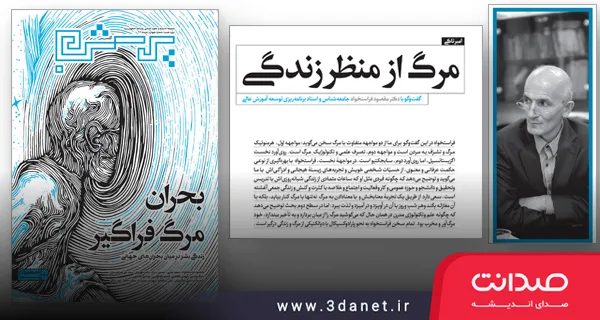
Source: Fourth issue of the special supplement Porsesh of Isfahan-e Ziba newspaper, with the theme: "The Crisis of Universal Death" - Tir 99
.
.



Discussion2 comments
با استدلالهای نویسنده همدلم. اما غیراخلاقی بودنِ انقراض از جهات دیگری هم قابل اثبات است که به نظر من یکی از مهم ترین آنها که کمتر مورد توجه قرار گرفته، از دید زیباشناختی است. کسانی که حیات و موجودات ذی حیات را به چشم آثار هنری تکرارناپذیر می بینند، اخلاقا بر خودشان روا نمی دانند که سهمی در نابودی این شاهکارهای روحنواز داشته باشند.
تا انسان به حقیقت مرگ پی نبرد,حقیقت زیستن را نداند.زندگی را باید زیست , همانگونه که مرگ زیستنی است.فلسفه تنها تمرین مرگ نیست , بلکه تمرین زندگی است.تمرین مرگ,به نوعی تمرین مرگِ ارادی است و مرگِ ارادی تمرین زندگی است. گر ز حال دل خبر داری بگو ور نشانی مختصر داری بگو مرگ را دانم ولی تا کوی دوست راه اگر نزدیک تر دانی بگو