Philosophy
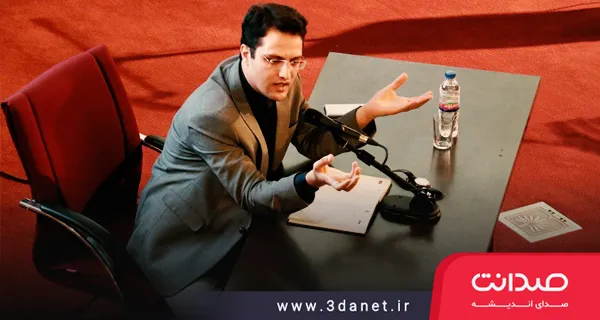
“The Boundary of Knowledge and the Limit of Ignorance”: Lectures by Milad Nouri
Epistemic errors drove humanity to study 'knowledge' itself and epistemology; yet failure along this path gave rise to skepticism and sophistry. Milad Nouri's lecture series 'The Boundary of Knowing and the Limit of Ignorance' examines the frontier of awareness and the possibility of knowledge.
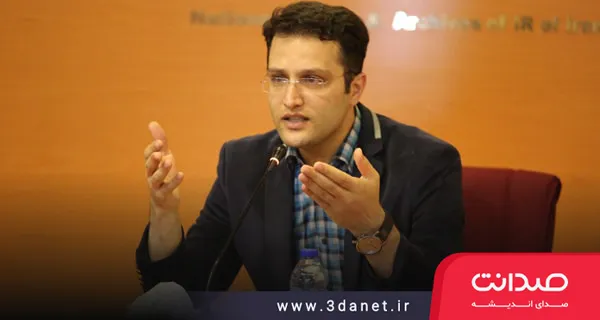
Not only can human beings inquire into various subjects and obtain knowledge about them, but they can also investigate how they have been able, or could be able, to attain such knowledge. A prerequisite for both is the primordial awareness by means of which humans seek knowledge. Throughout history, humans have striven to achieve an absolute understanding of reality and all that falls within its domain; yet how often they have fallen into error and deviation. Epistemic errors and deviations have prompted humans to turn to the study of “knowledge” itself, for they have assumed that if they correctly recognize the mechanism of acquiring knowledge and succeed in understanding its aspects, they will be safe from error and mistake, so that they will no longer deem true propositions false, nor consider false propositions true. This very matter has led to the creation of the philosophical branch of “epistemology.” Nevertheless, epistemologists themselves have also been prone to error and mistake. The failure of thinkers to cognize reality, as well as the emergence of error and disagreement in explaining the existence and quiddity of knowledge itself, has caused some thinkers to doubt the possibility of attaining cognition and to step into the valley of skepticism; and some have not only questioned the possibility of knowledge, but have denied reality and the object of knowledge, turning to sophistry. Sophistry and skepticism have resulted from failure in the process of cognizing the world and the inability to explain the reason for error, mistake, and disagreements in the domain of knowledge. Hence, it is natural that discussions pertaining to them should also be a part of epistemology. The human being, who cannot deny their primordial and elementary awareness, has striven not to cease moving and to pass beyond sophistry and skepticism. This striving, whatever it may be, will be accompanied by such questions as: Where is the boundary of awareness? What are sophistry and skepticism? Is the attainment of knowledge possible? What does knowing mean? What things do we know? If we are not skeptics, are we realists or idealists? What do change and relativity in knowledge mean? How is epistemic dialogue possible? In the dialogue-oriented lecture series “The Boundary of Knowledge and the Limit of Ignorance,” we have made such questions the subject of our investigation.
.
.
Lecture “The Boundary of Knowledge and the Limit of Ignorance” – Session One
Sophistry – Sophist – The Sophists
16 Mehr 97
.
Lecture “The Boundary of Knowledge and the Limit of Ignorance” – Session Two
Doubt – Skepticism – Suspension of Judgment – Skepticism – Pyrrho – Timon
.
Lecture “The Boundary of Knowledge and the Limit of Ignorance” – Session Three
Doubt – Descartes – Skepticism – Dream – Evil Demon – Deceiver
.
Lecture “The Boundary of Knowledge and the Limit of Ignorance” – Session Four
Reality – Conception and Assent – Mind-Independent – Awareness of Existence
.
Lecture “The Boundary of Knowledge and the Limit of Ignorance” – Session Five
Justified True Belief – Real Truth – Accidental Truth – False Truth – Explanation of Justification – Efficacy of Knowledge
.
Lecture Series "The Boundary of Knowledge and the Limit of Ignorance" – Session Six
Epistemological Foundations of Mathematics – The Evolution of Mathematics – Local Truth – Absolute Truth – Platonism – Formalism – Conceptualism – Intuitionism – Zermelo-Fraenkel
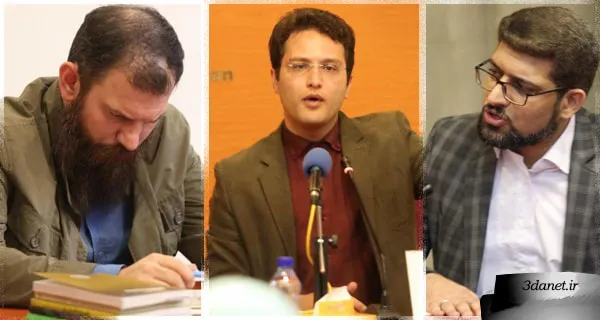
With the presence of Dr. Ali Sadegh Daghighi
.
Lecture Series "The Boundary of Knowledge and the Limit of Ignorance" – Session Seven
The Evolution of Physics – The Indivisible Particle (Newton's Theory) – Einstein's Relativity – Quantum Theory (String Theory)
With the presence of Dr. Ali Sadegh Daghighi
.
Lecture Series "The Boundary of Knowledge and the Limit of Ignorance" – Session Eight
Epistemological Foundations of the Humanities – The Unity of Consciousness and Body, or Soul and Body – Self-Preservation – The Rules of Causality – Psychology – Physiology – Sociology
.
Lecture Series "The Boundary of Knowledge and the Limit of Ignorance" – Session Nine
The Five Self-Evident Principles – Absolutely Certain Belief – A Critique of Relativists
3 December 2018
.
.
.
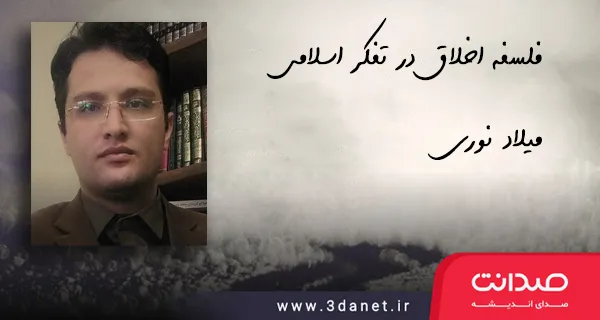
Lecture Series "The Boundary of Knowledge and the Limit of Ignorance" by Milad Nouri
Held at the Cultural Think Tank of the National Library
Author: Milad Nouri
.
.
Discussion6 comments
سلام. هر نه پرونده را کامل گوش کردم. کار بسیار باارزشی بود و از نگاه من، فلسفیترین کار و کلاسی بود که در صدانت یافتم. امیدوارم همگی رستگار شوید!
با سلام کاملا موافقم.با تشکر از استاد بزرگوار
عالی بود,جناب دکتر میلاد نوری بسيار استفاده بردم. در پناه حق, موفق و پاینده باشید.
عالی بود . ممنون از صدانت و دکتر میلاد نوری
باعرض سلام و ادب حضور استاد جوان و فرهیخته جناب آقای دکتر میلاد نوری عزیز سعادتی بود در این سلسله درسگفتارها: مرزدانایی، حدنادانی در ۹ جلسه از مباحث و مطالب بسیار خوب و ارزشمند مطرح شده استفاده کردم.امیدوارم همواره سلامت و موفق و پیروز باشید.
باسلام بسیارمطالب خوبی بود,جناب دکترمیلادنوری به نظرمن معنای صدق درریاضیات هم درون مدلی است وهم بیرون مدلی است.درریاضیات ,بعدازکانت "ریاضیات" دو تکه شدوبعدازقرن 19چندتکه شد,دچارکثرت گرایی.جنابعالی دربحث تلاش میکنیدکه ریاضیات رابه بحث وحدت وجود بکشانید,تلاش جنابعالی قابل تقدیراست. چنداشکال درزمینه آموزش ریاضیات درایران وجوددارد. 1- درس فلسفه دررشته ریاضی دردبیرستان وجودندارد,این فقدان موجب شده است که تیزهوشان کشور رابطه تعاملی بین فلسفه وریاضیات ندارند. 2-طلبه های حوزه علمیه باید موظف شوند ریاضیات بياموزند,درصورتیکه متاسفانه اینگونه نیست. 3-دانشجویان دوره دکتری فلسفه علم بایدموظف شوند دردروس فلسفه دانشگاه هاشرکت کنند,که متاسفانه اینگونه نیست. این جدایی ریاضیات ازفلسفه به شدت به هردو درکشور لطمه زده است. موفق باشید.